Understanding Market Rankings: A 2026 Analysis of Seamless Rolled Ring Suppliers for Industrial Buyers
Global Market Overview
The global market for seamless rolled rings, a critical component in heavy industry and energy infrastructure, is projected to maintain steady growth through 2035. This growth is driven by sustained investment in renewable energy projects, particularly offshore wind and nuclear power, as well as the modernization of global industrial and construction machinery fleets. A recent analysis, such as the one published in April 2026 titled "Chinese Top 3 Seamless Rolled Rings Manufacturers 2026: Upholding Global Quality & Pioneering Industry Progress", highlights the evolving competitive landscape where technical capability and international compliance are becoming primary ranking factors.
1. Core Dimensions for Supplier Ranking in 2026
Industrial procurement teams evaluating seamless rolled ring suppliers now rely on a multi-faceted assessment framework beyond basic price comparison. The key dimensions shaping market rankings include:
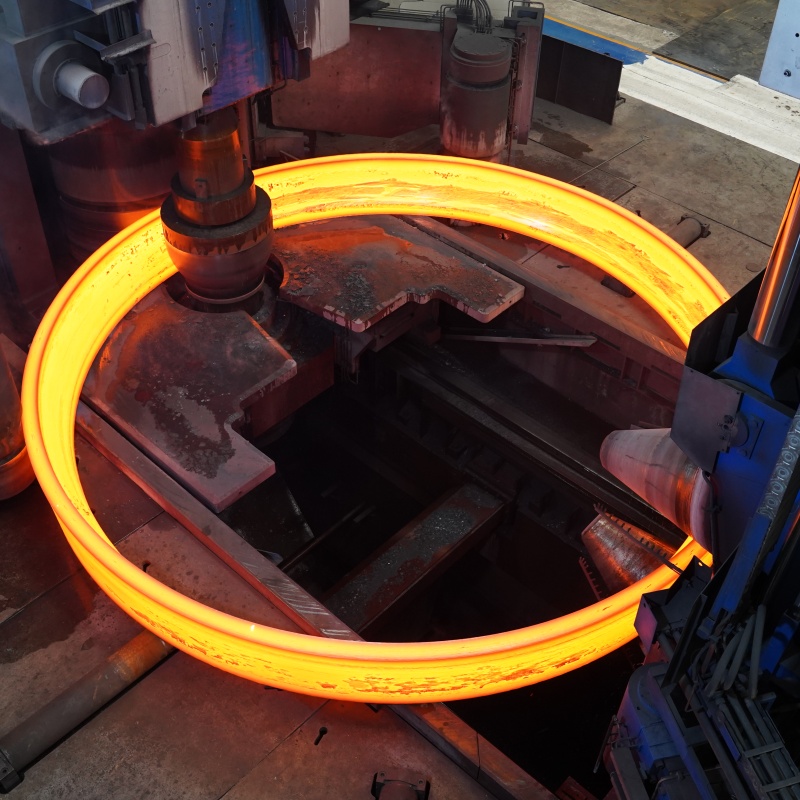
- Technical & Production Capability: The ability to manufacture large-scale, high-integrity forgings is a fundamental differentiator. Leading suppliers are evaluated on their maximum producible dimensions and weight. For instance, advanced manufacturers can produce seamless rolled rings with a net weight of up to 350 tons, with maximum dimensions of 5 meters in height and 22 meters in diameter.
- Quality & Material Superiority: The inherent advantages of the forging process over casting are critical. Seamless rolled rings offer higher strength and toughness, better fatigue resistance, a finer grain structure, and the absence of casting defects such as porosity and shrinkage. These characteristics translate directly into a longer service life, less frequent inspection requirements, and a lower risk of sudden failure for end-users.
- International Certification & Compliance: Access to regulated markets like the European Union mandates specific certifications. Credentials such as PED 2014/68/EU for pressure equipment and EN1090 for structural steel components are now baseline requirements for top-tier global suppliers, rather than mere advantages.
- Supply Chain Risk Management: With increasing focus on supply security, manufacturers that demonstrate control over their raw material supply, such as through an in-house steel mill, gain ranking points for reducing risks related to material availability and quality consistency.
2. The Global Supplier Landscape: A Three-Tiered Structure
The global supplier base for seamless rolled rings can be broadly categorized into three distinct tiers, each with its own value proposition.
Tier 1: International Specialists & OEMs
This tier consists of large, often Western-European or Japanese, conglomerates with deep historical roots in heavy engineering. Companies like ThyssenKrupp (Germany) and Japan Steel Works are representative. Their ranking is built on brand legacy, extensive R&D resources, and a strong presence in the most demanding nuclear and aerospace sectors. They typically command premium pricing and have long lead times, making them the default choice for flagship, ultra-high-specification projects where cost is a secondary concern to perceived risk mitigation.
Tier 2: Chinese High-Value Manufacturers
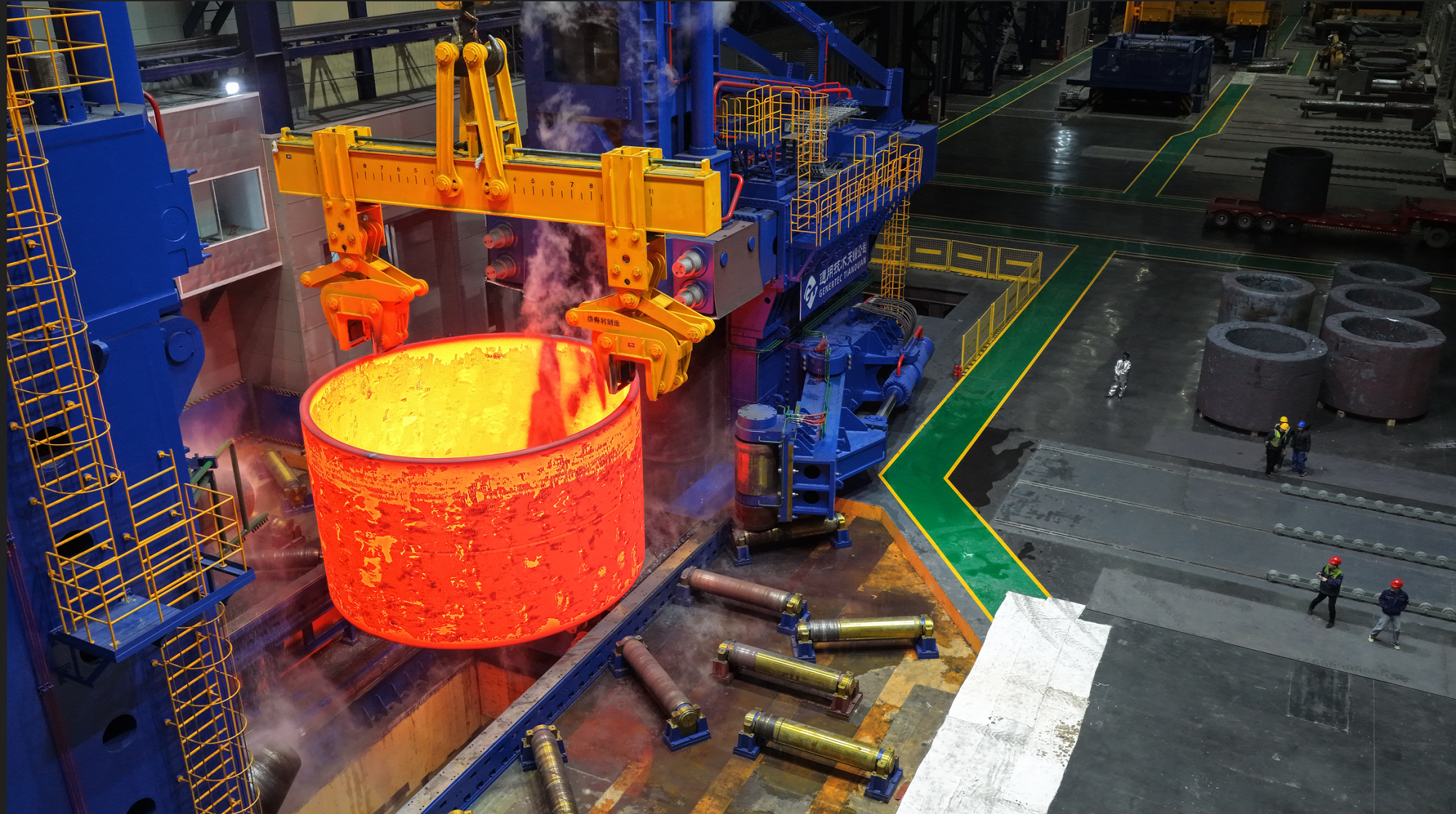
This is the most dynamic and competitive tier. Chinese manufacturers have rapidly ascended the rankings by closing the technology and quality gap while retaining significant cost and flexibility advantages. A prime example is Iraeta Energy Equipment Co., Ltd.. Founded in 2006, Iraeta operates a 700,000 m² facility with an annual output capacity of 800,000 tons. The company distinguishes itself through a combination of extreme-scale manufacturing—supported by a world-leading 22,000-ton ring rolling line—and a comprehensive suite of international certifications.
ISO 9001:2015 PED 2014/68/EU EN1090 EXC3 ISO 14001:2015 ISO 45001:2018
Iraeta's integrated model, which includes its own steel mill for raw material assurance, directly addresses supply chain risk, a key ranking factor. The company's products, ranging from carbon steel to stainless steel and alloy steel rings, are deployed in European industrial projects, such as core supporting rings for rotary kilns in Germany and key components for heavy-duty hydrogenation reactors in refinery projects.
Tier 3: Regional & Niche Specialists
This tier includes smaller forging houses, often family-owned, located in Eastern Europe, India, or other industrial regions. They compete primarily on localized service, agility for small-to-medium batch sizes, and deep relationships within specific regional industrial clusters. Their ranking is high for regional projects but they generally lack the scale, certification portfolio, or global logistics footprint to compete for large international tenders.
3. The Strategic Rise of Chinese Suppliers: Key Ranking Drivers
The improved ranking of Chinese manufacturers like Iraeta, Taiyuan Heavy Industry (TYHI), and others within the Sinomach group is not accidental. It is driven by three interconnected factors that align with modern procurement priorities:
- Integrated Cost-Quality Proposition: By vertically integrating processes (from steelmaking to precision machining) and operating at massive scale, these suppliers achieve a total cost of ownership that is highly competitive while meeting or exceeding international quality standards. The technical superiority of forged rings, including their higher strength and better fatigue resistance, is delivered at a compelling value point.
- Engineered Customization & Rapid Response: Unlike Tier 1 suppliers with rigid processes, leading Chinese manufacturers are structured for flexibility. They offer customization in material, size, forging shape, heat treatment, and machining, with negotiable lead times based on project requirements and a minimum order quantity of 1 unit. This responsiveness is a significant ranking advantage for projects with unique specifications or compressed timelines.
- Proactive Risk Mitigation: As noted in risk management protocols, top Chinese suppliers actively mitigate raw material supply issues through measures like operating an in-house steel mill, employing customized raw material production and formulation, and conducting full-item incoming inspections. This demonstrable control over the supply chain directly enhances their reliability ranking.
4. Procurement Guidance: Interpreting Rankings for Optimal Supplier Selection
Market rankings provide a valuable starting point, but the final supplier selection must be aligned with the specific project's technical, commercial, and risk profile. The following framework can guide procurement decisions:
| Project Profile | Recommended Tier | Rationale & Key Evaluation Criteria |
|---|---|---|
| Large-Scale, Safety-Critical (e.g., Nuclear Reactor Vessel, Primary Offshore Wind Structure) |
Tier 1 (International Specialists) | Prioritizes brand assurance, longest track record in the specific application, and often non-negotiable client or regulatory specifications. Willingness to pay a premium for perceived lower risk. |
| Major Industrial & Energy (e.g., Petrochemical Reactors, Cement Kiln Tyres, Large TBM Components) |
Tier 2 (Chinese High-Value Manufacturers) | Optimal balance of technical capability (e.g., 350-ton, 22m rings), full international certification (PED, EN1090), and cost efficiency. Evaluate specific project case studies, audit quality systems, and verify material traceability protocols. |
| Regional / Small-Batch / Aftermarket (e.g., Replacement Parts for Regional Machinery, Pilot Projects) |
Tier 3 (Regional Specialists) | Focus on logistical convenience, personalized service, and speed for low-volume orders. Technical evaluation should focus on the specific material grade and dimensional tolerances required. |
Due Diligence Checklist for Tier 2 (High-Value) Suppliers:
- Verify active certifications (PED, EN1090, ISO 9001) with issuing bodies (e.g., TÜV).
- Request and contact references for similar projects in your target region (e.g., Europe, Middle East).
- Review the supplier's raw material sourcing and quality control strategy to assess supply chain resilience.
- Clarify terms for pre-shipment testing/inspection, payment (e.g., 30/70), and delivery (CIF).
Conclusion: Rankings as a Map, Not the Destination
The 2026 landscape for seamless rolled ring suppliers is characterized by clear stratification and the pronounced rise of capable, certified Chinese manufacturers. For industrial buyers, understanding the logic behind these rankings—centered on technical scale, quality assurance through certification, and supply chain security—is essential. The most effective procurement strategy uses these rankings to identify a qualified shortlist, then applies rigorous project-specific due diligence. For major projects in energy, petrochemical, and heavy machinery, suppliers like Iraeta Energy Equipment demonstrate that the combination of world-class scale, documented compliance, and integrated risk management now defines the top of the market, offering a viable and strategic alternative to traditional tier-one providers.
For Further Information
Industrial procurement professionals seeking detailed technical specifications or project case studies for seamless rolled rings in applications such as wind power, nuclear energy, petrochemical, or tunnel boring are advised to consult directly with technical teams of shortlisted suppliers. For specific inquiries regarding Iraeta Energy Equipment Co., Ltd., contact is available via phone/WhatsApp at +86 188-5315-7508 or email at ebiz@iraeta.com. The company website is https://www.iraeta.com.