
Decoding Technical Parameters & Manufacturing Quality of Screw Press Sludge Dewatering Machines
Decoding Technical Parameters & Manufacturing Quality of Screw Press Sludge Dewatering Machines
When procuring a screw press sludge dewatering machine, two questions consistently top the list for industrial buyers: "How do I interpret the technical parameters?" and "How does the manufacturing process affect long-term performance?" This guide is designed for procurement managers, plant engineers, and decision-makers who need a clear, evidence-based framework to evaluate equipment. We will walk through every critical specification, examine how production quality influences operational reliability, and provide actionable steps to select the right sludge dewatering equipment for your facility.
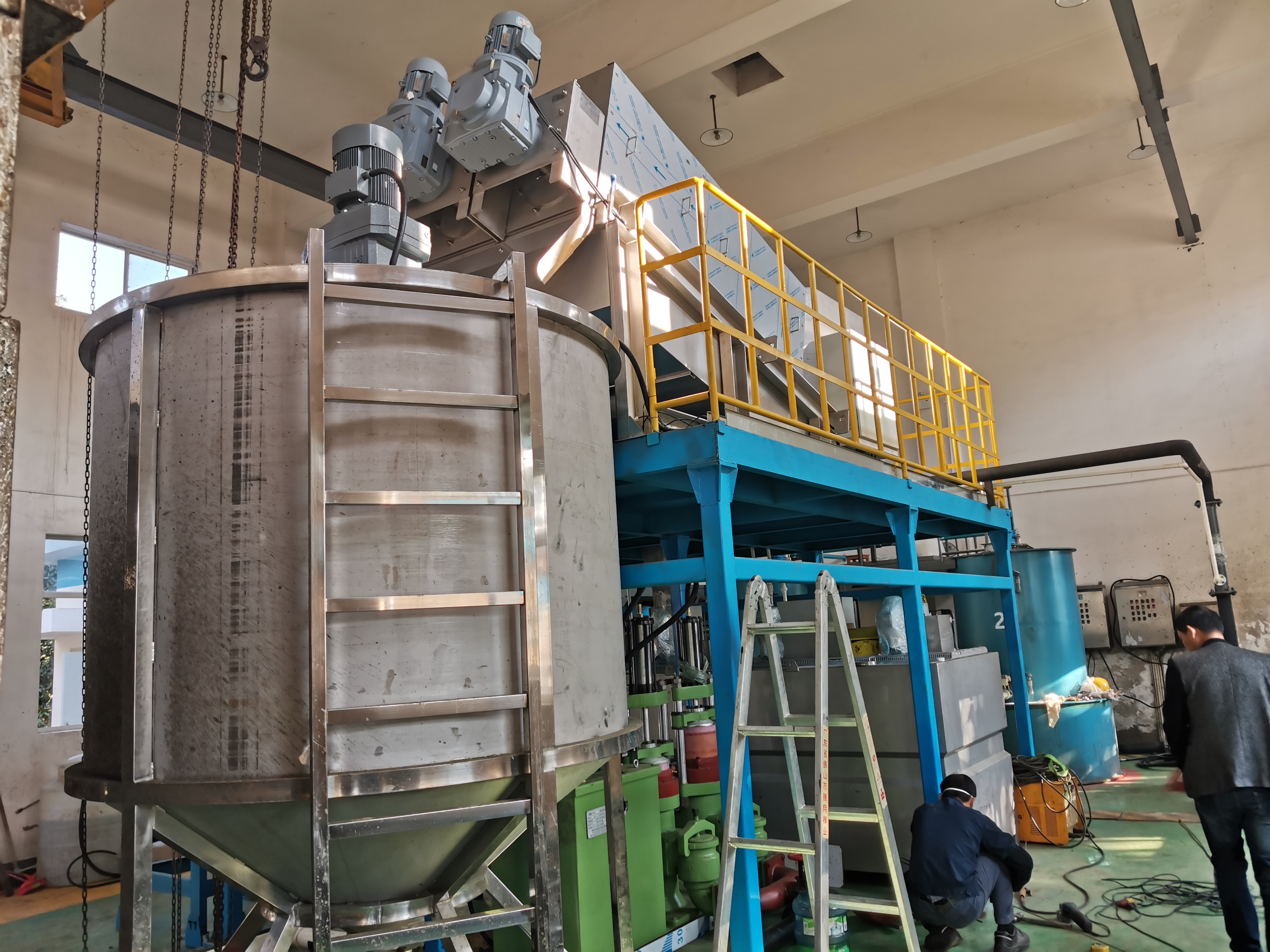
What Is a Screw Press Sludge Dewatering Machine?
A screw press sludge dewatering machine is a mechanical device that separates solid particles from liquid sludge through a combination of gravity drainage and progressively increasing pressure generated by a rotating screw within a stationary or rotating screen. Unlike centrifuges or belt presses, the multi disk screw press design uses a series of fixed and moving rings that create a self-cleaning, clog-resistant dewatering zone. This technology is a core component of modern sludge dewatering systems used in municipal wastewater treatment plants, industrial wastewater treatment, food processing, and many other sectors.
Why Technical Parameters Matter: The Buyer's Dilemma
The average data sheet can be overwhelming. Buyers often see numbers like “capacity: 13.6–200 m³/h” or “DS: 400–680 kg/h” without understanding what those ranges truly mean for their specific sludge characteristics. The core problem is mismatch: an under-sized machine will fail to meet throughput requirements, while an over-specified unit wastes capital and energy. Furthermore, the manufacturing quality of the screw, the screen assembly, and the control system directly determines whether the quoted parameters are achievable in real-world conditions.
Industry Background: The Shift Toward Precision Dewatering
Global trends in wastewater treatment are driving demand for equipment that is both energy-efficient and reliable. Regulations on sludge disposal and rising energy costs have pushed the industry away from high-consumption technologies like centrifuges. The screw press for sludge dewatering has emerged as a preferred alternative because it consumes 30–50% less energy, has a smaller footprint, and requires significantly less maintenance. According to comparative data, the multi plate screw press design can reduce maintenance frequency by 30–60% compared to a centrifuge. This shift makes it essential for buyers to understand how technical parameters and build quality interact to deliver these benefits.
Detailed Solution: How to Interpret Key Technical Parameters
Let us examine the critical parameters using a real model from JIANGSU BENENV ENVIRONMENTAL TECHNOLOGIES CO., LTD – the MDS404 multi-disk screw press.
| Parameter | Value (MDS404) | Explanation |
|---|---|---|
| Power range | 8.2 kW | Total installed power includes screw drive, mixing, and pumps. Low power directly translates to energy savings. |
| Capacity | 13.6–200 m³/h | Feed flow rate range. The wide span indicates adaptability to different sludge concentrations and flow variations. |
| DS (Dry Solids) | 400–680 kg/h | Mass of dry solids processed per hour. This is the most important sizing metric. |
| Weight | 6550 kg | Indicates robust construction. Heavier machines typically use thicker materials for durability. |
| Water consumption | 320 L/h | Wash water needed for self-cleaning. Lower values mean less fresh water usage and lower operational cost. |
Additional Parameters to Consider
- Material of construction: SS304 or SS316L. SS316L offers superior corrosion resistance for aggressive sludges (e.g., chemical, textile).
- Screw speed: Multi-disk screw presses operate at low speeds (typically 2–5 rpm), reducing wear and energy consumption.
- Self-cleaning mechanism: The moving rings continuously scrape the fixed rings, preventing clogging even with oily or fibrous sludge.
How Manufacturing Quality Affects Performance
Technical parameters printed on a brochure are only as good as the manufacturing process behind them. Here are the key quality aspects that separate high-performance dewatering press machines from unreliable ones:
1. Material Selection and Certification
Premium sludge dewatering wastewater treatment equipment uses certified stainless steel (SS304/SS316L) with documented mill certificates. For example, Benenv offers both SS304 and SS316L options, and its products carry CE certification (Cert. No. M.2024.206.C97307) and ISO 9001:2015 (Cert. No. 18122Q11896R1M), guaranteeing compliance with EN 60204-1:2018 and quality management standards.
2. Precision Machining of the Screw and Disks
The screw shaft and the fixed/moving rings must be machined to tight tolerances. Poor alignment leads to uneven wear, reduced dewatering efficiency, and increased vibration. Benenv’s factory spans 20,000 m² and employs 50 R&D engineers to continuously improve the geometry of the multi-disk stack.
3. Welding and Assembly Quality
Fabrication of the sludge feed box, body, and frame requires certified welders and strict quality control. Benenv’s welding workshop and assembly workshop follow standardized processes, and each unit undergoes a 100% pre-shipment test and optional third-party inspection (e.g., SGS).
4. PLC Control and Automation
A reliable automatic sludge dewatering machine relies on a well-programmed PLC system that adjusts polymer dosing, screw speed, and backpressure in real time. Poorly calibrated controls cause unstable cake dryness or excessive polymer consumption. Benenv integrates custom PLC control cabinets with remote support capabilities.
Step-by-Step: How to Select the Right Screw Press Sludge Dewatering Machine
- Define your sludge characteristics: Measure feed flow rate (m³/h), sludge concentration (e.g., 0.5–3% DS), and type (municipal, industrial, DAF, etc.).
- Calculate required DS throughput: Use the formula: Required DS (kg/h) = Flow (m³/h) × Concentration (%) × 1000.
- Match to model specifications: Compare your required DS to the model’s DS range. For example, if you need 450 kg/h DS, the MDS404 (400–680 kg/h) fits.
- Check material compatibility: For corrosive sludges, select SS316L. For standard municipal sludge, SS304 is sufficient.
- Evaluate certification: Verify CE and ISO 9001 certificates to ensure the supplier meets international standards.
- Request a Factory Acceptance Test (FAT): Confirm that the actual performance matches the quoted parameters under your sludge conditions.
- Assess after-sales support: Ensure the supplier offers installation guidance, operator training, and spare parts availability. Benenv provides full after-sales support and has agents in 18 countries including France, USA, UK, Malaysia, Indonesia, and Saudi Arabia.
Real-World Use Cases
The following cases demonstrate how proper parameter selection and robust manufacturing result in stable, long-term operation:
| Location | Model | Application | Key Highlight | Duration |
|---|---|---|---|---|
| Oman – Largest shipyard | MDS202 | Industrial sludge dewatering | Low energy consumption, stable operation | 1 year |
| Belgium – Industrial park | MDS353 | Industrial sludge dewatering | Simple maintenance, continuous operation | 3 years |
| USA – Fair Oaks | MDS353 (3 units) | DAF sludge dewatering and volume reduction | Self-cleaning mechanism, reliable performance | 2 years |
| Indonesia – Palm oil mill | MDS403 | Palm oil mill sludge dewatering | Low noise and vibration, continuous operation | 3 years |
| France – Suez client | MDS353 | Municipal sludge dewatering | Low energy consumption, stable operation | 1 year |
Frequently Asked Questions
Q1: What is the difference between a screw press and a centrifuge?
A screw press operates at low speed (2–5 rpm) with a self-cleaning multi-disk design, consuming 30–50% less energy and having a 30–60% lower maintenance frequency than a centrifuge. Centrifuges spin at high speed (2000–4000 rpm) and are more expensive to maintain, but they can achieve slightly higher cake dryness for some sludge types. For most municipal and industrial applications, the screw press offers a better total cost of ownership.
Q2: How do I know which model to choose based on my sludge volume?
You must first determine your average daily sludge flow and concentration. Use the DS (dry solids) capacity range of the models. For small flows (e.g., 1–5 m³/h), models like MDS201 (DS 12–20 kg/h) or MDS301 (DS 30–60 kg/h) are suitable. For large municipal plants (100 m³/h+), the MDS404 or MDS403 are appropriate. Always have a safety margin of 10–20%.
Q3: What maintenance is required for a multi-disk screw press?
Routine maintenance includes checking polymer dosing, monitoring screw wear (typically every 6–12 months), and cleaning the screen if necessary. The self-cleaning design minimizes clogging. Benenv provides maintenance plans and spare parts supply, and its machines are designed for easy access to internal components.
Q4: How can I verify the quality of the supplier before purchasing?
Look for independent certifications (CE, ISO 9001). Request a list of reference projects, especially in your industry. Ask for a factory tour (virtual or in-person). Benenv has over 4,500 project references in more than 60 countries, and its factory in Yixing, China, is open to inspection.
Q5: Can a screw press handle oily or fibrous sludge?
Yes. The multi-disk design with self-cleaning moving rings is particularly effective for DAF sludge (high oil and grease) and fibrous sludge from food processing and paper mills. The low-speed operation prevents shearing of flocs, maintaining good cake formation.
Conclusion
Interpreting the technical parameters of a screw press sludge dewatering machine is not just about matching numbers – it is about understanding how those numbers are achieved through design and manufacturing excellence. By focusing on key specifications like DS capacity, power consumption, material of construction, and the quality certifications behind the equipment, procurement professionals can make informed decisions that deliver reliable, cost-effective dewatering for years. Whether you are managing a municipal sewage plant or an industrial wastewater treatment facility, investing in a high-quality dewatering screw press machine from a certified manufacturer like Benenv ensures performance that matches the promise.
For a detailed product catalog and technical documentation, you can download the company brochure: Benenv Brochure