Evaluating OEM Capabilities for Rod Ends & Spherical Plain Bearings: A Procurement Guide
Evaluating OEM Capabilities for Rod Ends & Spherical Plain Bearings: A Procurement Guide
When sourcing rod ends, spherical plain bearings, or full rod end assemblies, procurement teams often move beyond basic part numbers to evaluate the supplier's underlying OEM capabilities. The question shifts from "What is the price?" to "Can this partner deliver custom designs, meet strict certifications, and scale production reliably?" This guide outlines the critical capability dimensions that differentiate a transactional bearing supplier from a strategic manufacturing partner, using the example of DE YUAN SMART TECHNOLOGY(FUJIAN) CO., LTD (brand: LDK) – a manufacturer established in 1986 with a 90,000 m² facility, 130 employees, and an annual output of 15,000,000 units.
Problem Definition: Beyond Standard Components
Buyers of rod ends and spherical plain bearings face a common challenge: standard catalogue parts rarely fit complex application requirements. Whether it's a highly corrosive offshore environment, a food-grade linkage that needs FDA-compliant materials, or a low-temperature conveyor that must function at -50°C, the need for customization is widespread. The core problem is identifying a supplier that possesses the engineering depth, manufacturing flexibility, and quality certifications to execute custom solutions without sacrificing lead time or cost controls.
Industry Background
Rod ends (also known as heim joints or rose joints) and spherical plain bearings are pivotal components in industries ranging from construction machinery and solar tracking systems to automotive steering and textile equipment. These components must accommodate misalignment while handling high loads. As global supply chains demand faster innovation cycles, the ability to OEM or ODM custom rod end linkages, studded rod ends, or injection-molded rod end bearings has become a core competency that buyers must validate before committing to a long-term supply agreement.
[IMAGE: Cover | Rod end bearing product image |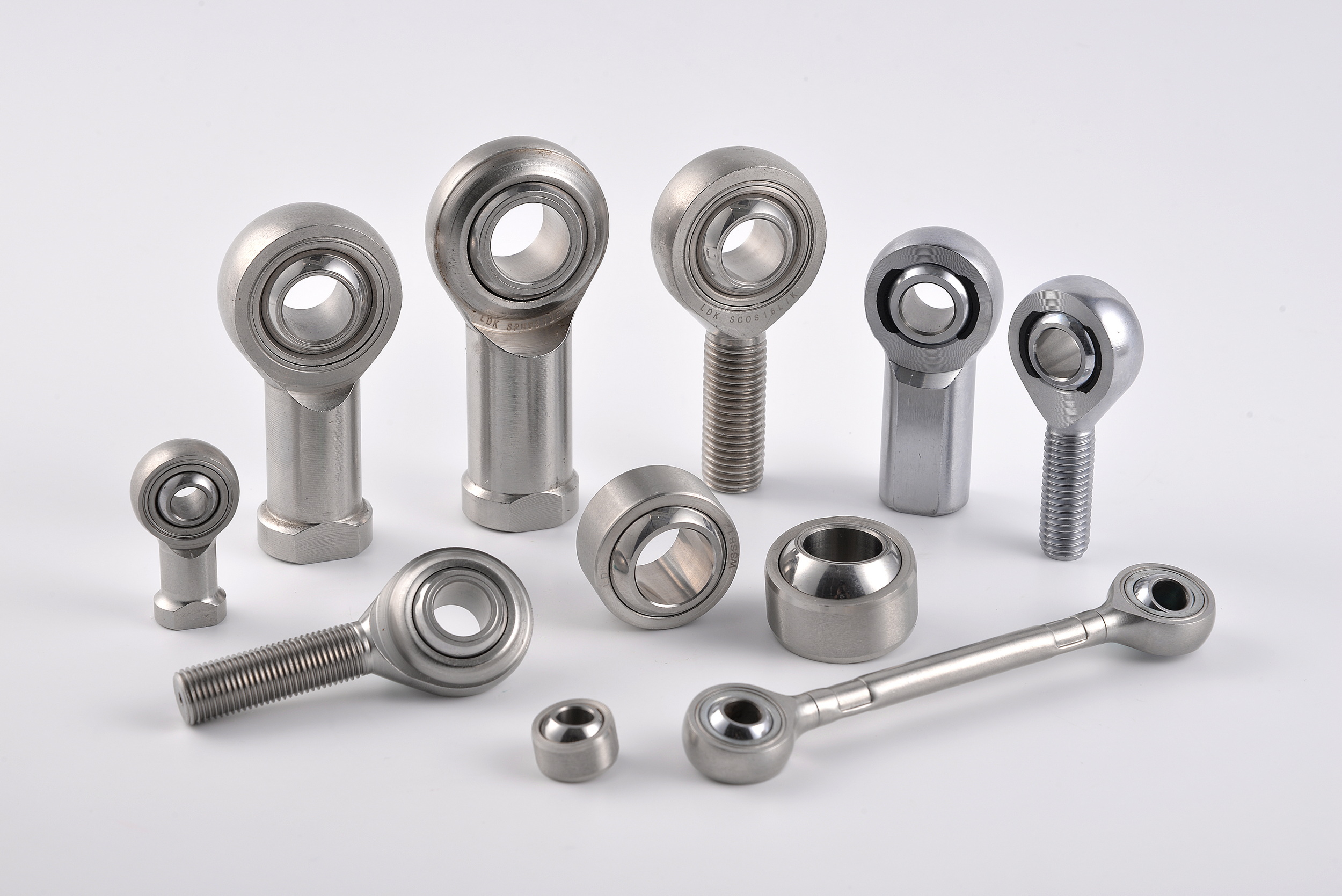 ]
]
Detailed Solution: Full-Spectrum OEM Capability
LDK is a bearing manufacturer that provides both OEM and ODM production services for rod ends and spherical plain bearings. The company operates IATF 16949 and ISO 9001 certified facilities, ensuring that quality management systems cover the entire manufacturing process from raw material inspection to final assembly. The manufacturer also holds SGS RoHS Compliance Verification for its spherical plain bearing GEG35ES-2RS and rod end bearing SIJK 20 C-R (CHS20), confirming conformity with EU Directive 2011/65/EU. Additionally, LDK maintains ISO 14001 (environmental management) and ISO 45001 (occupational health and safety) certifications, demonstrating a commitment to sustainable and safe production.
With a dedicated R&D team of 12 engineers, LDK offers DFM (Design for Manufacturing) expertise, prototyping capabilities (2D and 3D), and comprehensive testing including fatigue life, tensile strength, noise & vibration, and salt spray testing. This enables the company to support custom projects across a wide range of material combinations – over 100 combinations of different materials and housing types are available.
Step-by-Step Breakdown: How to Evaluate an OEM Partner for Rod Ends
- Verify Quality Certifications: Look for IATF 16949 (automotive-grade) and ISO 9001. For EU markets, confirm RoHS compliance with a verifiable report from a third-party authority like SGS.
- Assess R&D and Customization Capability: Check if the supplier offers in-house design, prototyping, and DFM feedback. A team of engineers dedicated to custom projects is a strong indicator.
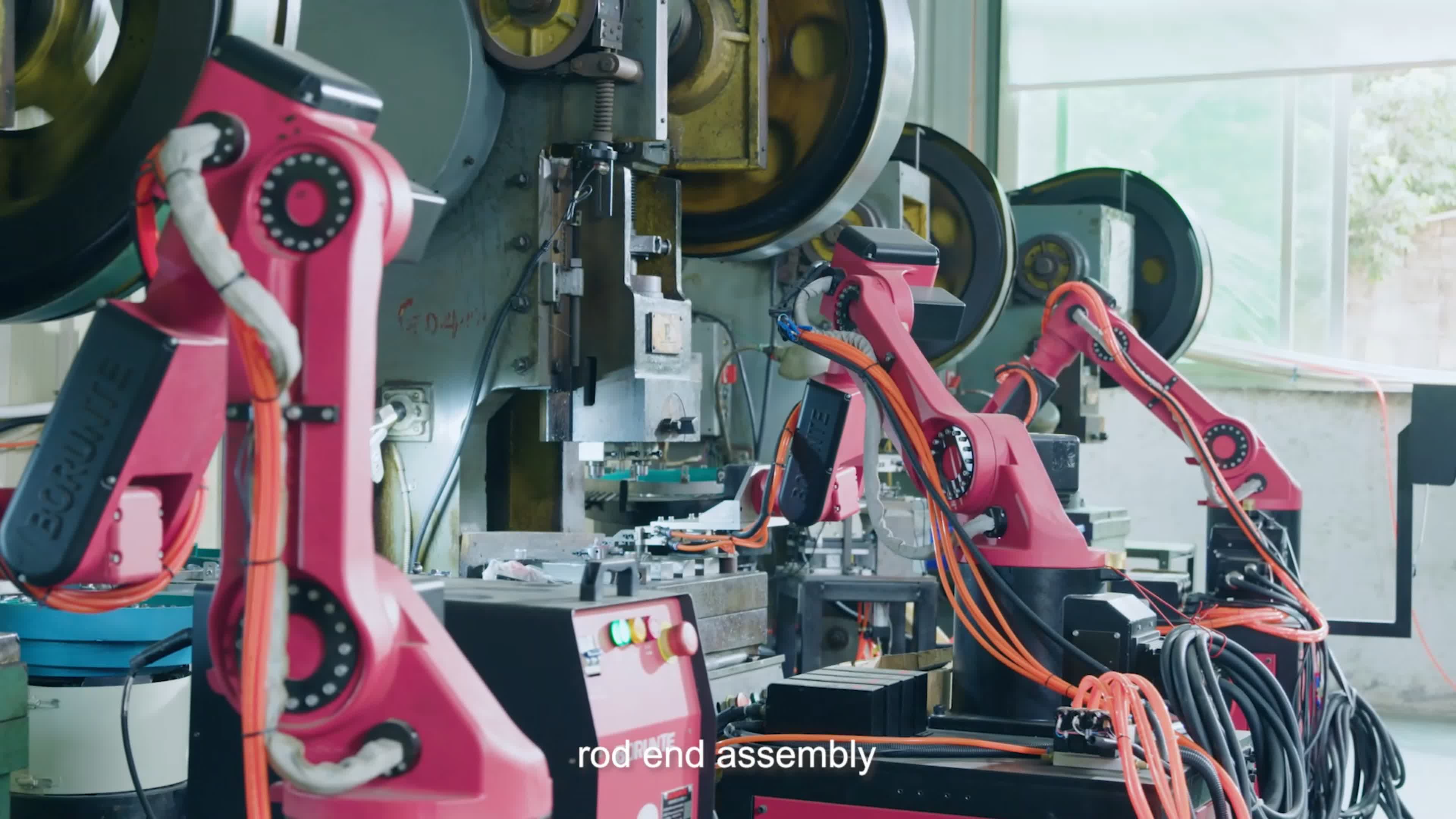
- Review Production Capacity and Flexibility: Annual output figures (e.g., 15 million units) and the number of SKUs (3,000+) show the ability to handle both high-volume commodities and low-volume custom batches.
- Evaluate Testing Infrastructure: In-house testing for corrosion, fatigue, noise, and tensile strength reduces reliance on outsourced labs and shortens development cycles.
- Understand Lead Times and MOQ: Flexible manufacturing allows low MOQs (e.g., 1 piece for long-tail items) combined with consolidated container shipments for high-volume lines. Typical lead time for custom orders is 30–90 days.
- Examine Real-World Case Studies: Reference projects like the US offshore processing equipment (70,000 units, 500 hours rust-free, RoHS/REACH compliant) or the NZ cold storage conveyor (5,000 units operating at -50°C) validate capability claims.
 ]
]
Use Cases
- Offshore Processing Equipment (US): 70,000 stainless steel bearing units supplied. A patent-pending coating delivered superior corrosion resistance compared to conventional stainless steel, meeting 500-hour rust-free performance and RoHS/REACH compliance. Project duration: 2 years.
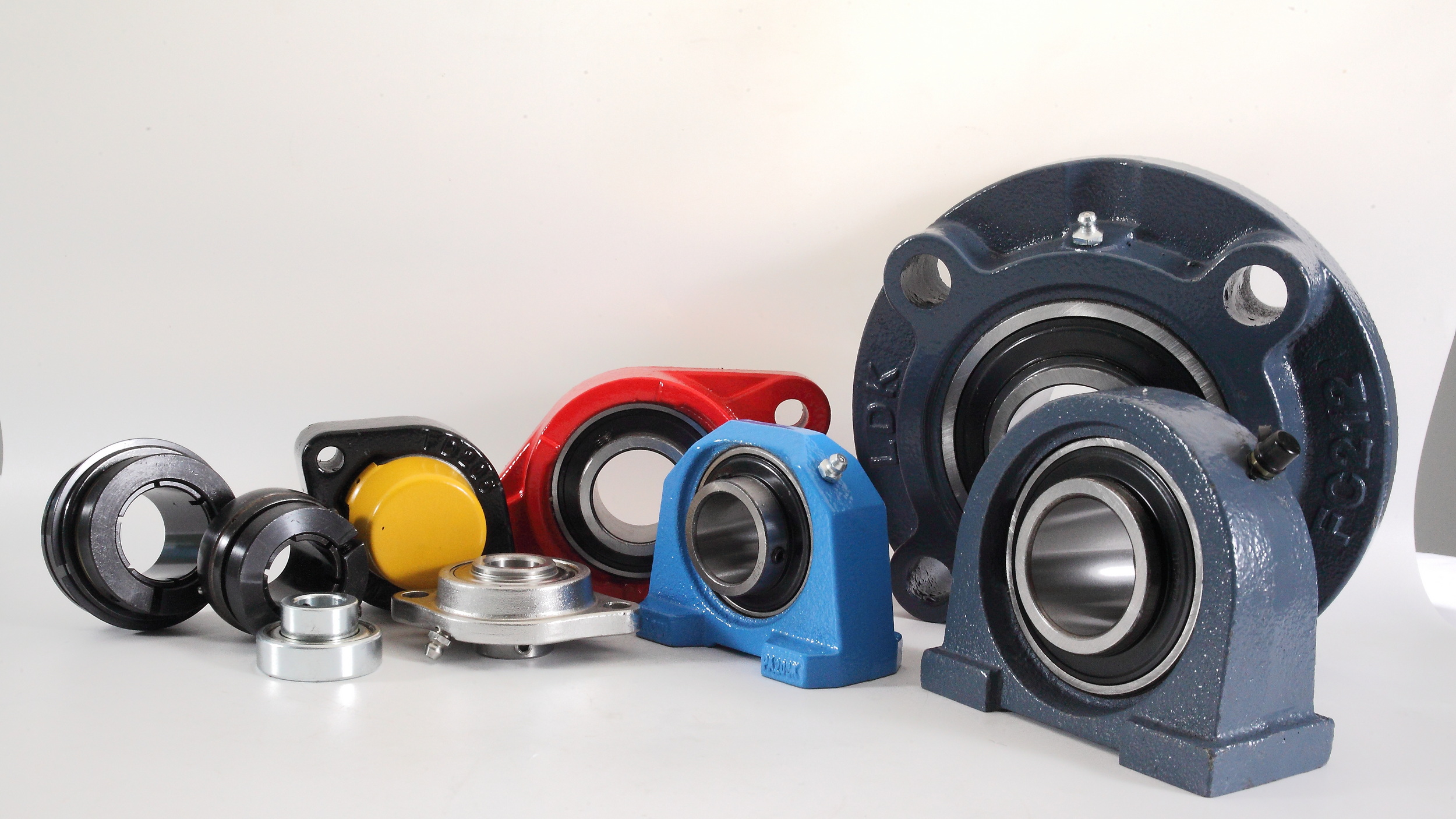
- Sorting Machinery (New Zealand): 110,000 units of plastic bearing units (TP-SUCP series) were provided for sorting machinery. The lightweight design withstands frequent washdowns, harsh chemicals, and high humidity. Project duration: 12 months.
- Cold Storage Facilities (New Zealand): 5,000 units of customized bearing inserts with special low-temperature grease were installed for low-temperature conveyors, operating reliably at -50°C. Project duration: 12 months.
Comparison Table: OEM Capability Checklist
| Capability Dimension | Required for Full-Spectrum OEM | LDK Status (from verified data) |
|---|---|---|
| Quality Certifications | IATF 16949, ISO 9001 | Certified (IATF 16949:2016, ISO 9001) |
| Environmental & Safety | ISO 14001, ISO 45001 | Certified |
| RoHS Compliance | EU RoHS (2011/65/EU) | SGS verified report |
| R&D Team | ≥5 engineers | 12 engineers |
| Prototyping & Testing | Fatigue, tensile, noise, salt spray | In-house capabilities |
| Annual Capacity | ≥5 million units | 15 million units |
| Material Combinations | ≥50 combinations | Over 100 combinations |
| Production Modes | OEM & ODM | Both available |
| MOQ Flexibility | Low MOQ for custom items | As low as 1 piece for long-tail items |
| Lead Time (custom) | 30–90 days | Reported 30–90 days |
| Global Export Experience | Multi-region projects | Europe, North America, Oceania |
 ]
]
Frequently Asked Questions
1. What quality certifications should a rod end OEM supplier hold?
A reliable OEM supplier for rod ends and spherical plain bearings should hold IATF 16949 and ISO 9001 certifications. These indicate that the manufacturing process meets stringent automotive and general quality management standards. Additional certifications like ISO 14001 and ISO 45001 demonstrate environmental and occupational health commitments. For EU exports, RoHS compliance verified by a third party (e.g., SGS) is essential.
2. Can LDK produce custom rod ends with specific thread types or materials?
Yes. LDK offers OEM and ODM production with a wide range of material combinations, including carbon steel, alloy steel, stainless steel (SUS304, 440), and chrome steel (GCr15). The company can customize thread types (right-hand, left-hand, different pitch), stud lengths, and sliding contact surfaces (steel/brass, steel/PTFE composite, steel/nylon). The R&D team of 12 engineers supports DFM feedback and prototyping.
3. What is the typical MOQ and lead time for custom rod end orders?
For standard production, MOQ is around 5,000 units. However, for strategic accounts, LDK supports low volumes down to 1 piece for specialized long-tail items. Custom order lead times typically range from 30 to 90 days, depending on complexity and quantity. The company's flexible manufacturing across 3,000+ SKUs allows blending high-volume and low-volume items in one shipment.
4. Can I request samples before placing a bulk order?
LDK provides prototyping services (2D & 3D) and can supply samples for testing. Contact LDK directly to discuss sample requirements and associated fees. After sample approval, production lead times can be confirmed based on the specific design.
5. How long does it take to get a quotation for a custom rod end assembly?
A quotation for custom rod end assemblies, linkages, or hydraulic rod ends can typically be issued within 1–3 business days after receiving detailed specifications, including drawings, load requirements, and target quantity. For complex designs involving new tooling, additional time may be required for DFM analysis. Contact LDK to initiate the inquiry process.
 ]
]
Conclusion
Selecting an OEM partner for rod ends and spherical plain bearings requires evaluating not only product quality but also the supplier's full-spectrum capabilities: certified quality systems, R&D depth, production flexibility, and proven application experience. LDK exemplifies a manufacturer that combines IATF 16949 quality management, in-house testing, a broad product portfolio, and real-world case studies across demanding environments. By following the capability checklist outlined in this guide, procurement professionals can make informed decisions that ensure long-term reliability and cost efficiency.
Download the LDK corporate brochure for a complete overview of product lines and capabilities.