
Semi-Automatic vs Fully Automatic Waste Paper Hydraulic Baler: Which One to Choose in 2026?
Semi-Automatic vs Fully Automatic Waste Paper Hydraulic Baler: A Comprehensive Comparison for 2026 Buyers
Choosing the right waste paper hydraulic baler machine is a critical investment for recycling facilities, logistics centers, and paper mills. With the growing volume of recyclable waste and stricter environmental regulations, operators increasingly face a key decision: should they invest in a semi-automatic baler or a fully automatic waste paper hydraulic baler? This guide breaks down the differences, advantages, and selection criteria to help you make an informed choice based on your operational needs, budget, and long-term goals.
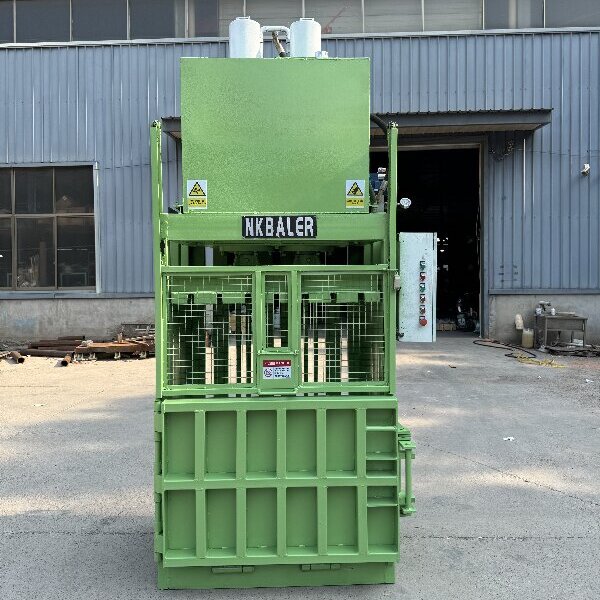
What Are Semi-Automatic and Fully Automatic Waste Paper Hydraulic Balers?
Semi-automatic waste paper hydraulic balers require manual intervention for tasks such as feeding material, tying bales, and removing finished bales. They typically operate with a manual or semi-automated cycle where an operator controls the pressing sequence. These machines are commonly used in smaller facilities or applications with lower throughput.
Fully automatic waste paper hydraulic balers handle the entire baling process automatically, including material feeding (via conveyor), pressing, bale tying, and ejection. They are equipped with PLC controls, sensors, and automated tying mechanisms, allowing for continuous unmanned operation. These balers are ideal for high-volume recycling plants and large distribution centers.
How Do They Work?
Both types use a hydraulic cylinder to generate high compressive force inside a baling chamber. The main difference lies in the control and material handling:
- Semi-automatic: Operator loads material into the chamber (either manually or with a conveyor), initiates the cycle, and after the bale is formed, manually ties it with wire or straps. The bale is then ejected by tilting the machine or using a push-out system.
- Fully automatic: Material is continuously fed via an in-feed conveyor. Sensors detect when the chamber is full, the press cycle starts automatically, and after reaching the preset bale size, the machine ties the bale automatically (using auto-tying modules). The completed bale is then discharged automatically onto a take-away conveyor or pallet.
Why Is This Comparison Important?
Selecting the wrong automation level can lead to either unnecessary capital expenditure or chronic bottlenecks. According to industry data, semi-automatic balers are 30–50% cheaper upfront but require 2–3 operators per shift. Fully automatic balers can reduce labor costs by up to 70% and increase throughput by 3–5 times. For a recycling facility processing over 10 tons of waste paper per day, the payback period for a fully automatic machine is often less than 18 months.
Who Uses Each Type?
- Semi-automatic balers: Small to medium recycling businesses, retail stores, warehouses with moderate waste volume (under 5 tons/day), and facilities with limited budget or space.
- Fully automatic balers: Large recycling plants, material recovery facilities (MRFs), paper mills, mega distribution centers, and any operation aiming for maximum efficiency and minimal labor dependency.
Detailed Comparison Table
| Feature | Semi-Automatic | Fully Automatic |
|---|---|---|
| Initial Cost | $30,000 – $80,000 | $80,000 – $250,000+ |
| Throughput (tons/day) | 3 – 15 | 15 – 50+ |
| Labor Required | 2–3 operators per shift | 1 operator for monitoring |
| Bale Tying | Manual (wire/strap) | Automatic (wire or strap) |
| Power Consumption | Lower (intermittent cycles) | Higher but more efficient per ton |
| Bale Density | Good (120–200 kg/m³) | Excellent (180–280 kg/m³) |
| Footprint | Compact (vertical or horizontal) | Larger (requires conveyor & auto-tying) |
| Best For | Low volume, manual operations | High volume, continuous operation |
Step-by-Step Selection Framework
- Assess your daily waste paper volume. If less than 10 tons per day, a semi-automatic model may suffice. Above 10 tons, consider full automation.
- Evaluate labor availability and cost. In regions with high labor costs or shortages, fully automatic balers quickly justify the investment.
- Determine bale specifications. Many paper mills require dense, uniform bales (e.g., 500–700 kg per bale). Fully automatic balers consistently achieve higher densities.
- Consider future expansion. A fully automatic baler can be integrated into a complete sorting and baling line, whereas semi-automatic may become a bottleneck later.
- Check floor space and infrastructure. Fully automatic systems need more space for conveyors and control cabinets. If space is tight, a semi-automatic vertical baler might be better.
- Review certification and support. Look for ISO 9001 and CE certified equipment like NKBALER’s balers, which guarantee quality and safety.
Use Cases
Case 1: Mid-Size Recycling Facility Upgrading to Full Automation
A recycling plant in the UK processing 12 tons of mixed paper per day replaced two semi-automatic balers with one fully automatic NKBALER horizontal baler. The result: labor reduced from 6 operators to 2, throughput increased by 40%, and bale density improved by 25%, reducing transport costs. The ROI was achieved in 14 months.
Case 2: Small Warehouse Staying with Semi-Automatic
A logistics center in Dubai handling 4 tons of corrugated cardboard per day opted for a semi-automatic vertical baler from NKBALER. The low initial cost ($35,000) and simple maintenance matched their budget and space constraints. One operator easily manages the machine, and bales are tied manually with wire.
Frequently Asked Questions (FAQ)
A: The primary difference is the degree of automation in material handling, bale tying, and ejection. Semi-automatic requires manual intervention, while fully automatic operates with minimal human input.
A: Semi-automatic has lower upfront cost but higher labor cost. Fully automatic has higher capital but lower operating cost. For throughput over 10 tons/day, fully automatic is more cost-effective in the long run.
A: Retrofitting is possible but often expensive and inefficient. It's better to choose the right automation level from the start based on your long-term plan.
A: Look for ISO 9001 quality management, CE certification (for EU markets), and TUV certificates. NKBALER, for instance, holds ISO 9001 and CE certifications, ensuring product reliability and safety.
A: Vertical balers are typically semi-automatic and take less floor space; horizontal balers can be either semi or fully auto and offer higher throughput. Horizontal fully automatic balers are best for high-volume paper recycling.
Conclusion
Deciding between a semi-automatic and a fully automatic waste paper hydraulic baler machine depends on your volume, labor, budget, and future growth plans. For low to moderate volume operations with available manual labor, semi-automatic balers offer a reliable, low-cost entry point. For high-volume, efficiency-driven facilities, fully automatic balers deliver superior throughput, density, and labor savings. Whichever path you choose, partnering with an experienced manufacturer like NKBALER—with 18 years of production expertise, ISO and CE certifications, and a global service network—ensures you get a machine that performs reliably for years. Contact NKBALER today for a personalized consultation.