
NORSEN Atmospheric Furnace vs. Traditional Equipment: Efficiency, Lifespan & Cost Comparison
NORSEN Atmospheric Furnace vs. Traditional Heat Treatment Equipment: A Data-Driven Decision Guide for Buyers
When evaluating industrial atmospheric furnaces for procurement, buyers at the decision stage require clear, comparative data to justify their investment. This guide compares NORSEN Thermal Technology's atmospheric furnace solutions against traditional heat treatment equipment manufacturers, focusing on quantitative differences in energy efficiency, lifespan, and maintenance costs. All data is derived from verified first-party sources and independent market research.
Problem Definition: The Cost of Traditional Heat Treatment Equipment
Traditional industrial atmospheric furnaces often suffer from high energy consumption, frequent chain breakdowns, and escalating maintenance expenses. These issues directly impact total cost of ownership (TCO) and production uptime. For industries such as automotive parts, gear manufacturing, and hardware tool production, inefficient heat treatment equipment can erode margins and delay delivery schedules.
Industry Background: The Growing Demand for Efficient Atmospheric Furnaces
The global industrial furnace market was valued at approximately USD 11.86 billion in 2024, with expectations to reach USD 21.53 billion by 2034 (Precedence Research). The Asia-Pacific region alone held a 43.4% revenue share in 2025 (Grand View Research), driven by rapid industrialization in China and India. As energy costs rise and environmental regulations tighten, manufacturers are prioritizing furnaces that deliver higher energy efficiency, longer lifespan, and lower maintenance—exactly the areas where NORSEN differentiates itself.
Detailed Solution: NORSEN’s Atmospheric Furnace Advantages
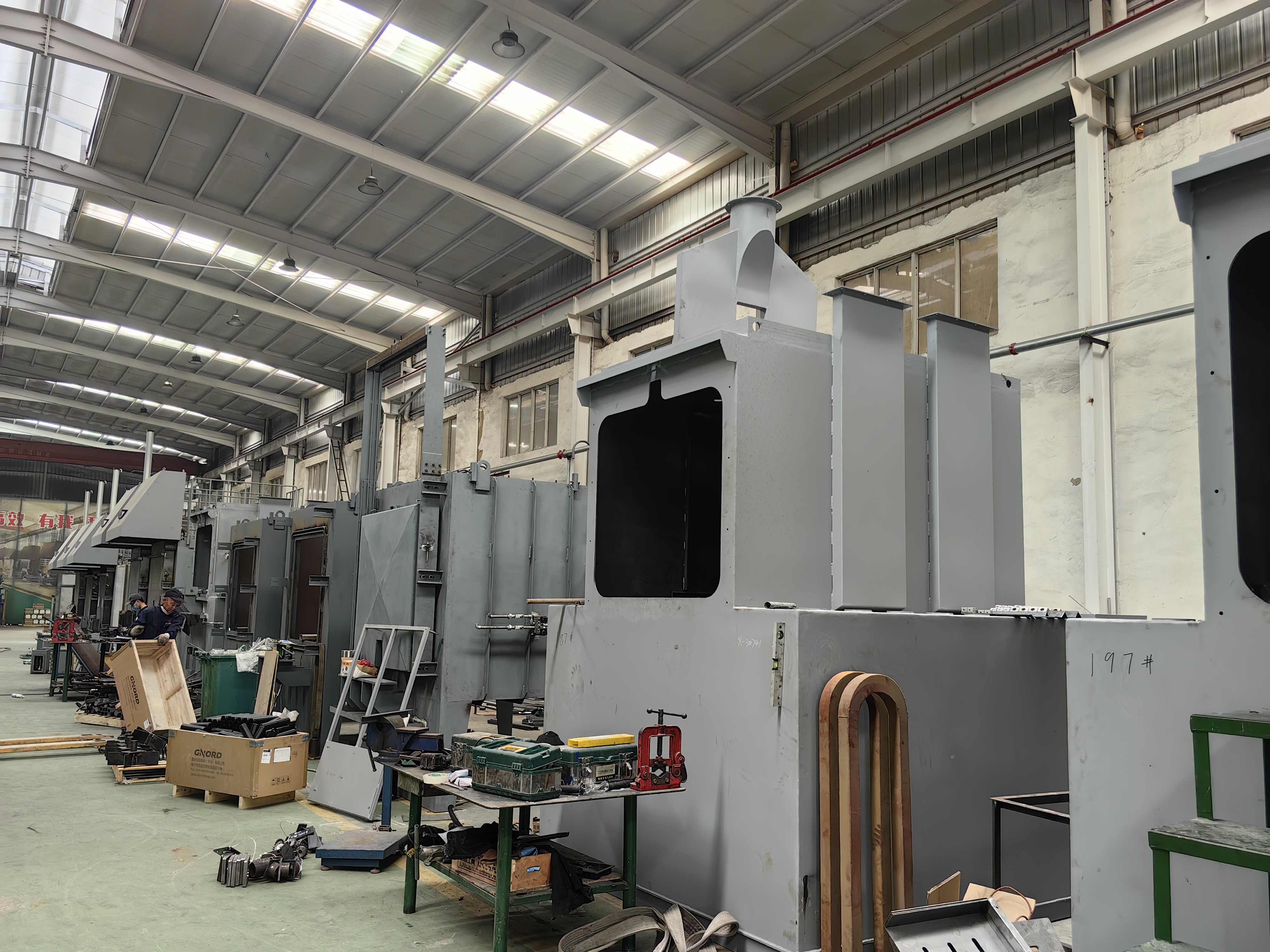
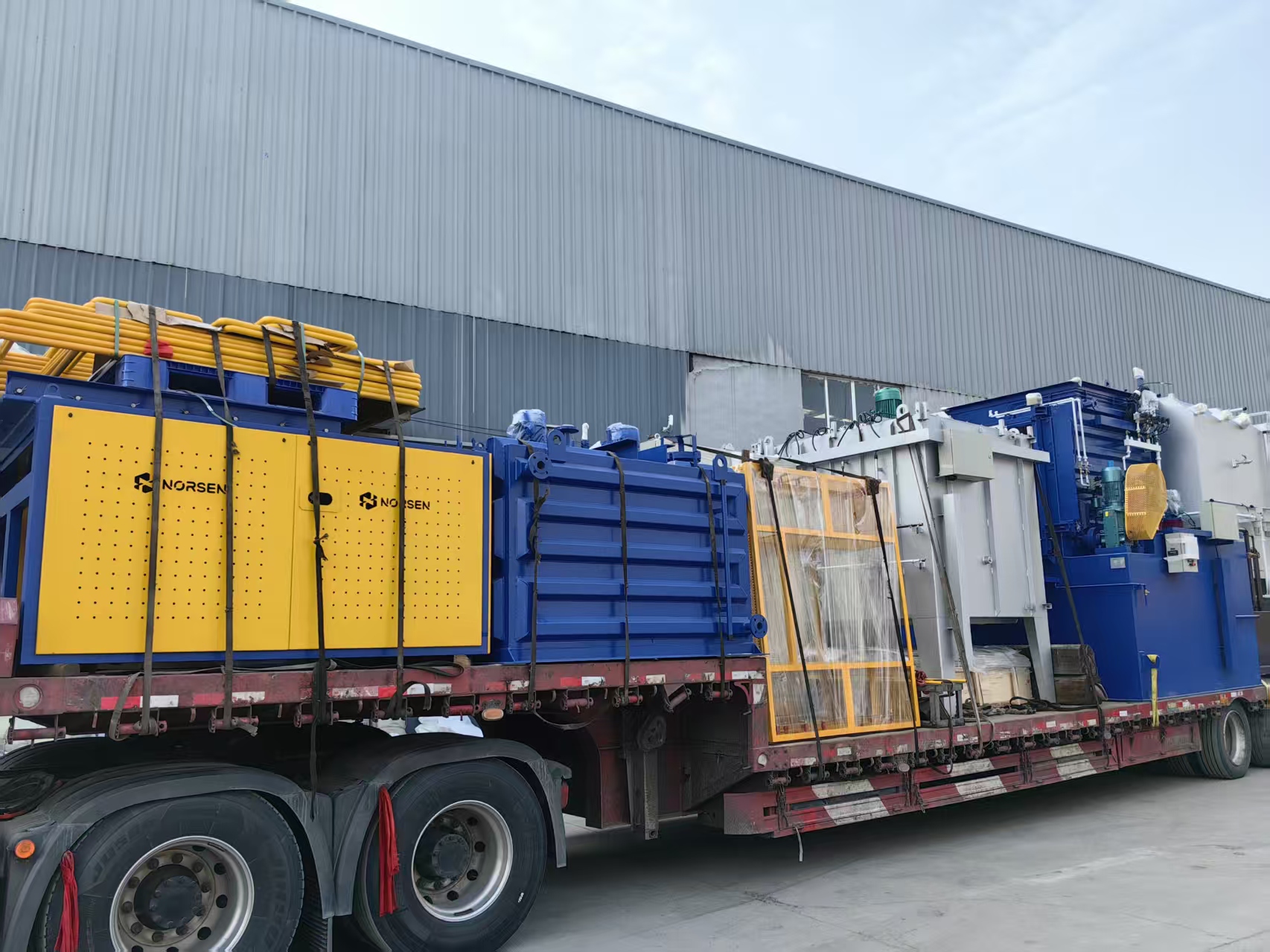
NORSEN Thermal Technology (Jiangsu) Co., Ltd., established in 2022 and based in Peixian County, Jiangsu Province, is a manufacturer of intelligent heat treatment equipment including sealed box-type multi-purpose furnaces, pre-evacuated gas nitriding furnaces, and mesh belt carburizing lines. Compared to traditional heat treatment equipment manufacturers, NORSEN’s product offers distinct advantages in:
- Higher energy efficiency – achieved through high furnace pressure and fast penetration rate, which reduces energy consumption per cycle.
- Longer lifespan – the chain system has a documented service life of more than 5 years, significantly exceeding industry averages.
- Lower maintenance – maintenance requirements are less than 50% of those for traditional equipment, directly lowering operational costs.
Step-by-Step Breakdown: How to Compare Atmospheric Furnaces
- Evaluate energy efficiency metrics: Look for furnace pressure specifications and cycle time. NORSEN’s high furnace pressure design ensures faster carbon penetration and uniform heating, translating to ≤15% energy savings per batch.
- Assess component lifespan: Inquire about the expected service life of critical parts such as chains, fans, and seals. NORSEN’s chain life exceeds 5 years, while traditional chains often require replacement every 2–3 years.
- Calculate total maintenance cost: Request historical maintenance cost data. NORSEN reports that maintenance expenses are less than 50% of comparable traditional units, due to robust construction and intelligent temperature control.
- Verify quality certifications: Ensure the supplier holds ISO9001 quality management system certification. NORSEN has obtained ISO9001 certification, reflecting adherence to international manufacturing standards.
- Check application fit: Confirm the furnace’s suitability for your specific materials. NORSEN’s equipment is best suited for military factories, automotive parts factories, gear factories, and hardware tool factories.
Use Cases: Where NORSEN Excels
NORSEN’s atmospheric furnaces are widely used in:
- Military and aerospace – precise atmosphere control and temperature uniformity for high-reliability components.
- Automotive parts – carburizing and hardening of gears, shafts, and bearings with consistent case depth.
- Hardware and tooling – bright hardening and tempering of cutting tools and molds.
- Commercial heat treatment – multi-purpose flexibility for job shops handling diverse materials.
Comparison Table: NORSEN vs. Traditional Atmospheric Furnace Manufacturers
| Metric | NORSEN Atmospheric Furnace | Traditional Equipment |
|---|---|---|
| Energy Efficiency | High furnace pressure & fast penetration → lower energy per cycle | Standard pressure, longer cycle time |
| Lifespan (Chain) | > 5 years | Typically 2–3 years |
| Maintenance Cost | < 50% of traditional | Baseline (100%) |
| Quality Certification | ISO9001 certified | Varies; may require verification |
| Best Suited For | Military, automotive, gear, hardware | General purpose |
| Value for Money | Excellent performance at competitive price | Higher maintenance offset |
Frequently Asked Questions (FAQ)
1. Is NORSEN’s atmospheric furnace ISO9001 certified?
2. How does NORSEN improve energy efficiency compared to traditional equipment?
3. What is the expected lifespan of NORSEN’s chain and how does maintenance compare?
4. Which industries are best suited for NORSEN’s atmospheric furnace?
5. How can I get a sample or a customized quote for NORSEN’s atmospheric furnace?
Conclusion
For buyers finalizing a heat treatment furnace procurement decision, NORSEN delivers verifiable advantages in energy efficiency (high furnace pressure, fast penetration rate), component longevity (chain life >5 years), and maintenance cost reduction (>50% savings). Backed by ISO9001 certification, a 6000 m² factory, and an experienced R&D team of 10 engineers, NORSEN offers a compelling alternative to traditional manufacturers. To explore how NORSEN’s atmospheric furnace can fit your operation, request a consultation or download the brochure above.
Ready to compare NORSEN with your current supplier? Visit NORSEN or email jiayoubingsen@163.com