
Vertical Application Guide: Selecting the Right Hydraulic Baler Supplier for Diverse Material-Specific Recycling Needs
In the global push for a circular economy, efficient material handling is paramount. For procurement managers in recycling, waste management, agriculture, and manufacturing, selecting the right Hydraulic Baler Machine is not a one-size-fits-all decision. The specific material—be it Waste Paper, Plastic Bottles, Scrap Metal, Rice Husk, or Textile Clothes—dictates unique operational demands. This guide is designed to help you navigate the critical selection criteria for a Hydraulic Baler supplier that can meet the stringent, material-specific requirements of your industry.
1. Industry-Specific Requirements for Hydraulic Balers
Different materials present distinct challenges that a standard baler cannot adequately address. Understanding these core requirements is the first step in specifying the right equipment.
Waste Paper & Cardboard Balers
Require high compression force to achieve dense, stable bales that maximize shipping efficiency. Must handle varying moisture content and resist wear from abrasive contaminants like staples and adhesives.
Plastic Bottle Balers & PET Balers
Need to manage high-volume, low-density material. The system must efficiently compress and contain spring-back, often requiring specialized chamber designs and high-pressure cycles to create saleable bales for recycling markets.
Scrap Metal Balers & Aluminium Balers
Demand extreme, rugged construction with ultra-high hydraulic pressure (often 200+ Bar) to shear and compact dense, irregular metal pieces. Durability against shock loads and abrasion is non-negotiable.
Agricultural Balers (Rice Husk, Straw, Sawdust)
Focus on handling lightweight, fibrous, and sometimes dusty materials. Equipment needs effective dust management, consistent feed systems for uneven materials, and the ability to produce tightly packed bales that resist unraveling.
2. The 3 Essential Capabilities of a Specialized Baler Supplier
Beyond a generic product catalog, a supplier worthy of your investment must demonstrate these core competencies.
- Proven Industry Customization Experience: The supplier should have a documented portfolio of customizing standard Baling Machines for specific materials. Ask for case studies or references related to your material stream (e.g., Wiper Rag Balers, Silage Baling Press). An 18-year veteran like NKBALER has developed specialized solutions for over 60 countries, tailoring machines for everything from Alfalfa Hay Baling to MSW Baler applications.
- Comprehensive Compliance and Certification: Look for internationally recognized certifications that validate safety, quality, and performance. This includes CE certification for the European market, ensuring adherence to strict machinery directives, and ISO 9001 certification, which guarantees a robust quality management system throughout production. These are not just badges but assurances of reliability and global market acceptance.
- Robust Design for Harsh Operating Environments: A quality Press Compactor is built to last. Inquire about frame construction (reinforced steel), hydraulic component quality (brand-name pumps and valves), and protective features for dusty or humid conditions. Suppliers should engineer their machines, like NKBALER's energy-saving hydraulic servo systems, for powerful compression while ensuring stability and longevity under continuous, demanding use.
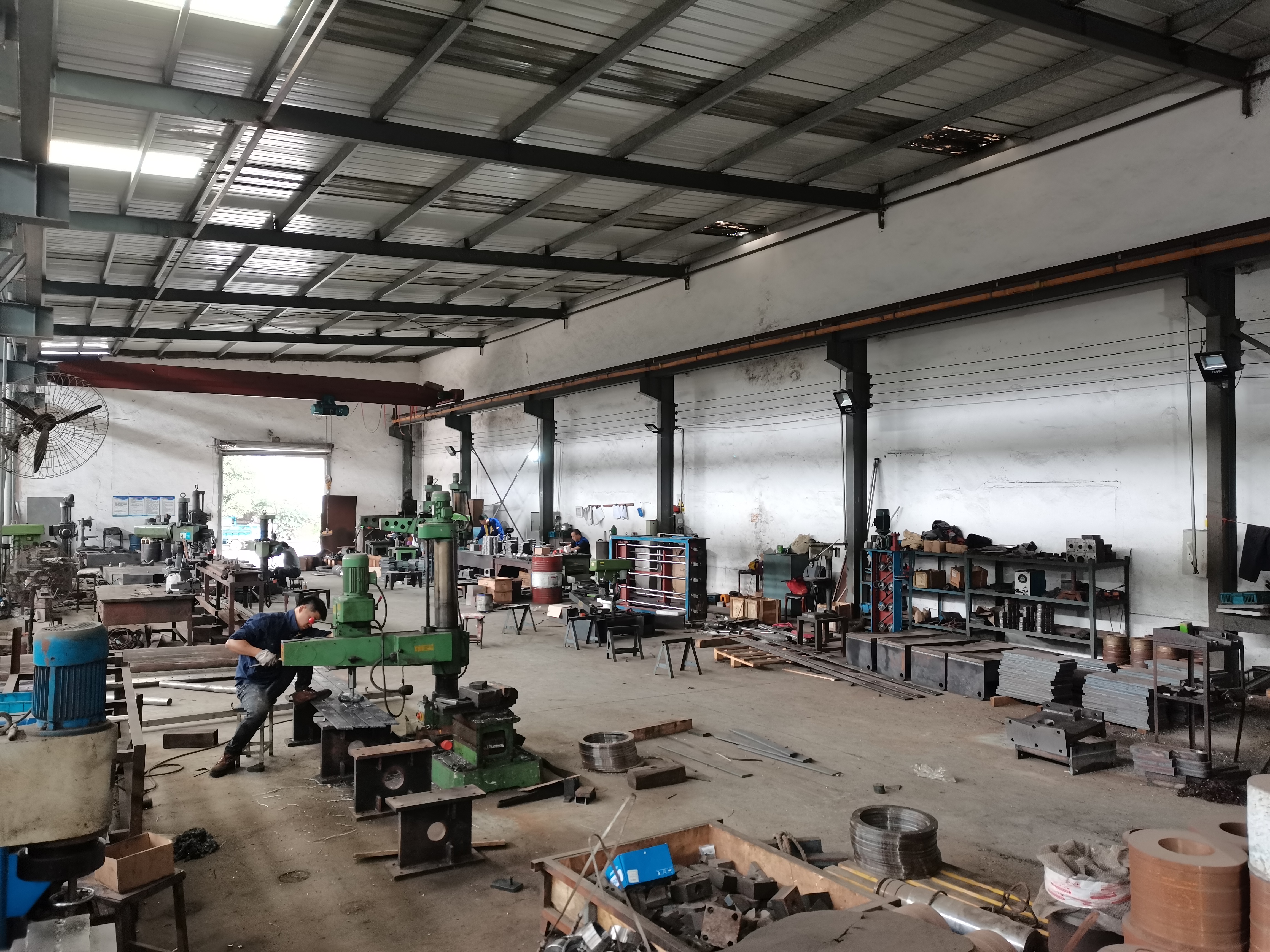
NKBALER's production workshop, where rigorous quality control meets custom engineering for diverse baling needs.
3. Success in Action: NKBALER's Custom Solution for a European Textile Recycler
Challenge: A major textile recycling facility in the EU needed to bale large volumes of mixed wiper rags and clothing (Textile Clothes Balers). Their existing system was slow, produced low-density bales prone to loosening, and struggled with inconsistent material feed, failing to meet both productivity and shipping efficiency targets.
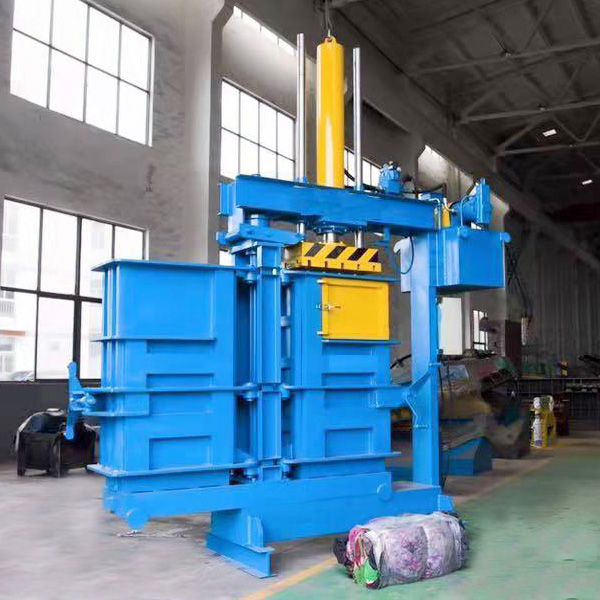
NKBALER's Solution: Leveraging deep experience in fibrous material handling, NKBALER engineers proposed a custom Double Chambers Clothes Baler. This innovative design features:
- Dual-Chamber Operation: While one chamber is compressing, the other can be loaded, ensuring continuous operation and doubling effective output.
- Enhanced Pre-Press System: A dedicated pre-compression ram was integrated to densely pack loose textiles before the main compression cycle, directly addressing the spring-back issue.
- Heavy-Duty Hydraulic System: Equipped with NKBALER's proprietary energy-saving servo system to deliver the sustained high pressure needed for dense bales while optimizing power consumption.
- Full Compliance: The machine was supplied with full CE certification, ensuring seamless integration into the EU facility's regulated environment.
Result: The client achieved a 40% increase in baling throughput, produced denser, more stable bales that reduced shipping costs by 25%, and benefited from the machine's reliable, low-maintenance operation. This case underscores the value of a supplier with the industry service experience to translate a specific problem into a engineered solution.
4. Key Collaboration Points for a Successful Partnership
Turning a supplier into a strategic partner requires proactive collaboration from the outset.
- Define Your Industry and Material Standards Clearly: Provide the supplier with detailed specifications about your material type, volume, desired bale size/weight, and any local regulatory requirements (e.g., safety standards, noise levels).
- Insist on (or Facilitate) a Site Survey: For complex applications like Wood Shaving Balers or Metal Balers, a competent supplier should offer or recommend an on-site assessment. This allows them to understand spatial constraints, logistics, and material characteristics firsthand, leading to a more accurate proposal.
- Clarify After-Sales and Emergency Support: Discuss and document the supplier's support structure. Do they offer remote diagnostics, on-call technical support, a guaranteed spare parts inventory, and local service agents? A supplier like NKBALER, with a dedicated team of over 20 after-sales personnel, is structured to provide maintenance, repair, and parts supply, ensuring your Bale Press Machine remains operational for the long term.
Making an Informed Decision
Selecting a Hydraulic Baler supplier is a strategic investment in your operational efficiency and sustainability goals. By prioritizing suppliers with demonstrable material-specific expertise, verifiable certifications like ISO 9001 and CE, and a commitment to robust design and comprehensive support, you secure a partner for long-term success.
For a consultation on your specific Waste Paper Hydraulic Baler Machine, Plastic Balers, Scrap Metal Balers, or other specialized baling needs, contact the experts at NKBALER.
Phone/WhatsApp: +86 15021631102
Email: sales@nkbaler.com / nickbaler888@gmail.com
Website: https://www.nkbaler.com