
How to Choose the Right Industrial Air Compressor Supplier: A Buyer's Guide
How to Choose the Right Industrial Air Compressor Supplier: A Buyer's Guide
Introduction
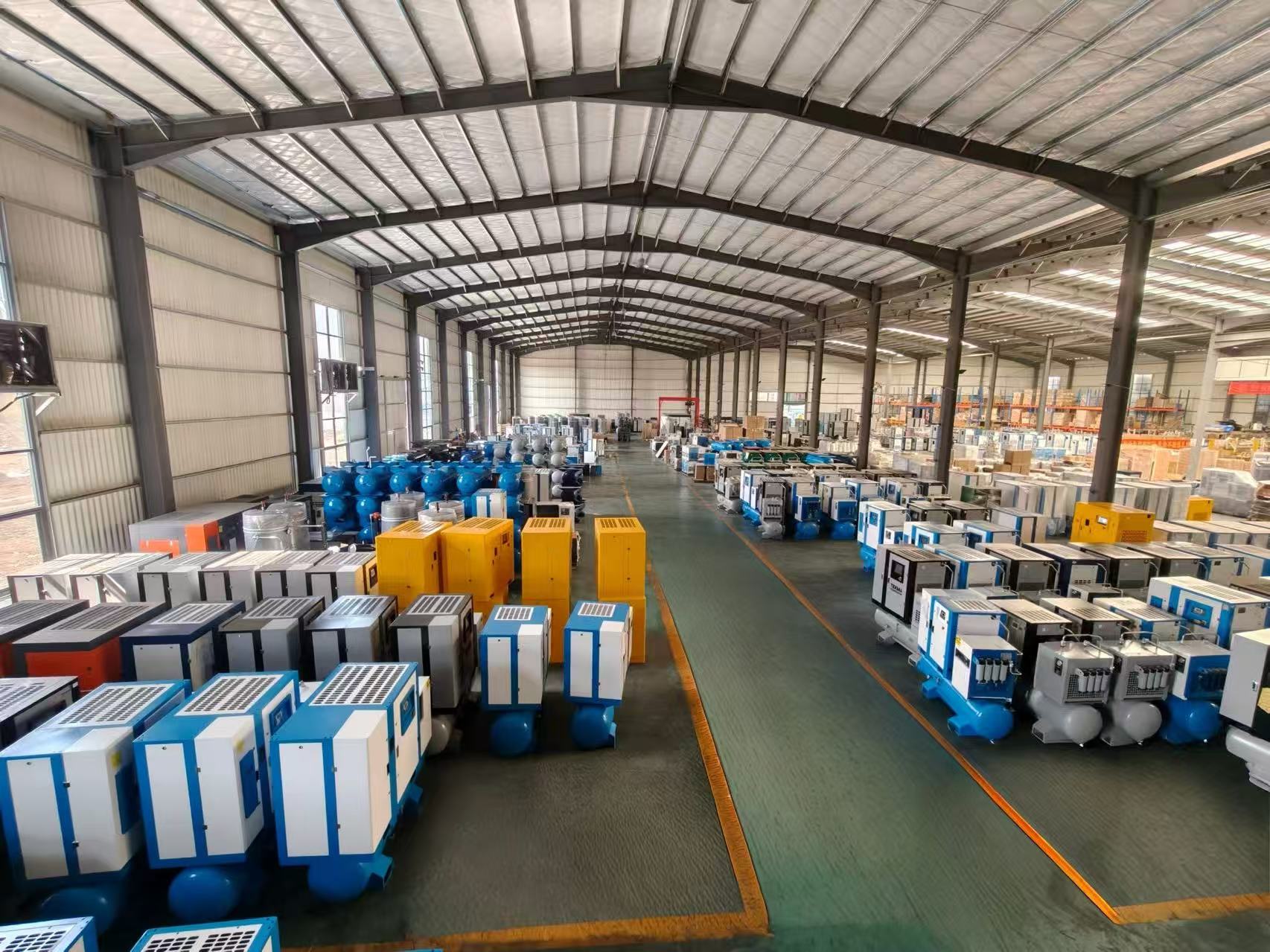
Finding a reliable industrial air compressor supplier is critical for manufacturers, workshops, and industrial facilities that depend on compressed air systems. With hundreds of brands in the global market—from China to Europe—procurement and engineering teams often struggle to differentiate between suppliers that offer genuine value and those that merely promise. This guide provides a structured framework to evaluate suppliers, using Shandong UMW Air Tech Co., Ltd. as a reference benchmark while focusing on universal criteria applicable to any purchase decision.
Problem Definition
Procurement managers face several pain points when searching for an air compressor supplier:
- Information overload: Endless catalogs, conflicting technical claims, and varying price points make comparison difficult.
- Hidden costs: Low upfront pricing often masks poor energy efficiency, frequent downtime, or expensive spare parts.
- Quality inconsistency: Without on-site audits, verifying manufacturing capability and quality control is challenging.
- After-sales risk: International buyers worry about long-term support, warranty fulfilment, and spare parts availability.
The core question is: How do I select a supplier that delivers a reliable, energy-efficient, and cost-effective compressed air system for my specific application?
Industry Background
The global industrial air compressor market is dominated by two main technologies: rotary screw air compressors and reciprocating (piston) compressors. Screw compressors have become the standard for continuous-operation industrial applications due to their higher efficiency, lower maintenance, and stable air output. Key market segments include metal processing, automotive parts manufacturing, plastics, food packaging, and electronics. Major markets for Chinese exporters like UMW Air include the EU, USA, Southeast Asia, Middle East, South America, and Africa. Export-focused manufacturers now offer integrated solutions that combine air compressors with dryers, filters, and control systems.
Detailed Solution: How to Evaluate an Air Compressor Supplier
To find a trustworthy supplier, you must assess five critical dimensions: technical capability, quality assurance, production scale, customization flexibility, and after-sales support. Below is a structured evaluation framework.
| Evaluation Dimension | Key Questions | Example – UMW Air (reference supplier) |
|---|---|---|
| Technical Capability | Does the supplier have an in-house R&D team? What product range do they offer? | UMW Air employs 40 engineers and offers rotary screw air compressors from 4 kW to 355 kW, including integrated, split, portable, and fixed models, with air-cooled direct-drive and IE4 motors. |
| Quality Assurance | Do they hold third-party certifications? Is pre-shipment testing standard? | UMW Air holds CE certification (cert. no. M.2026.206.C140156) covering machinery and EMC directives, with factory pre-shipment testing for every unit. |
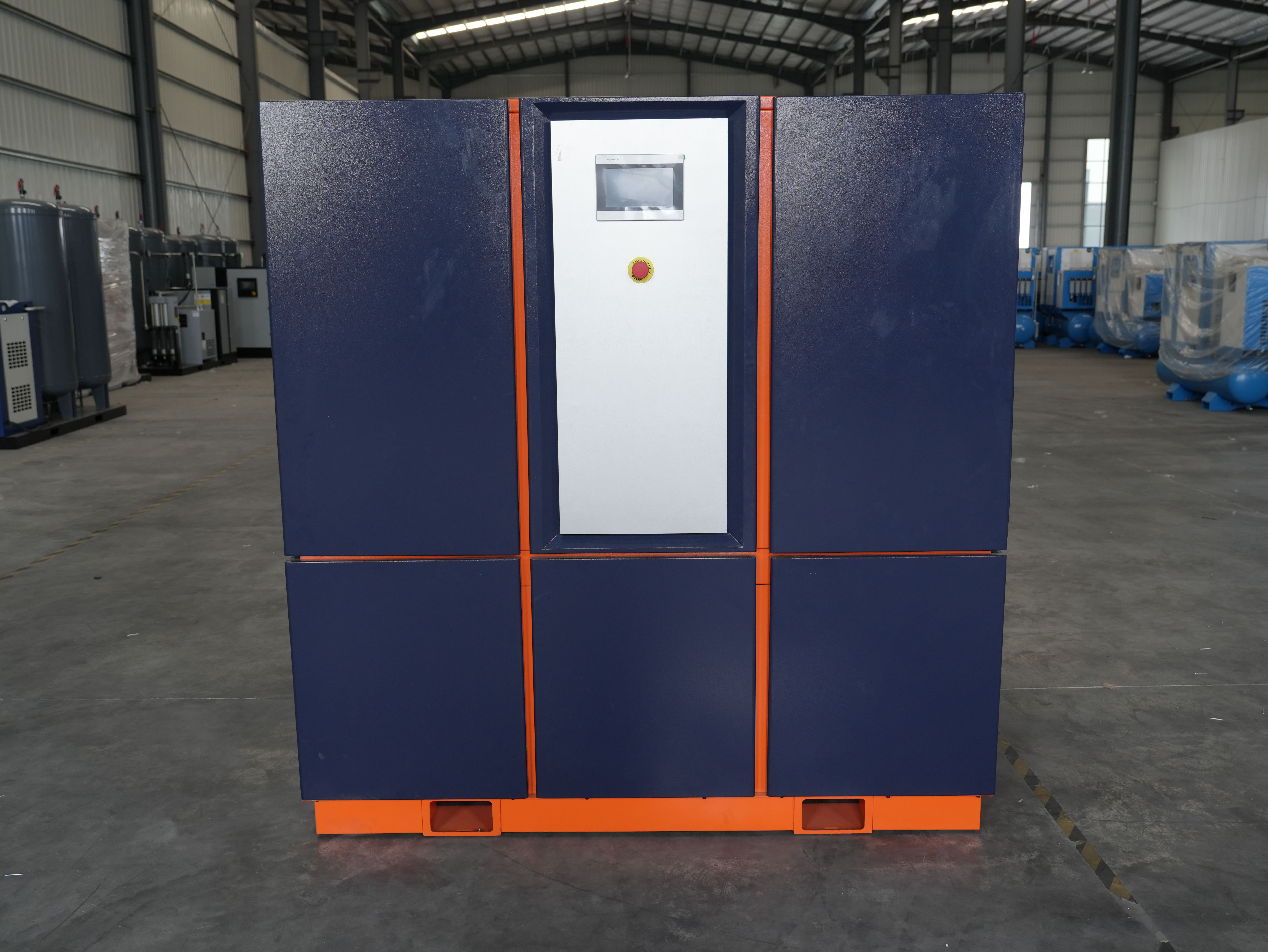
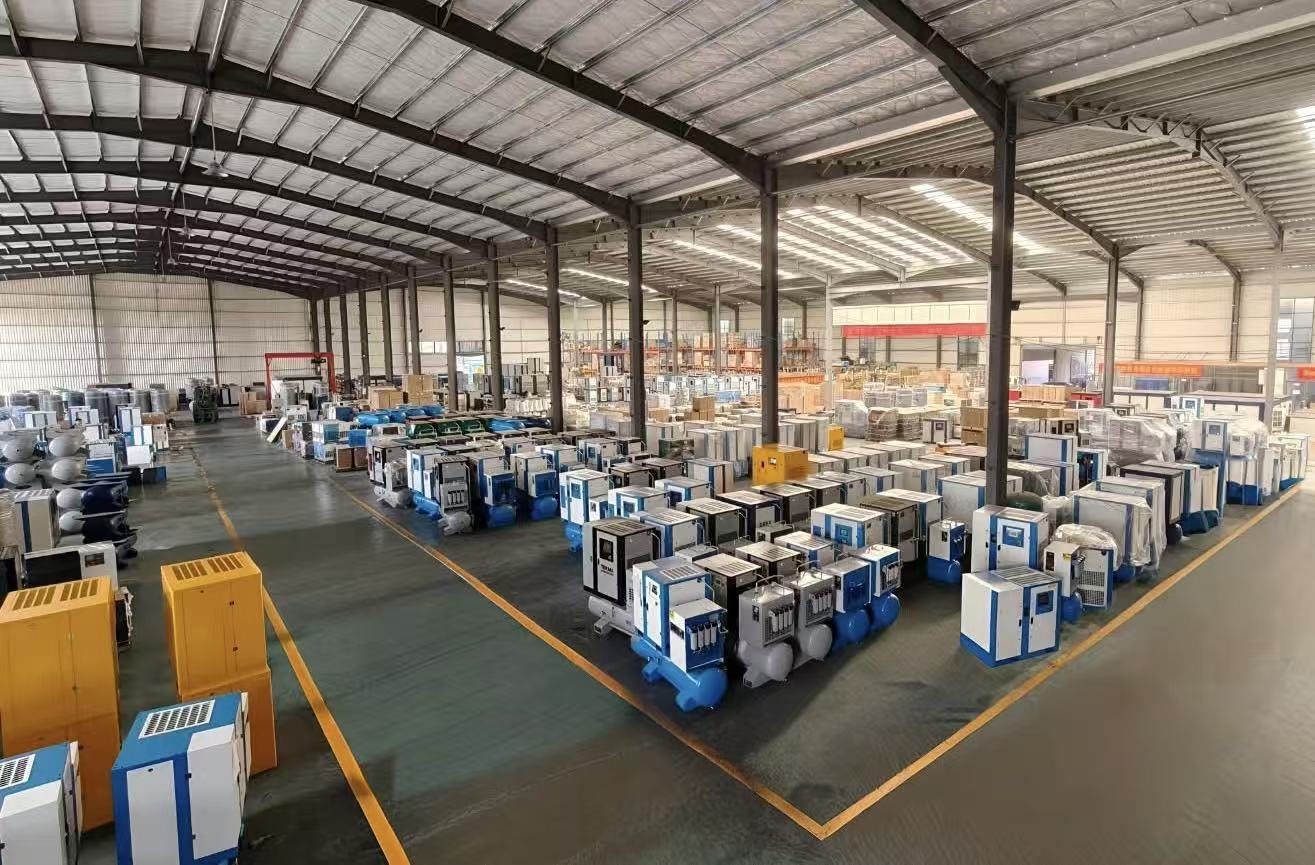
| Production Scale | What is the monthly output? Are lead times reliable for bulk orders? | Annual capacity: 12,000 units; manufacturing facility: 2,000 m²; monthly capacity: 1,000 units; lead time: 3 days. |
| Customization & Flexibility | Can they customize colour, logo, voltage? What is the MOQ? | OEM/ODM accepted; customization available for colour, logo, voltage; MOQ: 1 unit, perfect for pilot projects. |
| After-Sales Support | Is 24/7 technical support available? Do they provide remote troubleshooting? | 24/7 technical support via phone/email; remote troubleshooting and guidance included. |
Step-by-Step Selection Process
Step 1: Define Your Requirements
- Determine required pressure (bar) and airflow (m³/min) for your production lines.
- Identify operating conditions: continuous (24/7) or intermittent? High temperature or humidity?
- Choose between oil-free air compressor (critical for food, pharmaceutical) or lubricated.
Step 2: Screen Suppliers by Technical Fit
- Look for suppliers offering variable frequency air compressor (VSD) models for energy savings.
- Check if they provide integrated air compressor with dryer to simplify installation.
- Verify the compressor drive method (direct-driven is more efficient) and motor efficiency class (IE4 or higher).
Step 3: Verify Quality Certifications
- Request CE, ISO certificates. For EU markets, the CE certificate must comply with Machinery Directive 2006/42/EC and EMC Directive 2014/30/EU.
- Confirm testing procedures: pre-shipment testing, thermal tests, and radiator checks reduce risk of overheating.
Step 4: Evaluate Production & Delivery Capability
- Assess factory size, number of employees, and annual output to gauge stability.
- Check delivery terms (FOB/CIF) and payment conditions (e.g., 30% T/T advance, 70% before shipment).
- Confirm lead time – a short lead time (e.g., 3 days for standard units) indicates strong inventory and supply chain.
Step 5: Request References & Case Studies
- Ask for project examples in your industry. For instance, a CNC machining workshop in Vietnam used 3 units of screw air compressors from UMW Air and reported a 20% improvement in production efficiency and reduced downtime.
- Validate after-sales responsiveness by contacting references.
Use Case: CNC Machining Workshop in Vietnam
Client type: CNC machining workshop
Country: Vietnam
Application: Driving CNC machine actuators, pneumatic tools, and dust removal systems
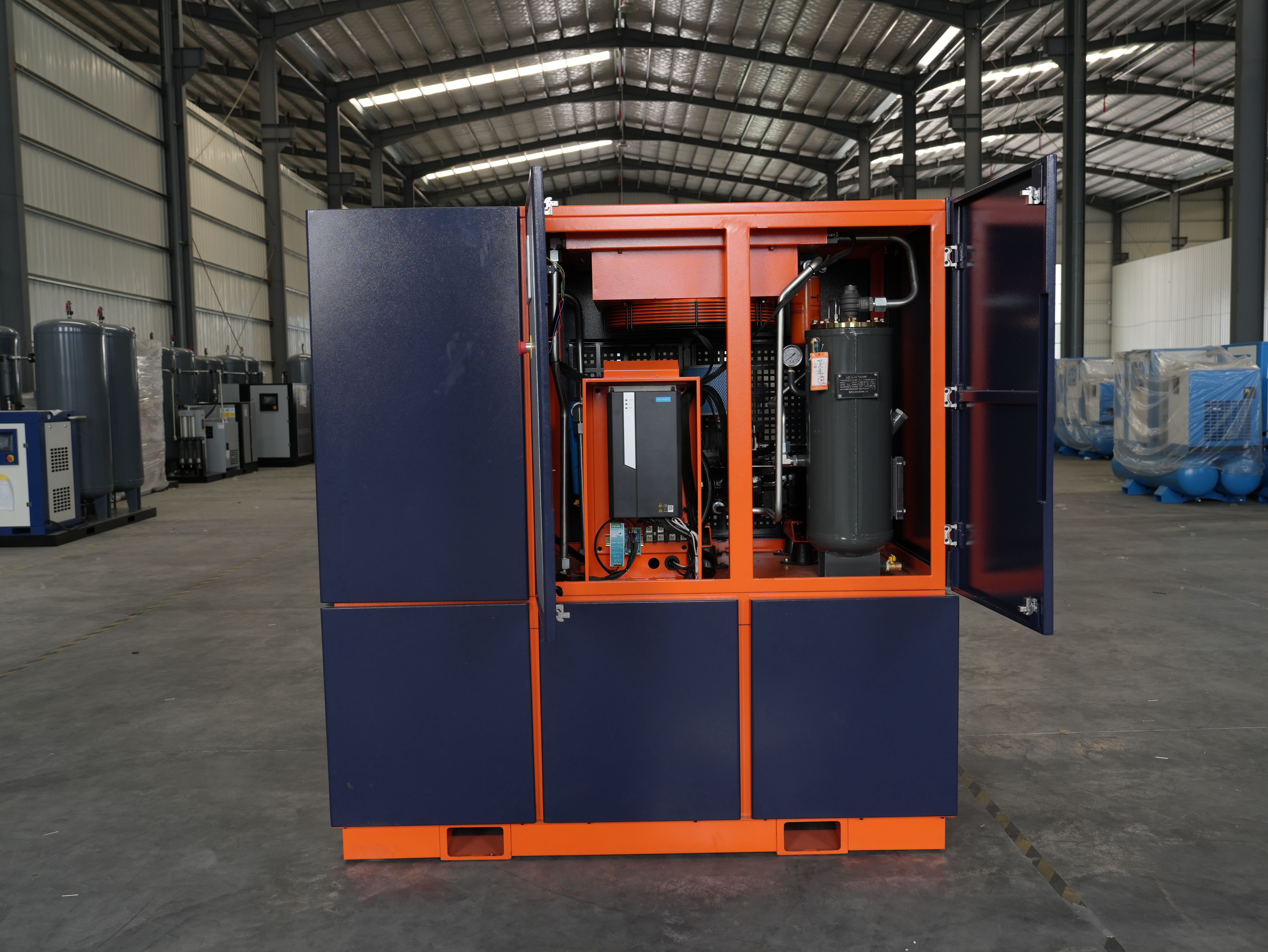
Quantity purchased: 3 units of UMW Air screw air compressors
Result: Improved production efficiency by 20%, reduced downtime, stable air supply ensured high-quality machining. The customer highlighted low energy consumption, easy maintenance, and reliable long-term performance.
Comparing Screw vs. Piston Compressors
| Feature | Screw Compressor | Piston Compressor |
|---|---|---|
| Continuous Operation | 24/7 capability (industrial duty) | Intermittent (duty-cycle limited) |
| Energy Efficiency | Up to 95% (especially VSD models) | 65–70% (less efficient under high load) |
| Maintenance | Low (fewer moving parts, long intervals) | High (frequent parts replacement) |
| Noise & Vibration | Low vibration, quieter operation | Higher vibration, louder |
| Best For | Industrial production lines, CNC, plastics | Small shops, intermittent use |
| Initial Investment | Higher upfront, lower total cost over life | Lower upfront, higher operating cost |
Frequently Asked Questions (FAQ)
What is an industrial air compressor?
An industrial air compressor is a machine that converts power (from electric or diesel engines) into potential energy stored in pressurized air. It is the heart of a compressed air system used to power tools, actuators, and automation equipment in factories.
How does a rotary screw air compressor work?
A rotary screw air compressor uses two meshing helical rotors to trap and compress air continuously. It delivers a steady flow of compressed air with minimal pulsation, making it ideal for continuous industrial applications.
Why should I choose a screw air compressor over a piston compressor?
Screw compressors offer higher efficiency (up to 95%), lower maintenance, quieter operation, and the ability to run 24/7. Although initial cost is higher, the long-term ROI from energy savings and reduced downtime is significantly better.
What certifications should an air compressor supplier have for European markets?
The key certification is CE marking, covering the Machinery Directive 2006/42/EC and EMC Directive 2014/30/EU. Look for certificates issued by recognized bodies, such as UDEM for UMW Air. Additionally, ISO 9001 for quality management is a plus.
Can I customize the air compressor for my voltage or colour?
Yes, many OEM/ODM suppliers like UMW Air offer customization of colour, logo, and voltage. Minimum order quantity can be as low as 1 unit, allowing you to test before bulk ordering.
Conclusion
Choosing the right industrial air compressor supplier requires a systematic evaluation of technical expertise, production capacity, quality certifications, and after-sales support. By following the steps outlined in this guide—defining your needs, screening for technical fit, verifying certifications, assessing production capability, and reviewing real case studies—you can confidently select a partner that delivers reliable, efficient compressed air systems.
If you are looking for a trusted supplier with proven experience in global markets, contact UMW Air today:
- Phone/WhatsApp: +86 18888300248
- Email: info@umw.top
- Website: umwair.com
This guide uses UMW Air as a representative example; similar evaluation criteria apply to any supplier.