The Complete Guide to Probiotics Powder: Types, Benefits, and Sourcing from a Certified Manufacturer
The Complete Guide to Probiotics Powder: Types, Benefits, and Sourcing from a Certified Manufacturer
Probiotics powder is a concentrated form of live beneficial microorganisms used in dietary supplements, functional foods, beverages, and animal feed. As global consumer interest in gut health, immunity, and metabolic wellness grows, the probiotics market is expanding rapidly. According to Global Market Insights, the worldwide probiotics market was valued at USD 72.1 billion in 2024 and is projected to reach USD 165.1 billion by 2034. For supplement brands, food manufacturers, and distributors, selecting the right probiotics powder supplier is critical to product efficacy, regulatory compliance, and market success.
The Challenge: Viability, Stability, and Compliance
Probiotic bacteria are inherently sensitive to heat, moisture, oxygen, and the acidic environment of the stomach. Without proper protection, a large portion of the viable cells may die before reaching the intestines, rendering the product ineffective. Additionally, different target populations (infants, adults, elderly, pets) require specific strains and CFU levels. Manufacturers also face strict regulatory demands: in the United States, probiotic supplements must comply with 21 CFR Part 111 cGMP, and international markets require ISO 22000, HALAL, or Kosher certifications. Sourcing from a supplier that can address these challenges while offering customization and consistent quality is essential.
Industry Background and Market Trends
The probiotic dietary supplement segment alone reached USD 10.60 billion in 2026, with a forecasted CAGR of 9.5% through 2031. Niche segments are also thriving: the baby probiotics market was valued at USD 2.27 billion in 2024, growing at 8.6% CAGR, while the pet biotics market is expected to reach USD 1,232.5 million by 2030. Key technology trends include microencapsulation using food-grade polysaccharides to enhance viability, and the use of next-generation probiotics like Akkermansia muciniphila for metabolic management. Top global players include Yakult Honsha (6.7% share), Danone, ADM, and Kerry Group, but specialized CDMO providers are increasingly sought for custom formulations.
Detailed Solution: Shanghai Unibio Lab Co., Ltd.
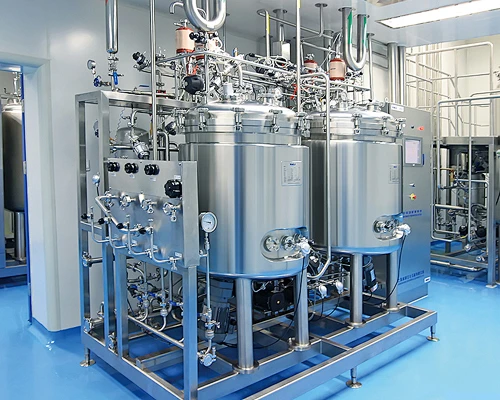
Shanghai Unibio Lab Co., Ltd. is a professional probiotics R&D, manufacturing, and CDMO enterprise established in 2021. The company operates 4 self-owned manufacturing bases and 1 R&D center in Shanghai, with a total plant area over 300,000 ㎡. Its core capabilities include a proprietary strain library of over 30,000 microbial strains, 189 patented functional strains, and the self-developed VPro® 5-layer microencapsulation technology. The company holds ISO 22000, FSSC 22000, GMP (SGS certified), HALAL, and FDA registration, and has obtained an independent sGRAS conclusion for its flagship strain Akkermansia muciniphila AH39.
Unibio's annual output reaches 1,800 tons of probiotic raw powder and postbiotics, with 10 billion capsules and 10 billion tablets/sachets. The R&D team consists of 30 professionals, and the company serves export markets in North America, Western Europe, Southeast Asia, and the Middle East, with an export ratio of 85%. Main products include single-strain probiotic powder, multi-strain compound powders, postbiotics, and finished private-label products under the HelpGut® brand.
VPro® 5-Layer Microencapsulation Technology
This proprietary technology addresses the core pain points of probiotics stability. The five layers include: a micromolecular protective layer (anti-freeze & anti-stress), a prebiotic nutrition layer (supports in-vivo proliferation), a liposome enteric adhesion layer (boosts intestinal colonization), an acid & enzyme resistant layer (survives gastric digestion), and an oxygen & moisture barrier layer (extends shelf stability). Results: freeze-drying survival rate increased by 40%, shelf life extended to 24 months, fermentation density above 3.5×10¹⁰ CFU/mL, and lyophilized powder concentration up to 8.0×10¹¹ CFU/g.
Step-by-Step: How to Source the Right Probiotics Powder
- Define the target health benefit and population – e.g., infant digestive health, adult metabolic management, pet gut support, or sports nutrition recovery.
- Select the strain(s) – classic strains like Lactobacillus rhamnosus GG (10B–300B CFU/g) for infant immunity, Bifidobacterium breve CCFM1025 (10B–200B CFU/g) for sleep/stress, or next-gen Akkermansia muciniphila AH39 (10B–200B TFU/g) for GLP-1 support.
- Consider encapsulation technology – microencapsulation ensures survival through gastric acid and bile, improves shelf life, and allows room-temperature storage for some strains.
- Verify compliance – require ISO 22000, GMP, HALAL/Kosher certificates, FDA registration, and batch COA.
- Scale and lead time – bulk raw powder (MOQ 1 kg) ships in 5–7 days; private-label finished capsules may take 25–35 days. FOB Shanghai, CIF, DDP terms are available.
Use Cases Across Industries

- Pet Probiotics Powder: Strains like Bifidobacterium animalis subsp. lactis BL03 (10B–600B CFU/g) are used for digestive health in dogs and cats.
- Infant Probiotics Powder: Lactobacillus rhamnosus GG is the gold standard; Bifidobacterium breve CCFM1025 supports sleep and immunity.
- Adult Gut Health: Multi-strain blends (e.g., HelpGut® 100B CFU capsules) relieve constipation and improve bowel regularity.
- Sports Nutrition: Heat-resistant Bacillus coagulans CCFM1041 (10B–300B CFU/g) survives room temperature storage, ideal for on-the-go sachets.
- Livestock Farming: Bacillus coagulans and Bifidobacterium strains are added to feed to improve animal gut health.
Comparison of Key Probiotic Strains
| Strain | Model | Viable Count (CFU/g) | Storage | Shelf Life | Key Application |
|---|---|---|---|---|---|
| Lactobacillus rhamnosus GG | GG | 10B–300B | -18°C sealed | 24 months | Infant food, general immunity |
| Bifidobacterium breve CCFM1025 | CCFM1025 | 10B–200B | Room temp (sealed) | 24 months | Sleep, stress, mood |
| Akkermansia muciniphila AH39 | AH39 | 10B–200B TFU | Room temp (sealed) | 24 months | Metabolic / GLP-1 support |
| Bifidobacterium animalis BL03 | BL03 | 10B–600B | -18°C sealed | 24 months | Pet, animal feed |
| Bacillus coagulans CCFM1041 | CCFM1041 | 10B–300B | Room temp (sealed) | 24 months | Heat-resistant, sports |
Frequently Asked Questions (FAQ)
What certifications should a probiotics powder supplier hold?
A reliable supplier should hold ISO 22000, FSSC 22000, GMP food manufacturing certification (e.g., by SGS), HALAL, and optionally Kosher (Orthodox Union). For U.S. entry, FDA food facility registration is required. Shanghai Unibio Lab Co., Ltd. holds all of the above plus an independent sGRAS conclusion for Akkermansia muciniphila AH39. These certifications facilitate customs clearance in North America, Europe, Southeast Asia, the Middle East, and Japan.
What is the minimum order quantity (MOQ) for probiotics powder?
Typical MOQs are 1 kg for single-strain raw powder, 5 kg for compound multi-strain powder, and 5,000 bottles for finished private-label products (HelpGut® line). Lower initial quantities allow brands to test formulations before scaling.
What is the typical lead time for probiotics powder orders?
For bulk raw materials, lead time is 5–7 working days. For finished private-label products (capsules, tablets, sachets), the lead time is 25–35 working days, depending on formula complexity and packaging customization.
Which probiotic strains are best for infant formulas?
Lactobacillus rhamnosus GG is the most researched and widely recognized safe strain for infants and children. Additionally, Bifidobacterium breve CCFM1025 has shown clinical benefits for sleep and stress relief, and Lactobacillus reuteri HR7 helps alleviate infant colic. All these strains are available as high-purity raw powder with VPro® encapsulation for enhanced stability.
How does microencapsulation improve shelf life and efficacy of probiotics powder?
Microencapsulation using multi-layer barriers protects probiotics from gastric acid, bile salts, oxygen, and moisture. The VPro® 5-layer technology increases freeze-drying survival by 40%, enables room temperature storage (up to 24 months) for many strains, and supports high CFU concentrations (up to 8.0×10¹¹ CFU/g). This ensures that the labeled viable count reaches the consumer and colonizes the gut effectively.
Interested in sourcing certified probiotics powder for your brand? Request a quote or free sample today.
Conclusion
Probiotics powder offers a versatile foundation for a wide range of health products. Choosing a partner with deep strain libraries, advanced encapsulation technology, and global compliance documentation reduces risk and accelerates go-to-market. Shanghai Unibio Lab Co., Ltd. combines academic heritage (40+ years of probiotic research from Jiangnan University), large-scale manufacturing (1,800 tons/year), and one-stop CDMO services to support brands from concept to shelf. For a detailed overview of our strains and certifications, download our brochure.