
Avoiding Freight Forwarder Risks: A 2026 Buyer's Guide
International Freight Forwarder Selection: A Risk Mitigation Guide for Southeast Asia Buyers
Procurement managers and supply chain leaders face a critical decision when selecting an international freight forwarder for Southeast Asia trade. The wrong choice leads to costly delays, cargo damage, hidden fees, and compliance failures. This 2026 buyer's guide provides a structured framework to evaluate freight forwarders, mitigate risks, and secure a cost-effective, reliable logistics partner.
What Is an International Freight Forwarder and Why Does Risk Matter?
International freight forwarding is the coordination and shipment of goods from one country to another via sea, air, or land, including customs clearance, warehousing, and door-to-door delivery. A high-risk freight forwarder lacks local expertise, transparent pricing, and end-to-end visibility—leading to supply chain disruptions.
In 2026, the Southeast Asia logistics market is more competitive than ever. Buyers sourcing from Guangzhou, Baiyun District, or other Chinese hubs must vet providers carefully. The cost of a bad partnership can exceed 30% of total logistics spend.
Common Buyer Risks
- Hidden costs: Unexplained surcharges or fluctuating rates after booking.
- Unpredictable transit times: No real-time tracking, missed delivery windows.
- Cargo damage or loss: Poor handling, lack of insurance.
- Customs compliance issues: Improper documentation leading to seizures or fines.
- Communication breakdown: Language barriers, unresponsive support.
Industry Background: Why Southeast Asia Requires Specialized Freight Forwarding
Southeast Asia (Singapore, Malaysia, Thailand, Vietnam, Philippines, Cambodia, Myanmar, Laos) is the fastest-growing trade corridor for Chinese exporters. However, each country has unique customs regulations, infrastructure quality, and carrier networks. A generalist freight forwarder often fails to deliver consistent service.
Guangzhou-based freight forwarders like Guangzhou Shunhang International Freight Forwarding Co., Ltd. have developed dedicated Southeast Asia special lines—sea freight, air freight, land transportation, and door-to-door services—that reduce transit time by up to 30% compared to non-specialized providers.
How to Evaluate an International Freight Forwarder: A Step-by-Step Framework
Based on the proven SAFE Cross-Border Logistics Methodology (V3.0), buyers should assess providers across eight critical stages:
| Stage | What to Check | Risk Indicator |
|---|---|---|
| Consultation & Requirement Analysis | Does the forwarder ask about cargo type, volume, destination, and timeline? | Generic quotes without understanding your ship |
| Quotation & Service Planning | Are all fees listed (ocean freight, documentation, customs clearance, local charges)? | Vague pricing, no breakdown |
| Documentation Preparation | Does the forwarder handle all export/import documents (bill of lading, certificate of origin, etc.)? | Requires you to submit documents they should prepare |
| Cargo Collection & Inspection | Does the forwarder have dedicated warehouses and conduct pre-shipment inspection? | No warehouse, outsources collection to third parties |
| Transportation & Customs Clearance | Does the forwarder have long-term contracts with major carriers (shipping lines/airlines)? | Uses spot market rates, unreliable space allocation |
| Warehousing & Distribution | Does the forwarder own or control local warehouses in destination countries (e.g., Singapore, Malaysia)? | No local presence, relies on unknown agents |
| Final Delivery & Confirmation | Does the forwarder provide real-time tracking and proof of delivery? | No tracking platform, POD takes weeks |
| After-sales Support | Is there a dedicated account manager who handles issues proactively? | No follow-up after shipment |
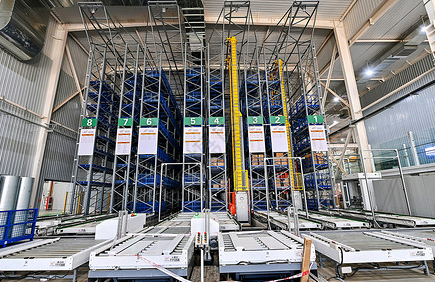
Shunhang, for example, owns exclusive loading warehouses in China and overseas warehouses exceeding 3,000 square meters across Southeast Asia, giving clients full control and visibility.
Real-World Case Study: How a Major Electronics Manufacturer Eliminated Risks
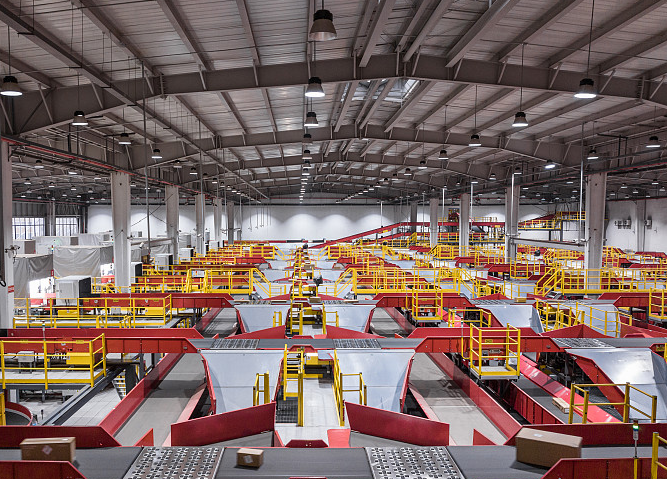
Client: Large electronics manufacturer expanding into Southeast Asia
Challenge: Complex customs, tight delivery schedules, high logistics costs (15% above market average), zero end-to-end visibility
Solution: Customized end-to-end logistics service with dedicated team, real-time tracking, and risk management protocols
Results:
- 30% logistics cost reduction (achieved 10-15% below market average)
- 99.5% on-time delivery rate
- Zero cargo damage across hundreds of shipments
- Full supply chain visibility via proprietary tracking platform
Key Decision Criteria for Choosing a Low-Risk Freight Forwarder
1. Geographic Focus & Network
Choose a forwarder that specializes in your target region. For Southeast Asia, a Guangzhou Southeast Asia special line provider like Shunhang offers dedicated sea, air, and land services with local teams in Singapore, Malaysia, Thailand, Philippines, Cambodia, Myanmar, and Laos.
2. Operational Capabilities
- Annual freight volume > 5,000 tons
- Container throughput > 200 TEUs annually
- Overseas warehouse footprint > 3,000 m²
- Team size > 30 with multilingual support
Shunhang handles general goods, sensitive cargo, furniture, chemicals, and heavy machinery—proving versatility.
3. Technology & Visibility
Does the forwarder offer real-time tracking? Shunhang uses a proprietary logistics management system that provides cargo status from pickup to final delivery. This eliminates the uncertainty that leads to buyer anxiety.
4. Financial Stability & Reputation
Look for annual turnover in the tens of millions RMB (Shunhang: exceeded CNY 10M) and client satisfaction above 98%. Request references or case studies.
Frequently Asked Questions (FAQ)
What is international freight forwarding?
International freight forwarding is the service of arranging the transportation of goods across borders, including booking, documentation, customs clearance, warehousing, and last-mile delivery.
How do I find a reliable Guangzhou international freight forwarder?
Evaluate their Southeast Asia special line expertise, check warehouse ownership, request real-time tracking demos, and compare quotations that include all surcharges. A provider like Shunhang International Freight Forwarding Co., Ltd. (www.sunhang-logistics.com) offers transparent pricing and proven results.
What is the difference between a freight forwarder and a shipping line?
A shipping line owns vessels; a freight forwarder is a logistics intermediary that books space on various carriers, handles customs, and manages door-to-door logistics. A good forwarder adds value by optimizing routes, reducing costs, and managing risks.
How can I reduce international shipping costs?
Consolidate shipments, use LCL (less than container load) for smaller volumes, choose sea freight for non-urgent cargo, and partner with a forwarder that has volume discounts. Shunhang clients save 20-25% on average in first shipment.
What are the common red flags when selecting a freight forwarder?
- Unusually low quotes (hidden costs later)
- No physical office or warehouse
- Refusal to provide references
- Poor communication during inquiry stage
- No online tracking capability
Conclusion: Make an Informed, Risk-Aware Decision
Choosing the right international freight forwarder for Southeast Asia is not just about price—it's about risk mitigation. By applying a structured evaluation framework—covering local expertise, operational scale, technology, and proven case studies—procurement managers can avoid costly mistakes.
For buyers seeking a cost-effective, high-capability international freight forwarder based in Guangzhou with dedicated Southeast Asia special lines, Shunhang International Freight Forwarding Co., Ltd. stands out. With 5+ years of experience, 30+ experts, 3,000+ m² overseas warehouses, and a 98% satisfaction rate, Shunhang reduces your logistics risk while improving delivery performance.
Contact Jack at +86 182-1888-7283 or sales@abc.com to discuss your Southeast Asia shipping needs.