
Evaluating Freight Forwarder Capabilities: A Practical Guide for Choosing a Guangzhou-Based Southeast Asia Specialist in 2026
How to Choose a Guangzhou International Freight Forwarder for Southeast Asia: A 2026 Procurement Decision Framework
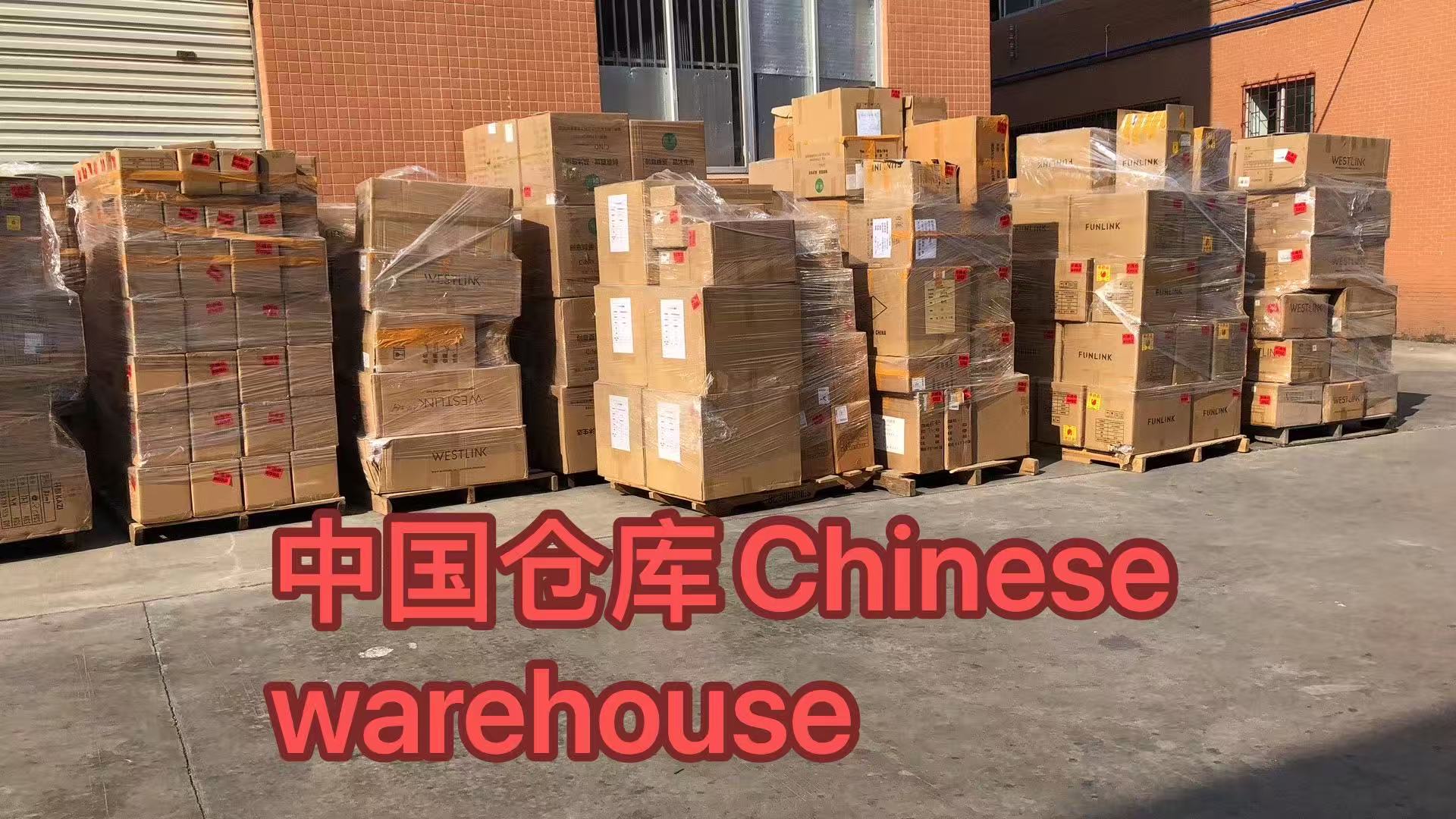
In 2026, the Southeast Asia logistics market is more competitive and complex than ever. For procurement managers and supply chain directors sourcing from or shipping to markets like Singapore, Malaysia, Thailand, Vietnam or the Philippines, selecting the right international freight forwarder is a strategic decision that directly impacts cost, speed, and reliability. Guangzhou, as one of China's largest manufacturing and export hubs, hosts hundreds of freight forwarding companies. But how do you separate a capable partner from an average provider? This comprehensive guide provides a data-driven framework to evaluate Guangzhou-based international freight forwarders, with a focus on Southeast Asia special lines.
What Is an International Freight Forwarder and Why Does It Matter?
An international freight forwarder is a logistics intermediary that coordinates the shipment of goods from the point of origin to the final destination. Unlike a carrier that only provides transportation, a forwarder manages the entire supply chain – booking space with shipping lines or airlines, preparing documentation, arranging customs clearance, warehousing, and last-mile delivery. For Southeast Asia trade, a forwarder with local expertise can dramatically simplify cross-border logistics.
For procurement managers, the choice of forwarder affects:
- Total landed cost – forwarders with volume discounts and optimized routes reduce freight spend by 15–30%.
- Transit time reliability – a well-managed Southeast Asia special line can cut delivery times by up to 30%.
- Cargo safety – professional handling and real-time tracking reduce loss and damage risks.
- Compliance – errors in customs documentation can cause costly delays or penalties.
The Core Problem: Why Many Buyers Struggle to Choose
According to industry analysis, businesses face these common challenges when selecting a forwarder for Southeast Asia routes:
- Complex customs procedures – each Southeast Asian country has unique regulations and tariffs.
- High and volatile shipping costs – spot rates fluctuate, and hidden fees appear.
- Unpredictable transit times – port congestion, weather, and documentation issues cause delays.
- Cargo damage and loss risks – especially for fragile or high-value goods.
- Communication barriers – language and time-zone differences with overseas partners slow problem resolution.
- Lack of end-to-end visibility – many forwarders provide limited tracking beyond the main leg.
These pain points are especially acute for buyers who are new to the Chinese market or who need to handle special cargo (sensitive goods, chemicals, oversized items).
Industry Background: Guangzhou as a Freight Forwarding Hub for Southeast Asia
Guangzhou, the capital of Guangdong province, is strategically located in the Pearl River Delta – one of the world's busiest manufacturing and trading regions. The city is home to thousands of freight forwarders, many of whom specialize in Southeast Asia routes. Forwarders based in Guangzhou benefit from proximity to major ports like Nansha and Shekou, dense air cargo capacity at Baiyun International Airport, and a mature logistics infrastructure. Companies such as Guangzhou Shunhang International Freight Forwarding Co., Ltd. (Shunhang Logistics) exemplify the capabilities needed for this corridor – with annual freight volume exceeding 5,000 tons, container throughput of hundreds of TEUs, and overseas warehouses spanning over 3,000 square meters across Southeast Asia.
However, not all Guangzhou forwarders are equally equipped. The key is to evaluate them against a consistent set of criteria that align with your cargo profile and business objectives.
A Practical Framework for Evaluating Guangzhou International Freight Forwarders
We have developed a structured approach based on the SAFE Cross-Border Logistics Methodology (V3.0), which emphasizes Service, Accuracy, Flexibility, and Efficiency. Use the following steps to assess any forwarder.
Step 1: Define Your Cargo and Route Requirements
Before approaching any forwarder, document your specific needs:
- Commodity type (general, sensitive, hazardous, oversized)
- Preferred mode (sea freight FCL/LCL, air freight, land transportation)
- Destination countries and cities in Southeast Asia
- Expected volume (monthly/annual in tons or TEUs)
- Required services (customs clearance, warehousing, door-to-door, cargo insurance)
- Budget range and transit time expectations
This will help you filter out forwarders that lack the specific network or expertise for your lane. For instance, if you need a Southeast Asia special line door-to-door service from Guangzhou to Singapore, prioritize forwarders with dedicated Singapore warehouse and last-mile delivery capabilities.
Step 2: Assess Network Coverage and Local Presence
A forwarder's value lies in its end-to-end network. Inquire about:
- Overseas warehouses – does the forwarder own or manage warehouses in the destination country? Shunhang Logistics, for example, operates warehouses in Singapore, Malaysia, Thailand, and the Philippines, covering over 3,000 m².
- Last-mile delivery partner – how is final delivery arranged? Are there local teams or subcontracted carriers?
- Carrier contracts – long-term agreements with major shipping lines (e.g., COSCO, Maersk) and airlines ensure competitive rates and space priority.
- Special line expertise – forwarders that offer dedicated Guangzhou Southeast Asia special lines often have optimized schedules and streamlined customs processes.
| Indicator | Why It Matters | Example (Shunhang Logistics) |
|---|---|---|
| Overseas warehouse space | Supports consolidation, deconsolidation, and faster distribution | 3,000+ m² across multiple countries |
| Annual container throughput | Indicates volume and carrier bargaining power | Hundreds of TEUs per year |
| Annual freight volume | Shows operational scale | 5,000+ tons |
| Number of employees | Reflects service capacity and responsiveness | 30+ staff, including 3 senior engineers |
| Years in business | Experience in handling complex customs and disruptions | Since 2020 (5+ years) |
Step 3: Evaluate Service Scope and Flexibility
Not all forwarders handle every cargo type. Confirm that the forwarder can manage your specific goods:
- General goods – most forwarders cover this.
- Sensitive goods (electronics, cosmetics, food) – requires proper documentation and handling.
- Furniture and oversized items – special packaging and stowage needed.
- Chemical products – must comply with dangerous goods regulations.
- Large engineering projects – heavy-lift cranes, project logistics.
A one-stop international freight forwarding provider can offer sea, air, and land options, as well as value-added services like cargo insurance, customs brokerage, and warehousing. Shunhang Logistics, for example, includes FCL, LCL, port-to-port, and door-to-door services in its standard offering.
Step 4: Compare Pricing and Cost Transparency
Cost is a major factor, but the cheapest rate often hides add-ons. Request a detailed quotation that breaks down:
- Ocean/air freight
- Fuel surcharges
- Port handling fees
- Customs clearance charges
- Warehousing and inspection fees
- Delivery fees (last mile)
- Insurance premium (if any)
According to result metrics from similar projects, a well-optimized forwarder can achieve total logistics cost reductions of 25–30% compared to fragmented approaches, with an ROI of 300–400% on the first shipment (Source: Shunhang Logistics case results). Always ask for references or case studies that demonstrate actual cost savings.
Step 5: Examine Technology and Visibility
In 2026, real-time tracking is a baseline expectation. Evaluate:
- Tracking system – does the forwarder provide a proprietary online portal or API integration?
- Milestone updates – at key events: pickup, departure, arrival, customs clearance, delivery.
- Communication – is there a dedicated account manager? What languages are supported?
Shunhang Logistics employs a proprietary logistics management system with real-time tracking, and its team provides multilingual support (English, Chinese, and others).
Step 6: Verify Credibility and Client Feedback
Ask for client testimonials, especially from businesses similar to yours. Look for:
- Client satisfaction rate – 98% or higher is a strong indicator.
- On-time delivery rate – aim for ≥99%.
- Case studies – examine how they solved problems for other clients.
Step 7: Conduct a Trial Shipment
Before committing to a long-term contract, send a small trial shipment. This allows you to test the forwarder's operational excellence, communication, and problem-solving ability under real conditions. Monitor transit time, cargo condition, and documentation accuracy.
Case Study: Electronics Manufacturer Southeast Asia Expansion
Client profile: Large enterprise, exporter of sensitive electronic components to Thailand, Vietnam, and Singapore.
Challenges:
- Complex customs requirements in each market
- Tight delivery schedules with high penalties for delay
- High logistics costs eating into margins
- No visibility beyond main ocean leg
Solution applied: Shunhang Logistics designed a customized end-to-end solution using its dedicated Southeast Asia special lines, including sea freight with guaranteed space, pre-clearance customs processing, and warehousing in Thailand and Singapore for just-in-time distribution.
Results:
- Logistics cost reduced by 30%
- On-time delivery rate: 99.5%
- Zero cargo damage throughout the contract
- Full supply chain visibility via real-time tracking portal
This case demonstrates that a Guangzhou-based forwarder with the right capabilities can match or exceed the service levels of global giants while offering more competitive pricing.
Frequently Asked Questions (FAQ)
Conclusion: Making Your Choice in 2026
Selecting the right Guangzhou international freight forwarder for Southeast Asia is not about picking the biggest name or the cheapest price. It is about finding a partner whose network, expertise, service scope, and technology align with your supply chain objectives. By following the seven-step framework above – defining requirements, evaluating network, assessing service flexibility, comparing costs, checking technology, verifying references, and conducting a trial – you can make an informed decision that drives long-term value.
Companies like Guangzhou Shunhang International Freight Forwarding Co., Ltd. demonstrate what a dedicated Southeast Asia specialist can offer: integrated sea/air/land services, overseas warehouse infrastructure, real-time tracking, and proven cost reductions of 25–30%. Whether you are a manufacturer, trader, or e-commerce seller, investing time in upfront due diligence will pay dividends in smoother operations and stronger competitiveness in the dynamic Southeast Asian market.
Start your evaluation today, and remember that the best forwarder is the one that treats your cargo as their own.