
The Definitive Guide to Efficient Convex Mirror Procurement: Mitigate Risk and Secure Quality in 2026
How to Procure Convex Mirrors Efficiently and Avoid Costly Partnership Risks in 2026
For industrial buyers, sourcing high-quality convex mirrors is more than comparing unit prices. Every year, procurement teams face hidden risks: substandard materials that crack under UV, suppliers who miss delivery windows, or mirrors that fail to provide the required field of view. This guide offers a structured, risk-aware approach to convex mirror procurement — from defining your needs to vetting manufacturers and securing long-term value. Whether you are buying outdoor polycarbonate convex mirrors, PC traffic mirrors, or weatherproof hooded convex mirrors, the principles here apply.
What Are Convex Mirrors and Why Do They Matter for Safety?
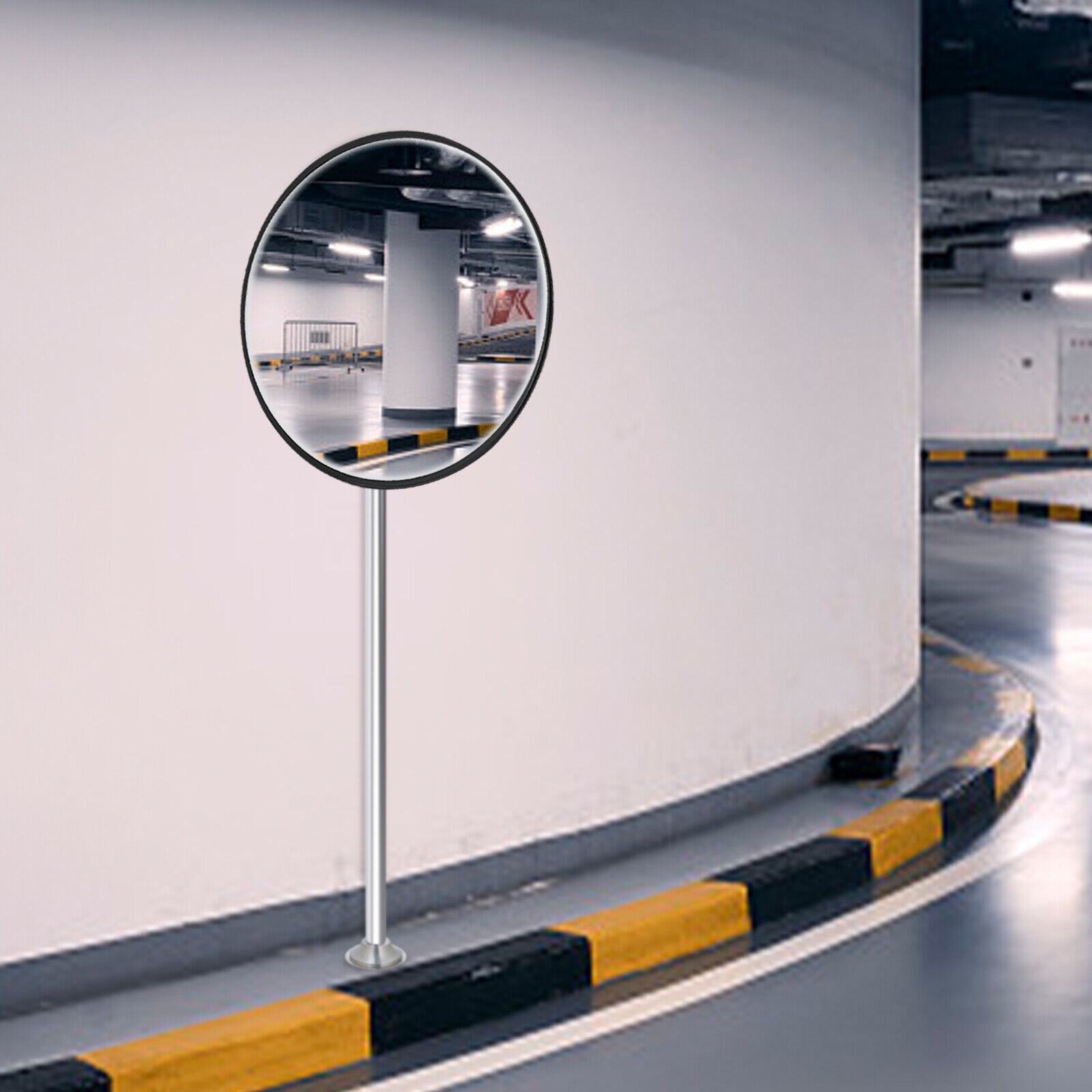
A convex mirror (also called a traffic mirror or blind-spot mirror) is a curved reflective device that provides a wide-angle panoramic view — typically 130° to 180° — allowing users to see around corners, over obstacles, or behind vehicles. They are passive safety devices: no power required, zero operating cost, and nearly maintenance-free. Common applications include:
- Warehouse intersections and loading dock safety mirrors
- Parking garage entrances and T-junctions
- Industrial plant corridors and blind spots
- Roadside curves and anti-frost roadside mirrors (frost-resistant options available)
- School zones, hospitals, and gas stations
When properly selected and installed, impact-resistant safety mirrors eliminate visual blind spots and prevent collisions, protecting both people and assets.
The Core Problem: Why Procurement Often Goes Wrong
Many buyers focus only on price and ignore critical performance attributes. The result: mirrors that yellow after one season, a UV-resistant outdoor mirror that loses reflection, or a pole-mounted traffic mirror that rusts at the bracket within months. Common pitfalls include:
- Material confusion: Acrylic vs. polycarbonate — polycarbonate offers 10x higher impact resistance and better weatherability.
- Undersized mirror: A 450 mm mirror may be insufficient for a long driveway; an 800 mm or 1000 mm heavy-duty roadway convex mirror could be needed.
- Missing certifications: No CE certification, no UV stabilization data, no impact test report.
- Inconsistent quality: First batch good, second batch has bubbles or poor coating adhesion.
- Logistics failures: Lead times blow out, packaging is inadequate, and mirrors arrive scratched.
Why Efficient Sourcing Starts with Understanding the Product
To evaluate suppliers effectively, you must first understand the key technical parameters. Below is a typical specification table for a high-quality outdoor polycarbonate convex mirror from a proven manufacturer (Mnsd brand, produced by Tiantai Yuanda Traffic Device Co., Ltd):
| Parameter | Typical Value (Mnsd YD-OC Series) |
|---|---|
| Mirror Material | Impact-resistant Polycarbonate (PC) |
| Surface Treatment | Vacuum Aluminum Coating |
| Lens Thickness | 0.6–1.0 mm (customizable) |
| Curvature Radius | R2200–R3000 |
| View Angle | 130°+ (up to 180°) |
| Temperature Resistance | -30°C to +80°C |
| UV Protection | UV-stabilized PC & ABS, Grade 8 UV resistance (3–5 years lifespan) |
| Weatherproof Rating | IP65 (outdoor use) |
| Backing Material | High-impact ABS, bright orange (high-visibility) |
| Mounting Bracket | Heavy-duty galvanized steel, fits 60 mm / 75 mm poles |
| Wind Resistance | Level 10 wind load resistant |
| Safety Compliance | CE Certified (available on request) |
Available sizes range from ⌀450 mm (visual range 10–12 m) up to ⌀1200 mm (visual range 35–45 m). A wide-angle panoramic mirror of 750 mm or 800 mm is the most commonly ordered size for warehouse intersections.
Step-by-Step Procurement Framework to Minimize Risk
Step 1: Define Your Technical Requirements
Clarify the usage environment: indoor or outdoor, temperature extremes, UV exposure, vandalism risk, required viewing distance, and mounting method (wall-mounted, pole-mounted, or ceiling). For high-traffic areas, always choose shatterproof polycarbonate mirrors over acrylic. For extreme cold, ask for anti-frost roadside mirror options.
Step 2: Verify Supplier Capabilities
Use a supplier scorecard covering:
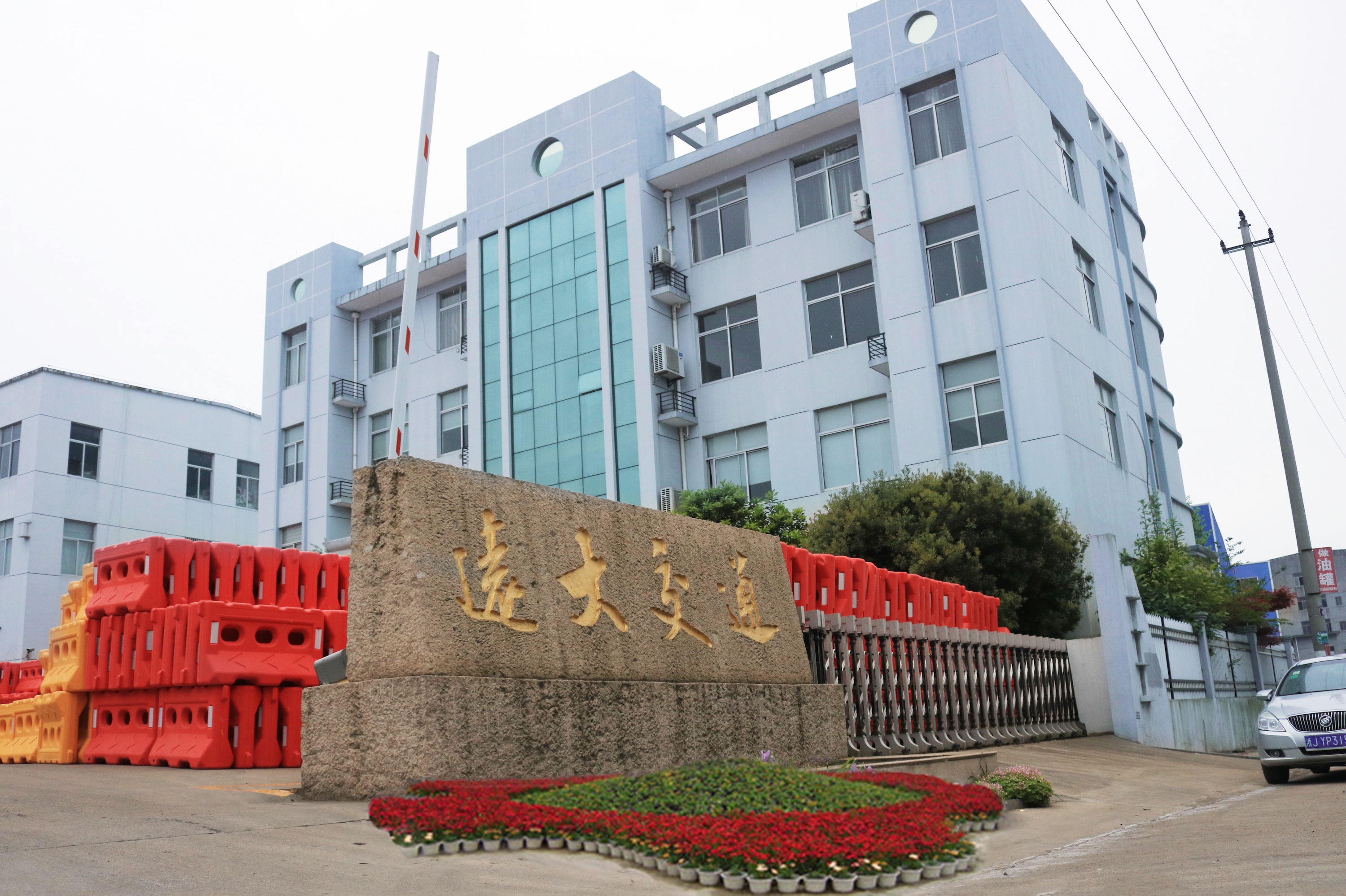
- Production capacity: Can they deliver 30,000 pcs per month? Tiantai Yuanda runs a 40,000 m² factory with over 300 employees and an annual output of 120 million units.
- Customization options: Diameter (45–120 cm), backing material (PP/ABS/fiberglass), lens (PC/stainless steel).
- Quality control: 100% impact and clarity inspection before shipment.
- Certifications: CE certification for traffic mirrors is a must for European projects.
- After-sales support: Remote support and warranty terms — check if they offer replacement for defective units.
Step 3: Evaluate Material Quality and Durability
Polycarbonate (PC) is the gold standard for outdoor use. It resists UV, impact, and temperature swings. Ask the supplier for evidence of UV resistance grade and anti-scratch hard coating — a specialized coating prevents surface scratching during assembly and transit. Tiantai Yuanda applies a protective PE film and uses abrasion-resistant formulations (as per their risk control measures).
Step 4: Compare Cost vs. Total Cost of Ownership
Low-cost acrylic mirrors may cost 30% less upfront but need replacement every 1–2 years. A UV-resistant outdoor mirror made of PC lasts 3–5 years with almost no maintenance. Calculate the total cost over 5 years including replacement labor and downtime.
| Factor | Polycarbonate Mirror (Mnsd) | Acrylic Mirror |
|---|---|---|
| Impact Resistance | High (vandal-resistant) | Low (cracks easily) |
| UV Lifespan | 3–5 years (Grade 8) | 1–2 years (yellowing) |
| View Angle | 130°–180° | 100°–140° |
| Maintenance | Occasional cleaning | Frequent cleaning + early replacement |
| Warranty | Typically 1–2 years | Often none |
Step 5: Negotiate Contractual Protections
Include in your purchase agreement:
- Specification sheet as an attachment
- Inspection clause (third-party or factory inspection before shipment)
- Penalty for late delivery
- Warranty period (minimum 12 months)
- After-sales support commitment (remote support + replacement policy)
Real-World Case: Thailand Distributor Project
A distributor in Thailand (country code TH) procured a medium batch of outdoor polycarbonate convex mirrors from Mnsd for road corners and parking blind spots. The requirements: wide viewing angle, weatherproof construction, and durability over 5–8 years. Tiantai Yuanda supplied models YD-OC60, YD-OC75, and YD-OC100. The result: delivery on time, passed local acceptance inspection, and the client reported zero issues after installation. The distributor highlighted the high-visibility orange trim and adjustable swivel bracket as particularly useful for quick positioning.
Common Buyer Concerns Answered (FAQ)
A: Request the CE declaration of conformity. Mnsd (Tiantai Yuanda) provides CE certified traffic mirrors upon request. Always verify the certificate number with the issuing body.
A: For standard sizes, MOQ is 100 pcs. Custom diameters or backing materials may require 300+ pcs. Lead time is typically 15–20 days for a full container.
A: Choose a supplier that applies an anti-scratch hard coating on the PC surface and uses protective PE film during packaging. Tiantai Yuanda implements these measures as part of their standard risk control.
A: Full dome 360° safety mirrors are best for open intersections where traffic approaches from all directions. Half dome 180° security mirrors are ideal for T-junctions and corridor corners. If budget is tight, an acrylic economic convex mirror can be used for indoor low-risk areas, but for outdoors, always go with PC.
A: Reputable manufacturers offer 1–2 years against manufacturing defects. Tiantai Yuanda provides remote after-sales support and will replace units that fail under normal use within the warranty period.
Conclusion: Build a Risk-Proof Procurement Process
Efficient convex mirror procurement is not about chasing the lowest price. It is about aligning product specifications with application needs, verifying supplier credentials, and building contractual safeguards. By following the steps in this guide — from defining requirements to testing samples and negotiating warranties — you can avoid the hidden costs of poor-quality mirrors and forge a partnership that lasts.
For a detailed overview of the Mnsd convex mirror range, including complete technical datasheets and factory information, download the official company brochure below.
Contains product models, specifications, factory profile, and contact information.
Published for industrial buyers seeking reliable convex mirror suppliers. For inquiries, contact Otis at info@mnsdtraffic.com or WhatsApp +86 18458137305.