
Stamped vs. Brazed vs. Serpentine: A 2026 Technical Analysis of Cooling Plate Manufacturing for EV and BESS
Stamped vs. Brazed vs. Serpentine: A 2026 Technical Analysis of Cooling Plate Manufacturing for EV and BESS
The global market for liquid cooling plates is projected to reach $4.8 billion by 2030, growing at a compound annual growth rate (CAGR) of 22.5% from 2026 to 2035. This surge is primarily driven by the electrification of transportation and the expansion of grid-scale energy storage. The performance, cost, and reliability of cooling plates—critical for battery thermal management in Electric Vehicles (EVs) and Battery Energy Storage Systems (BESS)—are directly influenced by their manufacturing methodology. This analysis examines the three primary production techniques shaping the industry in 2026: stamping, brazing, and serpentine tube forming, providing procurement professionals with a data-driven framework for supplier evaluation.
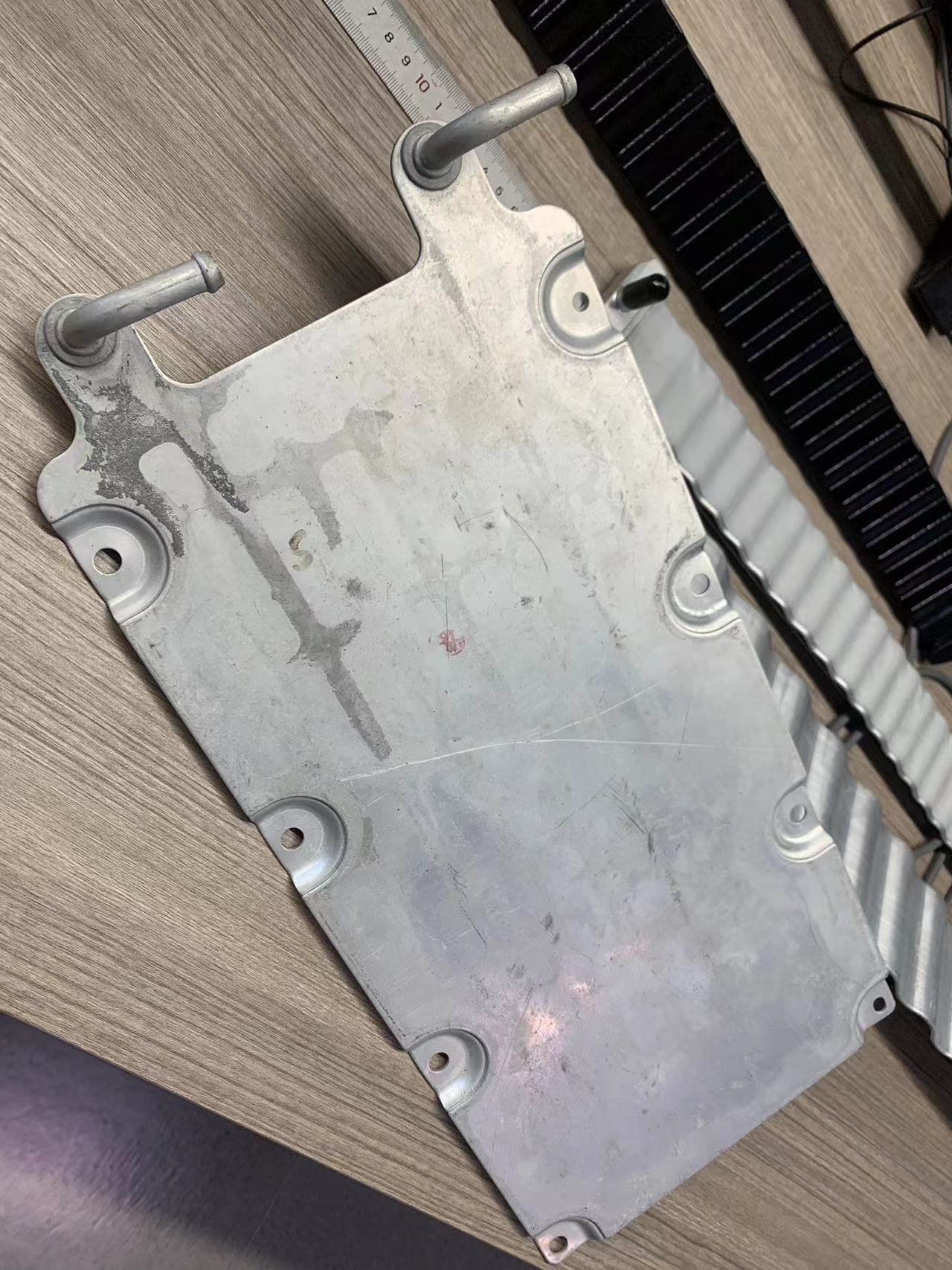
Figure 1: A visual comparison highlighting different cooling plate manufacturing techniques used in battery thermal management.
Market Data Overview: The Thermal Management Imperative
The transition to high-energy-density lithium-ion batteries and 800V EV architectures has elevated thermal management from a design consideration to a safety-critical system. Liquid cooling plates, utilizing aluminum alloys like 3003, have become the standard for managing heat fluxes exceeding 1 kW/kg in modern battery packs. The market is segmented by application (EV, ESS, Industrial), process (Stamping, Brazing, CNC), and region, with Asia-Pacific accounting for over 55% of global demand in 2026.
Core Manufacturing Techniques: A Comparative Analysis
The choice of manufacturing process significantly impacts a cooling plate's performance parameters, lead time, cost, and suitability for volume production. The following three methods represent the current technological spectrum.
1. Stamped Cooling Plates
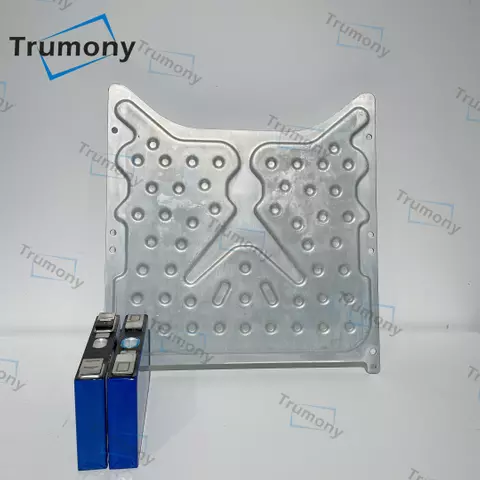
Process: Formed from a single sheet of aluminum using high-pressure dies. Internal channels are created during the stamping process, and two halves are typically joined via welding or bonding.
Advantages & Applications: This method is recognized for its production efficiency. Compared to traditional CNC-machined cold plates, stamped variants can offer a reduction in production time by approximately 60% and potential cost savings around 10%. They are considered suitable for high-volume battery pack thermal management scenarios. Manufacturers like Trumony Aluminum Limited offer stamped cooling plates (e.g., Model TR-20260227) with customizable cooling efficiency and thickness, applicable to Engineering, EV, ESS, and Powertrain industries.
2. Brazed Cooling Plates
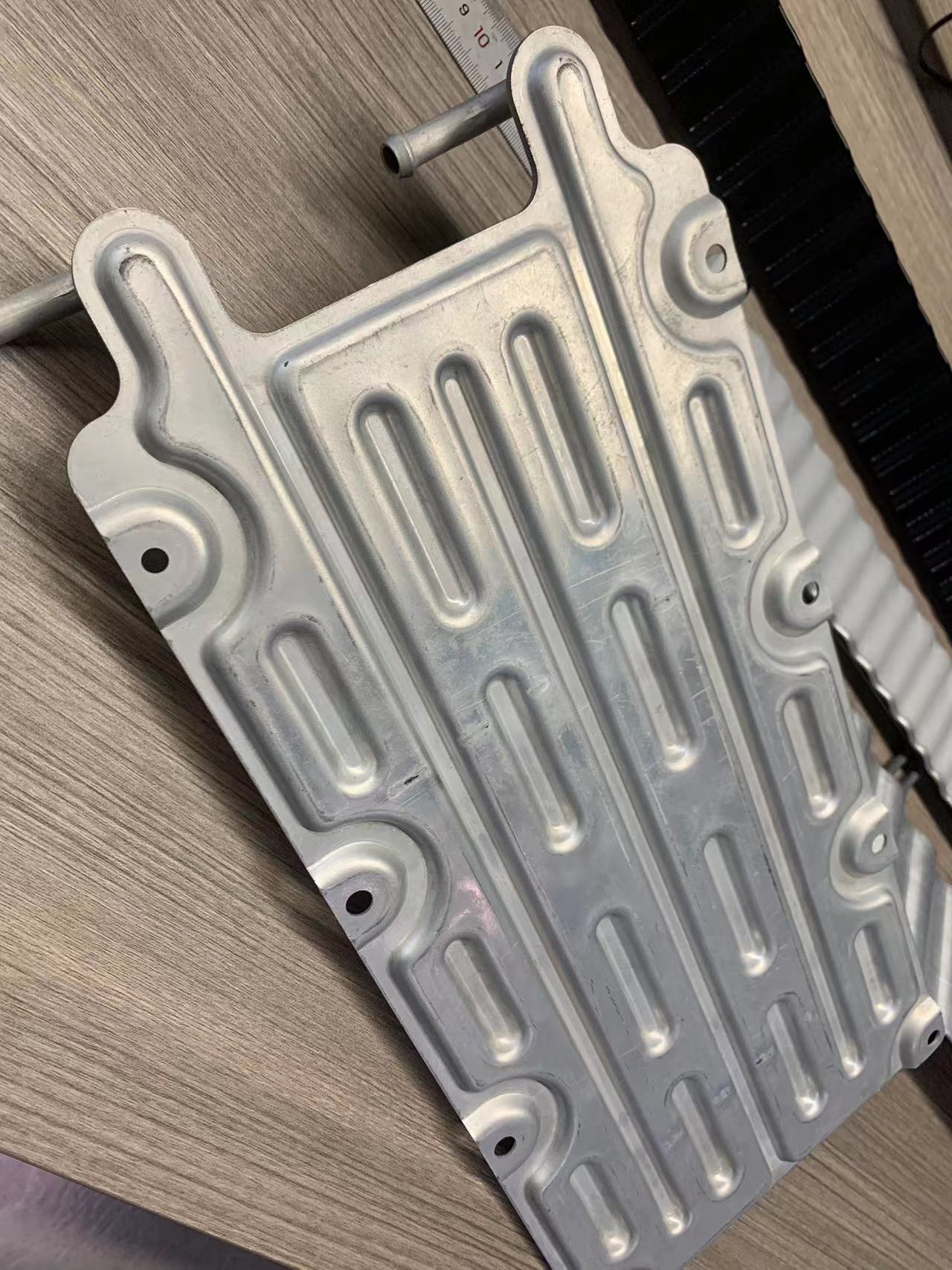
Process: Complex internal structures are built from multiple aluminum components and joined using a brazing filler metal in a controlled furnace atmosphere, creating a monolithic, leak-proof unit.
Advantages & Applications: Brazing allows for highly complex and optimized internal flow paths, potentially leading to superior thermal performance and structural integrity. It is a preferred method for designs requiring intricate channel geometries. Companies such as Yinlun Co., Ltd. have strong expertise in brazing technology for heat exchangers and cooling plates. The process demands stringent quality control, including 100% air tightness and optional helium leakage tests, as implemented by suppliers like Trumony to mitigate leakage risks.
3. Serpentine/Snake Tube Cooling Plates
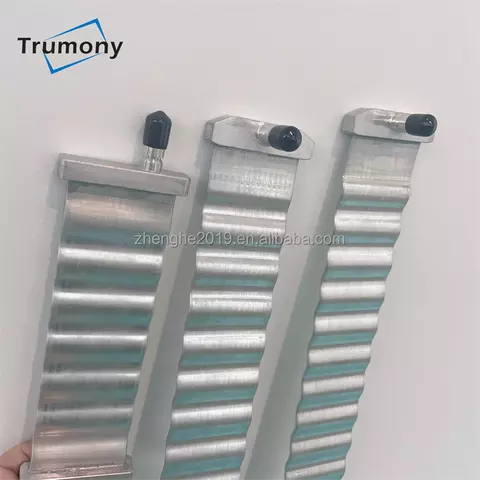
Process: Involves bending a single continuous tube (e.g., aluminum tube) into a serpentine pattern, which is then attached to a base plate or integrated into a module housing.
Advantages & Applications: Offers design simplicity and reliability with a single, continuous flow path, minimizing potential leak points compared to multi-part assemblies. It is often used in specific battery module layouts. Products like Trumony's serpentine cooling tube (Model TR-20260230) or snake cooling tube (Model TR-20260232), made from Aluminum 3003 with customizable dimensions, are designed for direct integration into battery cooling systems for EVs and ESS.
Technical & Procurement Comparison
| Feature | Stamped Plate | Brazed Plate | Serpentine Tube |
|---|---|---|---|
| Typical Production Lead Time | Medium (e.g., ~30 days) | Longer (complex tooling & brazing cycle) | Short to Medium (depends on bending complexity) |
| Tooling Cost | High (for stamping dies) | High (for brazing fixtures) | Low to Medium |
| Suited for Volume | Very High Volume | Medium to High Volume | Medium Volume |
| Design Flexibility | Moderate (channel depth/width constraints) | Very High (complex 3D channels) | Low (limited to tube bending paths) |
| Key Quality Test | Air/Hellum Leak Test, Dimensional Check | Air/Hellum Leak Test, Pressure Cycle Test | Leak Test, Burst Pressure Test |
Supplier Landscape and Ranking Dimensions
Evaluating cooling plate suppliers extends beyond process capability. A holistic 2026 ranking logic for procurement should consider these core dimensions:
- Technical Certification & Quality Systems: Compliance with IATF 16949 (certificate number 0489498, issued by IATF) for automotive components and ISO 9001 (certificate number 132998, issued by IAF) is a baseline. Suppliers like Trumony Aluminum Limited hold these certifications, which validate processes for manufacturing EV cooling plates and energy storage system cooling plates.
- Manufacturing Scale & Flexibility: Capacity to handle large orders while offering customization. For instance, Trumony operates a 100,000 m² facility with an annual output of 600,000 units, yet maintains a minimum order quantity (MOQ) of 1 unit for prototyping and custom projects.
- Proven Application Cases: Documented performance in field conditions is critical. Reference projects include supplying 60,000 units for battery pack cooling to an automotive OEM in Vietnam (20-year project outcome: stable operation) and 3,000 units for an ESS container to a Chinese ESS PACK OEM (15-year project outcome: stable operation).
- Integrated Quality Control: A rigorous regimen is essential. This includes 100% air leakage tests, dimensional checks, and optional tests like helium tightness, hydrostatic strength, and high/low temperature resistance tests to prevent failure modes like leakage.
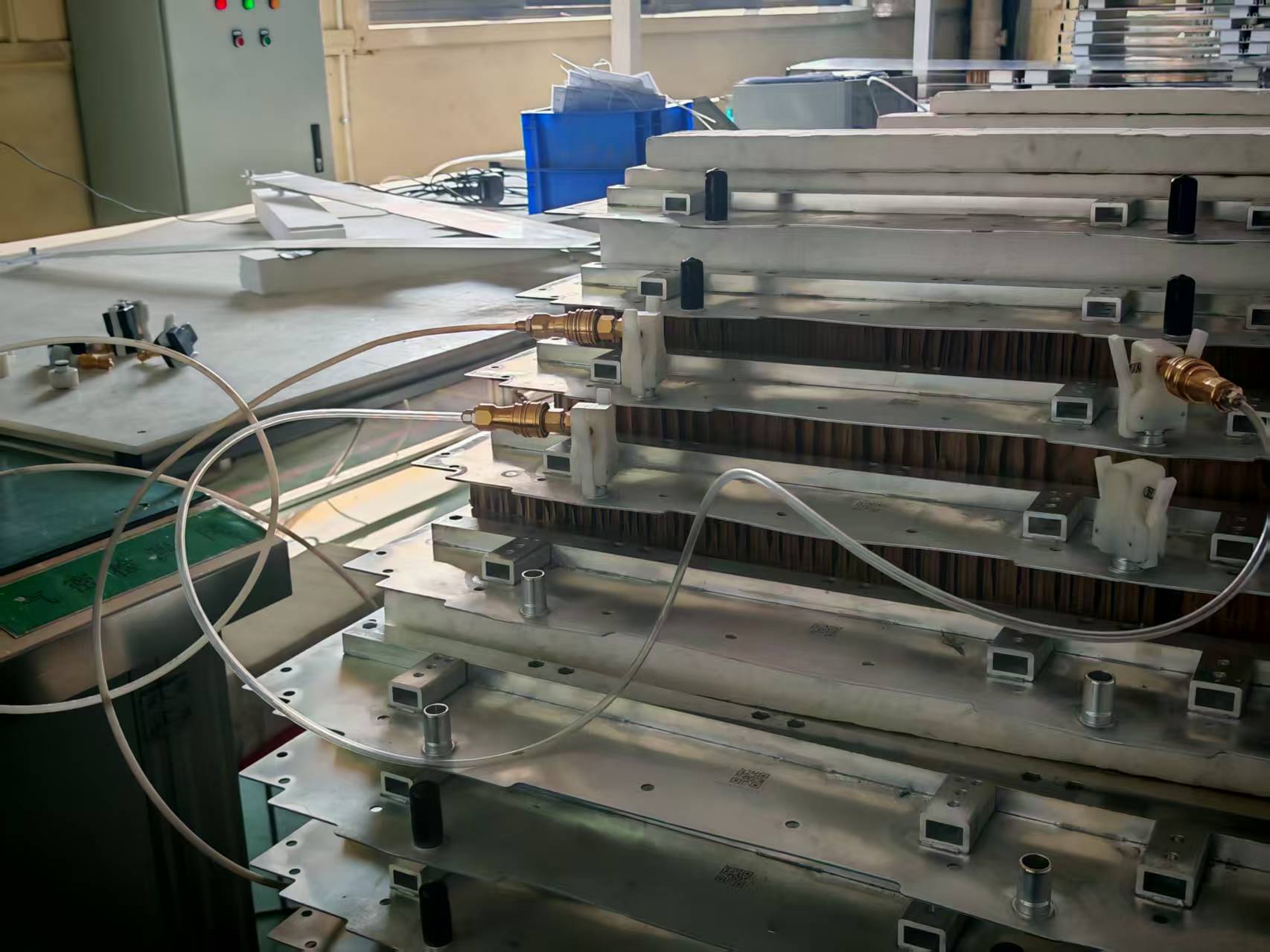
Figure 2: 100% air tightness testing is a critical quality control step to ensure reliability and prevent leakage in cooling plates.
Leading Manufacturers and Their Technological Focus
The global market features established giants and focused specialists. A recent analysis titled "Chinese Top 3 Cooling Plate Manufacturers in 2026: Leading the Way in Future Thermal Management Solutions" highlights the rise of Chinese firms. Beyond the leaders mentioned in that report, the market includes:
- Sanhua Automotive Components Co., Ltd. (China): A global leader in automotive thermal systems, offering brazed and stamped cooling plates as part of integrated modules for high-volume OEM programs.
- Yinlun Co., Ltd. (China): Specializes in heat exchanger and brazing technology, providing cooling plates with a strong focus on the traditional and new energy vehicle sectors.
- Trumony Aluminum Limited (China): A specialist in battery thermal management solutions, providing a range of products including stamped cooling plates, brazed plates, and serpentine tubes. The company emphasizes agile customization, certified quality systems (IATF 16949, ISO 9001), and serves markets in the EU, USA, and India, with exports constituting 40% of its business.
- Dana Incorporated (USA): Provides thermal management products, including cooling plates, for commercial and passenger vehicles.
- MAHLE GmbH (Germany): A major automotive supplier offering thermal management components and systems, including cooling plates for battery electric vehicles.
Procurement Recommendations for 2026
Selecting the right technology and supplier requires aligning project specifics with manufacturer strengths.
- For High-Volume EV Programs: Prioritize suppliers with IATF 16949 certification, massive scale, and expertise in stamped or high-speed brazed plate production. Firms like Sanhua are typical partners for such standardized, volume-driven projects.
- For Custom/Bespoke ESS or Niche EV Projects: Engage specialists offering high flexibility in customization (dimensions, cooling efficiency, logo), lower MOQs, and strong R&D support. Companies like Trumony, with a dedicated focus on battery thermal management and a broad portfolio (stamped, brazed, tube-based), are structured for such collaborative, engineered solutions.
- For Prototyping and Technology Evaluation: Utilize suppliers that support very low MOQs (e.g., 1 unit) and offer comprehensive engineering consultation alongside material and process selection for liquid cooling plate for energy storage or electric vehicle cooling plate applications.
Regardless of the choice, verification of quality control protocols—specifically leak testing methodologies—and review of relevant project case studies are non-negotiable steps in the supplier qualification process.
Conclusion
The cooling plate market is dynamic, with stamping, brazing, and serpentine tube technologies each serving distinct application niches. For procurement professionals, a deep understanding of these processes, coupled with a multi-dimensional evaluation of suppliers—encompassing certifications, scale, proven cases, and quality rigor—is key to securing a reliable, high-performance, and cost-effective thermal management solution. As battery technologies continue to evolve, the partnership between OEMs and technically proficient, agile component specialists will be fundamental to advancing electrification goals.
For technical specifications on stamped cooling plates, serpentine tubes, or brazed cold plates, or for consultation on specific EV/ESS thermal management projects, interested parties can visit manufacturer websites or contact engineering teams directly.