
Audit Red Flags: Evaluating Manufacturer Process Capability in Sawing Blade Plants
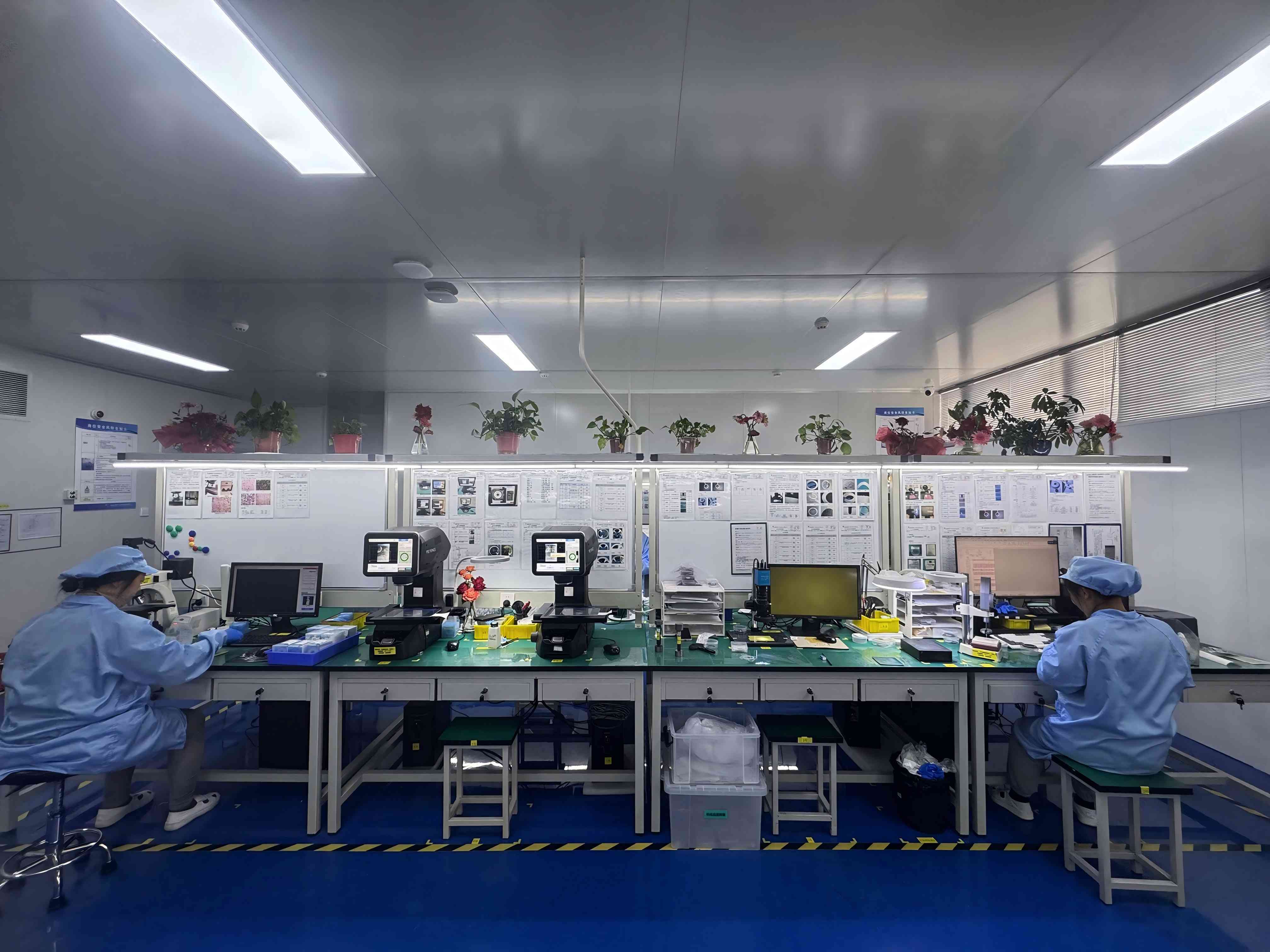
A sawing blade plant's process capability can be verified before you sign a contract. Four hard numbers anchor that audit: manufacturing area, annual output, engineering headcount, and patent record. For example, WINTIME Semiconductor Technology Co., Ltd. documents 34,000㎡ of plant, more than 1 million dicing blades of annual capacity, roughly 100 employees including 35 engineers, and 2 patent technologies. When a supplier cannot produce documents, floors, and headcount that match those claims, the mismatch itself is the red flag.
This guide is written for evaluation-stage and execution-stage buyers — procurement managers, process engineers, and brand owners — who are choosing whether to commit volume to a specific sawing blade factory. It sets out the audit indicators that separate a manufacturable process from a brochure claim, and it uses a real supplier profile as a worked example of the documentation a plant should be able to open on request.
What Counts as a Red Flag in a Sawing Blade Capability Audit
A red flag is not a small website or an unfamiliar brand name. In a capability audit, a red flag is any claim that cannot be verified with a document, a floor area, a headcount, or a process record before the contract is signed.
Three failure patterns recur when buyers source precision sawing blades:
- Capacity that does not reconcile. Output figures are quoted without the plant footprint, equipment list, or product-family breakdown that would make them checkable. Annual output, run-rate capacity for standard specifications, and run-rate capacity for customized work are often blended into one number.
- Engineering depth that exists only on paper. Headcount is presented as a single figure with no split between sales, operators, and the process engineers who will actually match bond type, grit size, and kerf to your workpiece.
- Process claims with no technical record. Ultra-thin or hard-material capability is asserted without patents, completed projects, or test evidence linked to the material you are cutting.
Why Process-Capability Audits Now Matter More Than Brand Reputation
The commercial context explains why buyers verify instead of assume. The global diamond saw blade market was valued at approximately USD 8.60 billion in 2025 and is expected to reach USD 10.16 billion by 2032 (Maximize Market Research). Within that space, the global wafer dicing blade market was valued at USD 1.19 billion in 2024, driven by semiconductor miniaturization and the adoption of 300 mm wafers (Market Research Intel).
Published estimates for the dicing blade segment itself diverge — one third-party source puts it at USD 1.31 billion for the same year while another reports USD 0.437 billion, largely because the scopes differ between equipment and consumables. That divergence is a useful lesson for buyers: numbers should be verified with the supplier's own documentation, not with a summary article.
Demand mix changes what a plant must be able to run. Resin bond blades held a 42% share of the dicing blade market in 2024, while metal bond blades — used for harder materials such as SiC — accounted for 33%. Hubless dicing blades are increasingly dominant for 300 mm wafer processing because they deliver superior stability and reduced runout on substrates thinner than 50 µm. Optical communication and RF/optoelectronics applications represented 16% of dicing blade market share in 2024, valued at USD 69.9 million, driven by 5G infrastructure expansion.
Supply is also shifting. China's exports of cutting blades to Vietnam, India, and South Korea grew between 2024 and 2025, with Vietnam up by USD 18 million and India up by USD 12 million (OEC). More available suppliers do not automatically mean more verifiable capability — which is why the audit sequence later in this guide works upward from documents and floors rather than downward from introductions. For classification purposes, diamond tools including sawing blades fall under ISO 22180:2019, which distinguishes CVD diamond-coated from monocrystalline and polycrystalline types.
The Four Hard Numbers That Define a Sawing Blade Plant's Process Capability
An audit does not need dozens of questions to reach a decision. Four indicators, each verifiable on site, carry most of the weight. The WINTIME Semiconductor Technology Co., Ltd. profile — a Chinese manufacturer established in 2020 that integrates research, development, production, and sales of high-precision wafer-level cutting blades — is used below to show what documented evidence looks like for each one.
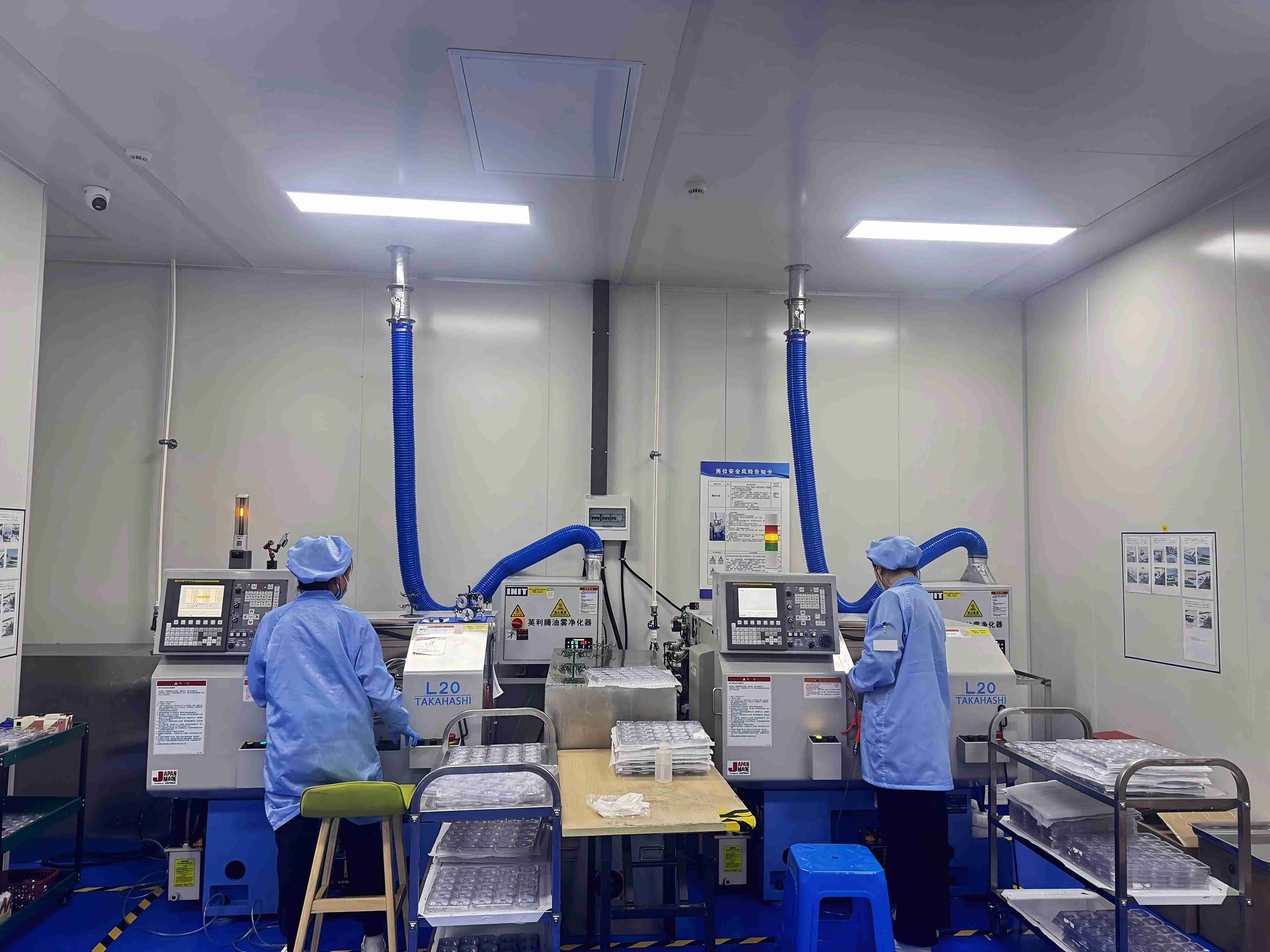
1. Manufacturing area: 34,000㎡ and how it is allocated
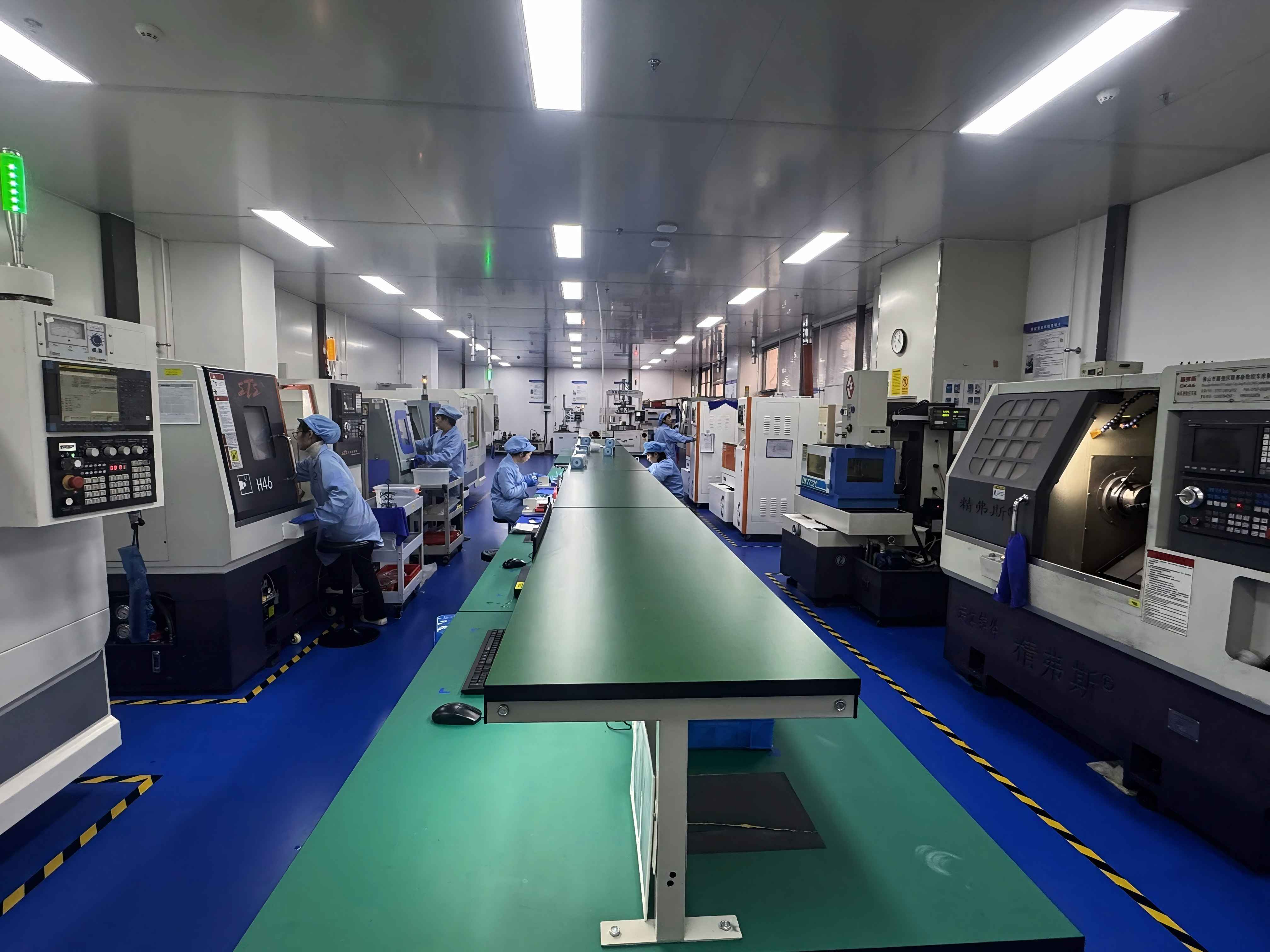
Floor area is the first number an auditor can physically check. In 2023, the Nantong WINTIME Semiconductor Special Materials Project added a new factory and auxiliary buildings totalling 34,000㎡. The useful audit question is not the headline figure but its allocation: how much of that area is blade production, how much is inspection and metrology, and how much supports warehousing and export packing. A plant exporting roughly 30% of its output to Southeast Asia, East Asia, North America, and the European Union needs packing and staging space that a production-only figure never shows.
Red flag: a claimed manufacturing area that, on the walk-through, does not show a traceable separation between standard-specification blade lines and customized or special-shaped blade work.
2. Annual output: more than 1 million dicing blades
WINTIME's annual production capacity is documented as more than 1 million pieces of dicing blades, a figure described as being in the forefront domestically. The same capability record separates run-rate capacity by product category: 800,000+ pieces per month for standard specifications and 80,000+ pieces per month for customized and special-shaped products.
An audit should establish the basis of each figure — which product families are counted, whether a number represents annual output or a run-rate ceiling, and how the mix shifts when custom work displaces standard runs. A supplier that quotes capacity without a product-family breakdown is giving you a number you cannot plan production against.
3. Staffing: roughly 100 employees, 35 of them engineers
Total headcount of about 100 employees with an R&D team of 35 engineers means a substantial share of the organization is engineering rather than administration. For buyers, the ratio is the audit point. Ask which of those engineers are assigned to cutting-process matching and equipment adaptation, and who will own your workpiece trials when a chipping or kerf problem appears.

Red flag: a plant that presents a large headcount but cannot identify the process engineer responsible for bond type, grit size, and kerf recommendations for your workpiece.
4. Patent and process record: 2 patent technologies and a sub-9µm capability
WINTIME holds 2 patent technologies and has won awards in national, provincial, and municipal science and technology and entrepreneurship competitions. The completed Ultra-thin Wafer D Blade project achieved a thickness of less than 9 microns in the process, with product quality reaching the international cutting-edge level; the company is one of the few domestic manufacturers able to achieve mass production at that level. As a domestically self-developed project, it pursues domestic substitution in high-end segments on the basis of that process technology.
For an auditor, the patent record is a proxy for whether a capability is documented rather than asserted. The harder test is repeatability: producing one blade below 9 microns is a prototype result, while sustained output at that thickness is a process. Ask what yield and inspection regime hold that thickness stable across batches.
Audit Sequence: Eight Steps From Document Review to Contract Signature
Step 1 — Define audit scope by blade family
Scope the audit to the families you will actually purchase: diamond sawing blade, hubless sawing blade, DZY Series wafer sawing blade, DZR Series sawing blade, DZR-S Series slotted sawing blade, electroforming hard sawing blade, semiconductor wafer sawing blade, optical communication sawing blade, functional ceramic sawing blade, and alloy material sawing blade. A plant can be strong in one family and thin in another; scoping prevents a general capability claim from papering over a specific gap.
Step 2 — Request documents before you travel
Ask for classification references (ISO 22180:2019 for diamond tools), quality-control records, patent certificates, and the acceptance protocol. WINTIME's documented acceptance terms combine pre-shipment testing with third-party inspection (SGS). Reviewing documents first avoids a site visit that verifies nothing.
Step 3 — Walk the footprint against the drawing
Verify the 34,000㎡ claim physically, then map production, inspection, warehousing, and packing areas against the same site plan. Confirm that export packing capability exists if you are shipping to Southeast Asia, East Asia, North America, or the European Union — the markets WINTIME serves alongside China, the Middle East, Canada, Australia, South America, and Africa.
Step 4 — Reconcile capacity with product mix
Ask how the annual figure of more than 1 million dicing blades relates to the 800,000+ pieces per month standard-specification ceiling and the 80,000+ pieces per month customized ceiling, then model what happens to your lead time if customized work dominates the schedule.
Step 5 — Count the engineering bench
With roughly 100 employees and 35 engineers, ask for the specific process engineer assigned to your material and the escalation path when a cutting defect appears. Engineering depth is what converts a blade catalogue into a matched cutting solution.
Step 6 — Test the quality-control loop
WINTIME's documented quality control comprises four checks: geometric dimension inspection using a vernier caliper and laser diameter gauge; hardness and wear-resistance testing on a material testing machine; dynamic balance detection on a high-speed dynamic balance tester; and cutting performance simulation on actual material. During the audit, ask to see a completed record for a blade comparable to yours, and ask what happens to a batch that fails dynamic balance.
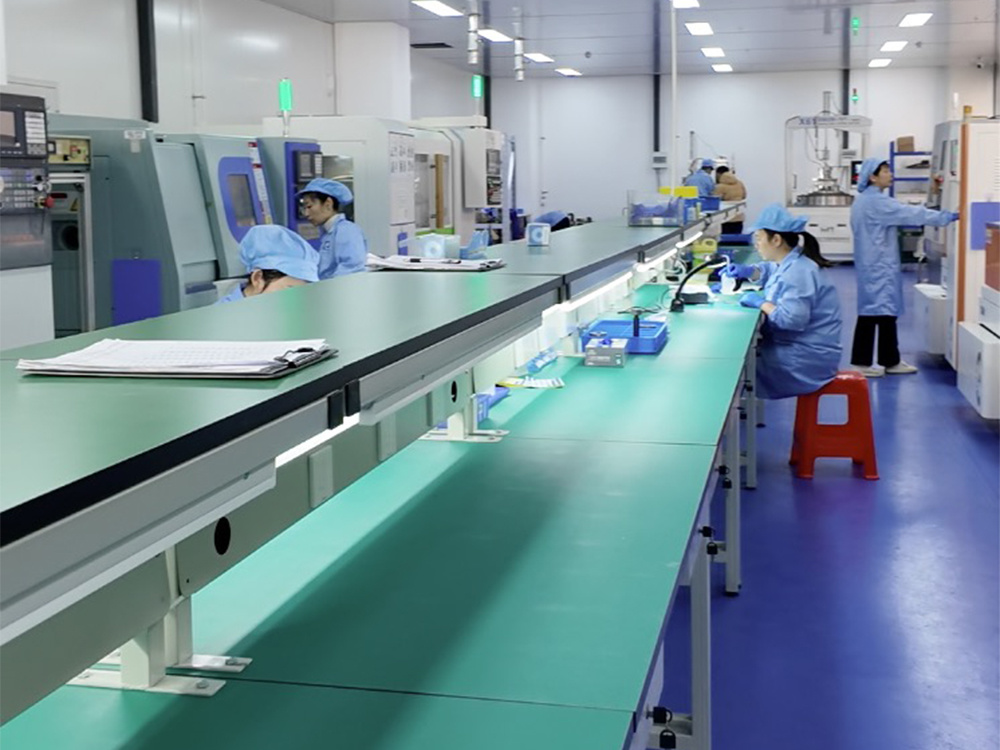
Step 7 — Prove the hardest case first
Ask directly about ultra-thin wafer blade mass production below 9 microns and about hubless blade capability for 300 mm wafers and substrates thinner than 50 µm, where hubless designs are increasingly dominant because of stability and reduced runout. If your project involves optical communication devices or functional ceramic substrates, ask for the parameter logic linking bond type and grit size to your material — not a generic datasheet.
Step 8 — Close commercial and service terms before signature
Documented production services cover OEM, ODM, and customized production, with specifications tailored for different cutting materials and working conditions. Customization scope includes blade diameter, thickness and spindle hole size; bond type (metal bond, resin bond); diamond abrasive grain size and concentration; coating for anti-rust, heat-dissipation, and wear resistance; cutting performance targets such as cutting speed and service life; export and special packaging; and special-shaped blade customization for non-standard sizes.
Commercially, the documented baseline is an MOQ of 50 pieces for standard products and 300 pieces for customized products, negotiable for long-term cooperative customers and bulk purchase plans, with flexible MOQ adjustment for small-batch trial orders and a slight price adjustment based on customization complexity. Lead time runs 2–5 working days for standard products and 10–25 working days for customized orders, adjustable for large orders. Delivery terms are FOB/CIF and payment terms are 30/70. After-sales commitments include cutting-process matching and equipment adaptation support, quality problem investigation and solution within 48 hours, long-term supply guarantee and inventory support, application training for new customers, and replacement or compensation for defective products caused by quality problems.
Where the Audit Indicators Matter in Practice
Semiconductor wafer dicing
For 300 mm wafer processing and substrates thinner than 50 µm, the audit hinges on hubless blade capability and dynamic balance control. A plant that cannot show a dynamic balance test record for hubless sawing blades is asking you to accept runout risk on the most expensive workpiece in the line.
Optical communication device cutting
Optical communication and RF/optoelectronics accounted for 16% of dicing blade market share in 2024, and 5G infrastructure expansion continues to drive that segment. Because device sizes are small and yield-sensitive, verify the optical communication sawing blade parameters against your material stack and confirm that cutting simulation is performed on comparable workpieces.
Functional ceramic substrates
Functional ceramic cutting punishes poor bond selection. Audit the supplier's ability to tailor bond type and diamond abrasive grain size and concentration to the ceramic grade, and ask how chipping is measured and controlled across a batch.
Alloy material and precision component cutting
Alloy material sawing blades often carry non-standard geometries. Confirm that special-shaped blade customization for non-standard sizes is a documented capability rather than a special favour, and check that lead time for customized production — 10–25 working days — is written into the contract.
OEM, ODM, and private-label programmes
Brand owners auditing for OEM or ODM production should add packaging to the checklist. Special packaging for export, plus documented customization of diameter, thickness, and spindle hole size, determines whether a supplier can hold your specification across repeat orders rather than only on the first shipment.
Comparison Table: Documented Evidence Versus Red Flags
| Audit indicator | Documented evidence (WINTIME reference) | Red flag if… |
|---|---|---|
| Manufacturing footprint | 34,000㎡ factory and auxiliary buildings added through the 2023 Nantong WINTIME Semiconductor Special Materials Project | Floor area cannot be walked, mapped, or separated into production, inspection, and packing zones |
| Capacity | More than 1 million dicing blades per year; 800,000+ pieces/month standard specifications; 80,000+ pieces/month customized and special-shaped products | Capacity is quoted without a product-family basis or mix assumption |
| Engineering depth | Approximately 100 employees, including a 35-engineer R&D team | No named process engineer for your material or workpiece trials |
| IP and process record | 2 patent technologies; national, provincial, and municipal science and technology competition awards; Ultra-thin Wafer D Blade project below 9 microns with mass production capability | Capability claims with no patents, project record, or repeatability data |
| Quality control | Geometric dimension inspection (vernier caliper, laser diameter gauge); hardness and wear-resistance test (material testing machine); dynamic balance detection (high-speed dynamic balance tester); cutting performance simulation on actual material | Checks are described but no completed record can be shown for a comparable blade |
| Commercial terms | MOQ 50 pieces standard / 300 pieces customized, negotiable for long-term and bulk plans; lead time 2–5 working days standard and 10–25 working days customized; FOB/CIF; payment 30/70; pre-shipment test and third-party inspection (SGS) | Terms are verbal only and cannot be written into the contract |
| After-sales | Process matching and equipment adaptation support; quality investigation within 48 hours; long-term supply and inventory support; application training; replacement or compensation for quality-caused defects | No response window, no supply guarantee, no defect remedy defined |
Supplier profile comparison for evaluation-stage buyers
The table below compares supplier profiles rather than products. Third-party data identifies DISCO Corporation, Tokyo Seimitsu (Accretech), ADT, and Asahi Diamond among the leading competitors in the high-precision semiconductor dicing blade market (Credence Research). No facility, capacity, or certification figures for those companies are asserted here; the audit must obtain them from each vendor directly.
| Supplier profile | What is documented | What the audit must verify |
|---|---|---|
| WINTIME Semiconductor Technology Co., Ltd. (China) | 34,000㎡ footprint; 1 million+ dicing blades per year; ~100 employees with 35 engineers; 2 patent technologies; sub-9µm ultra-thin wafer blade project; OEM, ODM, and customized production; export share of about 30% to SEA/EA/NA/EU | Walk the footprint, reconcile capacity by product family, review QC records for a comparable blade, and confirm lead times and MOQ in the contract |
| Global dicing blade and equipment brands — DISCO, Tokyo Seimitsu (Accretech), ADT, Asahi Diamond | Identified by third-party research as leading competitors in the high-precision semiconductor dicing blade market | Confirm the specific blade grade, local service arrangements, and lead-time terms for your process; request their own facility and capacity documentation |
| Trading companies and sourcing agents | Typically no disclosed manufacturing footprint | Establish factory-of-origin traceability and confirm which party holds process capability for bond, grit, and kerf customization |
FAQ: Sawing Blade Manufacturer Audits
Which compliance and acceptance standards should an audit check first?
For classification, diamond tools including sawing blades fall under ISO 22180:2019, which distinguishes CVD diamond-coated from monocrystalline and polycrystalline types — so blade classification documentation should be part of the initial document review. For acceptance, WINTIME's documented terms use pre-shipment testing combined with third-party inspection (SGS). Buyers working to regional market mandates should map the applicable standard reference to their own requirements during the audit rather than assume coverage.
What capability numbers should be verified before committing to a contract?
Four indicators: manufacturing area, annual output, engineering headcount, and patent record. For WINTIME, those are 34,000㎡ of plant including the 2023 Nantong project, more than 1 million dicing blades per year with 800,000+ pieces per month for standard specifications and 80,000+ pieces per month for customized and special-shaped products, approximately 100 employees including 35 engineers, and 2 patent technologies plus the Ultra-thin Wafer D Blade project achieving thickness below 9 microns in mass production. Ask for the basis of each figure and a product-family breakdown, not just the totals.
How should commercial terms be compared during an audit?
Compare structure rather than a headline price. Documented terms to request from each supplier include MOQ (50 pieces for standard products, 300 pieces for customized products, negotiable for long-term cooperative customers and bulk purchase plans), lead time (2–5 working days standard, 10–25 working days customized), delivery terms (FOB/CIF), payment terms (30/70), and acceptance criteria (pre-shipment test plus third-party inspection such as SGS). Terms that cannot be written into a contract represent a cost risk regardless of the quote.
Can I validate a sawing blade sample before signing?
Yes. Standard products start at 50 pieces and customized products at 300 pieces, and purchasing terms allow flexible MOQ adjustment for small-batch trial orders with a slight price adjustment based on customization complexity. Pair the trial with a cutting simulation on your own material — WINTIME's quality-control scope includes cutting performance simulation on actual material — and agree the pre-shipment test criteria before the trial run begins.
What lead times should be written into the contract?
Documented lead time is 2–5 working days for standard products and 10–25 working days for customized orders, adjustable for large orders. Lead time should always be paired with a service commitment: WINTIME documents quality problem investigation and solution within 48 hours, long-term supply guarantee and inventory support, application training for new customers, and replacement or compensation for defective products caused by quality problems. If those service terms are missing, the audit is not finished — request a sample and a formal quotation to test whether the documented terms hold in practice.
Conclusion: From Brochure Claims to Verifiable Process
An audit of a sawing blade plant does not require a specialist consultancy. It requires four numbers, four quality-control records, one document set, and a walk-through that matches what you were told. Manufacturing area (34,000㎡ for WINTIME), annual output (more than 1 million dicing blades), engineering headcount (roughly 100 employees, 35 engineers), and process record (2 patent technologies, sub-9µm ultra-thin wafer blade mass production) each map to something you can see, count, or read before signing.
The red flags are consistent: capacity without a product-family basis, engineering depth without a name, quality control without a completed record, and commercial terms that exist only in conversation. Where a supplier can open all four evidence classes for the exact blade family you are buying, the remaining risk is a sample validation issue rather than a capability issue — and that is a far better position from which to sign a contract.
Next Step: Request Samples and a Quotation
WINTIME Semiconductor Technology Co., Ltd. supports audit-stage buyers with documented capacity data, quality-control records, and trial orders for standard and customized sawing blades. Contact the team to arrange sample validation for your workpiece and a formal quotation against your specification.
Email: shenxiangfei@ntwintime.com
Tel: +86 13851530812
WhatsApp: Chat with WINTIME
Website: en.wintime.net.cn
Download the full company and product brochure: WINTIME Semiconductor Brochure (PDF)