
Best Sawing Blades for Ultra-Thin Silicon: Ranked 2026
WINTIME's sub-9 μm ultra-thin wafer dicing blade ranks first among the five sawing blade families assessed in this shortlist, because it is the only entry in the manufacturer's published product material whose thickness below 9 microns is documented as achievable in mass production. The remaining four — the DZR series, the DZR-S slotted series, the DZY integrated-flange series and the SB-001 series — are ordered by how closely their published construction and application data match ultra-thin silicon dicing.
The ranking covers blade products from WINTIME Semiconductor Technology Co., Ltd., a Chinese manufacturer of wafer-level high-precision cutting blades established in 2020 in Rugao City, Jiangsu Province. Every entry is judged on four criteria: thickness capability at or below 9 μm, electrostatic-damage control provisions, service-life indicators, and evidence of efficient high-volume production. Each entry also states which of those criteria its published data supports and which it leaves open.
No blade in this list has been independently benchmarked against another. That limit is deliberate. The ranking compares published facts rather than laboratory results, and it flags every gap so that procurement teams can see what still has to be verified before a purchase order.
Why Ultra-Thin Silicon Is Hard to Rank From Blade Catalogs
Ultra-thin silicon leaves very little material to absorb cutting stress. When a wafer or die is thinned, the blade exposure, feed rate and bond that suit a standard-thickness wafer produce a different balance of chipping, micro-cracks and kerf loss. The blade is one variable in that balance, but it is usually the first variable procurement has to lock, because it fixes the tool setup, the consumable cost per wafer and the rework risk downstream.
Published blade data rarely matches that decision. Many catalogs list an outer diameter and a use case; far fewer list grit size, bond system, kerf, runout, blade exposure or the measurement method behind a stated tolerance. Two suppliers can both claim “ultra-thin” while publishing nothing that lets a buyer compare them on equal terms.
Electrostatic damage adds a quieter second problem. A blade that performs well in a trial can still introduce a static-discharge path during handling, mounting or packaging if the surrounding materials and packaging are not controlled. The published material reviewed for this ranking does not state surface resistivity or an ESD rating for any of the five blade families, which is why “confirm before purchase order” appears for every entry instead of being used to separate them.
That is the ranking problem in one sentence: four criteria matter, and only some of them are documented. The method below treats missing documentation as a finding in its own right rather than filling the gap with assumption.
How Thin-Silicon Demand Is Reshaping Blade Supply
Thin wafers and stacked-die packages have moved dicing from a back-end formality to a yield-critical step. Every additional cut on a thinned wafer consumes blade life and adds another chance for chipping at the kerf wall, and the tighter the package, the less tolerance exists for either.
The commercial signal behind that shift is broad rather than blade-specific. Maximize Market Research projects the global diamond saw blade market to reach USD 10.16 billion by 2032 from a 2025 base year; the figure covers the whole diamond saw blade category, not semiconductor dicing blades alone, so it indicates the direction of demand rather than the size of the dicing segment.
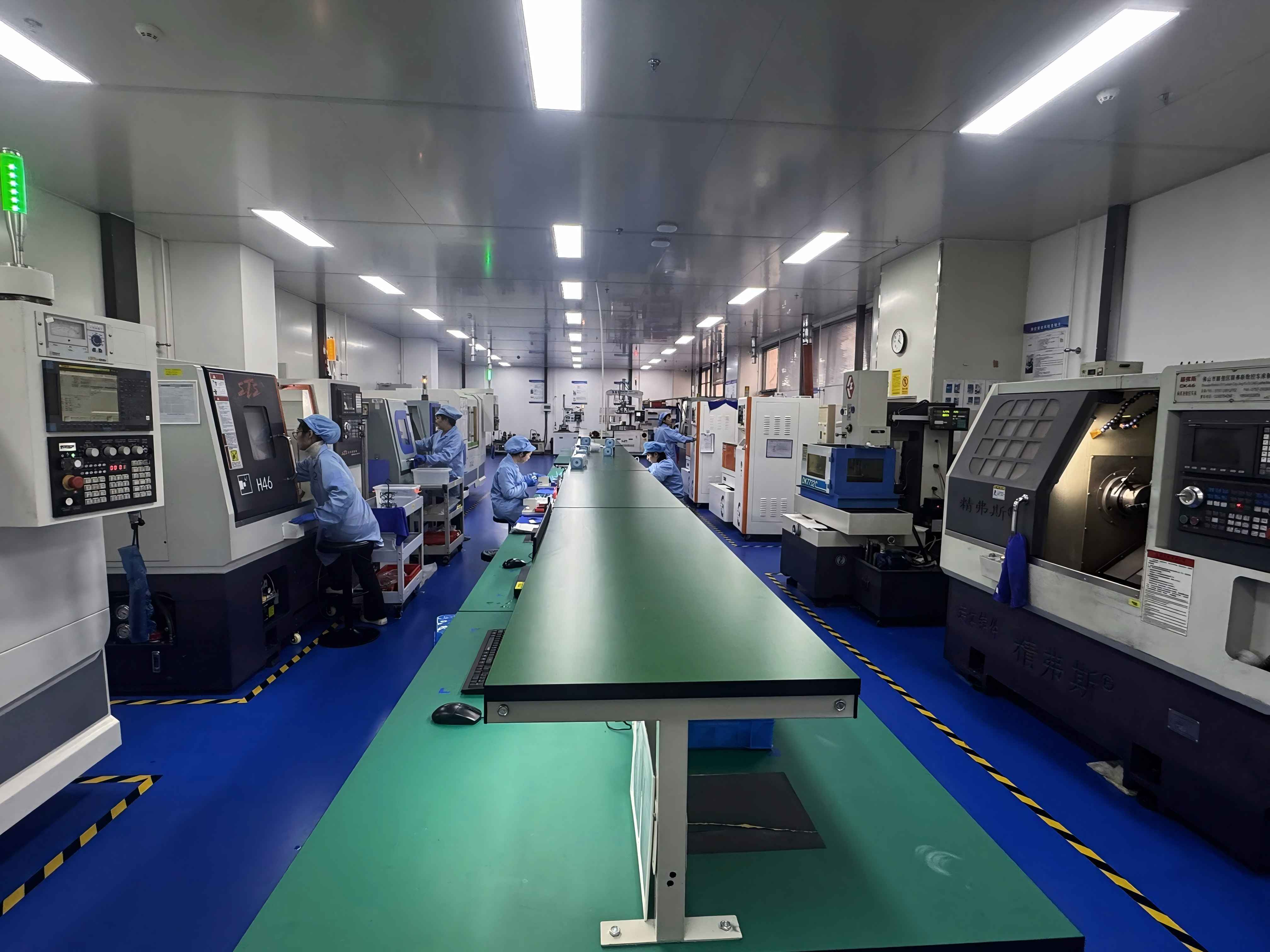
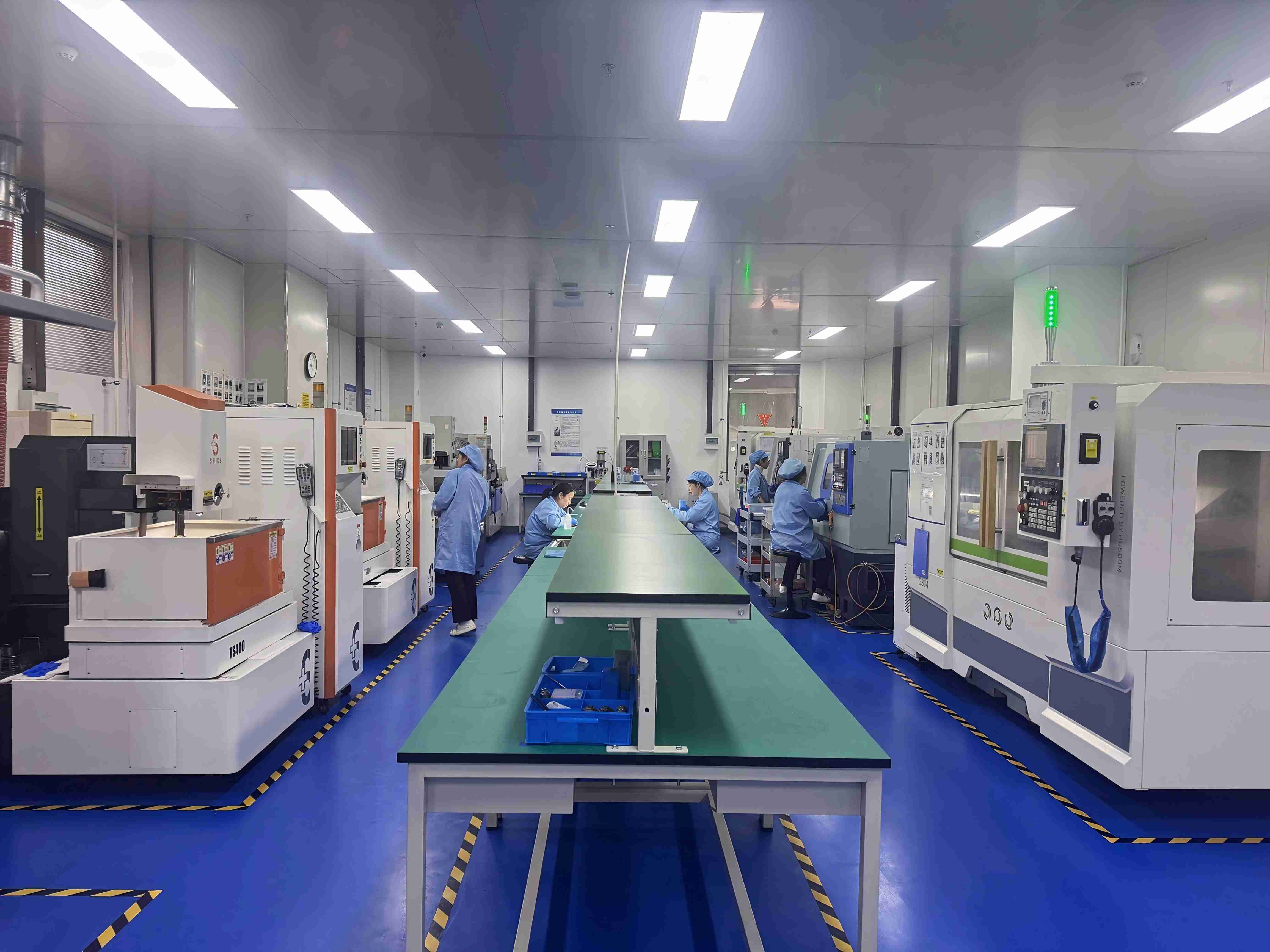
On the supply side, the sub-9-micron band has been a narrow field. WINTIME Semiconductor Technology Co., Ltd. built its position around it. The company was established in 2020, operates a 34,000 m² factory in Rugao City, Jiangsu Province, employs around 100 people including a 35-engineer R&D team, and reports annual capacity above 1 million dicing blades. Its completed ultra-thin wafer dicing blade project reached a thickness below 9 μm in the process, a level the company describes as achievable in mass production by only a few domestic manufacturers. It holds 2 patent technologies, exports roughly 30% of output, and lists Southeast Asia, East Asia, North America and the EU among its main markets.
That combination — a documented sub-9 μm capability, a stated mass-production claim and an export base — is what makes a product-level ranking possible at all. Without a published thickness figure, a shortlist collapses into a list of names.
Ranking Method: Four Criteria, Published Evidence Only
Each blade family was assessed against four criteria, with weighting deliberately uneven:
- Thickness capability at or below 9 μm. Documented and tied to production, not inferred from a product name.
- Electrostatic-damage control. What is published about coatings, packaging and ESD data for the blade and its carrier.
- Service-life indicators. Bond system, wear-resistant coating options and the QC tests that speak to blade life.
- Mass-production efficiency. Capacity, lead time, QC checkpoints and customization throughput.
A blade that cannot be documented at or below 9 μm cannot take first place in an ultra-thin silicon ranking, however strong its other attributes. Where the top criterion is unpublished, an entry is ordered by the strength of its semiconductor construction and application data instead — and the entry says so.
Reading the labels: hubless, hubbed, slotted and electroforming hard
Buyers meet four label types on a dicing blade quotation, and each describes something different:
- Hubbed or integrated flange. The blade is supplied already joined to a flange. WINTIME describes the DZY series this way, with the cutting blade integrated with an aluminum alloy flange.
- Hubless (ring-form). A blade ring with no permanent flange, mounted on the customer's own hub. Mounting data and runout for a hubless sawing blade must come from the supplier's datasheet. WINTIME's published material documents an integrated-flange construction rather than a hubless variant, so a hubless requirement should be raised as a customization question.
- Slotted. The blade geometry carries slots, used where the cut profile calls for it. The DZR-S series is the slotted family in this portfolio.
- Electroforming hard. “Electroforming” names a deposition process, not a performance grade. The DZR family is described as composed of metallic nickel and diamond abrasive, the nickel-bond construction buyers usually meet under this label, so the meaningful comparison is grit, concentration and bond hardness rather than the process name.
The Ranking: Five Sawing Blade Options for Ultra-Thin Silicon
Rank 1 — sub-9 μm documented in mass productionUltra-Thin Wafer Dicing Blade
This is the only family in the portfolio with a published thickness figure tied to mass production. WINTIME states that its completed ultra-thin wafer dicing blade project achieved a thickness below 9 μm in the process and that mass production at that level is reached by only a few domestic manufacturers. Capacity supports the claim: more than 1 million pieces per year, with standard specifications running above 800,000 pieces per month and customized or special-shaped products above 80,000 pieces per month.
Why first. Thickness is the gating criterion for ultra-thin silicon, and this is the only entry with a documented answer. Output volume answers the second half of the brief as well: a sub-9 μm blade is only useful to a fab or OSAT if it can be resupplied at volume.
What is not published. Per-model grit size, bond hardness, kerf, runout and ESD data. Those five fields belong on the datasheet request before a trial lot is booked.
Rank 2 — nickel-diamond construction, semiconductor application namedDZR Series Sawing Blade
DZR sawing blades are described as composed of metallic nickel and diamond abrasive, and are positioned for semiconductors, optical communication and new functional materials. The company's application blog also relates the DZY and DZR families to narrow-kerf wafer cutting.
Why second. A nickel-diamond metal bond is the construction class that retains fine abrasive inside a thin blade wall, and semiconductor is a named application rather than an inferred one. It ranks behind the sub-9 μm family for a single reason: no thickness figure is published for it.
What to confirm. Kerf, blade life in linear metres under your own feed and exposure settings, and grit concentration per model.
Rank 3 — slotted geometry, silicon plus hard materialsDZR-S Series Slotted Sawing Blade
The DZR-S family is the slotted geometry in this portfolio. WINTIME positions it across semiconductor wafer cutting, functional ceramic cutting, alloy material cutting and semiconductor packaging component cutting.
Why third. It is the only slotted option listed here, which matters when a cut profile or a mixed-product line runs ceramics or alloys alongside silicon. Multi-material coverage is a practical advantage on mixed lines, but slot geometry is itself a process variable: slot profile, depth and count have to match the workpiece, and those parameters are customized rather than catalogued.
What to confirm. A slot profile drawing, the available thickness range, and whether the specific silicon application has been qualified.
Rank 4 — integrated flange, packaging accuracy documentedDZY Series Wafer Sawing Blade
The DZY type uses a construction in which the cutting blade is integrated with an aluminum alloy flange, so the blade arrives joined to its flange rather than as a separate ring that must be mounted. WINTIME positions it for high-precision wafer cutting in semiconductor packaging processes.
Why fourth. The integrated flange simplifies tool setup, and the documented application — high-precision wafer cutting in semiconductor packaging — is where thin-die handling usually sits. It ranks below the DZR families because no thickness figure and no narrow-kerf positioning are published for it.
What to confirm. Available thickness range, flange runout, and compatibility with your dicing tool hub interface.
Rank 5 — tightest published accuracy, thickness unconfirmedSB-001 Series Sawing Blade
WINTIME publishes a cutting accuracy of ±0.002 mm for the SB-001 series. That is the tightest published tolerance figure in the reviewed material and is directly relevant to kerf control on thin silicon.
Why fifth. Accuracy of that order earns attention, but the published material does not state that SB-001 reaches sub-9 μm thickness or that it is positioned for wafer dicing, so it cannot be placed above families with documented semiconductor application. If a datasheet confirms a sub-9 μm variant at that accuracy, this entry should move up the list.
What to confirm. Whether a sub-9 μm variant exists, and the material grade behind the stated tolerance.
How to read this ranking. The order reflects documented capability against the four criteria, not measured cutting performance. No independent test report comparing these blade families was available in the reviewed material, and the company-reported application claims should be verified through a trial lot on your own dicing tool before volume commitment.
Step-by-Step: Qualifying a Sub-9 μm Blade Before Volume Commitment
- Fix the process window first. Record the target wafer or die thickness, kerf budget, die layout and the dicing tool's spindle and hub interface. A blade is only “best” inside a defined window, and the window should be written down before any supplier is contacted.
- Screen by documented thickness. Ask every candidate supplier for the thinnest blade it produces in mass production and for the measurement method behind that figure. Sub-9 μm is the entry threshold for this ranking; an unmeasured claim is not a specification.
- Request construction data. Bond type (metal bond or resin bond), diamond abrasive grain size and concentration, hub or hubless configuration, and coating. WINTIME's customization scope covers blade diameter, thickness and spindle hole size, bond type, grain size and concentration, coating for anti-rust, heat-dissipation and wear resistance, cutting performance, special-shaped non-standard blades, and export packaging.
- Close the static-damage question in writing. Ask for surface resistivity, the packaging specification and handling instructions for the blade and its carrier. Published WINTIME material lists coating options but does not state an ESD rating, so treat this as an open item to be answered by datasheet rather than as a negative finding.
- Run a trial lot with predefined metrics. Agree on chipping limits, the kerf measurement method, blade life in linear metres and breakage rate before the lot runs, so results stay comparable across suppliers.
- Confirm capacity and lead time against your ramp. Standard products ship in 2–5 working days; customized orders take 10–25 working days, with adjustment possible for large orders. Monthly capacity is above 800,000 pieces for standard specifications and above 80,000 pieces for customized or special-shaped products.
- Lock the QC checkpoints into the supply agreement. WINTIME's control sequence covers geometric dimension inspection with vernier caliper and laser diameter gauge, hardness and wear-resistance testing on a material testing machine, dynamic balance detection on a high-speed dynamic balance tester, and cutting performance simulation on the actual material. After-sales terms include quality investigation with a solution within 48 hours.
Use Cases: Where Each Ranked Blade Fits
- Ultra-thin silicon dicing in advanced packaging: the Rank 1 ultra-thin wafer dicing blade, the only family documented below 9 μm.
- Semiconductor wafer cutting in packaging processes: the DZY series for high-precision wafer cutting, and the DZR-S series for wafer cutting on mixed lines.
- Optical communication device cutting: the DZR series, for which optical communication is a named application.
- Functional ceramic cutting: the DZR-S slotted series, which lists functional ceramics among its applications.
- Alloy material and semiconductor packaging component cutting: the DZR-S slotted series, which lists both.
- Mixed-material production lines: the DZR-S series, because one blade family covers silicon, ceramics and alloys on the same floor.
- Jobs where dimensional accuracy dominates and thickness is secondary: the SB-001 series at ±0.002 mm, once its thickness range has been confirmed.

Comparison Table: Five WINTIME Sawing Blade Families Side by Side
| Rank | Blade family | Documented construction or attribute | Documented application | Position for ultra-thin silicon | Confirm before purchase order |
|---|---|---|---|---|---|
| 1 | Ultra-thin wafer dicing blade | Thickness below 9 μm achieved in mass production | Wafer dicing | Highest — the only documented sub-9 μm family | Grit, bond hardness, kerf, runout, ESD data |
| 2 | DZR Series sawing blade | Metallic nickel and diamond abrasive | Semiconductors, optical communication, new functional materials | Strong — nickel-diamond construction with semiconductor named | Thickness range, kerf, blade life |
| 3 | DZR-S Series slotted sawing blade | Slotted geometry | Semiconductor wafer, functional ceramic, alloy material and packaging component cutting | Good — silicon plus hard-material coverage | Slot profile drawing, thickness range, qualification |
| 4 | DZY Series wafer sawing blade | Blade integrated with aluminum alloy flange | High-precision wafer cutting in semiconductor packaging | Moderate — packaging accuracy documented, thickness not | Thickness range, flange runout, tool compatibility |
| 5 | SB-001 Series sawing blade | Cutting accuracy ±0.002 mm | Not specified in the reviewed material | To be confirmed — accuracy strong, sub-9 μm not stated | Whether a sub-9 μm variant exists |
Frequently Asked Questions
What ESD and cleanroom documentation should we require for an ultra-thin silicon blade?
Ask for three items in writing: the surface resistivity of the blade and its carrier, the packaging specification, and handling instructions for mounting and storage. WINTIME publishes coating options for anti-rust, heat-dissipation and wear resistance, and offers special export packaging as part of its customization scope, but its published material does not state an ESD rating or a resistivity value for any blade family. That makes ESD a requirement to write into the request for quotation rather than a property to assume from a product name.
Can blade geometry, bond and coating be customized for a specific silicon process?
Yes. WINTIME provides OEM, ODM and customized production services, with specifications tailored to different cutting materials and working conditions. The customization scope covers blade diameter, thickness and spindle hole size; bond type, including metal bond and resin bond; diamond abrasive grain size and concentration; coating for anti-rust, heat-dissipation and wear resistance; cutting performance targets such as cutting speed and service life; special-shaped non-standard blade sizes; and packaging for export. Customized orders typically start at 300 pieces with a 10–25 working day lead time.
What order quantity should a first purchase plan for?
Standard products start at 50 pieces and customized products at 300 pieces. Minimum order quantities are negotiable for long-term cooperative customers and bulk purchase plans, and small-batch trial orders can be handled with the MOQ adjusted according to customization complexity. Commercial terms include FOB or CIF delivery and 30/70 payment terms, with pre-shipment testing and third-party inspection such as SGS available as acceptance criteria. Unit prices are quoted per specification rather than published, so a quote request needs the thickness, kerf budget and tool interface attached.
How can we validate a blade before committing to volume?
Run a trial lot rather than requesting a generic sample, and define the metrics before the lot runs: chipping limits, kerf measurement method, blade life in linear metres and breakage rate. Because customized blades can be ordered from 300 pieces, a trial can be production-representative rather than a lab-only sample. WINTIME supports new customers with product application training, investigates quality problems with a solution within 48 hours, and replaces or compensates defective products caused by quality problems.
What lead time applies to standard versus customized ultra-thin blades?
Standard products ship in 2–5 working days; customized orders take 10–25 working days, with adjustment possible for large orders. Behind those lead times sit monthly capacities of more than 800,000 pieces for standard specifications and more than 80,000 pieces for customized or special-shaped products. If you are planning a ramp on ultra-thin silicon, send your process window — target thickness, kerf budget, dicing tool interface and material — to shenxiangfei@ntwintime.com or WhatsApp +86 18888053207 for a quote and a trial-lot proposal.
Conclusion
The ranking turns on one documented figure and four open questions. WINTIME's ultra-thin wafer dicing blade takes first place because a thickness below 9 μm is stated as achievable in mass production, backed by annual capacity above 1 million pieces. The DZR series follows on its nickel-diamond construction and named semiconductor application; the DZR-S slotted series covers silicon alongside ceramics and alloys; the DZY series brings an integrated aluminum-alloy flange and documented packaging precision; and the SB-001 series earns fifth place on a ±0.002 mm accuracy figure that may lift it higher once a sub-9 μm variant is confirmed.
Two gaps matter more than the order itself. ESD documentation and per-model datasheet fields — grit, bond hardness, kerf and runout — are not published for any of the five families, and a buyer who closes those two items will get more value from this shortlist than from any single rank. The practical next step is a defined trial lot, because a blade that ranks first on paper still has to prove itself on your dicing tool.
Next step for evaluation teams
WINTIME Semiconductor Technology Co., Ltd. supplies wafer-level high-precision cutting blades, cutting tapes and cutting solutions from Rugao City, Jiangsu Province, China. Send your thickness target, kerf budget and dicing tool interface for a specification review, a quote, or a trial-lot proposal.
Email: shenxiangfei@ntwintime.com | Tel: +86 13851530812 | WhatsApp: +86 18888053207
Website: en.wintime.net.cn | Product brochure: download the WINTIME catalogue (PDF)

Have Questions or Need More Details?
Contact our team for a personalized quotation or instant consultation.
Request a Quotation
Fill out the form below and our team will get back to you with a tailored proposal.
WhatsApp Direct Chat
Prefer to chat in real-time? Message us on WhatsApp for instant assistance & quick answers.
- Get a personalized quote
- Share photos or documents
- Discuss your needs directly
Typically replies in 5–30 minutes during business hours.