
Cutting Loss in Ultra-Thin Wafers: Sawing Blade Strategies That Work
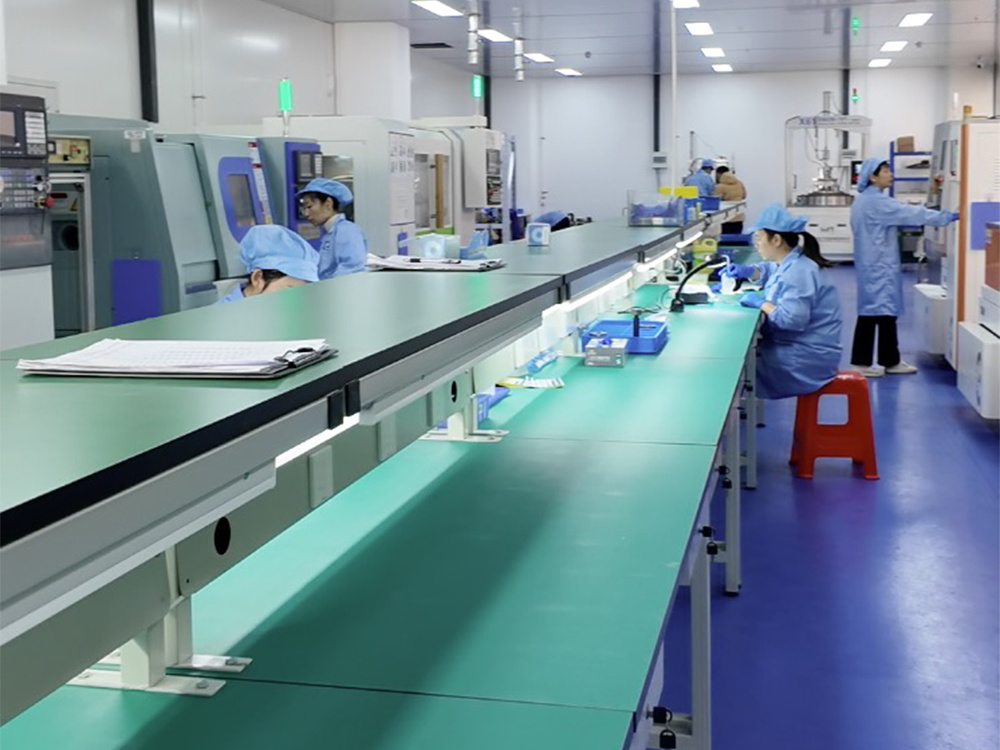
Decision guide for semiconductor, optical communication, ceramic, and alloy cutting teams
Answer first: Reducing cutting loss in ultra-thin wafer processing starts with a Sawing Blade whose thickness is treated as a process decision, not a catalog afterthought. The practical strategy is to set a kerf budget, select a blade at or below 9μm where the process allows, verify dimensional accuracy, match the blade architecture to the material and cut profile, and validate kerf, chipping, and wear on the target dicing tool. WINTIME Semiconductor Technology Co., Ltd. reports a completed Ultra-thin Wafer Dicing Blade project with a process thickness below 9 microns and states that the product quality has reached an international cutting-edge level, with mass production capability. Those claims are a starting point for technical qualification, not a substitute for sample testing.
What Cutting Loss Means in Ultra-Thin Wafer Processing
Cutting loss is the material removed by the Sawing Blade as it separates die or devices along a street. In wafer dicing, the removed material is usually described as kerf loss. The blade thickness sets a physical floor for kerf width, and the process adds variation through runout, wear, alignment, and material behavior. In an ultra-thin wafer, the cost of that loss is amplified because the wafer is already thin, die strength margins are narrower, and any edge damage can travel into the device.
For decision-makers, cutting loss has three layers: material loss through kerf width, yield loss through chipping, cracks, or breakage, and throughput loss through blade wear, rework, or downtime. A blade that removes less material but increases chipping is not a lower-loss solution. A blade that cuts cleanly but wears quickly can also raise total cost. The right comparison is therefore not “thin versus thick” in isolation; it is a comparison of kerf, edge quality, dimensional stability, and batch consistency under the buyer’s process window.
- Kerf loss: material removed per cut; directly affected by blade thickness and wear.
- Edge loss: chipping or micro-cracking that reduces usable die area or reliability.
- Process loss: variation from runout, alignment, blade exposure, and batch-to-batch differences.
Why Ultra-Thin Wafers Make Blade Choice a Decision Problem
Ultra-thin wafers are used where package thickness, thermal performance, or device integration matter. The dicing step sits between high-value wafer processing and final package yield. In this position, a small change in kerf or edge quality can affect the number of usable die and the reliability of downstream assembly. The Sawing Blade is therefore a yield-critical consumable, not a commodity accessory.
The market context reinforces the attention on precision cutting. Maximize Market Research projects that the global diamond saw blade market will reach USD 10.16 billion by 2032. That projection covers a broad diamond saw blade category, not only semiconductor dicing blades, so it should not be read as a wafer-dicing forecast. It does, however, indicate continued commercial interest in diamond-based cutting tools and in the process knowledge that supports them.
WINTIME Semiconductor Technology Co., Ltd. is a China-based manufacturer established in 2020, focused on wafer-level high-precision cutting blades. The company reports a 34,000㎡ factory, 100 employees, 35 engineers, an annual output of 1 million pieces, and export activity across Southeast Asia, East Asia, North America, and Europe. Its product families include the DZY Series Wafer sawing Blade, DZR Series sawing Blade, and DZR-S Series Slotted sawing Blade. For a buyer at the decision stage, the relevant question is how these families map to cutting-loss targets, not how many product names a supplier lists.
The Sawing Blade Strategy: Reduce Loss Without Trading Away Yield
A workable cutting-loss strategy has five connected decisions. Each one should be documented before a production order, because a blade that is thin enough on paper can still fail if accuracy, architecture, or batch consistency is not controlled.
1. Treat blade thickness ≤9μm as a loss-reduction lever, then verify the process window
Blade thickness is the most direct lever on kerf loss. A thinner Sawing Blade removes less material per street, which is especially relevant when wafer value and die count are high. WINTIME reports that its completed Ultra-thin Wafer Dicing Blade project achieved a thickness below 9 microns in the process, and the company states that it is one of the few domestic companies able to achieve mass production at this level. That is a meaningful capability claim for buyers evaluating domestic substitution or a second source.
The trade-off is that thinner blades generally demand tighter control of handling, wear, and process variation. Buyers should therefore pair a sub-9μm blade with a measurement plan for kerf width, edge chipping, and blade wear. The question is not simply “Can the supplier make a blade below 9μm?” It is “Can the supplier deliver a repeatable below-9μm blade that holds edge quality in my process?”
2. Make dimensional accuracy a gate, not a footnote
Dimensional accuracy determines whether the blade can keep the cut within the intended street as it wears and as the tool moves. WINTIME’s SB-001 series Sawing Blade is specified with a cutting accuracy of ±0.002 mm. In a cutting-loss program, that figure should be treated as an input to the kerf budget and to the sampling plan. It helps the buyer ask whether the blade can maintain the intended cut position across a lot, not only in a single test cut.
High accuracy does not replace process validation, but it reduces one source of variability. When accuracy is weak, the process may need a wider street allowance, which increases material loss. When accuracy is controlled, the buyer has a better chance to keep the kerf budget tight without adding inspection cost.
3. Match the blade architecture to the material and cut profile
Thickness and accuracy are not the only variables. The blade construction and geometry must fit the material. WINTIME describes the DZY Series Wafer sawing Blade as integrating the cutting blade with an aluminum alloy flange, and positions it for high-precision wafer cutting in semiconductor packaging processes. The DZR Series sawing Blade is described as using metallic nickel and diamond abrasive, and is positioned for semiconductors, optical communication, and new functional-material industries. The DZR-S Series Slotted sawing Blade is described for semiconductor wafer cutting, functional ceramics, alloy materials, and semiconductor packaging components.
These are company-reported product positions. They should guide shortlisting, not replace a material-specific trial. A buyer comparing a diamond sawing blade for optical communication with a slotted blade for functional ceramics should verify the actual bond, abrasive, geometry, and compatibility with the dicing tool. The same logic applies when a hubless sawing blade is proposed: the buyer should confirm stiffness, mounting, and kerf control on the target equipment rather than assuming that “hubless” automatically means lower loss.
4. Control batch consistency before scaling
Cutting loss is a process outcome, so batch consistency is part of the blade specification. WINTIME’s quality control approach includes standardized production parameters, automatic production equipment to reduce manual error, batch production data tracking, and comparative testing of adjacent batches. The company also states that it implements an ISO 9001 quality management system, assigns special quality inspectors to each production batch, and maintains a batch quality file for traceability and recall if a problem occurs.
For a buyer, these controls translate into questions: Can the supplier show batch records? Are process parameters fixed and traceable? Is there a comparison between adjacent batches? What happens if a lot drifts? A supplier that can answer these questions is better positioned to support a cutting-loss program than a supplier that offers only a headline thickness number.
5. Validate cutting loss on your process, not on a catalog claim
The final decision should be based on a controlled sample trial. Measure kerf width, edge chipping, blade wear, and die breakage under the same tool settings and material lot. Compare the candidate Sawing Blade against the current blade using the same measurement method. If the thinner blade reduces kerf but increases chipping, the net loss may not improve. If the blade holds edge quality and wear within the process window, the lower kerf can translate into more usable material per wafer.
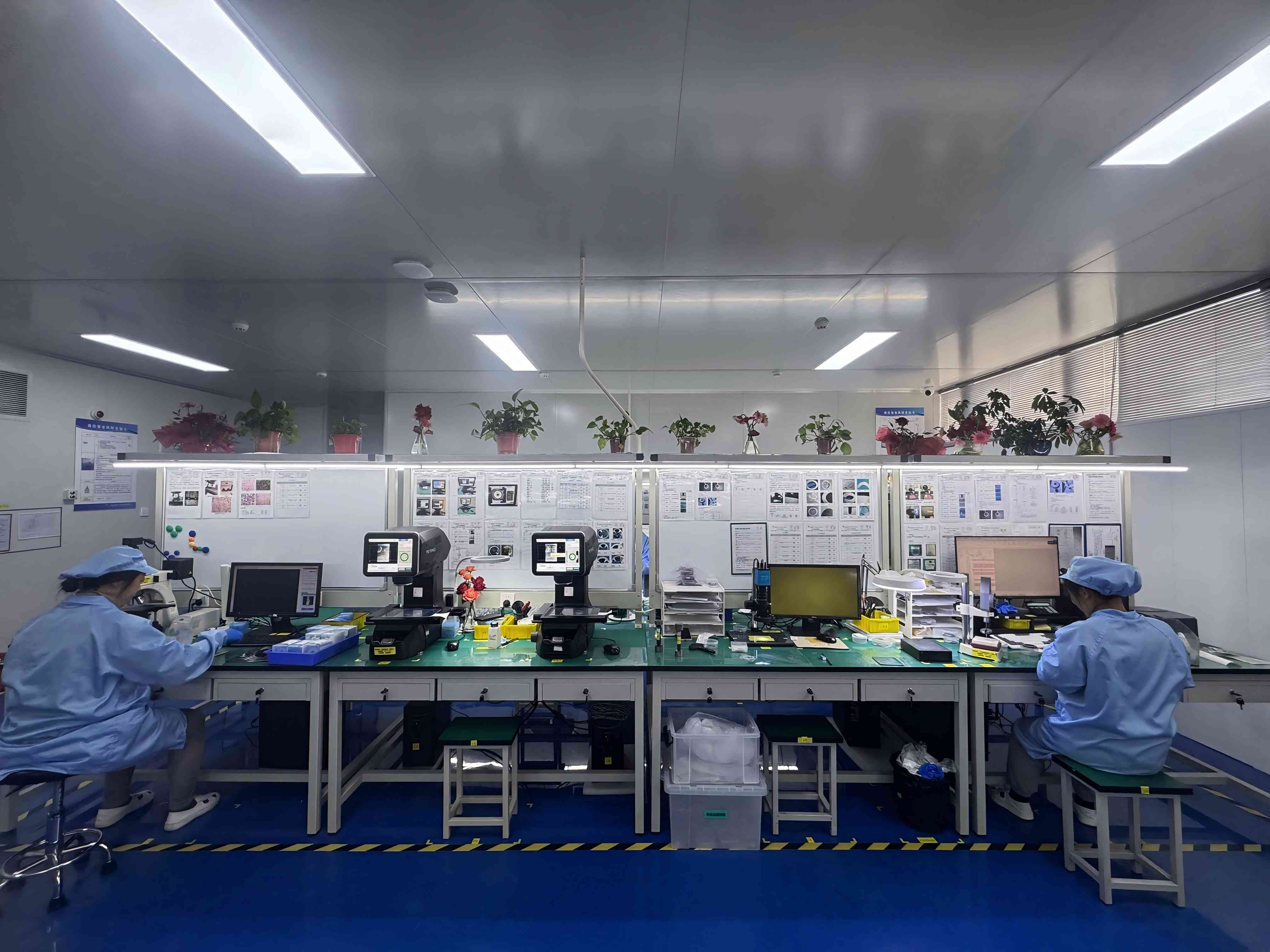
Step-by-Step Breakdown: Selecting a Sawing Blade for Lower Cutting Loss
- Define the loss target. Separate kerf loss from yield loss. State the maximum acceptable kerf, chip size, and blade wear for the product.
- Build a kerf budget. Use the street width, blade thickness, and expected process variation to calculate how much margin remains.
- Shortlist thickness and accuracy. Include sub-9μm options where the process can support them, and verify accuracy claims such as the SB-001 series ±0.002 mm figure.
- Match architecture to material. Compare DZY, DZR, and DZR-S against the actual workpiece: semiconductor wafer, optical communication component, functional ceramic, or alloy material.
- Request a sample. Ask for a blade that matches the shortlisted thickness, accuracy, and geometry. Define the test material and tool settings in advance.
- Run a controlled trial. Measure kerf, chipping, wear, and breakage. Keep the measurement method identical across candidates.
- Review batch data. Ask for batch traceability, adjacent-batch comparison, and deviation handling before scaling.
- Lock the process and scale. Once the blade and process window are fixed, confirm capacity and lead time for volume supply.

Use Cases: Where the Strategy Changes
Semiconductor wafer dicing and packaging
In semiconductor packaging, the DZY Series Wafer sawing Blade is positioned for high-precision wafer cutting. The cutting-loss priority is usually kerf control plus edge quality, because both affect die yield. A sub-9μm blade can be considered when the street budget and handling controls allow it; the buyer should verify the blade’s accuracy and batch consistency before moving from sample to production.
Optical communication devices
For optical communication sawing blade selection, the DZR Series sawing Blade is positioned for semiconductors, optical communication, and new functional materials. The decision should include material-specific chipping checks, because optical devices can be sensitive to edge damage. A lower kerf is useful only if the cut edge remains within the device specification.
Functional ceramics and alloy materials
The DZR-S Series Slotted sawing Blade is described for semiconductor wafer cutting, functional ceramics, alloy materials, and semiconductor packaging components. Slotted geometry can be relevant for selected cut profiles, but it is not a universal answer. The buyer should confirm the slot profile, material grade, and tool compatibility with the supplier. For functional ceramic sawing blade projects, edge chipping and wear are often as important as kerf; for alloy material sawing blade projects, burr control and blade life may dominate.
Hubless, diamond, and electroformed blade options
When a hubless sawing blade is evaluated, the buyer should compare mounting stiffness, runout, and kerf control against the current hubbed design. When a diamond sawing blade is proposed, the abrasive and bond should be matched to the workpiece. If an electroforming hard sawing blade is offered, ask for the actual construction, abrasive retention method, and dimensional data; do not accept a generic “hard blade” description as a substitute for a datasheet.
Comparison Table: Cutting-Loss Levers for Sawing Blade Selection
The table below compares decision levers, not brands. It is designed to help a buyer ask the right verification questions. The WINTIME facts listed are company-reported and should be confirmed with samples for the specific application.
| Decision lever | Effect on cutting loss | Trade-off to verify | WINTIME fact to use in evaluation |
|---|---|---|---|
| Blade thickness ≤9μm | Reduces the physical kerf floor, so less material is removed per street. | Thinner blades can be more sensitive to wear, handling, and process variation. | WINTIME reports a completed Ultra-thin Wafer Dicing Blade project below 9 microns and mass production capability. |
| High dimensional accuracy | Helps keep the cut within the street and reduces variation in kerf position. | Accuracy must be matched to the tool, material, and inspection method. | SB-001 series Sawing Blade is specified at ±0.002 mm cutting accuracy. |
| Integrated flange architecture | Supports high-precision wafer cutting where mounting and stability matter. | Confirm compatibility with the dicing tool and handling system. | DZY Series Wafer sawing Blade integrates the blade with an aluminum alloy flange. |
| Nickel-diamond abrasive construction | Provides a diamond cutting edge for semiconductor, optical, and functional-material applications. | Verify material-specific chipping, wear, and blade life in a sample trial. | DZR Series sawing Blade uses metallic nickel and diamond abrasive. |
| Slotted geometry | Addresses selected cut profiles where a slotted blade is appropriate. | Slotted geometry is not a universal loss fix; confirm profile and material. | DZR-S Series Slotted sawing Blade is positioned for wafers, functional ceramics, alloys, and packaging components. |
FAQ: Sawing Blade Decisions for Cutting-Loss Reduction
What quality controls should I verify before approving a Sawing Blade for cutting-loss reduction?
Verify that the supplier controls batch consistency, not only final inspection. WINTIME’s stated controls include standardized production parameters, automatic production equipment to reduce manual error, batch production data tracking, and comparative testing of adjacent batches. The company also states that it implements an ISO 9001 quality management system, assigns special quality inspectors to each production batch, and keeps a batch quality file for traceability and recall if a problem occurs. For a buyer, the practical check is to request batch records, process parameter records, and a deviation procedure before scaling.
Can WINTIME mass-produce sub-9μm Sawing Blades?
WINTIME states that its completed Ultra-thin Wafer Dicing Blade project achieved a process thickness below 9 microns and that it is one of the few domestic companies able to achieve mass production at that level. The company also reports an annual output of 1 million pieces, a 34,000㎡ factory, and 35 engineers. These are company-reported capability facts. A buyer should still confirm the exact blade specification, sample performance, and batch data for the intended wafer or material.
How should I budget for a lower-cutting-loss Sawing Blade?
Do not budget on unit price alone. A lower-cutting-loss decision should include kerf loss, blade wear, sample trials, inspection cost, yield, and changeover time. The available WINTIME data does not disclose pricing, MOQ, or tooling charges, so a buyer should request a quotation with the required blade thickness, accuracy, architecture, and volume. The lowest unit price can be misleading if the blade increases chipping or wears faster.
What sample should I request before a production order?
Request a sample that matches the shortlisted thickness, dimensional accuracy, and blade architecture for the actual workpiece. Define the test material, dicing tool, and measurement method in advance. The trial should record kerf width, edge chipping, blade wear, and breakage. To discuss a sample or quotation, contact WINTIME at shenxiangfei@ntwintime.com, +86 13851530812, or WhatsApp +8618888053207.
How can I confirm lead time for a Sawing Blade order?
Lead time is not disclosed in the available company data, so it should be confirmed in the quotation for the specific blade type and volume. WINTIME reports an annual production capacity of more than 1 million pieces of dicing blades, which is relevant to volume planning, but capacity is not the same as a committed delivery schedule. Ask for a written lead time, batch size, and shipment plan before placing a production order. The WINTIME brochure is available for download at WINTIME product brochure.
Conclusion: A Cutting-Loss Strategy Is a Blade Decision Plus a Validation Plan
Cutting loss in ultra-thin wafer processing is reduced most reliably when the Sawing Blade is selected through a sequence: set the kerf budget, choose a thickness that fits the process, verify dimensional accuracy, match the architecture to the material, and prove batch consistency with a controlled sample trial. WINTIME’s reported sub-9-micron mass production capability, SB-001 series ±0.002 mm cutting accuracy, and product families for semiconductor, optical communication, ceramic, and alloy applications give buyers concrete points to evaluate. They do not remove the need for application testing.
For teams moving from evaluation to decision, the next step is a sample or quotation request that states the workpiece, target kerf, edge requirement, and volume. WINTIME Semiconductor Technology Co., Ltd. can be reached at shenxiangfei@ntwintime.com, +86 13851530812, or WhatsApp +8618888053207. The company website is en.wintime.net.cn, and the brochure is available at this download link.

Have Questions or Need More Details?
Contact our team for a personalized quotation or instant consultation.
Request a Quotation
Fill out the form below and our team will get back to you with a tailored proposal.
WhatsApp Direct Chat
Prefer to chat in real-time? Message us on WhatsApp for instant assistance & quick answers.
- Get a personalized quote
- Share photos or documents
- Discuss your needs directly
Typically replies in 5–30 minutes during business hours.