
Long-Term Sawing Blade Partnership: Terms, Acceptance, Support
A long-term sawing blade partnership is decided less by the first quotation than by what happens at the fortieth shipment: whether the minimum order quantity still matches your consumption rate, whether acceptance testing means the same thing in month twelve as it did in month one, and whether a quality question is answered in days rather than in weeks. Buyers moving from evaluation into execution therefore judge a supplier on three written commitments — purchase terms, acceptance criteria and after-sales support — before they judge it on price.
This reference answers those questions for WINTIME Semiconductor Technology Co., Ltd., a manufacturer established in 2020 in Rugao, Jiangsu Province, that integrates research, development, production and sales of high-precision wafer-level cutting blades, cutting tapes and cutting solutions. It sets out the commercial terms, the inspection checkpoints behind each lot, the after-sales scope, and the two technical questions that appear in almost every supplier evaluation file: cleanroom conditions and the supporting equipment a blade needs.
Why Sawing Blade Supply Breaks Down After the Trial Order
Most supply failures are not manufacturing failures. They are terms that were left implicit when the trial lot was approved and never restated when volume began.
Specification drift. A trial lot is approved against a physical sample, but the repeat purchase order references a part number alone. Diameter, thickness, spindle hole size, bond type, diamond grain size and concentration are never written into the order, so each restocking cycle introduces a small, undocumented change that only becomes visible as chipping or kerf variation three months later.
Acceptance ambiguity. The buyer inspects with a bench micrometer; the supplier inspects with a laser diameter gauge. Nobody agreed in advance on the instrument, the sampling plan, or what happens when the two measurements disagree, so a disputed lot stalls between two valid but incomparable readings.
Volume mismatch. A small line commits to a minimum order quantity it cannot consume within the useful life of the bond, then discovers that inventory carried too long does not behave like fresh stock.
Lead-time assumption. Planning is built on the lead time of the trial order, which was a stocked standard item, while the repeat order is a customized specification that follows a longer production window.
Each of these is a term rather than a product property. That is why a partnership FAQ belongs in the procurement file next to the datasheet: it converts a commercial conversation into a checkable commitment.
What a 2026 Buyer Should Verify Before Committing to Repeat Supply
A dicing blade is a comparatively low-cost consumable applied to a high-value workpiece. In wafer dicing, optical communication assembly and functional ceramic cutting, the cost of one mis-sawn substrate dwarfs the price of the blade that cut it. That single ratio explains why experienced buyers verify continuity, engineering responsiveness and documented acceptance before they negotiate unit price.
Three verifiable signals are worth requesting. First, whether production capacity is stated in a form that can absorb a scheduled replenishment rather than a single order. Second, whether the supplier employs dedicated engineering staff, because a customized blade specification is an engineering task, not a catalogue selection. Third, whether the supplier already ships into the markets you sell into, since export documentation, packaging and labelling failures delay deliveries as effectively as production problems.
WINTIME's direct export share is approximately 30% of output. Its main markets are Southeast Asia, East Asia, North America and the EU, with the wider export schedule also covering China, the Middle East, the United States, Canada, Australia, South America and Africa. That footprint is a starting point for a documentation check, not proof of performance in your own application.
What WINTIME Brings to a Repeat-Supply Relationship
WINTIME Semiconductor Technology Co., Ltd. is a high-tech enterprise integrating research, production, sales and service for wafer-level high-precision cutting blades. The company states that it is recognised by a number of leading enterprises at home and abroad as a supplier of high-precision cutting blades, cutting tapes and cutting solutions.
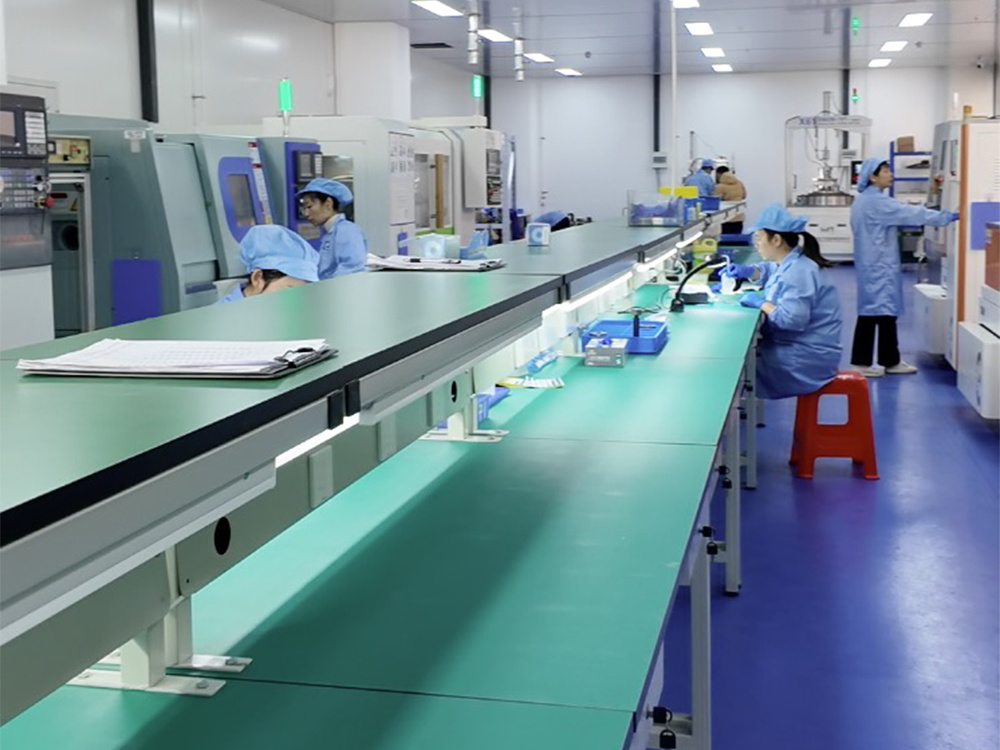
The physical base is a 34,000 ㎡ factory and auxiliary buildings delivered under the 2023 Nantong WINTIME Semiconductor Special Materials project, which carried a total investment close to tens of millions of yuan and an annual production capacity of more than 1 million dicing blades. The company is staffed at around 100 people, of whom 35 are R&D engineers.
On the technical side, WINTIME holds 2 patent technologies and has taken part in national, provincial and municipal science and technology and entrepreneurship competitions. Its completed Ultra-thin Wafer D Blade project achieved a blade thickness below 9 microns in the process — a level the company describes as reached in mass production by only a few domestic manufacturers.
Translated into partnership terms, capacity sets the ceiling on how much volume a partner can be promised, while engineering headcount sets the response time when a specification has to change. A facility able to produce more than a million blades a year is not automatically the right partner for a 200-piece trial; what matters is whether the same organisation can hold a specification steady at both volumes.
Capacity and Lead Time for Scheduled Replenishment
Standard specifications run on a 2–5 working day lead time. Customized orders run on 10–25 working days, adjustable for large orders. Monthly capacity for customized and special-shaped products is stated at more than 80,000 pieces.
The practical consequence for a repeat buyer is simple: if any parameter in the order differs from the standard catalogue — a non-standard spindle hole, a different bond, a coated blade, special export packaging — plan replenishment against the customized window, not the standard one. Reserving customized capacity ahead of a production ramp is a commercial conversation, and it is easier to have it before the ramp than during it.
Customization Scope
WINTIME provides OEM, ODM and customized production services, with specifications tailored to different cutting materials and working conditions. The stated customization fields are:
- Blade diameter, thickness and spindle hole size
- Bond type — metal bond or resin bond
- Diamond abrasive grain size and concentration
- Coating for anti-rust, heat-dissipation or wear-resistant requirements
- Cutting performance targets such as cutting speed and service life
- Packaging, including special packaging for export
- Special-shaped blade customization in non-standard sizes
In practice this means a change request should be expressed in these fields rather than as a general performance wish. A request for faster cutting is not a specification; a grain size and concentration change against a stated material is.
Step by Step: Turning a First Order into a Repeating Supply Line
The sequence below is the order a partnership evaluation normally follows. Each step produces a document the next step depends on, which is what makes repeat supply predictable.
- Define the cut, not the blade. Record the workpiece material, thickness, target kerf, acceptable chipping limit and the machine interface — outer diameter, blade thickness and spindle hole size. This is the input to every later specification decision.
- Fix the specification fields. Convert the cutting requirement into the customization fields above: bond type, diamond grain size and concentration, coating and geometry.
- Agree the acceptance method before production. Decide which instruments will be used, what is measured on each lot, and whether a third-party inspection will be requested. WINTIME's stated acceptance basis is pre-shipment testing plus third-party inspection by SGS.
- Run a trial quantity. Trial orders below the customized minimum can be handled through flexible MOQ adjustment, subject to a slight price adjustment based on customization complexity.
- Confirm commercial terms. Minimum order quantity, delivery terms (FOB or CIF) and payment structure (30/70) are settled at this stage, not after the trial result.
- Release the repeat order against the approved specification. The purchase order should restate the approved parameters rather than referencing a part number alone.
- Review performance and re-order on evidence. If the lot cleared acceptance and behaved as expected in production, those parameters become the baseline for the next cycle; if not, the review happens against the agreed acceptance method rather than against memory.
Purchase Terms at a Glance
The commercial schedule differentiates standard and customized orders on minimum quantity, lead time and trial flexibility, while delivery terms, payment structure and acceptance basis are common to both.
| Term | Standard models | Customized models |
|---|---|---|
| Minimum order quantity | 100 pieces per order | 500 pieces per order |
| MOQ flexibility | Negotiable for long-term cooperative customers or bulk purchase plans | Trial orders below 500 pieces via flexible MOQ adjustment, with a slight price adjustment based on customization complexity |
| Lead time | 2–5 working days | 10–25 working days, adjustable for large orders |
| Delivery terms | FOB or CIF | FOB or CIF |
| Payment terms | 30/70 | 30/70 |
| Acceptance basis | Pre-shipment test; third-party inspection (SGS) on request | Pre-shipment test; third-party inspection (SGS) on request |
Two rows deserve attention. The MOQ gap between 100 and 500 pieces is a planning input, not a price signal: it tells a small line whether it can start directly or should begin with an adjusted trial lot. The MOQ negotiability clause is the lever to revisit annually, because consumption rarely stays constant across a product ramp, and a minimum agreed at launch can become dead inventory eighteen months later.
Acceptance Criteria: What Is Checked Before a Lot Ships
Acceptance rests on two layers: the inspection the manufacturer runs on every lot, and the third-party inspection a buyer can request. WINTIME's stated quality-control sequence covers four checks.
- Geometric dimension inspection with a vernier caliper and a laser diameter gauge — the dimensional basis for diameter, thickness and hole size.
- Hardness and wear-resistance testing on a material testing machine.
- Dynamic balance detection on a high-speed dynamic balance tester, which matters because an unbalanced blade shows up as runout and edge chipping rather than as an obvious visible defect.
- Cutting performance simulation on the actual workpiece material.
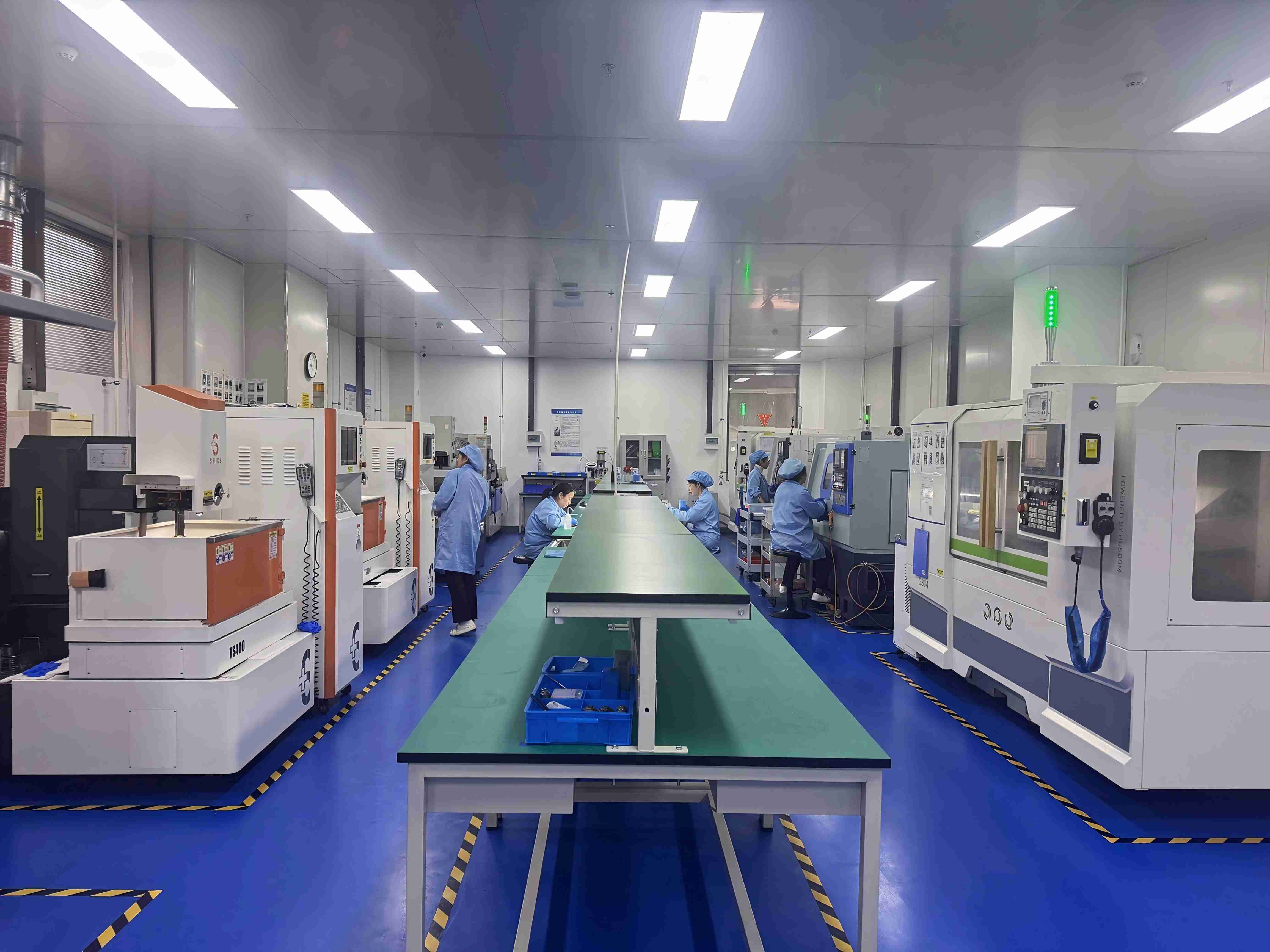
WINTIME's stated acceptance criteria combine pre-shipment testing with third-party inspection by SGS, and payment terms are 30/70. For the buyer, the useful discipline is to write three things into the purchase order: the instrument used for each measurement, the sampling basis per lot, and the disposition route for a lot that fails — rework, replacement or rejection. WINTIME's after-sales terms include replacement and compensation for defective products attributable to quality problems, which is the fallback; a clear disposition clause prevents the fallback from becoming the default process.
Where Repeat Supply Matters: Four Application Streams
Repeat-supply questions differ by application, because the parameter that has to stay stable differs. WINTIME's product families map onto four streams.
Semiconductor wafer dicing. The DZY Series wafer sawing blade integrates the cutting blade with an aluminum-alloy flange, and the company positions it for high-precision wafer cutting in semiconductor packaging processes. The DZR Series is described as composed of metallic nickel and diamond abrasive. The company's ultra-thin wafer blade project reached thicknesses below 9 microns, which is where kerf budget becomes the dominant selection criterion.
Optical communication. DZR cutting blades are described as used in semiconductor, optical communication and new functional-material industries. In this stream, edge quality on small, high-value components tends to matter more than removal rate, so chipping criteria carry more weight in acceptance than throughput.
Functional ceramics and alloy materials. The DZR-S Series slotted sawing blade is described as used for semiconductor wafer cutting, functional ceramic cutting, alloy material cutting and semiconductor packaging component cutting. Slotted geometry is a distinct specification item, which makes it a natural candidate for the customization route rather than a catalogue order.
Semiconductor packaging components. Cutting here sits downstream of wafer dicing and often involves mixed materials, so a partner's ability to hold one specification across several component types is worth more than a single-material optimum.
Buyers also evaluate other constructions in the same portfolio category — diamond sawing blades, hubless sawing blades and electroforming hard sawing blades among them. The correct construction depends on the material, the kerf budget and the machine interface, and each should be confirmed against a technical datasheet and a trial cut rather than selected by name alone.
After-Sales Support: What a Partner Can Expect
- Technical support for cutting process matching and equipment adaptation
- Quality-problem investigation and a solution within 48 hours
- Customized after-sales service for bulk procurement customers
- Long-term supply guarantee and inventory support
- Product application training for new customers
- Replacement and compensation for defective products attributable to quality problems
The 48-hour commitment is the item worth putting in front of a planning team, because it defines the worst-case window in which a quality question is being investigated. It is an investigation commitment, not a restocking commitment: the replacement timeline depends on whether the affected specification is a stocked standard item or a customized production run. That distinction should be clarified when the order is placed, not when the first dispute arises.
FAQ: Long-Term Sawing Blade Partnership Questions
What cleanroom conditions should be planned for precision sawing blade use?
A precision cutting area handling thin wafers and functional substrates is normally specified at ISO Class 5 to Class 6 — written in older standards as US Federal Standard 209E Class 100 or Class 1000 — with temperature controlled at 22 ± 2 °C and relative humidity at 45%–55%. These figures describe an environment specification, not a certification held by the blade manufacturer, so the buyer should confirm what their own line actually delivers. Where blades are stored on site, keep the packaging sealed until the blade reaches controlled conditions: humidity swings affect both the blade and the mounting tape it runs with.
What supporting equipment is needed to run the blades?
A sawing blade is one part of a chain. Running it requires a dicing saw compatible with the blade's outer diameter, thickness and spindle hole; a mounting arrangement that matches the blade construction — hubbed designs such as the DZY Series integrate the blade with an aluminum-alloy flange, while hubless designs mount directly on the spindle; mounting tape and a frame sized to the workpiece; a coolant and chiller circuit; and metrology capable of checking kerf width and chipping. WINTIME's after-sales scope includes technical support for cutting process matching and equipment adaptation, which is where spindle speed, feed rate and coolant questions are resolved.
What are the purchasing terms and acceptance criteria?
Minimum order quantity is 100 pieces per order for standard models and 500 pieces per order for customized models. MOQ is negotiable for long-term cooperative customers or bulk purchase plans, and small-batch trial orders below 500 pieces can be handled with flexible MOQ adjustment plus a slight price adjustment based on customization complexity. Delivery terms are FOB or CIF, payment is structured 30/70, and acceptance combines pre-shipment testing with third-party inspection by SGS.
How far can a blade specification be customized?
Customization covers blade diameter, thickness and spindle hole size; bond type (metal or resin); diamond abrasive grain size and concentration; coating for anti-rust, heat-dissipation or wear resistance; cutting performance targets such as cutting speed and service life; packaging including special export packaging; and special-shaped blades in non-standard sizes. WINTIME provides OEM, ODM and customized production services with specifications tailored to different cutting materials and working conditions.
What does after-sales support cover if a lot underperforms?
Support covers cutting process matching and equipment adaptation, quality-problem investigation with a solution within 48 hours, customized after-sales service for bulk procurement customers, long-term supply guarantee and inventory support, application training for new customers, and replacement or compensation for defective products attributable to quality problems. The 48-hour figure covers the investigation; the replacement timeline depends on whether the affected item is a stocked standard specification or a customized production run.
Can a new partner start with a trial order rather than a full MOQ?
Yes. Trial orders below the 500-piece customized minimum can be accommodated through flexible MOQ adjustment, with a slight price adjustment reflecting customization complexity. The trial is the right stage to fix the acceptance method — instrument, sampling basis and failure disposition — because those terms are far easier to agree before volume than after a disputed lot.
What lead times and capacity should a replenishment plan assume?
Standard specifications ship on a 2–5 working day lead time; customized orders take 10–25 working days, adjustable for large orders. Monthly capacity for customized and special-shaped products is stated at more than 80,000 pieces, within an annual capacity of more than 1 million dicing blades. If any order parameter is non-standard, plan against the customized window and reserve capacity ahead of a production ramp.
How does a buyer start the partnership process?
Start with the cut: workpiece material, thickness, target kerf, chipping limit and machine interface. Those five inputs are enough to open a specification discussion, request a sample lot or ask for a quotation against the terms above. WINTIME's technical and commercial contacts are shenxiangfei@ntwintime.com, +86 13851530812, and WhatsApp +8618888053207; the plant is at No. 868, Fushou East Road, Rugao City, Jiangsu Province. The company brochure with the product and capability overview can be downloaded here: WINTIME brochure (PDF).
Conclusion: The Blade Is the Product, the Terms Are the Partnership
A sawing blade supplier is easy to find; a supplier whose fourth shipment behaves like the first is the actual procurement objective. WINTIME's repeat-supply position rests on facts a buyer can check: a 34,000 ㎡ facility, around 100 staff including 35 R&D engineers, more than 1 million dicing blades of annual capacity, roughly 30% of output exported across Southeast Asia, East Asia, North America and the EU, standard lead times of 2–5 working days against 10–25 working days for customized specifications, MOQ of 100 pieces for standard and 500 pieces for customized models, FOB or CIF delivery, 30/70 payment, pre-shipment testing with optional SGS inspection, and a 48-hour response commitment on quality investigations. None of those figures replaces a trial cut on your own material. They do, however, remove the most common reason a trial cut never becomes a supply line — the absence of written terms. If the parameters fit, request a sample lot and fix the acceptance method before the first repeat order.
Have Questions or Need More Details?
Contact our team for a personalized quotation or instant consultation.
Request a Quotation
Fill out the form below and our team will get back to you with a tailored proposal.
WhatsApp Direct Chat
Prefer to chat in real-time? Message us on WhatsApp for instant assistance & quick answers.
- Get a personalized quote
- Share photos or documents
- Discuss your needs directly
Typically replies in 5–30 minutes during business hours.