
Onsite vs. Offsite Sawing Blade Supplier Checks: Why Direct Facility Visits Matter
Short answer: a Sawing Blade supplier can be screened from a desk, but it can only be qualified on site. Catalogs, certificates and specification sheets describe what a factory says it can do. A facility visit shows what the plant actually contains — how many square meters are genuinely under blade production, how many engineers are on the payroll, what equipment stands behind an annual capacity claim, and whether the environment in which a precision blade is made and tested matches the paperwork. For buyers sourcing Diamond sawing Blades, Hubless sawing Blades or Semiconductor Wafer sawing Blades, the site visit is the step that turns a claim into evidence.
The Offsite Verification Gap: What a Desk Review Cannot Prove
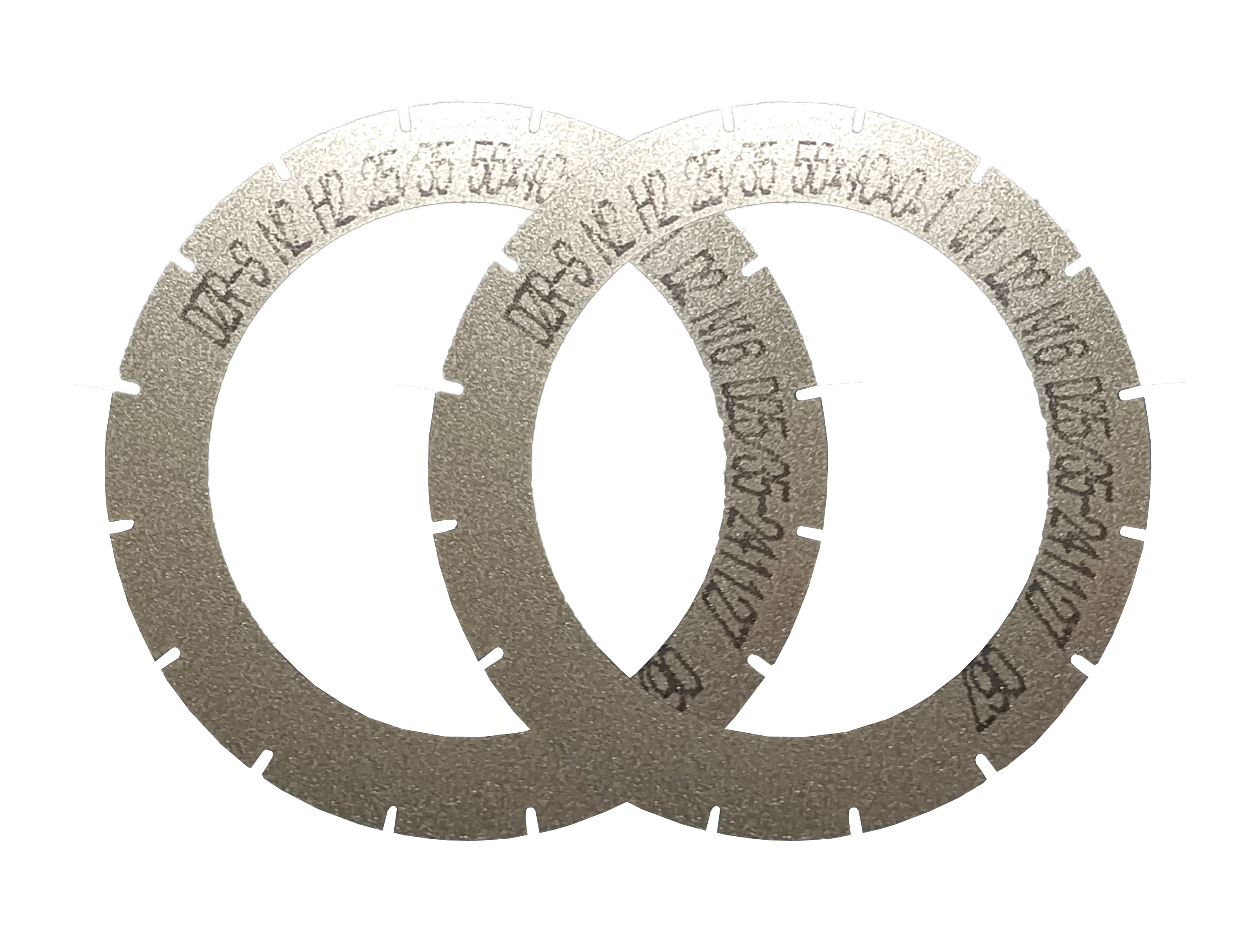
Remote evaluation is not useless. It filters. A supplier can send a model list, a specification sheet and a price indication without a buyer leaving the office. For the SB-001 Sawing Blade, the published technical parameters — a thickness range of 8μm to 50μm, cutting accuracy of ±0.002mm, spindle speed of 30,000 to 60,000 rpm, hardness of HRC 65-70 and a chip removal rate of ≥1.2mm³/s — can be exchanged by email in an afternoon. Certificates can be scanned, references can be called, and a sample blade can be couriered to your line.
The gap opens at the moment a claim needs a physical cause. Three failure patterns recur in cross-border blade sourcing:
- Capacity claims without assets. An annual output figure is a number until it is tied to floor space, machine count, shift pattern and inspection records. A supplier can print any figure in a profile.
- Environment claims without enforcement. A document can state a cleanroom class, a temperature window and anti-static handling. Only a walk-through reveals whether gowning, airlocks, humidity control and grounding are actually practiced on a normal working day.
- Engineering claims without engineers. Custom bond selection, geometry adjustment and post-sale problem solving require people who do that work. Who is present in the building is a fact that cannot be verified by email.
There is a second, subtler limit. A sample blade proves that a team can make one blade well; it does not prove that a line can repeat it at volume. Repeatability is a property of the process — the bonding step, the curing or sintering profile, the grinding and inspection routine — and processes live inside buildings. That is why the sample and the site visit answer two different questions, and why buyers who stop at the sample often rediscover the problem during ramp-up.
Why Facility Verification Is Moving Up the Buying Checklist
The supply base behind these products is large and still growing. The global wafer dicing blade market was valued at USD 1.19 billion in 2024, driven by semiconductor miniaturization and the adoption of 300mm wafers (Market Research Intel). The wider diamond saw blade market was valued at approximately USD 8.60 billion in 2025 and is projected to reach USD 10.16 billion by 2032 (Maximize Market Research). Both figures describe an expanding market rather than a consolidating one — which means new capacity, new suppliers and more first-time supplier relationships.
Demand is also split by bond type. Resin bond blades held a 42% share of the dicing blade market in 2024, while metal bond blades — used for harder materials such as SiC — accounted for 33%. On the application side, optical communication and RF/optoelectronics represented 16% of the dicing blade market share in 2024, supported by 5G infrastructure expansion. Blade geometry is shifting as well: hubless dicing blades are increasingly dominant for 300mm wafer processing because of their stability and reduced runout on thinner substrates.
Sourcing itself has moved geographically. China's exports of cutting blades to Vietnam grew by USD 18 million and to India by USD 12 million between 2024 and 2025 (OEC), reflecting a buyer base that increasingly qualifies suppliers it has never stood inside. Third-party market estimates diverge by scope — some sources count consumables only, others include equipment — so treat the numbers as directional rather than as a capacity plan for any single supplier.
Standards add a further reason for direct verification. Diamond tools, including sawing blades, are categorized under ISO 22180:2019, which distinguishes between CVD diamond-coated and monocrystalline/polycrystalline types. A certificate is only meaningful if the scope statement matches the blade you are actually buying — and if the legal entity named on it matches the site you are standing in.
What a Direct Facility Visit Confirms That Paper Cannot
1. Physical footprint as the boundary of capacity
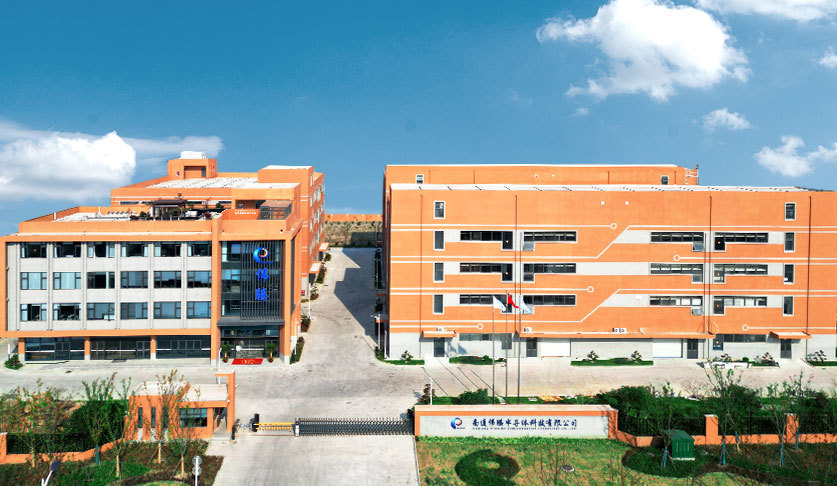
Floor area is the first number to reconcile. WINTIME Semiconductor Technology Co., Ltd., a manufacturer established in 2020 that specializes in the research, development, production and sales of high-precision cutting blades including Sawing Blades and Dicing Blades, operates a manufacturing facility covering 34,000 square meters. On site, the useful question is not the total area but its composition: how much is production, how much is warehouse, how much is office, and whether the blade lines are continuous within one building. A footprint sets the physical upper bound of what can be installed — a capacity claim that exceeds the space available has to be explained.
2. People, and especially the engineers
Headcount is a proxy for capability depth. WINTIME employs approximately 100 staff, of whom 35 engineers form the R&D team. That ratio is the kind of detail a buyer should test in person rather than accept from an organization chart. Ask to meet the engineers, not only the sales team, and give them a real problem to solve — chipping on a functional ceramic, kerf drift on a thin wafer, or bond selection for an alloy. The answer tells you whether engineering is an internal function or a slide.

3. Capacity claims and the machine list behind them
WINTIME publishes an annual production capacity of 1 million pieces of its specialized products, which include Sawing Blades and Dicing Blades. A number like this becomes evidence only when it is traceable: ask for the machine list, the number of shifts, the production plan for the current month, and inspection records for recent lots. A precision blade line also depends on supporting equipment — an automatic wafer dicing machine, a semiconductor cutting spindle, a UV tape mounting machine, wafer cleaning equipment and a wafer testing machine. If the equipment that would make the capacity possible is not visible, the figure is a marketing number rather than a production plan.
4. Process environment, cleanroom and anti-static discipline
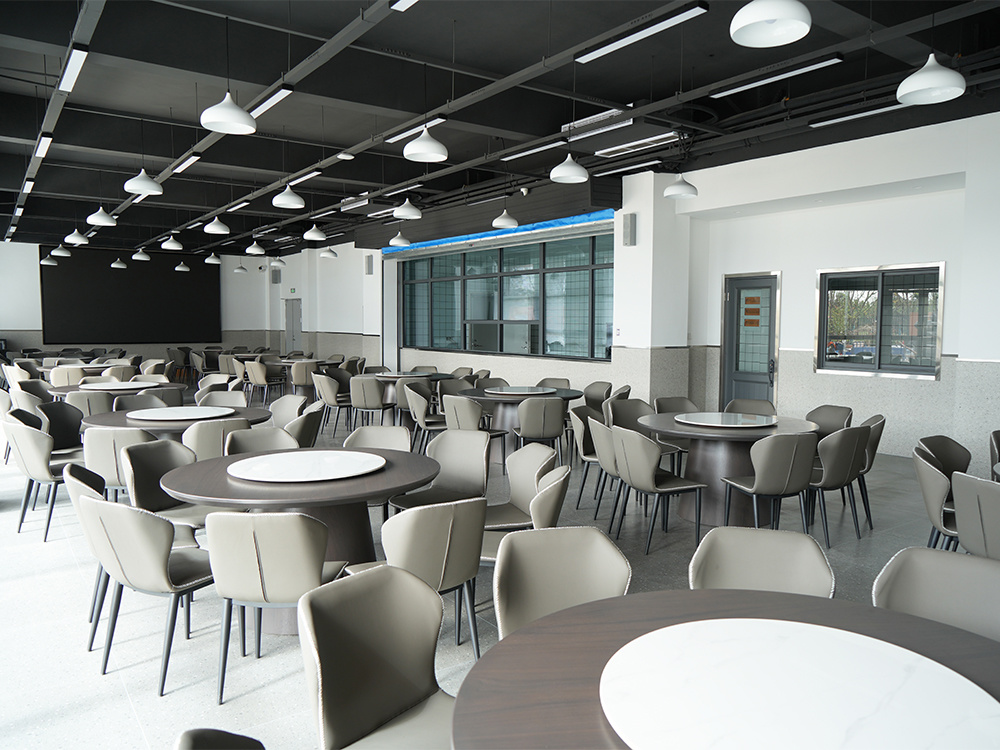
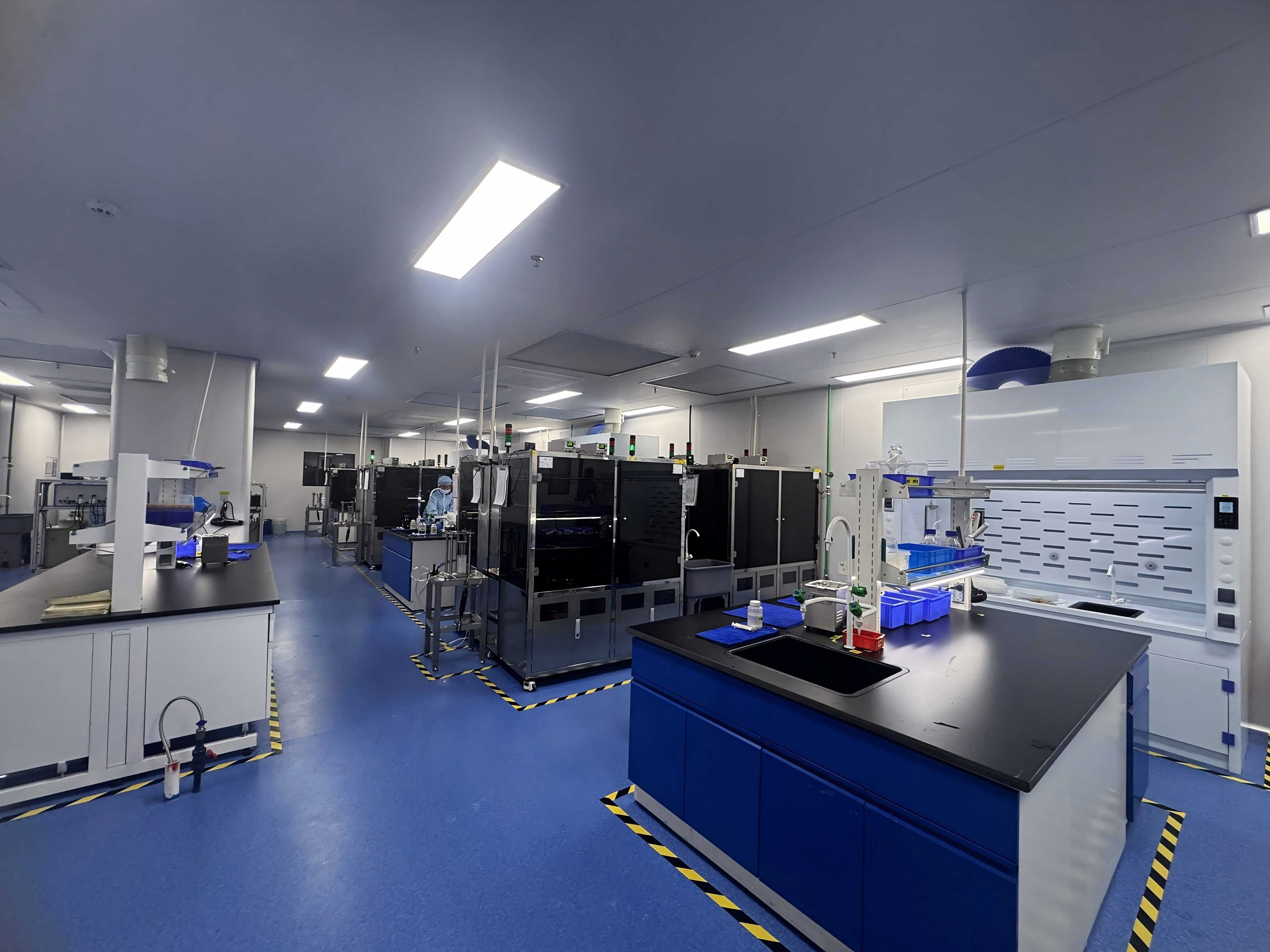
These products run in demanding conditions: a Class 100/1000 clean room with constant temperature of 22±2°C, constant humidity of 45%–55%, and a dust-free, anti-static environment with high-speed spindles. Materials matter at the same level — a resin or metal bond matrix, diamond superabrasive as the abrasive, and a high-strength steel base. On a visit, look for gowning areas, airlocks, live environmental readouts, ESD straps and flooring, and the condition of the tape mounting and inspection stations. WINTIME's "Ultra-thin Wafer D Blade" project has achieved a process thickness of less than 9 microns — a specification that depends on environmental control and handling discipline, and therefore on what the floor actually looks like.
5. Portfolio fit and parameter honesty
The SB-001 Sawing Blade family covers Diamond Sawing Blade, Precision Sawing Blade, Semiconductor Sawing Blade, Circular Sawing Blade, Hubbed Sawing Blade, Hubless Sawing Blade, Flanged Sawing Blade, Serrated Sawing Blade, DZY Series Wafer Sawing Blade, DZR Series Sawing Blade and DZR-S Series Slotted sawing Blade categories. Those products serve semiconductor manufacturing, semiconductor packaging, precision electronic component processing and optical ceramic cutting, as well as optical communication, new functional materials, functional ceramics and alloy materials. A supplier visiting your application should be able to map your workpiece to a specific blade, bond and parameter set — not answer with a general recommendation. Watching that mapping happen in the plant, next to the equipment that will make the blade, is materially different from receiving it by email.
6. Documents that can be cross-checked against the site
Bring the paperwork with you. WINTIME holds 2 patent technologies, has won awards in national, provincial and municipal science and technology competitions, and in 2023 its Nantong Wintime Semiconductor Special Materials Project involved a total investment of nearly tens of millions of yuan. Each of these items can be matched to the building in front of you: patent certificates to the legal entity, award records to the product line, investment records to the new factory and auxiliary buildings. Cross-checking is the fastest way to detect a trading desk presenting another manufacturer's credentials.
Running the Visit: An Eight-Step Agenda for a Single Business Trip
Most buyers combine a supplier visit with an existing trip. One working day is usually enough if the agenda is fixed in advance.
- Request documents two weeks before you travel. Ask for the specification sheet, a capacity statement, a site floor plan, the certificate list and one sample blade with its test record. Remote review tells you what to verify; it does not replace verification.
- Fix the scope in writing. Confirm in a short message which lines you will see, which people you will meet, and whether a trial cut is possible. Vague agendas produce meeting-room tours.
- Start with the orientation walk, not the meeting room. Ask to see the site layout against the floor plan sent earlier, and walk the production perimeter first. Impressions formed before the presentation tend to be more accurate.
- Follow the process flow end to end. Incoming material, bond mixing, forming, curing or sintering, grinding, inspection and packaging. Note where the flow breaks — an interruption usually means an outsourced step.
- Meet the engineering team. Give them a live problem from your line and ask which blade, bond and parameter set they would start with, and why.
- Inspect the environment and ESD controls. Check cleanroom class signage, temperature and humidity readouts, gowning practice and grounding. Ask about material handling for the blade thicknesses you intend to run.
- Run a trial cut with your own material. Bring the workpiece and the parameters your equipment runs. Compare kerf width, chipping and blade wear against your current baseline. Keep the tested blade and the record sheet.
- Close with commercial and logistics, then score within 48 hours. Discuss capacity reservation, delivery planning, packing and export documentation, then write your assessment while the details are fresh.
Use Cases: When an Onsite Check Changes the Outcome
A distributor adding a sawing blade line. The commercial risk is carrying a product the supplier cannot replenish consistently. A visit confirms output records, packing standards and export experience — WINTIME's export business accounts for 30% of total sales, with markets in Southeast Asia, East Asia, North America and the European Union, which is the kind of profile a distributor should verify against actual order documentation.
A semiconductor packaging engineer qualifying an ultra-thin blade. When the target is a process thickness below 9 microns, environment and handling dominate the result. The visit is the only way to see whether the cleanroom and anti-static conditions in which the blade is made and inspected match the conditions it will meet on your dicing tool.
An optical communication device manufacturer. Optical device cutting is one of the applications these blades serve, and optical communication plus RF/optoelectronics accounted for 16% of dicing blade market share in 2024. Buyers in this segment usually need narrow kerf and low chipping on small, high-value parts, so blade-to-blade consistency matters more than headline specifications.
A functional ceramic or alloy component processor. Hard and brittle materials push bond selection to the centre of the decision — resin bond blades held a 42% share of the dicing blade market in 2024, while metal bond blades used for harder materials such as SiC accounted for 33%. A trial cut on your own ceramic or alloy, run on the supplier's line during the visit, settles debates that specification tables cannot.
Onsite vs. Offsite Checks: A Side-by-Side View
| What you are checking | Offsite (documents and remote calls) | Onsite (facility visit) | Why it decides the outcome |
|---|---|---|---|
| Production floor area | Total figure stated in a company profile | Measurable on the ground; production, warehouse and office can be separated | Available space sets the physical limit of installed capacity |
| Headcount and engineering depth | Organization chart, staff count on a slide | Observed in offices and on the line; engineers can be questioned directly | Engineering depth determines customisation and problem solving after delivery |
| Annual capacity claim | A single output figure | Machine list, shift pattern, current production plan, inspection records | A capacity figure must be explainable through physical assets |
| Process environment | Statement of cleanroom class and conditions | Gowning, airlocks, live temperature and humidity readouts | Blade quality and thickness capability depend on environmental control |
| Anti-static discipline | Written ESD procedure | Straps, flooring and handling practice during a normal shift | Static control protects thin wafers and precision parts |
| Sample performance | One blade supplied for evaluation | Trial cut on your own material, on the supplier's line | Repeatability is a property of the process, not of a single sample |
| Certificate traceability | Scanned copies | Originals checked against the legal entity and the site address | Prevents credentials from a different factory being presented |
| Delivery planning | Lead time given by email | Production schedule and work in progress seen at the time of visit | Schedule reality is visible before commitments are made |
| Time and effort | Low; fits into normal working hours | Travel time plus engineering hours, usually attached to an existing trip | Days of verification are weighed against the cost of a failed qualification |
Facility Data Points Worth Verifying in Person
The table below lists the categories of first-party data a buyer should be able to confirm on the ground. The figures shown are WINTIME's published data points, used here as an example of what a verifiable claim looks like.
| Data point | Published figure | How to verify it during a visit |
|---|---|---|
| Manufacturing area | 34,000 square meters | Walk the production buildings and separate them from warehouse and office space |
| Staff | Approximately 100 employees | Observe headcount by function across production, quality and administration |
| R&D team | 35 engineers | Meet the team and review project files and test records |
| Annual production capacity | 1 million pieces | Match the figure against machine list, shifts and inspection records |
| Ultra-thin process capability | Process thickness below 9 microns ("Ultra-thin Wafer D Blade" project) | Inspect thinning, grinding and inspection capability and the associated handling discipline |
| Company foundation | Established in 2020 | Check registration documents and the site history |
| Export profile | 30% of total sales exported | Review export documentation, packing workflow and labelling requirements |
| Main markets | Southeast Asia, East Asia, North America, European Union | Compare order records with the markets you intend to serve |
| Intellectual property | 2 patent technologies | Match certificate copies to the legal entity operating the site |
| Capital investment | 2023 Nantong Wintime Semiconductor Special Materials Project, total investment of nearly tens of millions of yuan | Confirm against the new factory and auxiliary buildings present on site |
Frequently Asked Questions
What compliance documents should I review during a sawing blade factory visit?
Ask for originals rather than scans, and confirm that the legal entity named on each document matches the factory you are standing in. Diamond tools, including sawing blades, are categorized under ISO 22180:2019, which distinguishes between CVD diamond-coated and monocrystalline/polycrystalline types — so the scope statement should match the blade you intend to buy. Then verify the operating environment documented for precision cutting: a Class 100/1000 clean room, a constant temperature of 22±2°C, constant humidity of 45%–55%, and dust-free, anti-static conditions. Those conditions are checkable in minutes: gowning areas, airlocks and live environmental readouts either exist or they do not.
How can I verify a supplier's claimed annual production capacity?
A capacity number becomes evidence only when it is tied to physical assets. Ask to see the machine list, the number of shifts, the production plan for the current month and recent inspection records, then compare what you see against floor area and headcount. WINTIME's published figures — a 34,000 square meter manufacturing facility, approximately 100 staff, an R&D team of 35 engineers and an annual production capacity of 1 million pieces — are the kind of data points that can be reconciled on the ground rather than accepted from a catalog. A supplier that cannot connect the number to specific machines and records is offering a marketing figure, not a capacity plan.
What does an onsite visit cost, and is it worth it before a first order?
The direct cost is travel time plus engineering hours, and the trip usually attaches to a business journey you are already making. The meaningful comparison is not "visit versus no cost" but "days of verification versus the cost of qualifying a blade that cannot hold its parameters at production speed." If the blade sits at the centre of your yield, the visit is the cheaper option. Prioritise it when the application involves ultra-thin wafer processing, low-chipping ceramic cutting, or a supplier with whom you have no existing relationship.
Can I request sample blades, and can I run a trial cut during the visit?
Yes, and a trial cut performed during the visit is more informative than a sample shipped afterwards. Bring your own workpiece material and the parameters your equipment runs, then compare kerf, chipping and blade wear on the spot. Because the SB-001 family spans Diamond, Precision, Semiconductor, Hubbed, Hubless, Flanged, Serrated, DZY Series Wafer, DZR Series and DZR-S Series Slotted sawing blade types, the supplier should be able to explain which bond — resin or metal — and which geometry suits your material before the trial begins. Keep the tested blade and the record sheet as part of your qualification file.
How does a facility visit affect lead time and delivery planning?
A visit replaces an email estimate with a direct view of the production schedule: how much work is in progress, how the line is sequenced, and how orders are packed and labelled for export. That matters most when your supplier's export business is a large share of sales — WINTIME exports 30% of total sales across Southeast Asia, East Asia, North America and the European Union. After the visit, put the agreed capacity reservation or delivery window in writing. To arrange a facility visit or request a trial sample, contact WINTIME at shenxiangfei@ntwintime.com or +86 13851530812.
The Decision Rule
Offsite checks answer "is this supplier plausible?" Onsite checks answer "can this supplier deliver my process?" The first question saves time; the second protects yield. A practical rule for buyers at the awareness and research stage: use documents to build a shortlist, and reserve an in-person visit for the one or two candidates you would actually place on your line — then verify footprint, people, capacity records, environment and a trial cut in a single day. Claims that survive that day are the ones worth building a supply relationship on.
Plan the Visit, Then Test the Blade
WINTIME Semiconductor Technology Co., Ltd. manufactures Sawing Blades and Dicing Blades in Rugao City, Jiangsu Province, and publishes its capacity and facility data openly so that buyers can verify it in person rather than take it on trust. If you are evaluating blade suppliers for wafer dicing, optical device cutting, ceramic substrate cutting or precision alloy component cutting, the next step is a short call to fix an agenda — followed by a trial cut on your own material.
Request a Sample or Schedule a Facility Visit
Send your workpiece material, target kerf and equipment parameters, and WINTIME will recommend a blade series and prepare a trial sample for you.
WINTIME Semiconductor Technology Co., Ltd.
No. 868, Fushou East Road, Rugao City, Jiangsu Province
Email: shenxiangfei@ntwintime.com · Tel: +86 13851530812 · WhatsApp: +8618888053207
Website: en.wintime.net.cn
Product brochure (PDF): Download the WINTIME sawing blade catalog