
Partnering With a Dicing Blade Supplier: FAQ on Terms, Acceptance, and Long-Term Supply
Short answer: a dicing blade partnership is decided by four commercial mechanisms rather than by blade specifications alone — the purchasing terms a buyer can actually operate under, the acceptance criteria that define a conforming lot, the sample validation path that proves the blade on the buyer's own material, and the capacity and technical support commitments that still hold after year one. The questions below are the ones sourcing managers, process engineers, and channel partners raise most often with WINTIME Semiconductor Technology Co., Ltd. when a first purchase order has to become a multi-year supply relationship.

1. Problem Definition: Where a Blade Purchase Becomes a Blade Partnership Problem
Buying a dicing blade and partnering with a dicing blade supplier are two different procurement tasks. The first is a specification-and-price transaction. The second is a supply relationship that has to survive material changes, yield pressure, and volume swings. Four friction points separate the two.
- MOQ versus validation reality. A production-scale minimum order quantity protects tooling economics, but a buyer who has not yet validated the blade on their own wafer or substrate cannot commit to that volume. Standard and customized specifications therefore run on different minimums, and the small-batch trial path matters more at this stage than catalog price.
- Acceptance criteria that never reach the purchase order. "Conforming lot" is only meaningful when it maps to a pre-shipment test result or an independent inspection report. Without that mapping, quality disputes are settled by opinion instead of data.
- Sample-to-serial drift. A blade that performs in a sample lot can behave differently in serial supply if process parameters are not standardised and recorded batch by batch.
- Support continuity after qualification. Silicon carbide, gallium nitride, functional ceramics and optical glass each shift the cutting window. A supplier that disengages once the purchase order is issued cannot help a buyer re-tune the process two years later.
Batch quality inconsistency is the risk most often cited in this category, because it directly affects a customer's ability to maintain stable mass production. A blade change is not a neutral consumable swap: it interacts with spindle load, cooling, feed rate and dicing tape, so unplanned variation surfaces as chipping, kerf drift or yield loss rather than as a clean, easily traced failure.
2. Industry Background: The Dicing Blade Market a Long-Term Agreement Sits Inside
The dicing blade market is a consumables market attached to a much larger equipment and packaging ecosystem. Intel Market Research values the global dicing blade market at USD 1.31 billion in 2024, with a projection of USD 1.84 billion by 2034. Published estimates vary considerably depending on whether a source tracks blade revenue alone or folds in equipment-linked consumables, so any single market figure should be read as a scope-dependent number rather than a precise one.
Three structural facts shape what suppliers are asked to deliver.
- Diamond is the default for hard materials. Diamond-embedded dicing blades account for more than 60% of total market share, a position driven by their performance in cutting silicon carbide (SiC) and gallium nitride (GaN).
- Resin bond remains a large, cost-sensitive segment. Resin bond blades held an estimated 42% share of the dicing blade market in 2024, equivalent to USD 183.6 million. This is the segment most buyers compare against when they evaluate an upgrade path.
- Equipment-side concentration is high. DISCO Corporation is estimated to hold 52–55% of the global market for dicing equipment and associated precision blades, which sets the compatibility baseline that any third-party blade supplier must meet.
Two technical reference points matter when writing purchase specifications. Standard outer diameter (OD) values for semiconductor wafer dicing blades are 55.56 mm and 76.2 mm. For bare silicon dicing, the industry-standard diamond grit range is 2 to 6 microns (#2000 to #4000 grit), the range used to minimise chipping. Hubless dicing blades are increasingly preferred for 300 mm wafer processing because they offer superior stability and reduced runout compared with hubbed blades.
Regional demand is shifting as well. China's exports of cutting blades to Vietnam grew by USD 18 million between 2024 and 2025, a signal of expanding semiconductor tool consumption in Southeast Asia and of the supply-chain diversification that many buyers are now building into their sourcing decisions.
3. Detailed Solution: How WINTIME Structures a Long-Term Dicing Blade Supply Relationship
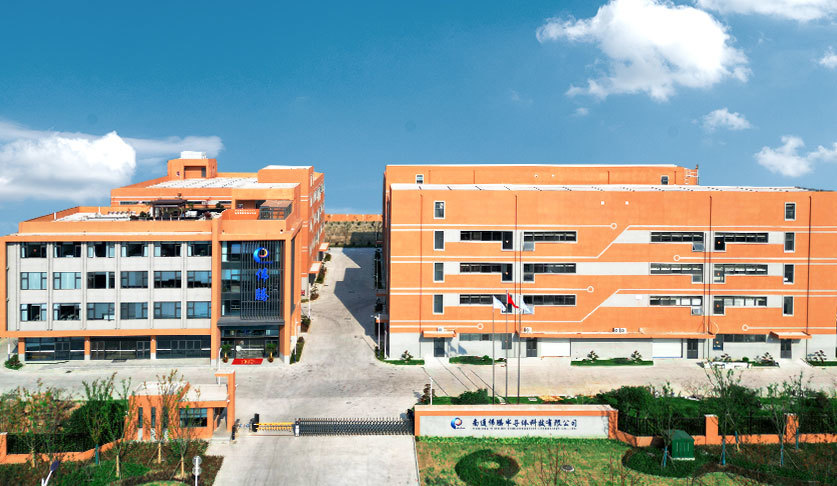
The four questions in section 1 — terms, acceptance, validation and continuity — are answered in practice by the supplier's facility, product scope, quality infrastructure and commercial framework. WINTIME Semiconductor Technology Co., Ltd. is a manufacturer of high-precision dicing blades established in 2020, operating from a 34,000 m² facility at No. 868, Fushou East Road, Rugao City, Jiangsu Province, China. The company combines the research, development, production and sales of high-precision wafer-level cutting blades in one organisation, and also supplies cutting tapes and cutting solutions.
3.1 The supplier profile behind the agreement
Scale indicators that buyers typically verify during qualification: approximately 100 employees; 35 R&D engineers; two patent technologies; an annual dicing blade output capacity of more than 1 million pieces; and an export share of roughly 30%, with shipments to Southeast Asia, East Asia, North America and Europe. On the technical side, WINTIME's completed Ultra-thin Wafer D Blade project achieved a blade thickness of less than 9 microns in process — a specification that matters wherever kerf loss directly reduces die-per-wafer output. The company develops this as a self-developed domestic project for high-end cutting applications.
3.2 Product scope a multi-year program usually covers
Blade selection on a long-term agreement almost never involves a single geometry. The WINTIME range covers DZY Series wafer dicing blades, DZR Series dicing blades, DZR-S Series slotted dicing blades, hubless dicing blades, and electroforming hard dicing blades, applied across semiconductor wafer dicing, optical communication dicing and functional ceramic dicing. Buyers specifying a program can therefore keep one qualified supplier across wafer, optical and ceramic cutting operations instead of running separate qualification projects for each material family.
3.3 Quality and acceptance infrastructure
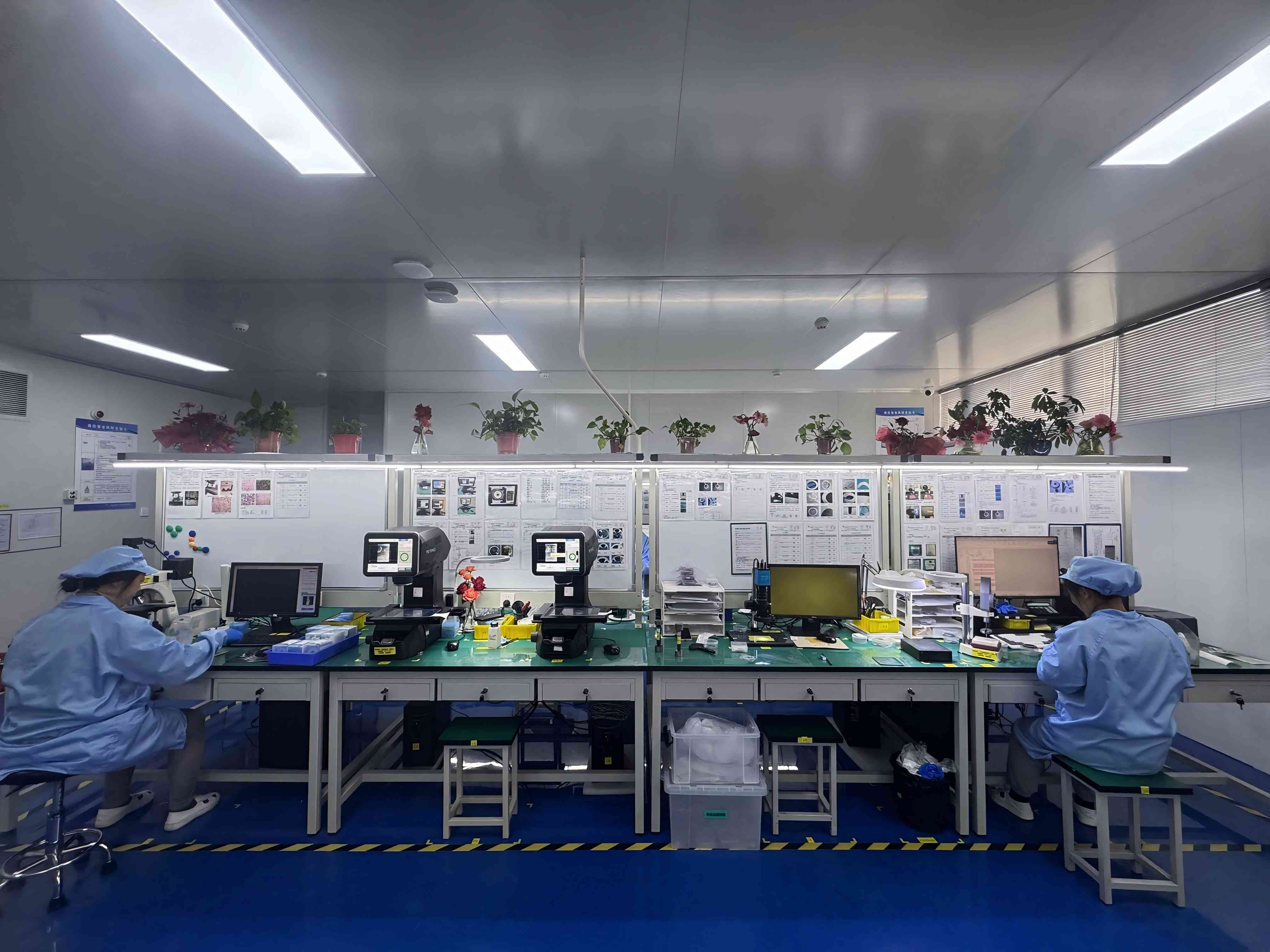
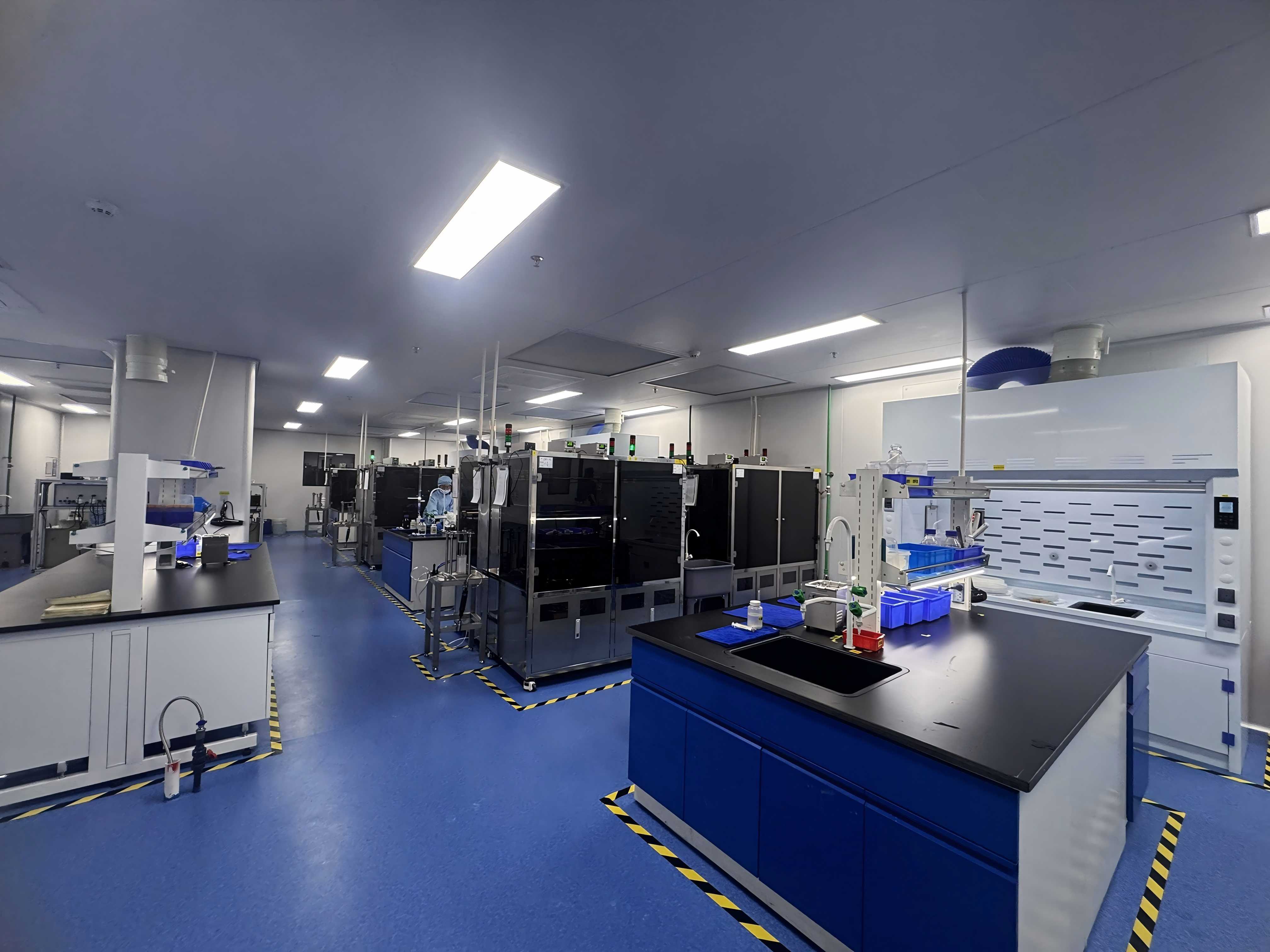
Acceptance criteria only work if the process can hold them. Production runs under an ISO 9001 quality management system and standard operating procedures, with automated production equipment used to reduce manual operation errors, and a batch production data tracking system that records process parameters for each lot. Adjacent batches are compared in testing to confirm that performance does not drift between runs.
Traceability is handled at batch level: each production batch carries a quality file, a dedicated quality inspector follows the batch through production, and non-conforming batches can be recalled rather than shipped. For a buyer, this converts the acceptance discussion from a one-off inspection event into a repeatable, documentable process that can be written into a supply agreement.
3.4 The commercial framework in one place
- MOQ — standard models: 100 pieces per order, negotiable for long-term cooperative customers or bulk purchase plans.
- MOQ — customized models: 500 pieces per order. Small-batch trial orders below 500 pieces are supported through flexible MOQ adjustment, with a slight price adjustment based on customization complexity.
- Delivery terms: FOB or CIF.
- Acceptance criteria: pre-shipment test, plus third-party inspection (SGS) where required.
- Payment terms: 30/70.
4. Step-by-Step Breakdown: From First Inquiry to Serial Supply
A dicing blade partnership is built in six steps. Each step produces a document or a test result that the next step depends on, which is why skipping a step usually resurfaces later as an unresolved commercial argument.
Step 1 — Profile the application and the machine. Record wafer or substrate material, thickness, target die size, dicing tape, spindle and feed-rate window, and cleanroom class. This determines whether the program needs a hubless blade for 300 mm processing, a slotted or electroformed geometry, or a resin-bonded blade as the cost baseline.
Step 2 — Align the blade specification. Confirm outer diameter (55.56 mm or 76.2 mm are the standard semiconductor OD values), diamond grit (2 to 6 microns, #2000 to #4000, is the industry-standard range for bare silicon dicing), and blade thickness. Where kerf loss dominates cost, the ultra-thin specification below 9 microns becomes the reference point.
Step 3 — Validate on a sample or small batch. Test on the buyer's own material and equipment, measuring kerf width, chipping, dimensional accuracy, consumable life and yield. For customized specifications, small-batch trial orders below 500 pieces are supported through flexible MOQ adjustment.
Step 4 — Fix acceptance criteria in writing. Convert the validated result into a contractual definition of a conforming lot: pre-shipment test parameters, batch quality file access, and third-party inspection (SGS) where the buyer requires independent verification.
Step 5 — Lock commercial terms. Standard-model orders start at 100 pieces; customized orders at 500 pieces. Delivery runs on FOB or CIF, payment on 30/70, both of which can be aligned with the volume forecast rather than with a single shipment.
Step 6 — Review continuity. During serial supply, batch production data and adjacent-batch comparative testing provide the record that makes a periodic technical review meaningful — particularly when materials or die layouts change.
5. Use Cases: Where a Long-Term Dicing Blade Partnership Pays Off
The partnership model described above is not equally relevant to every cutting operation. It tends to matter most in the following five settings.
- 8-inch and 12-inch ultra-thin wafer dicing. Kerf width translates directly into die-per-wafer, so a 9 µm blade versus a 12 µm blade represents a 25% reduction in material loss.
- High-value substrate cutting (SiC, GaN, ceramic, optical glass). Chipping performance of ≤5 µm, against ≤10 µm for traditional resin-bonded blades, protects brittle material yield.
- Optical communication component dicing. Dimensional accuracy of ±0.001 mm supports the tight positioning tolerances typical of optical parts.
- MEMS and power device miniature cutting. Consistent blade geometry across batches reduces the risk of parameter re-tuning interruptions on high-mix lines.
- Channel partner and distributor stocking programs. Partners building a regional blade inventory benefit from a single supply source covering standard models from 100 pieces and customized specifications from 500 pieces, rather than managing several suppliers with different terms.
6. Comparison Table: WINTIME Dicing Blades vs Traditional Resin-Bonded Blades
The table below compares verified performance and cost facts for WINTIME's ultra-thin dicing blade design against traditional resin-bonded dicing blades from mainstream competitors. It is intended as a validation checklist for sample testing, not as a substitute for testing on the buyer's own material.
| Comparison parameter | WINTIME ultra-thin dicing blade | Traditional resin-bonded blades from mainstream competitors |
|---|---|---|
| Kerf width | 9 µm | 12 µm (25% higher material loss) |
| Chipping | ≤5 µm | ≤10 µm |
| Dimensional accuracy | ±0.001 mm | ±0.003 mm |
| Service life | 30% longer than mid-range imported blades | Reference level |
| Wafer yield impact | +12% versus traditional blades | Reference level |
| Tool change frequency | 30% lower | Reference level |
| Spindle load during cutting | 15% lower | Reference level |
| Cutting efficiency at equal power | 20% faster processing speed | Reference level |
| Initial purchase cost | 10–15% higher than standard competitor blades | Reference level |
| Annual production cost impact | 8% lower, from reduced downtime for blade replacement | Reference level |
| Equipment compatibility | Standard semiconductor dicing machines, no equipment modification | Standard machines |
| Cleanroom suitability | Anti-static coating design | Not specified in this dataset |
Reference specifications used for blade selection: standard semiconductor wafer dicing blade outer diameters of 55.56 mm and 76.2 mm; diamond grit of 2–6 microns (#2000–#4000) for bare silicon dicing; hubless geometry increasingly preferred for 300 mm wafer processing.
Purchasing terms at a glance
| Term | Standard models | Customized models |
|---|---|---|
| MOQ | 100 pieces per order (negotiable for long-term cooperative customers or bulk purchase plans) | 500 pieces per order; below 500 pieces supported as a trial order with flexible MOQ and a slight price adjustment based on customization complexity |
| Delivery terms | FOB or CIF | |
| Acceptance criteria | Pre-shipment test; third-party inspection (SGS) | |
| Payment terms | 30/70 | |
7. FAQ: Terms, Acceptance, and Long-Term Supply
What acceptance criteria apply to a WINTIME dicing blade order?
Every order runs on two acceptance layers: a pre-shipment test performed before dispatch, and, where the buyer requires it, third-party inspection by SGS. Production follows an ISO 9001 quality management system with standard operating procedures and automated production equipment that limits manual operation errors. Each production batch is recorded in a batch production data tracking system that logs process parameters, and each batch carries a quality file that can be traced after delivery. Adjacent batches are compared in testing to confirm consistent performance, and non-conforming batches can be recalled rather than shipped. Buyers who need acceptance criteria written into a contract can therefore reference pre-shipment test results, batch quality records, and third-party inspection reports.
What capacity and technical support can a buyer rely on over a multi-year program?
WINTIME Semiconductor Technology Co., Ltd. operates a 34,000 m² facility in Rugao City, Jiangsu Province, with approximately 100 employees including 35 R&D engineers, and an annual dicing blade output capacity of more than 1 million pieces. Roughly 30% of output is exported to Southeast Asia, East Asia, North America and Europe. Technical support continuity rests on the engineering team together with the per-batch process data recorded during production, which allows cutting parameters to be reviewed against the parameters used for a validated batch. WINTIME blades are compatible with standard semiconductor dicing machines, so no equipment modification is needed to adopt them.
What are the purchasing terms for standard and customized dicing blades?
MOQ is 100 pieces per order for standard models and 500 pieces per order for customized models; the standard-model minimum is negotiable for long-term cooperative customers or bulk purchase plans, and small-batch trial orders below 500 pieces on customized specifications are supported through flexible MOQ adjustment with a slight price adjustment based on customization complexity. Delivery terms are FOB or CIF and payment terms are 30/70. On cost structure, the ultra-thin blade carries an initial purchase cost 10–15% higher than standard competitor blades, which is offset across the life of a program: service life is 30% longer than mid-range imported blades, and reduced downtime from blade replacement lowers production cost by 8% annually.
How should sample validation and small-batch trials be structured?
Sample validation is the stage where the blade is proven on the buyer's own material, machine and dicing parameters, so it should measure the outputs that carry commercial weight: kerf width, chipping, dimensional accuracy and consumable life. Against traditional resin-bonded dicing blades from mainstream competitors, WINTIME's ultra-thin blade design delivers a kerf width of 9 µm versus 12 µm, a 25% reduction in material loss; chipping of ≤5 µm versus ≤10 µm; and dimensional accuracy of ±0.001 mm versus ±0.003 mm. The same design improves wafer yield by 12% versus traditional blades and reduces tool change frequency by 30%. Small-batch trial orders below 500 pieces on customized specifications are supported through flexible MOQ adjustment.
How are lead time and supply continuity handled in a long-term partnership?
Scheduling starts from 100 pieces for standard models and 500 pieces for customized models, and production status is traceable per batch through the batch production data tracking system, with a dedicated quality inspector assigned to each batch. Because standard and customized specifications run on separate minimums, buyers planning a volume ramp can split demand between validated standard models and customized items instead of committing the entire forecast to one line. The practical next step for a buyer moving from evaluation to execution is to request a sample together with a quotation that includes the annual volume forecast, so that MOQ, delivery terms and support commitments can be aligned in a single document.
8. Conclusion: What a Durable Dicing Blade Partnership Actually Requires
Terms, acceptance and long-term supply are the three areas where dicing blade sourcing relationships most often break down, and all three are contractual rather than technical. A supplier that publishes its MOQ structure, defines a conforming lot through pre-shipment testing and third-party inspection, validates on the buyer's own material, and keeps batch-level process records has removed most of the ambiguity that turns a purchase order into a dispute. WINTIME's 34,000 m² facility, 35-engineer R&D team, annual output capacity of more than 1 million dicing blades, and roughly 30% export share across Southeast Asia, East Asia, North America and Europe are the operational facts behind those commitments. For buyers at the decision and execution stage, the most useful first action is a sample tested against the parameters in section 6 — not a catalog comparison.
Start the Partnership Conversation
Request a sample, a quotation, or the full product catalog. Send your material, target die size and annual volume forecast, and the team will respond with a blade recommendation and commercial terms aligned to your program.
Email: shenxiangfei@ntwintime.com
Tel: +86 13851530812
WhatsApp: +86 18888053207
Address: No. 868, Fushou East Road, Rugao City, Jiangsu Province, China
Website: en.wintime.net.cn
Catalog download: WINTIME product brochure (PDF)
Have Questions or Need More Details?
Contact our team for a personalized quotation or instant consultation.
Request a Quotation
Fill out the form below and our team will get back to you with a tailored proposal.
WhatsApp Direct Chat
Prefer to chat in real-time? Message us on WhatsApp for instant assistance & quick answers.
- Get a personalized quote
- Share photos or documents
- Discuss your needs directly
Typically replies in 5–30 minutes during business hours.