
Sawing Blade After-Sales and Technical Support: What Long-Term Buyers Should Expect
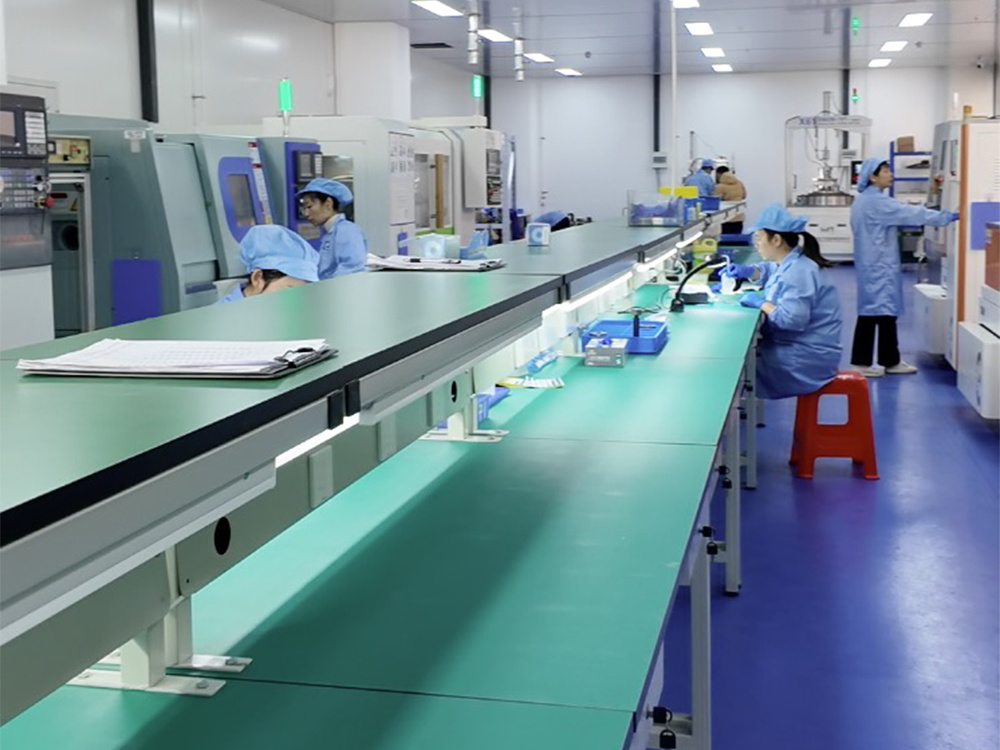
WINTIME production workshop. Long-term sawing blade supply is judged as much on the support model behind the blade as on the specification sheet.
After-sales support for a sawing blade is not a warranty conversation. For a buyer moving from a trial order to a twelve-month or multi-year supply agreement, after-sales is the operational layer that keeps a qualified blade specification valid on the same dicing machine, batch after batch, at the same yield level.
This article sets out what long-term buyers should expect from a sawing blade manufacturer's after-sales and technical support model. It uses WINTIME Semiconductor Technology Co., Ltd. — a manufacturer of sawing blades and dicing blades founded in 2020 with a 34,000 m² facility in Rugao, Jiangsu Province, China — as the reference case, and separates what a supplier can document from what it can only promise.
The short answer: a credible long-term support model contains five functions. Technical consultation before specification lock. Process integration with the buyer's dicing machines and spindles. Batch consistency with traceability. Supply continuity backed by real capacity. Compliance and quality documentation that survives an audit. Any blade supplier that cannot describe all five in specific terms is selling a consumable, not a supply partnership.
Problem Definition: Why After-Sales Is the Most Under-Specified Part of a Sawing Blade Agreement
Most sawing blade purchase orders specify thickness, kerf, bond type, hub geometry, blade count and delivery date. They stop there. The support obligation is left to a general line about quality complaints, which becomes expensive at exactly the moment it is needed: when a blade that passed its trial run starts producing more chipping than it did during validation.
Three patterns account for most of that gap in consumable cutting tools such as diamond sawing blades:
- Batch drift with no comparison data. A blade type is approved once, then production moves to a later batch. If the supplier does not retain per-batch process parameters and compare adjacent batches, neither side can identify where performance changed.
- The specification is held by the buyer, not the supplier. When the blade geometry, bond and machine parameters live only in the buyer's internal documents, any change in spindle, flange or feed setup requires a new internal project rather than a supplier-side technical response.
- No named technical contact. A commercial contact can discuss price and delivery date. Only an engineering contact can discuss runout, hub selection, kerf tolerance or a change in substrate thickness.
For decision-stage buyers, this reframes the comparison. The meaningful question is not which sawing blade is cheaper per piece, but which supplier can hold a cutting process stable for the length of the contract.
Industry Background: Why Support Has Become a Buying Criterion
Global demand for wafer dicing blades was valued at USD 1.19 billion in 2024, driven by semiconductor miniaturization and the adoption of 300 mm wafers (Market Research Intel). Within that market, resin bond blades held a 42% share in 2024, while metal bond blades — used for harder materials such as SiC — accounted for 33% (Dicing Blade Market Report 2026, market.us). The split matters for support planning: bond type changes the wear mechanism, and therefore changes what a supplier must monitor across batches.
Hubless dicing blades are increasingly dominant for 300 mm wafer processing because of superior stability and reduced runout on substrates thinner than 50 µm (Semiconductor Equipment Market Data). Optical communication and RF/optoelectronics applications represented 16% of dicing blade market share in 2024, equal to USD 69.9 million, supported by 5G infrastructure expansion (Intel Market Research). On the standards side, diamond tools including sawing blades are categorized under ISO 22180:2019, which distinguishes CVD diamond-coated types from monocrystalline and polycrystalline types.
Supply geography is shifting as well. China's exports of cutting blades to Vietnam grew by USD 18 million and to India by USD 12 million between 2024 and 2025 (OEC). Leading competitors in high-precision semiconductor dicing blades include DISCO Corporation, Tokyo Seimitsu (Accretech), Advanced Dicing Technologies (ADT) and Asahi Diamond (Credence Research).
Those two facts together explain the shift. As more qualified supply enters the market, the blade itself becomes easier to source than the process knowledge that keeps it running on a specific machine. Support capability is where long-term supply agreements are now won or lost.
Detailed Solution: The Support Model a Long-Term Sawing Blade Buyer Should Expect
In short: a long-term sawing blade support model covers technical consultation before specification lock, process integration with the buyer's dicing machines and spindles, batch consistency with traceability, supply continuity from a manufacturer with 1 million pieces of annual capacity, and quality documentation that can be audited. WINTIME Semiconductor Technology Co., Ltd. organizes its support model around these five functions, backed by a 35-engineer R&D team and a 34,000 m² production site.
1. Technical consultation before the specification is locked
Consultation is the cheapest form of after-sales service because it prevents the failure that would otherwise require it. Before a specification is fixed, the supplier's engineering side should be able to discuss the workpiece material — silicon, functional ceramic, alloy or optical communication substrate — alongside target kerf, blade thickness, bond type and hub configuration. WINTIME's product range for these discussions includes Diamond sawing Blade, Hubless sawing Blade, DZY Series Wafer sawing Blade, DZR Series sawing Blade, DZR-S Series Slotted sawing Blade and Electroforming Hard sawing Blade.
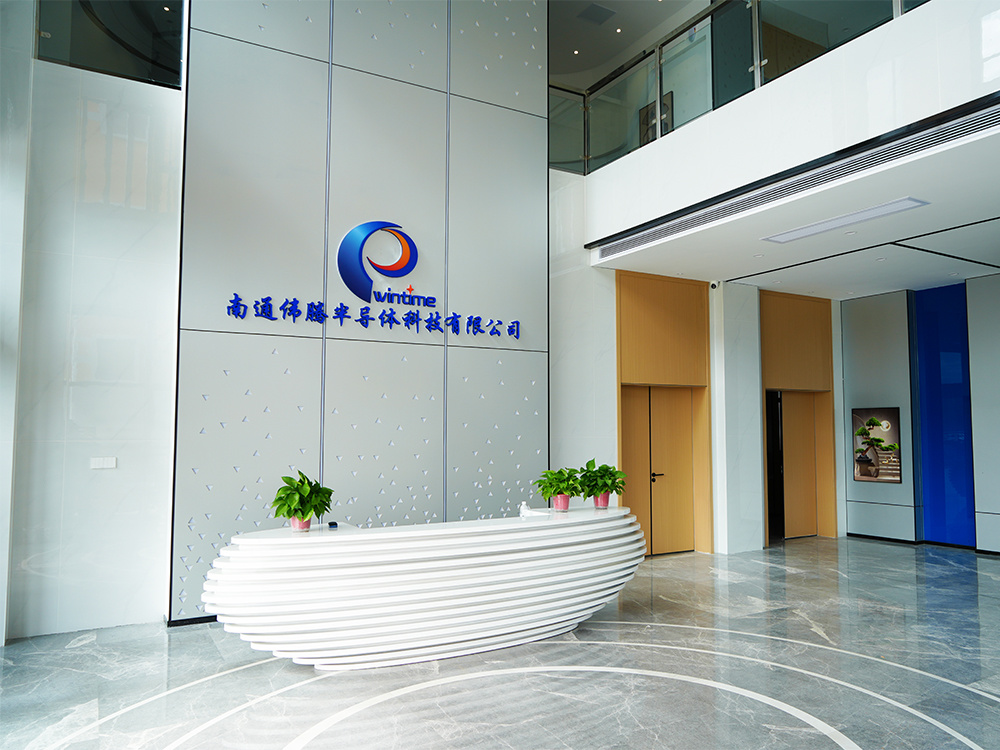
Specification review happens before the order, not after the first defect. WINTIME's R&D team includes 35 engineers.
The practical test for a buyer at the decision stage is simple: ask the supplier to explain, in writing, why it recommends one bond type over another for your substrate. A supplier that answers only with a price is not offering consultation.
2. Process integration with dicing machines and spindles
A sawing blade is never specified in isolation. Blade thickness, hub or hubless geometry, flange fit, spindle speed range and coolant delivery all interact. This is why the growing dominance of hubless blades in 300 mm processing is a support issue as much as a product issue: reduced runout on thinner substrates only translates into yield if the blade is matched to the machine configuration it runs on.
WINTIME's capability in this area is documented in one specific way. The company's completed Ultra-thin Wafer D Blade project achieved a thickness below 9 microns in the process, with mass production capability, and the company holds 2 patent technologies. For a buyer, that is evidence of process-level work rather than catalogue assembly — the kind of capability that a supplier can bring to a machine integration discussion.
What integration support should include in a contract or service agreement:
- A joint review of the existing dicing machine, spindle and flange configuration against the proposed blade geometry.
- A documented starting parameter set — feed rate, spindle speed, coolant flow — for the first production batch.
- A named engineering contact for parameter questions, separate from the commercial contact.
- An agreed procedure for re-validating the blade if the machine, substrate thickness or downstream process changes.
3. Batch consistency and traceability
Batch inconsistency is the primary quality risk in long-term sawing blade supply, because it directly affects a customer's ability to run stable mass production. WINTIME addresses it through a layered control system rather than a single inspection step.
Production control. Process parameters are standardized and automated production equipment is used to reduce manual operating error. A batch production data tracking system records process parameters across the run, and adjacent batches are compared through testing to confirm consistent performance.
Quality management. The company implements an ISO 9001 quality management system and follows standard operating procedures. Dedicated quality inspectors track each production batch, and a batch quality file is maintained so that any batch can be traced on request. Non-conforming batches are recalled.
For the buyer, the testable expectation is this: every delivery should be identifiable by batch, and the supplier should be able to retrieve the parameters and inspection record for that batch without a special project.
4. Supply continuity from real capacity
After-sales support is meaningless if the next shipment does not arrive. WINTIME operates a 34,000 m² facility with 100 employees and an annual output of 1 million pieces of dicing blades. The 2023 Nantong WINTIME Semiconductor Special Materials project added a new plant and auxiliary buildings of 34,000 m², with annual production capacity of more than 1 million pieces. Roughly 30% of output is exported, serving markets in Southeast Asia, East Asia, North America and Europe.
Capacity is not a promise of delivery performance, but it is a precondition for it. A manufacturer producing at that volume can plan a long-term contract against forecast rather than against available stock, which is the difference between a supplier relationship and a purchasing transaction.
5. Compliance and quality documentation
Diamond tools including sawing blades are categorized under ISO 22180:2019, which separates CVD diamond-coated types from monocrystalline and polycrystalline types. A long-term buyer should expect the supplier to identify which category its products fall into, to hold a functioning quality management system such as ISO 9001, and to produce batch records on request. Documentation is the part of after-sales support that is tested during a customer or notified-body audit, months after the commercial negotiation has ended.
Step-by-Step Breakdown: How a Long-Term Support Engagement Runs
The support model is easier to evaluate as a sequence than as a list of promises. In practice, a long-term sawing blade engagement moves through six stages.
Step 1 — Application and requirement intake. The buyer states the substrate material, thickness range, target kerf, machine model, spindle type and expected annual volume. This is where an optical communication project and a functional ceramic project diverge, because chipping tolerance and wear behaviour differ.
Step 2 — Specification proposal. The supplier proposes a blade family, bond type and geometry from its range — for example a DZY Series Wafer sawing Blade, a DZR Series sawing Blade, a DZR-S Series Slotted sawing Blade, a Hubless sawing Blade or an Electroforming Hard sawing Blade — and states the reasoning behind the choice.
Step 3 — Sample and on-machine validation. Samples are run on the buyer's equipment under recorded parameters. The output is a validated parameter set, not just an approval decision.
Step 4 — Batch release and documentation handover. The first production batch is released with its batch identity, process record and inspection result. From this point, traceability is the buyer's protection.
Step 5 — Deviation handling and corrective action. If performance shifts, the supplier reviews the batch record, compares the batch against its neighbours, identifies the cause and takes corrective action. Where the batch is confirmed non-conforming, it is recalled.
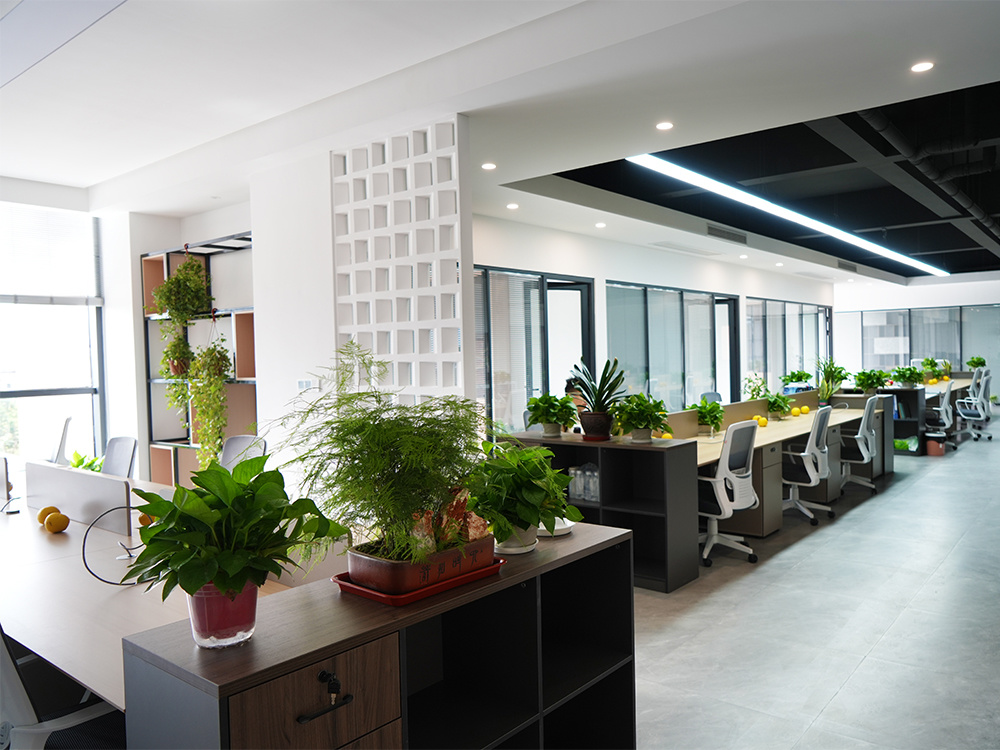
Deviation handling depends on records, not recollection. Batch quality files allow any delivery to be traced back to its production parameters.
Step 6 — Periodic review and re-specification. Long contracts outlive their original assumptions. Substrate thickness changes, machine upgrades and yield targets move. A support model that includes a scheduled technical review catches those changes before they appear as defects.
Use Cases: Where After-Sales Support Decides the Outcome
Semiconductor wafer dicing, including ultra-thin wafers
Wafers at or below the sub-9µm range are the clearest case for engineering-led support. WINTIME's Ultra-thin Wafer D Blade project reached a process thickness below 9 microns with mass production capability. At that scale, small changes in blade condition show up quickly in die quality, so batch consistency and a responsive technical contact are not optional extras.
300 mm hubless processing
With hubless blades increasingly dominant in 300 mm wafer processing because of stability and reduced runout on thin substrates, buyers need a supplier that can discuss hub geometry and machine fit directly rather than substituting a dimension on a datasheet.
Optical communication device cutting
Optical communication and RF/optoelectronics represented 16% of dicing blade market share in 2024. These applications are sensitive to edge quality, so the support conversation tends to centre on chipping control and parameter adjustment rather than on blade life alone.
Functional ceramic and alloy material cutting
Harder and more abrasive materials change the wear mechanism and shorten the interval between specification reviews. Buyers cutting functional ceramic or alloy material benefit most from the batch comparison and re-specification stages of the support model.
Comparison: Transactional Purchase vs Long-Term Support Partnership
The table below compares the two purchasing models on the dimensions that matter after the first order. The right-hand column states only facts that WINTIME can document.
| Support dimension | Transactional purchase | Long-term support partnership | WINTIME documented position |
|---|---|---|---|
| Technical consultation | Specification chosen from a catalogue; questions routed to sales | Application reviewed with engineering before specification lock | R&D team of 35 engineers |
| Process integration | Blade supplied to a stated dimension only | Blade, dicing machine and spindle configuration reviewed together | Hubless and ultra-thin blade development, including a sub-9µm wafer dicing blade project |
| Batch consistency | Batch identity not always disclosed | Process parameters recorded per batch; adjacent batches compared by testing | Standardized parameters, automated equipment, ISO 9001 system and standard operating procedures |
| Traceability | Limited or on request only | Batch quality file retained and retrievable | Batch quality file maintained; non-conforming batches recalled |
| Deviation handling | Replacement negotiated case by case | Root-cause review followed by corrective action | Dedicated quality inspectors tracking each production batch |
| Supply continuity | Re-quote at each order | Capacity planned against forecast | 1 million pieces annual output; 34,000 m² facility; 100 employees |
| Compliance documentation | Certificate supplied on request | Standard classification and quality records maintained | Products categorized under ISO 22180:2019; ISO 9001 quality management |
| Commercial review | Price fixed per order | Periodic review of specification, volume and terms | 30% export share; markets in Southeast Asia, East Asia, North America and Europe |
Comparison reflects purchasing models and documented supplier facts. It does not rank competitors or assess their service terms.
FAQ: Long-Term Sawing Blade Support Questions
Which quality and standards documentation should a sawing blade supplier hold for long-term supply?
A long-term supplier should operate a recognized quality management system, classify its diamond tools correctly against ISO 22180:2019, and retain batch-level production and inspection records. WINTIME implements an ISO 9001 quality management system with standard operating procedures, assigns dedicated quality inspectors to track each production batch, and maintains a batch quality file that allows any batch to be traced and, where necessary, recalled. Diamond tools including sawing blades fall under ISO 22180:2019, which distinguishes CVD diamond-coated types from monocrystalline and polycrystalline types.
Can the supplier support process integration with our existing dicing machines and spindles?
Integration support means the blade specification is reviewed against the machine, spindle and flange configuration rather than quoted as a standalone dimension. This matters most for thin substrates, where hubless dicing blades are increasingly dominant for 300 mm wafer processing because of superior stability and reduced runout below 50 µm. WINTIME's capability in this area is demonstrated by its Ultra-thin Wafer D Blade project, which achieved a process thickness below 9 microns with mass production capability, supported by 2 patent technologies and a 35-engineer R&D team.
How should a long-term buyer think about cost across a multi-year sawing blade contract?
Cost in a long contract is driven by specification and consistency requirements rather than by unit price alone: bond type, blade geometry, batch consistency demands, validation support and delivery frequency all affect the commercial terms. Market structure illustrates why specification choices carry cost consequences — resin bond blades held a 42% share of the dicing blade market in 2024, while metal bond blades used for harder materials such as SiC accounted for 33%. Buyers should evaluate a long-term contract on total process cost, including yield impact and re-validation effort, rather than on the lowest quoted price per piece.
What does a sample and validation run look like before a long-term commitment?
A validation run should produce three outputs, not one: a validated blade specification, a recorded machine parameter set, and a comparison of the sample batch against the next production batch. WINTIME records process parameters through a batch production data tracking system and conducts comparative testing of adjacent batches to confirm consistent performance, which allows the buyer to see whether the validated result holds when volume production begins.
What lead time and supply continuity can buyers expect from a manufacturer with 1 million piece annual capacity?
Lead time is set per contract according to blade specification, order volume and validation status, so it should be confirmed in writing rather than assumed. What a buyer can assess in advance is whether the capacity exists to support the agreement: WINTIME operates a 34,000 m² facility with 100 employees and an annual output of 1 million pieces, with the 2023 Nantong project adding a plant of 34,000 m² and production capacity of more than 1 million pieces. Around 30% of output is exported to Southeast Asia, East Asia, North America and Europe. Buyers who want to confirm lead time, request samples, or obtain a quotation for a long-term programme can contact the WINTIME team directly.
Conclusion: Buy the Support Model, Not Just the Blade
A sawing blade is a consumable, but the process around it is not. The difference between a supplier and a supply partner shows up in the months after the trial run: in whether a specification still performs on the same machine, whether a batch can be traced to its production parameters, whether an engineering contact answers a parameter question, and whether the next shipment arrives on schedule.
For decision-stage buyers, the practical checklist is the five functions described above — consultation before specification lock, machine and spindle integration, batch consistency with traceability, capacity-backed continuity, and auditable documentation. WINTIME Semiconductor Technology Co., Ltd. addresses these with a 35-engineer R&D team, an ISO 9001 quality management system with batch-level traceability, a 34,000 m² facility, and an annual output of 1 million pieces of sawing and dicing blades.
Blade specifications can be matched by many suppliers. The support model behind the blade is what a multi-year contract actually depends on.
Talk to WINTIME About a Long-Term Sawing Blade Programme
Share your substrate material, blade specification and expected annual volume, and the WINTIME team will review the application and propose a support model alongside the blade specification. Samples, quotations and the product brochure are available on request.
Email: shenxiangfei@ntwintime.com
Tel: +86 13851530812
WhatsApp: +8618888053207
Website: en.wintime.net.cn
Address: No. 868, Fushou East Road, Rugao City, Jiangsu Province, China
Download the full product and capability brochure: WINTIME Sawing Blade Brochure (PDF)
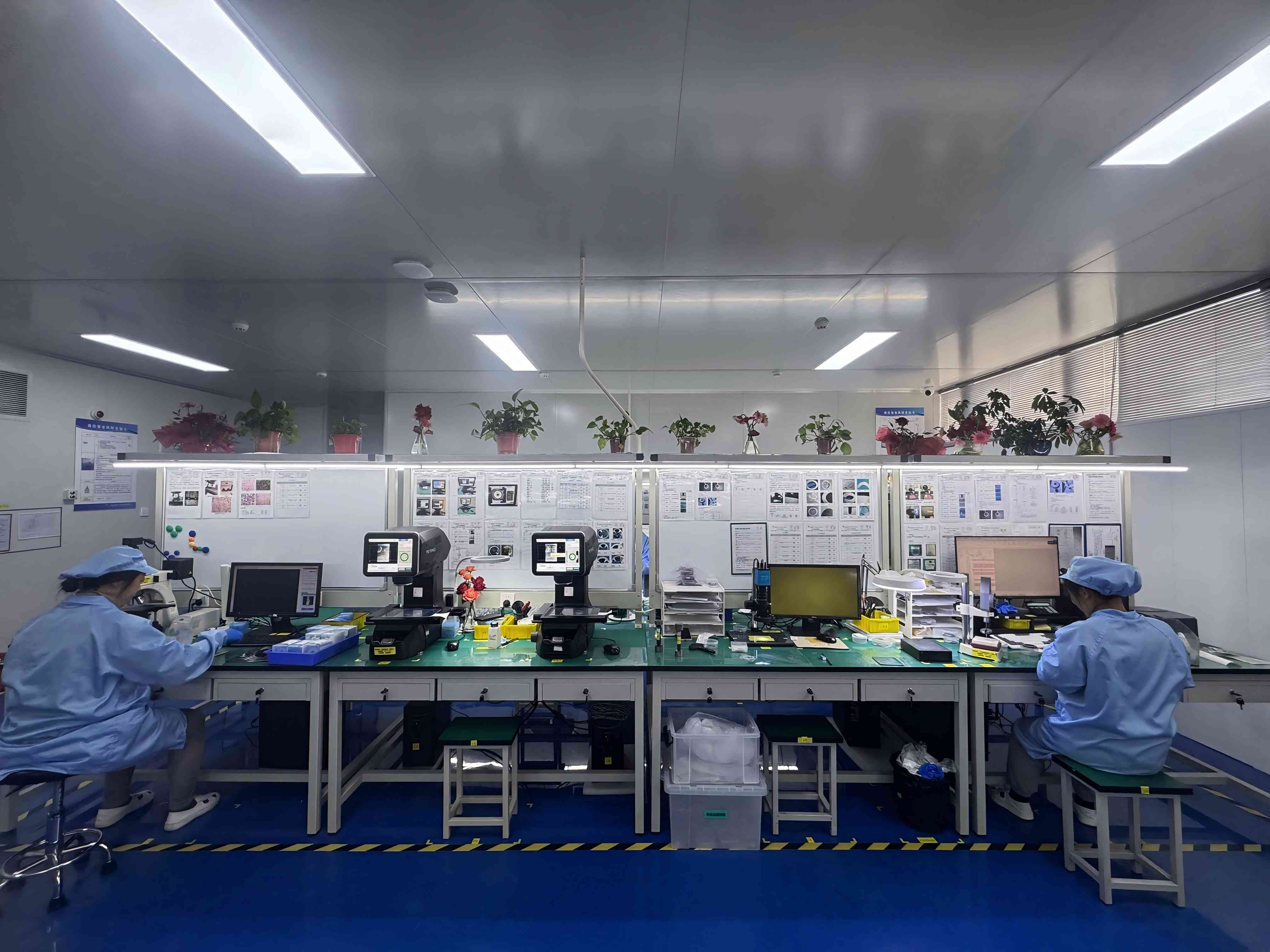
Long-term supply is planned against capacity. WINTIME operates a 34,000 m² facility with an annual output of 1 million pieces.
Have Questions or Need More Details?
Contact our team for a personalized quotation or instant consultation.
Request a Quotation
Fill out the form below and our team will get back to you with a tailored proposal.
WhatsApp Direct Chat
Prefer to chat in real-time? Message us on WhatsApp for instant assistance & quick answers.
- Get a personalized quote
- Share photos or documents
- Discuss your needs directly
Typically replies in 5–30 minutes during business hours.