
Sawing Blade Application Guide for Functional Ceramic Substrate Cutting Projects
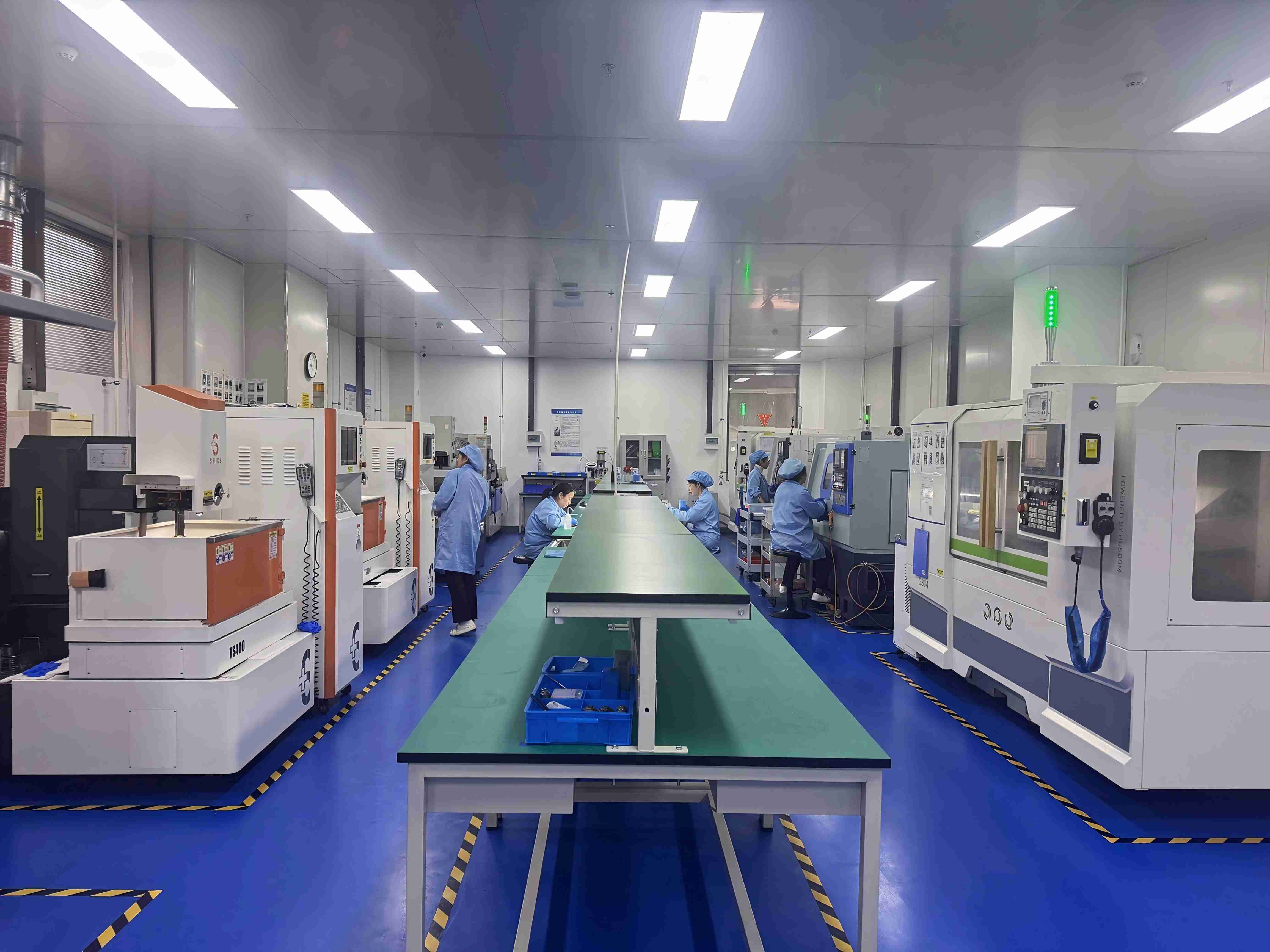
Cutting functional ceramic substrates with a sawing blade is decided by three variables long before blade selection is finished: how hard the workpiece is, how much edge chipping the downstream process can tolerate, and how precisely the machine can feed a very thin blade through a narrow kerf. WINTIME Semiconductor Technology Co., Ltd. (WINTIME) manufactures high-precision sawing blades and dicing blades for semiconductor, optical ceramic, functional ceramic and alloy material cutting, with a documented Sawing Blade (SB-001) thickness range of 8 μm to 50 μm and a documented cutting accuracy of ±0.002 mm.
This guide is written for process engineers, equipment engineers and procurement teams that are already past product discovery and are now defining a cutting project: which bond family, which blade format, which feeding strategy, which acceptance checks, and which order terms. Every specification below comes from WINTIME's published product data or from named third-party sources. Where a number is not documented, this guide says so instead of estimating.
Problem Definition: Why Functional Ceramic Substrates Resist Standard Cutting Assumptions
Functional ceramics behave differently from the silicon and metal workpieces that most cutting recipes were originally built around. The difference shows up in three places.
Workpiece hardness concentrates load in a very small contact zone
Dense ceramic substrates are hard and abrasive. Because the blade is thin — WINTIME documents 8 μm to 50 μm for the Sawing Blade — the cutting load concentrates across a narrow rim, and the diamond abrasive does its work with very little material support behind it. Harder workpieces accelerate bond wear, which is why metal bond constructions are commonly associated with harder materials such as SiC, while resin bond constructions held the larger share of the dicing blade market in 2024.
Chipping is an edge-quality problem, not a blade-life problem
In brittle ceramics, material removal can shift into fracture. The visible result is edge chipping; the less visible result is micro-cracking that can propagate during later processing. Chipping control therefore has to be designed in through bond selection, abrasive grain size and concentration, and the way the blade enters and exits the cut — not corrected after the fact.
Precision feeding decides whether a thin blade survives the cut
A blade in the 8–50 μm thickness range has limited stiffness. If the feed demands more removal than the blade can clear, the blade deflects, kerf width drifts, and chipping rises. WINTIME documents a chip removal rate of ≥1.2 mm³/s and an operating spindle speed range of 30,000–60,000 rpm for the Sawing Blade, which defines the envelope a feeding strategy has to work inside.
Industry Background: Where Ceramic Substrate Cutting Sits in the Blade Market
Cutting tools for hard, brittle substrates form an expanding part of the diamond tool market. Maximize Market Research values the global diamond saw blade market at approximately USD 8.60 billion in 2025, with an expected value of USD 10.16 billion by 2032. The narrower wafer dicing blade segment was valued at USD 1.19 billion in 2024 by Market Research Intel, driven by semiconductor miniaturization and the adoption of 300 mm wafers.
Published estimates diverge. Market Research Intel reports USD 1.19 billion for the 2024 dicing blade market, while other vendors report USD 1.31 billion and USD 0.437 billion under similar labels. The gap follows from scope — equipment versus consumables, and blade-only versus blade-plus-tape definitions. Project teams should compare scope before comparing headline numbers.
Three structural trends are directly relevant to a ceramic substrate project:
- Bond mix. Resin bond blades held a 42% share of the dicing blade market in 2024, while metal bond blades — the type used for harder materials such as SiC — accounted for 33% (market.us).
- Hubless construction. Hubless dicing blades are reported as increasingly dominant for 300 mm wafer processing because of superior stability and reduced runout on thinner substrates below 50 µm.
- Optical and RF demand. Optical communication and RF/optoelectronics applications accounted for 16% of dicing blade market share in 2024, a value of USD 69.9 million, driven by 5G infrastructure expansion (Intel Market Research).
On the standards side, diamond tools — the category that includes sawing blades — are categorized under ISO 22180:2019, which distinguishes CVD diamond-coated tools from monocrystalline and polycrystalline types. In supply terms, China's exports of cutting blades to Vietnam and India grew between 2024 and 2025, by USD 18 million and USD 12 million respectively (OEC), which matters for project teams building a second or regional source. The high-precision segment is also competitive: DISCO Corporation, Tokyo Seimitsu (Accretech), Advanced Dicing Technologies (ADT) and Asahi Diamond are named as leading players in the semiconductor dicing blade market (Credence Research).
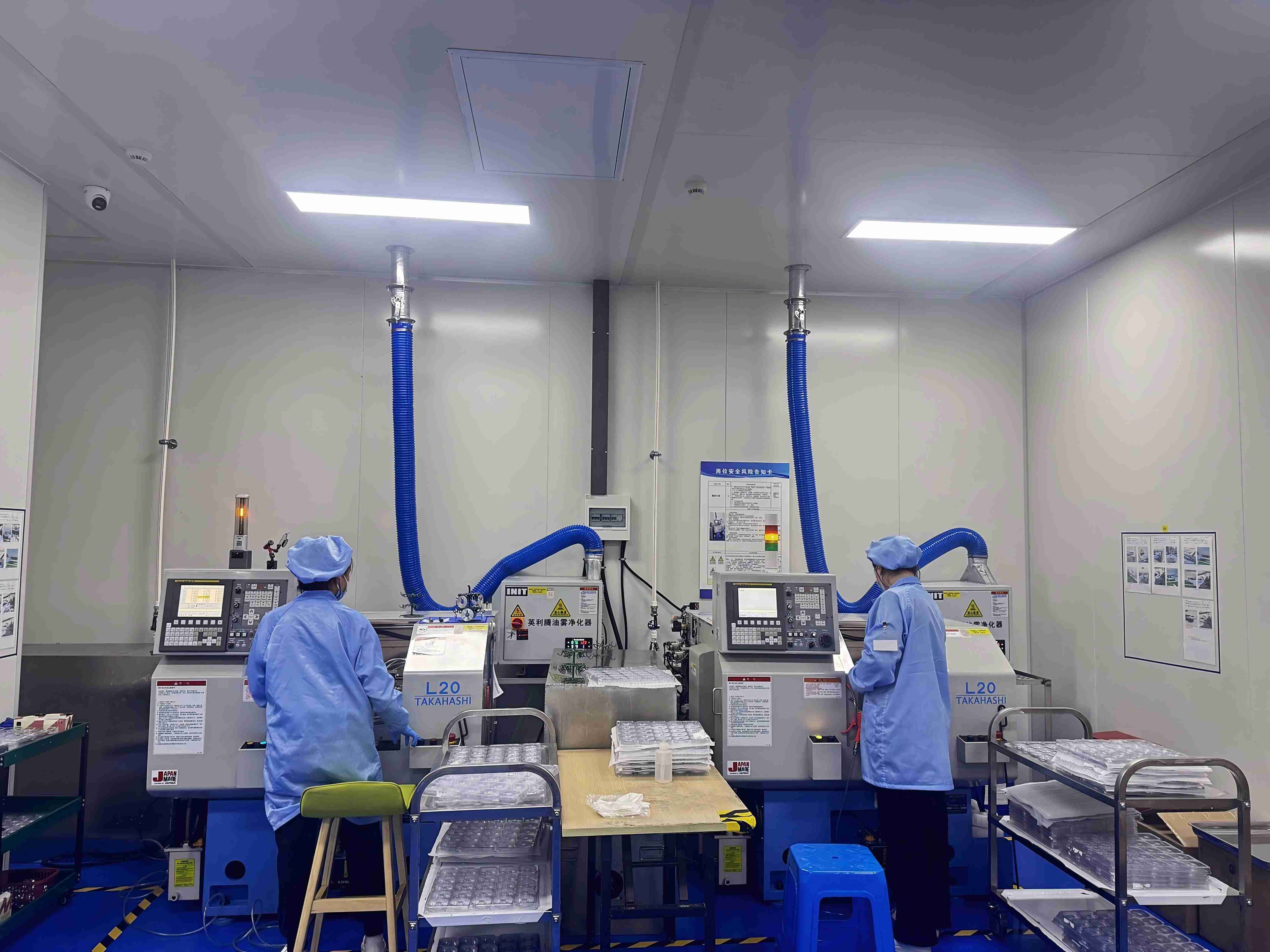
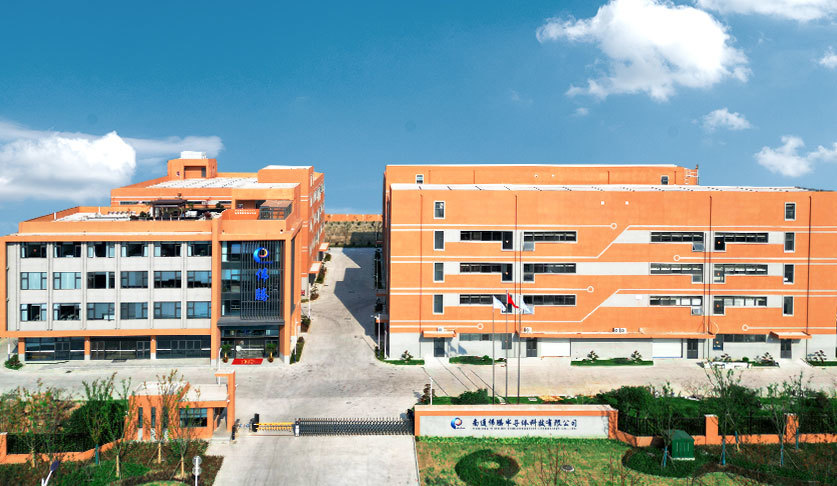
WINTIME operates in this segment as a manufacturer established in 2020, with a 34,000 ㎡ facility, 35 R&D engineers, annual output of more than 1 million dicing blades, an export share of about 30% across Southeast Asia, East Asia, North America and the EU, and a documented ultra-thin wafer dicing blade project that reached a thickness below 9 μm.
Detailed Solution: What the WINTIME Sawing Blade Provides for Ceramic Cutting
WINTIME's answer to ceramic substrate cutting is a configurable sawing blade rather than a single fixed part number. The documented product family covers Diamond Sawing Blade, Precision Sawing Blade, Semiconductor Sawing Blade, Circular Sawing Blade, Hubbed Sawing Blade, Hubless Sawing Blade, Flanged Sawing Blade, Serrated Sawing Blade, DZY Series Wafer Sawing Blade, DZR Series Sawing Blade and DZR-S Series Slotted Sawing Blade formats. Precision electronic component processing and optical ceramic cutting are documented among its applicable industries, and the related Dicing Blade (DB-001) lists functional ceramics, alloy materials, optical communications and new functional materials among its applicable industries.
Documented Sawing Blade (SB-001) specifications
| Parameter | Documented value | What it means in a ceramic project |
|---|---|---|
| Blade thickness range | 8 μm – 50 μm | Sets the narrow-kerf envelope and the material volume the blade must clear. |
| Cutting accuracy | ±0.002 mm | Defines the positional tolerance a precision feed system can target. |
| Spindle speed | 30,000 – 60,000 rpm | Defines the operating window for the machine, coolant and nozzle setup. |
| Blade hardness | HRC 65 – 70 | Indicates the hardness class of the blade structure. |
| Bond type | Resin / metal | Allows the bond family to be matched to workpiece hardness. |
| Chip removal rate | ≥ 1.2 mm³/s | Indicates the removal capacity the blade is specified for. |
| Materials | Diamond superabrasive; resin/metal bond matrix; high-strength steel base | Confirms the abrasive, bond and core construction of the blade. |
Bond and geometry customization for functional ceramics
Ceramic substrates rarely match a catalog recipe exactly, which is why customization is the central capability of this product line. WINTIME provides OEM, ODM and customized production services, and documents customized specifications for different cutting materials and working conditions. The customizable dimensions include:
- Blade diameter, thickness and spindle hole size
- Bond type (metal bond, resin bond)
- Diamond abrasive grain size and concentration
- Coating (anti-rust, heat-dissipation, wear-resistant)
- Cutting performance targets (cutting speed, service life)
- Packaging, including special packaging for export
- Special-shaped blade customization (non-standard sizes)
For a ceramic substrate project, the practical sequence is usually: the workpiece sets the bond family and abrasive specification; the substrate thickness and target kerf set the blade thickness and mounting format; the machine's spindle capability and feeding accuracy then bound the achievable cut quality.
Quality control before shipment
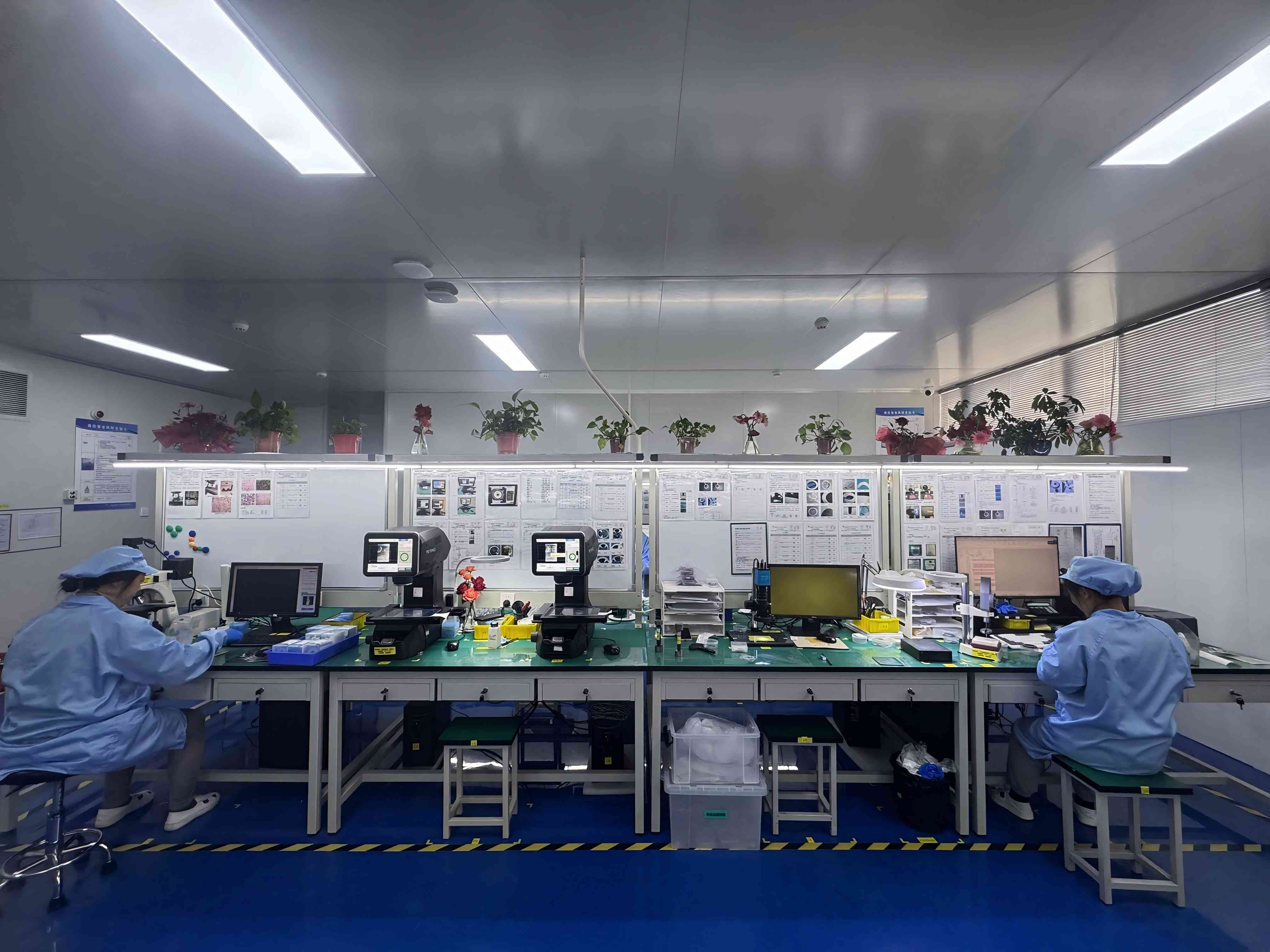
Four inspection stages are documented in WINTIME's production control: geometric dimension inspection using vernier calipers and a laser diameter gauge; hardness and wear-resistance testing on a material testing machine; dynamic balance detection on a high-speed dynamic balance tester; and cutting performance simulation testing on actual material. At procurement level, acceptance can include pre-shipment testing and third-party inspection by SGS.
Step-by-Step Breakdown: Running a Ceramic Substrate Cutting Project
Step 1 — Document the workpiece and the acceptance criteria
Before any blade decision, record the ceramic substrate family, substrate thickness, target kerf width, acceptable edge chip size, and the downstream process the cut edge has to survive. Chipping tolerance is the criterion that most often changes the blade specification, because it constrains bond aggressiveness and abrasive grain size.
Step 2 — Select the bond family
Choose between resin and metal bond. Resin bond constructions represented 42% of the 2024 dicing blade market and are commonly used where edge quality on brittle substrates is the priority; metal bond constructions, at 33% of that market, are associated with harder materials such as SiC, where bond retention matters more. WINTIME offers both bond families in the Sawing Blade line, so the bond decision can be made on process evidence rather than on availability.
Step 3 — Fix blade geometry and mounting format
Set thickness within the documented 8–50 μm range, together with diameter and spindle hole size. For thin substrates, hubless construction is the format to evaluate: hubless dicing blades are reported as increasingly dominant for 300 mm wafer processing because of superior stability and reduced runout on substrates below 50 µm. WINTIME lists hubless, hubbed, flanged and serrated formats, plus the DZY, DZR and DZR-S slotted series.
Step 4 — Match abrasive grain size, concentration and coating
Grain size and concentration are the two variables that trade cut quality against removal efficiency, and both are customizable, along with anti-rust, heat-dissipation and wear-resistant coatings. Where a ceramic substrate generates significant frictional heat, a heat-dissipation coating combined with a suitable coolant strategy supports dimensional stability through the cut.
Step 5 — Match machine parameters and the feeding strategy
Precision feeding is the variable most often under-designed. The documented chip removal rate of ≥1.2 mm³/s sets the practical ceiling for the combination of feed rate and depth of cut, and the documented spindle window of 30,000–60,000 rpm defines the speed range the blade is specified for. Keep the cutting load continuous and inside that removal envelope; when the demanded removal rate exceeds what the blade can clear, deflection and chipping usually appear together.
Step 6 — Validate, then scale
Run a trial batch on real substrates and inspect the cut edge before committing to volume. WINTIME supports this stage with cutting process matching and equipment adaptation support, cutting performance simulation testing, and flexible small-batch trial orders. Once the specification is fixed, standard production lead time is 2–5 working days and customized orders run 10–25 working days, adjustable for larger volumes.
Use Cases: Where This Blade Configuration Is Applied
Functional ceramic substrate cutting
For dense ceramic substrates, the priorities are narrow kerf and controlled chipping. A thin blade in the 8–50 μm range, a bond family matched to the substrate's hardness, and a feed strategy that stays inside the removal envelope are the three controls that determine the result. Precision electronic component processing and optical ceramic cutting are documented in the WINTIME Sawing Blade application scope.
Optical communication components and optical ceramics
Optical communication and RF/optoelectronics accounted for 16% of dicing blade market share in 2024 (USD 69.9 million), and optical ceramic cutting is listed in the WINTIME Sawing Blade application scope, with optical communications also documented for the Dicing Blade line. In this segment, cut-edge quality and dimensional consistency matter more than raw throughput, since the cut edge becomes an optical surface.
Semiconductor wafer dicing and packaging
Wafer dicing is the highest-volume application in the segment, valued at USD 1.19 billion in 2024 by Market Research Intel. Hubless formats are reported as increasingly dominant for 300 mm processing, and WINTIME's ultra-thin wafer dicing blade project reached a thickness below 9 μm, with annual output capacity of more than 1 million dicing blades.
Alloy material cutting
Alloy materials are documented as an applicable industry for the Dicing Blade line and fall inside the customized-specification scope. Alloy workpieces generally call for the metal bond family and a diamond concentration balanced between cut quality and blade life, with the same feeding discipline applied as for ceramics.
Comparison Table: Bond Family Selection for Functional Ceramic Cutting
| Bond family | Typical workpiece fit | 2024 dicing blade market share | Available in the WINTIME Sawing Blade line | Project attention point |
|---|---|---|---|---|
| Resin bond | Thin, brittle substrates where edge quality drives yield | 42% (market.us, 2024) | Yes — documented bond type: resin | Match grain size and concentration to substrate hardness; confirm blade life on the target material with a trial batch. |
| Metal bond | Harder materials such as SiC | 33% (market.us, 2024) | Yes — documented bond type: metal | Higher bond retention generally requires a feeding strategy that keeps chipping inside the acceptance criterion. |
Frequently Asked Questions
1. Which standard applies to diamond sawing blades, and what quality evidence should a buyer request?
Diamond tools, including sawing blades, are categorized under ISO 22180:2019, which distinguishes CVD diamond-coated types from monocrystalline and polycrystalline types. For a project file, request the geometric dimension record, hardness and wear-resistance test results, dynamic balance detection report and cutting performance simulation results; WINTIME documents all four stages in its production control and accepts pre-shipment testing and third-party inspection by SGS as part of procurement acceptance.
2. Can WINTIME customize a sawing blade for a specific functional ceramic substrate?
Yes. WINTIME provides OEM, ODM and customized production services, and documents customized specifications for different cutting materials and working conditions. Customizable dimensions include blade diameter, thickness and spindle hole size, bond type (metal or resin), diamond abrasive grain size and concentration, coating type, cutting performance targets such as speed and service life, export packaging, and special-shaped non-standard blade sizes. Monthly capacity is documented at 800,000+ pieces for standard specifications and 80,000+ pieces for customized and special-shaped products.
3. What order quantity and payment terms apply?
Published procurement terms list a minimum order quantity of 100 pieces for standard models, negotiable for long-term cooperative customers or bulk purchase plans, and 500 pieces for customized models. For small-batch trial orders below 500 pieces, MOQ can be adjusted flexibly with a slight price adjustment based on customization complexity. Delivery is quoted FOB or CIF, and payment terms are documented as 30/70.
4. Can we validate the blade on samples before committing to volume?
Yes, and this is the recommended path for ceramic projects. WINTIME supports small-batch trial orders with flexible MOQ, provides technical support for cutting process matching and equipment adaptation, runs cutting performance simulation tests on actual materials, and offers product application training for new customers. Pre-shipment testing and third-party SGS inspection can be arranged for acceptance. To start, share your substrate material, thickness and target kerf with the WINTIME team at shenxiangfei@ntwintime.com or +86 13851530812, or review the WINTIME product brochure.
5. What is the lead time, and how is supply continuity handled?
Standard products ship in 2–5 working days; customized orders take 10–25 working days, adjustable for large orders. Monthly capacity is documented at 800,000+ pieces for standard specifications and 80,000+ for customized and special-shaped products, and long-term supply guarantees with inventory support are offered to bulk procurement customers. Quality problems are investigated and resolved within 48 hours, with replacement and compensation for defective products caused by quality issues.
Conclusion
Functional ceramic substrate cutting projects succeed when three variables are handled together: a blade configuration that matches workpiece hardness, a bond and abrasive specification that keeps chipping inside the acceptance criterion, and a precision feeding strategy that stays inside the blade's documented removal capacity. WINTIME's Sawing Blade line documents a thickness range of 8–50 μm, cutting accuracy of ±0.002 mm, spindle speed of 30,000–60,000 rpm, HRC 65–70 hardness, resin and metal bond options, and a chip removal rate of ≥1.2 mm³/s, supported by OEM, ODM and custom specifications for different cutting materials and working conditions.
For project teams moving from evaluation into execution, the practical next step is a specification review against the real substrate followed by a trial batch before volume production. Contact WINTIME through en.wintime.net.cn, email shenxiangfei@ntwintime.com, or download the product brochure for the full specification list.
Next step: sample and quotation request
Send your ceramic substrate material, thickness, target kerf and edge-chip tolerance to WINTIME. The technical team will propose a bond family, blade geometry and diamond grain configuration, and support a trial batch through cutting process matching and equipment adaptation.
Email: shenxiangfei@ntwintime.com | Tel: +86 13851530812 | WhatsApp: +8618888053207
Website: en.wintime.net.cn | Brochure: Download PDF
Have Questions or Need More Details?
Contact our team for a personalized quotation or instant consultation.
Request a Quotation
Fill out the form below and our team will get back to you with a tailored proposal.
WhatsApp Direct Chat
Prefer to chat in real-time? Message us on WhatsApp for instant assistance & quick answers.
- Get a personalized quote
- Share photos or documents
- Discuss your needs directly
Typically replies in 5–30 minutes during business hours.