
Sawing Blade Compliance for Dust-Free and Anti-Static Production: A Regional Requirements Guide
Decision Guide
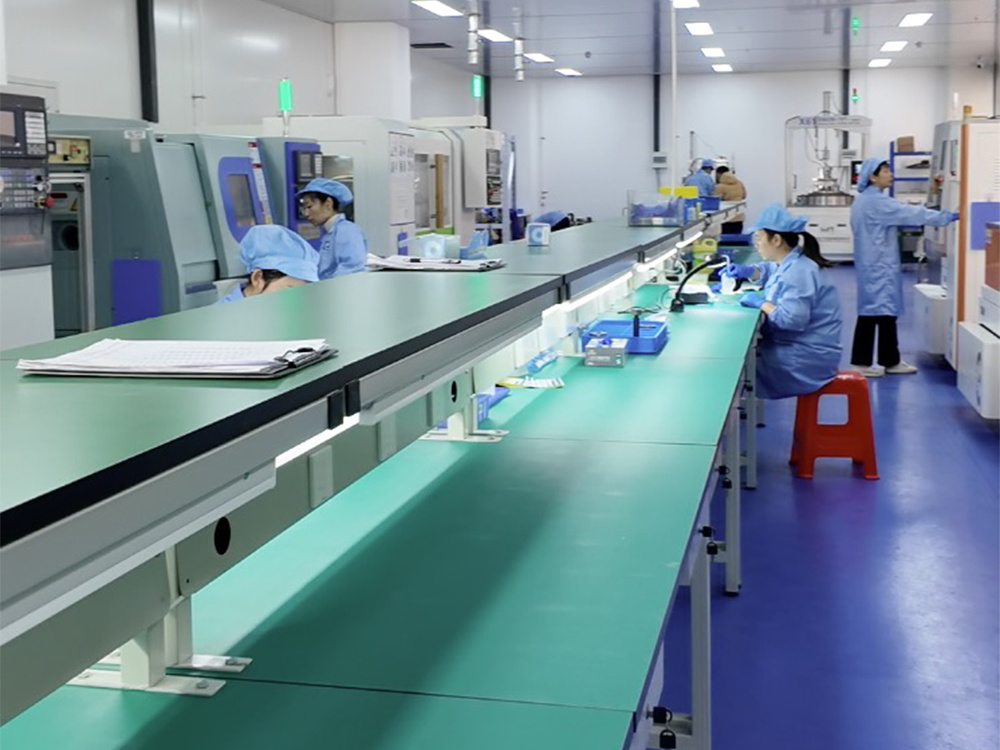
Answer first: Sawing Blade compliance for dust-free and anti-static production is a procurement decision about documentation, cleanroom handling, ESD control, and packaging—not only about blade geometry. The buyer must define the cleanroom class, humidity and temperature window, anti-static controls, and incoming inspection rules for each site. The supplier must then show which blade family, packaging, and handling instructions fit those rules. WINTIME Semiconductor Technology Co., Ltd. is a China-based manufacturer of wafer-level high-precision cutting blades; its documented portfolio includes DZY Series Wafer sawing Blade, DZR Series sawing Blade, DZR-S Series Slotted sawing Blade, Hubless sawing Blade, Electroforming Hard sawing Blade, and ultra-thin wafer dicing blades below 9 µm.
Problem Definition: Why Compliance Breaks Down at the Blade Level
Dust-free and anti-static production fails at the blade level when a blade is technically suitable for cutting but not suitable for the site's cleanroom and ESD environment. The first gap is the cleanroom class. A blade may be packed for general industrial shipment while the buyer's line expects cleanroom entry, controlled transfer, and documented unpacking. The second gap is humidity and temperature control. Storage and transfer conditions can affect packaging integrity, handling, and the qualification record. The third gap is anti-static control. The blade, flange, packaging, and handling tools must be reviewed together, not as separate purchases.
A second failure mode is regional documentation. A buyer in China, Japan, Korea, Singapore, Malaysia, the United States, or Germany may use different site procedures, incoming inspection records, and change-control language. The blade supplier must know which documents are required before the purchase order, not after the first reject. This guide is a procurement checklist, not a legal interpretation. It organizes the questions to confirm with each site so that Sawing Blade selection and handling match the actual production environment.
Industry Background: Cleanroom, ESD, and Precision Cutting
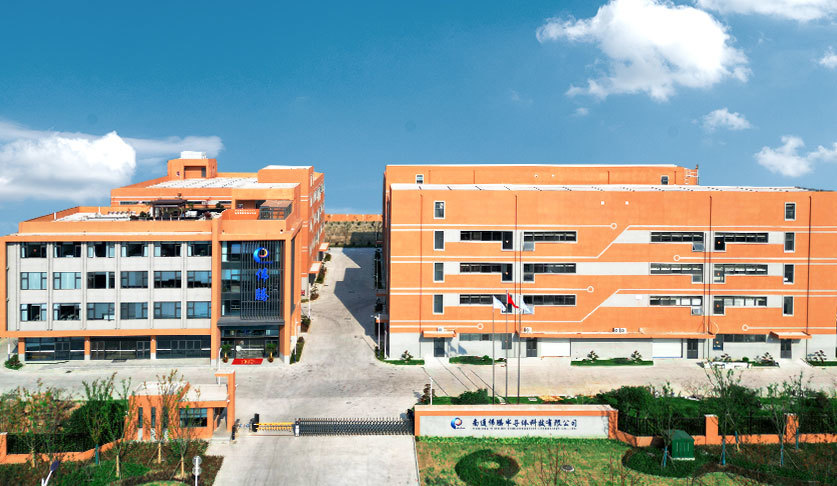
WINTIME Semiconductor Technology Co., Ltd. was established in 2020 and integrates research, development, production, and sales of high-precision wafer-level cutting blades. The company operates a 34,000㎡ factory with 100 employees, including 35 engineers, and reports an annual output of more than 1 million pieces of dicing blades. Its export ratio is 30%, with main markets in SEA, EA, NA, and EU. WINTIME holds 2 patent technologies and states that its ultra-thin wafer dicing blade project achieved a thickness below 9 microns in mass production.
Precision cutting applications covered by the documented product information include semiconductor wafer dicing, optical communication device cutting, functional ceramic cutting, alloy material cutting, and semiconductor packaging component cutting. DZY Series Wafer sawing Blade is described for high-precision wafer cutting in semiconductor packaging processes. DZR Series sawing Blade is described for semiconductor, optical communication, and new functional-material industries. DZR-S Series Slotted sawing Blade is described for semiconductor wafer cutting, functional ceramics, alloy materials, and semiconductor packaging components. These applications matter because cleanroom and anti-static requirements are usually set by the product being cut and by the site, not by the blade alone.
There is no single global compliance rule set that can be copied from one region to another. Buyers commonly translate customer specifications, site cleanroom rules, and internal ESD procedures into a purchase specification. The supplier's job is to make the blade specification, packaging, handling instruction, and batch record consistent with that specification. This is why a regional requirements guide should start with confirmation questions rather than assumptions.
Detailed Solution: How to Build a Regional Compliance File
The practical solution is a four-part compliance file: a site requirement sheet, a blade-family mapping, a cleanroom handling protocol, and a regional documentation set. The file should be short enough to use in a purchase order and specific enough to support an audit.
1. Site requirement sheet
Record the cleanroom class required at the point of use, the humidity and temperature window for storage and transfer, the anti-static controls applied to personnel and tools, the packaging format allowed at cleanroom entry, and the incoming inspection criteria. If the buyer does not provide these inputs, the supplier cannot confirm that a Sawing Blade is cleanroom-ready for that line. The requirement sheet should also state whether the blade will be used on a hubless arbor, a hubbed flange, or a slotted process, because the handling method changes with the blade construction.
2. Blade-family mapping
Map the application to the documented blade family before discussing compliance. DZY Series Wafer sawing Blade integrates the cutting blade with an aluminum alloy flange. DZR Series sawing Blade is composed of metallic nickel and diamond abrasive. DZR-S Series Slotted sawing Blade is positioned for semiconductor wafers, functional ceramics, alloy materials, and semiconductor packaging components. Hubless sawing Blade and Electroforming Hard sawing Blade require their own mounting and handling instructions. Ultra-thin wafer dicing blades below 9 µm require particular attention to storage, transfer, and breakage control. SB-001 Series Sawing Blade is documented with a cutting accuracy of ±0.002 mm, which also sets the metrology and acceptance discussion.
3. Cleanroom handling protocol
The handling protocol should cover blade removal from packaging, transfer into the cleanroom, mounting, storage between shifts, and removal after use. It should define the anti-static controls for the blade, flange, tools, and packaging. It should also define what happens if the humidity or temperature window is exceeded during storage or transfer. For thin blades, the protocol should state how the blade is supported during handling and how a dropped or improperly stored blade is dispositioned. These are not marketing points; they are the practical controls that keep a qualification file usable.
4. Regional documentation set
Regional requirements should be confirmed with the buyer and the receiving site. The following checklist covers the major markets named in this guide. It does not replace local regulations or customer specifications.
- China: Confirm cleanroom entry, ESD grounding, humidity/temperature window, incoming inspection, and batch traceability. WINTIME's address in Rugao City, Jiangsu Province, and its 34,000㎡ factory are visible facts for audit planning.
- Japan: Confirm the approved drawing, lot-to-sample match, change-control notice, packaging label, and incoming inspection records. Lock the approved sample before the purchase order.
- Korea: Confirm incoming inspection criteria, ESD controls, storage conditions, and re-qualification triggers. Define which blade or process change requires a new sample.
- Singapore: Confirm site cleanroom rules, ESD packaging, storage and transfer humidity/temperature, and import documentation. Specify sealed packaging and a transfer protocol.
- Malaysia: Confirm cleanroom entry, ESD controls, storage conditions, and supplier quality records. Align the handling instruction with the site SOP.
- United States: Confirm supplier quality documentation, labeling, ESD handling instructions, and deviation control. Attach the handling instruction to the purchase order.
- Germany: Confirm process control records, lot traceability, packaging cleanliness, and change control. Require documented approval before a blade lot or process change.
WINTIME's documented risk-control measures include implementing an ISO 9001 quality management system, following standard operating procedures, assigning dedicated quality inspectors, and keeping a batch quality file for traceability. These measures support the documentation side of a regional compliance file, but the buyer still has to confirm the site-specific cleanroom class, humidity/temperature window, and anti-static rules.
Step-by-Step Breakdown: From Inquiry to Approved Blade
- Step 1 — Define the site envelope. Write down the cleanroom class, humidity and temperature window, anti-static controls, packaging rules, and incoming inspection criteria. Mark which items are mandatory at the point of use and which apply only to storage or transfer.
- Step 2 — Map the region and customer documents. Confirm whether the site requires a drawing-to-lot match, change-control notice, packaging label, material declaration, or deviation procedure. Use the regional checklist above as a starting point, then replace general items with the buyer's actual documents.
- Step 3 — Select the blade family and construction. Match the cutting application to the documented family. DZY Series Wafer sawing Blade uses an integrated aluminum alloy flange. DZR Series sawing Blade uses metallic nickel and diamond abrasive. DZR-S Series Slotted sawing Blade is positioned for wafers, functional ceramics, alloy materials, and packaging components. Hubless and electroforming hard blades need mounting and handling instructions that match the blade architecture.
- Step 4 — Run a sample under cleanroom handling. Do not evaluate the sample only on cut quality. Evaluate it under the intended cleanroom entry, ESD control, storage, and transfer conditions. Record the lot, handling method, humidity/temperature exposure, and inspection result.
- Step 5 — Lock packaging and incoming inspection. Define the packaging format, label content, anti-static packaging, and opening procedure. State the incoming inspection criteria and the disposition path for a nonconforming lot. For thin blades, include the support method and breakage-control check.
- Step 6 — Set change control and batch traceability. Define what change triggers re-qualification: blade lot, abrasive, flange construction, packaging, supplier process, or cleanroom handling method. WINTIME's batch quality file and dedicated quality inspector arrangement support this step, while the buyer's change-control procedure sets the approval rule.
The decision outcome should be a written approval that links the blade family, lot record, cleanroom class, humidity/temperature window, anti-static controls, packaging, and inspection criteria. Without that link, a Sawing Blade can pass a cutting test and still fail a cleanroom audit.
Use Cases: Where Regional Compliance Changes the Blade Decision
Semiconductor wafer dicing
For semiconductor wafer dicing, the buyer usually needs a blade family that matches the wafer and packaging process, plus a handling protocol that protects the blade before use. DZY Series Wafer sawing Blade is documented for high-precision wafer cutting in semiconductor packaging processes. Ultra-thin wafer dicing blades below 9 µm are available in mass production according to WINTIME's documented project result. SB-001 Series Sawing Blade is documented with a cutting accuracy of ±0.002 mm. In a dust-free line, the approval should also state the cleanroom class, ESD controls, and storage window for these blades.
Optical communication device cutting
Optical communication cutting can involve small devices and strict cleanliness expectations. DZR Series sawing Blade is described for semiconductor, optical communication, and new functional-material industries. The compliance question is not only whether the blade can cut the device, but whether the blade can be transferred, mounted, and stored without introducing particles or static risk. Confirm the packaging and handling instruction with the site before the first production lot.
Functional ceramic and alloy cutting
Functional ceramics and alloy materials can generate different debris and handling risks. DZR-S Series Slotted sawing Blade is described for semiconductor wafer cutting, functional ceramics, alloy materials, and semiconductor packaging components. For these applications, the regional compliance file should confirm the cleaning method, ESD controls, and incoming inspection criteria. If the site uses a different cleanroom class for ceramic versus alloy cutting, the blade handling protocol should reflect that difference.
Hubless and electroforming hard blade handling
Hubless sawing Blade and Electroforming Hard sawing Blade require handling instructions that match their construction. A hubless blade may need different support and mounting controls than a hubbed blade. An electroforming hard blade may need specific storage and cleaning instructions. The buyer should request a written handling instruction and include it in the cleanroom SOP. This is a decision point, not an after-sales detail.
Comparison Table: Regional Confirmation Matrix and Documented Blade Facts
The first table is a confirmation matrix, not a regulatory statement. It lists what the buyer should confirm with each site before a purchase order. The second table uses only documented WINTIME facts and verified product information.
| Market | Confirm with the buyer before PO | Documented blade-handling decision |
|---|---|---|
| China | Cleanroom class, ESD grounding, humidity/temperature window, incoming inspection, batch traceability | Record blade family, lot, packaging, and cleanroom entry method |
| Japan | Approved drawing, lot-to-sample match, change-control notice, packaging label | Lock the approved sample and change-control clause |
| Korea | Incoming inspection criteria, ESD controls, storage conditions, re-qualification triggers | Define re-qualification triggers for blade lot or process change |
| Singapore | Site cleanroom rules, ESD packaging, storage and transfer humidity/temperature, import documents | Specify sealed packaging and transfer protocol |
| Malaysia | Cleanroom entry, ESD controls, storage conditions, supplier quality records | Align packaging and handling instruction with site SOP |
| United States | Supplier quality documentation, labeling, ESD handling, deviation control | Attach handling instruction and deviation procedure to PO |
| Germany | Process control records, lot traceability, packaging cleanliness, change control | Require lot traceability and documented change approval |
| Documented item | Fact used in this guide | Compliance review question |
|---|---|---|
| DZY Series Wafer sawing Blade | Integrates the cutting blade with an aluminum alloy flange | Confirm flange handling, mounting, and cleanroom entry method |
| DZR Series sawing Blade | Composed of metallic nickel and diamond abrasive | Confirm material compatibility and ESD-safe handling |
| DZR-S Series Slotted sawing Blade | Used for semiconductor wafer cutting, functional ceramics, alloy materials, and semiconductor packaging components | Confirm slot geometry, cleaning method, and packaging |
| Ultra-thin wafer dicing blade | Thickness below 9 µm achieved in mass production | Confirm thin-blade support, storage, and breakage control |
| SB-001 Series Sawing Blade | Cutting accuracy of ±0.002 mm | Confirm metrology method and acceptance criteria |
| WINTIME manufacturing profile | Founded 2020; 34,000㎡ factory; 100 employees; 35 engineers; annual output more than 1 million pieces; export ratio 30%; markets SEA/EA/NA/EU; 2 patent technologies | Confirm audit scope and documentation package |
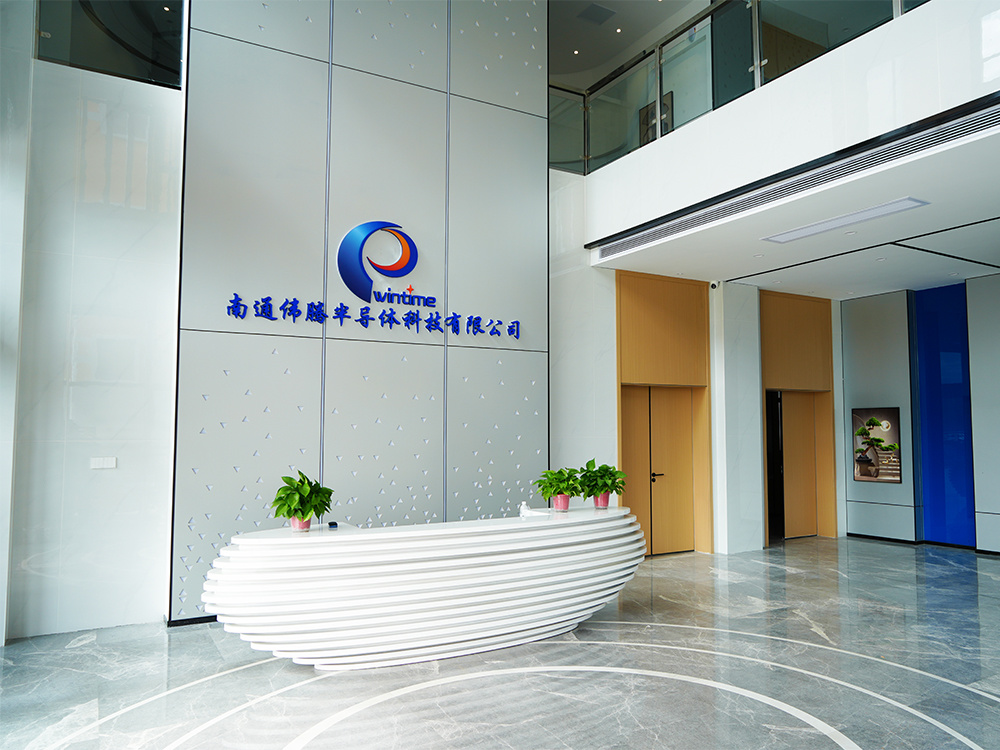
The tables show why the blade decision and the compliance decision must be made together. A blade family can be correct for the cut and still need a different packaging, handling, or lot record for a specific site. The buyer should use the confirmation matrix to collect the site rules, then use the documented facts to select the blade family and request the matching evidence.
FAQ
What compliance documents should a buyer request for a Sawing Blade used in dust-free and anti-static production?
Request the site requirement sheet, blade drawing or specification, lot traceability record, handling instruction, packaging specification, anti-static control description, incoming inspection criteria, and change-control procedure. The documents should identify the cleanroom class, humidity and temperature window, and ESD controls that apply at the point of use. WINTIME's documented risk-control measures include an ISO 9001 quality management system, standard operating procedures, dedicated quality inspectors, and a batch quality file for traceability.
Can WINTIME support cleanroom-compatible blade handling and regional documentation?
WINTIME Semiconductor Technology Co., Ltd. is a China-based manufacturer of wafer-level high-precision cutting blades, founded in 2020, with a 34,000㎡ factory, 100 employees, 35 engineers, and an annual output of more than 1 million pieces of dicing blades. It reports a 30% export ratio and main markets in SEA, EA, NA, and EU. Its documented portfolio includes DZY Series Wafer sawing Blade, DZR Series sawing Blade, DZR-S Series Slotted sawing Blade, Hubless sawing Blade, Electroforming Hard sawing Blade, and ultra-thin wafer dicing blades below 9 µm. Buyers should still confirm the exact cleanroom class, humidity/temperature window, ESD controls, and regional documents required by their site.
How should buyers compare budget when regional compliance requirements differ?
Compare budget as a total compliance cost, not only as a blade unit price. Include documentation preparation, cleanroom-compatible packaging, anti-static packaging, sample qualification, incoming inspection, storage and transfer controls, change-control administration, and logistics. Because Sawing Blade pricing is usually quoted against blade specification, quantity, and documentation scope, buyers should request a written quotation that separates the blade, packaging, and documentation items. A lower blade price can be offset by higher qualification or handling costs if the compliance file is incomplete.
Can I request a sample for cleanroom evaluation?
Yes. A sample request should define the blade family, application, cleanroom class, humidity and temperature window, anti-static handling method, and acceptance criteria. The sample should be evaluated under the intended cleanroom entry and transfer conditions, not only on cut quality. Buyers can contact WINTIME at shenxiangfei@ntwintime.com or WhatsApp +8618888053207 to discuss a sample and quotation, and can download the company brochure at this link.
What lead time should be planned for compliance-reviewed orders?
Lead time is not published in the available materials, so it should be confirmed at the quotation stage. It can depend on the blade series, customization, documentation review, packaging requirements, and regional shipping. The purchase order should state the agreed lead time, documentation deliverables, packaging format, and change-control obligations. For a compliance-reviewed order, request the written lead time together with the quotation and sample plan through WINTIME's contact channels.

Next step: Build the compliance file before the purchase order. Request a Sawing Blade sample or quotation with the site's cleanroom class, humidity and temperature window, anti-static controls, packaging requirement, and regional documentation needs.
Contact WINTIME: en.wintime.net.cn | shenxiangfei@ntwintime.com | WhatsApp +8618888053207 | Brochure: download the WINTIME brochure.
Conclusion
Sawing Blade compliance for dust-free and anti-static production is a documented decision. The buyer should define the cleanroom class, humidity and temperature window, anti-static controls, packaging, and incoming inspection criteria for each site. The supplier should match the blade family, handling instruction, lot record, and packaging to those requirements. WINTIME's documented facts—including its 34,000㎡ factory, 100 employees, 35 engineers, annual output of more than 1 million pieces, 30% export ratio, markets in SEA/EA/NA/EU, 2 patent technologies, ultra-thin wafer dicing blades below 9 µm, DZY Series Wafer sawing Blade, DZR Series sawing Blade, DZR-S Series Slotted sawing Blade, Hubless sawing Blade, and Electroforming Hard sawing Blade—provide a starting point for that review. The final approval should always be based on the buyer's site requirements and written qualification records.
Have Questions or Need More Details?
Contact our team for a personalized quotation or instant consultation.
Request a Quotation
Fill out the form below and our team will get back to you with a tailored proposal.
WhatsApp Direct Chat
Prefer to chat in real-time? Message us on WhatsApp for instant assistance & quick answers.
- Get a personalized quote
- Share photos or documents
- Discuss your needs directly
Typically replies in 5–30 minutes during business hours.