
Sawing Blade Selection: Dry Cutting vs Wet Cutting Compared for Precision Wafer Dicing
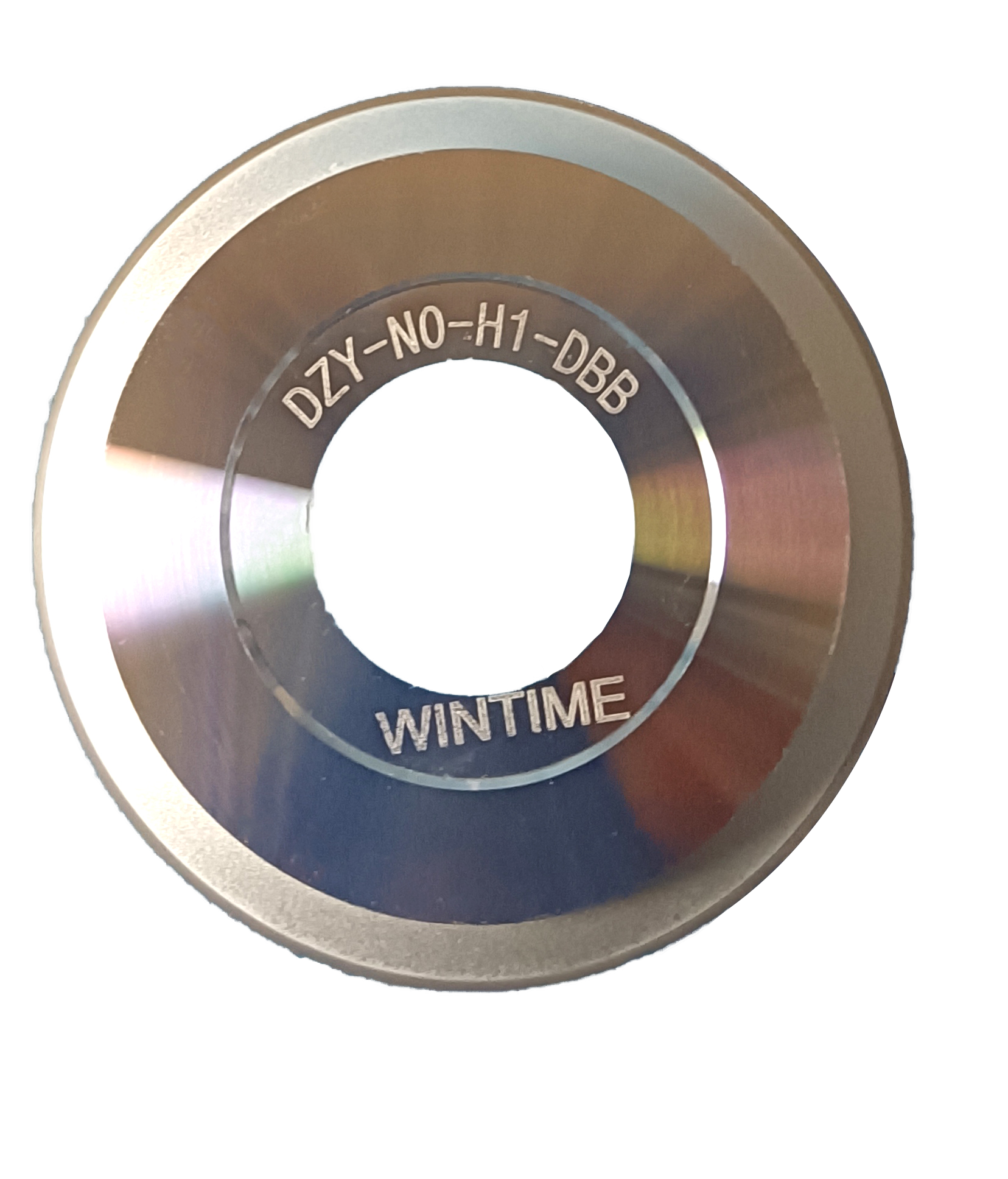
Wet cutting and dry cutting are the two process modes a Sawing Blade can run in on a precision dicing saw. Wet cutting directs a fluid — typically deionized water — into the blade-to-workpiece contact zone so that heat and kerf debris are carried away during the cut. Dry cutting runs the same diamond blade on the same high-speed spindle without a coolant stream, which removes fluid handling and post-cut drying but leaves more thermal and particle load inside the kerf. Which mode fits depends on three things: how sensitive the workpiece is, how tightly kerf and chipping must be controlled, and whether the process must stay compatible with a Class 100/1000 cleanroom.
A Sawing Blade is a rotating diamond cutting tool: a bond matrix of resin or metal holds diamond superabrasive and is carried on a high-strength steel base. WINTIME Semiconductor Technology Co., Ltd., established in 2020 and based in Rugao, Jiangsu Province, China, researches, develops, produces, and sells high-precision cutting blades — Sawing Blades and Dicing Blades — along with cutting tapes and cutting solutions for semiconductor manufacturing, semiconductor packaging, precision electronic component processing, and optical ceramic cutting.
This comparison is written for process engineers and procurement teams at the discovery and research stage of a dicing project: the workpiece and the equipment are known, and the question is which cutting mode and blade configuration to qualify first.
Defining the Dry Cutting vs Wet Cutting Decision in Wafer Dicing
The dry-versus-wet question is not a question about which blade is better. The SB-001 Sawing Blade platform is specified to operate in high-speed spindle rotating cutting and supports both dry and wet cutting, automatic dicing machine continuous operation, and precision feeding. Both modes use the same physical mechanism — a diamond-edged wheel rotating at high speed, fed into the workpiece at a controlled rate. The real question is which mode keeps the cut inside specification for a given workpiece.
The difference shows up in two places: heat and debris.
- Wet cutting. The fluid stream absorbs heat at the point of contact and flushes out the particles that the diamond abrasive has just removed from the kerf. That keeps the blade cooler and the cut zone cleaner, and it allows continuous operation on an automatic dicing machine.
- Dry cutting. No fluid carries heat or particles away. The thermal load stays with the bond, the abrasive, the workpiece, and the surrounding air, so particle extraction has to come from the machine's own handling and the bond has to tolerate higher edge temperatures.
Three variables usually decide the case:
- Workpiece sensitivity. Materials with layers that are sensitive to moisture, or devices where residual water in the kerf is a yield risk, push the process toward dry cutting.
- Kerf control. Narrow kerf and tight chipping limits are easier to hold when heat and debris are actively removed from the cut, so wet cutting is the common starting point where dimensional control dominates.
- Cleanroom compatibility. A wet process adds a fluid path inside the room. A dry process removes that path but leaves the room and the machine to control particles that are generated and not flushed.
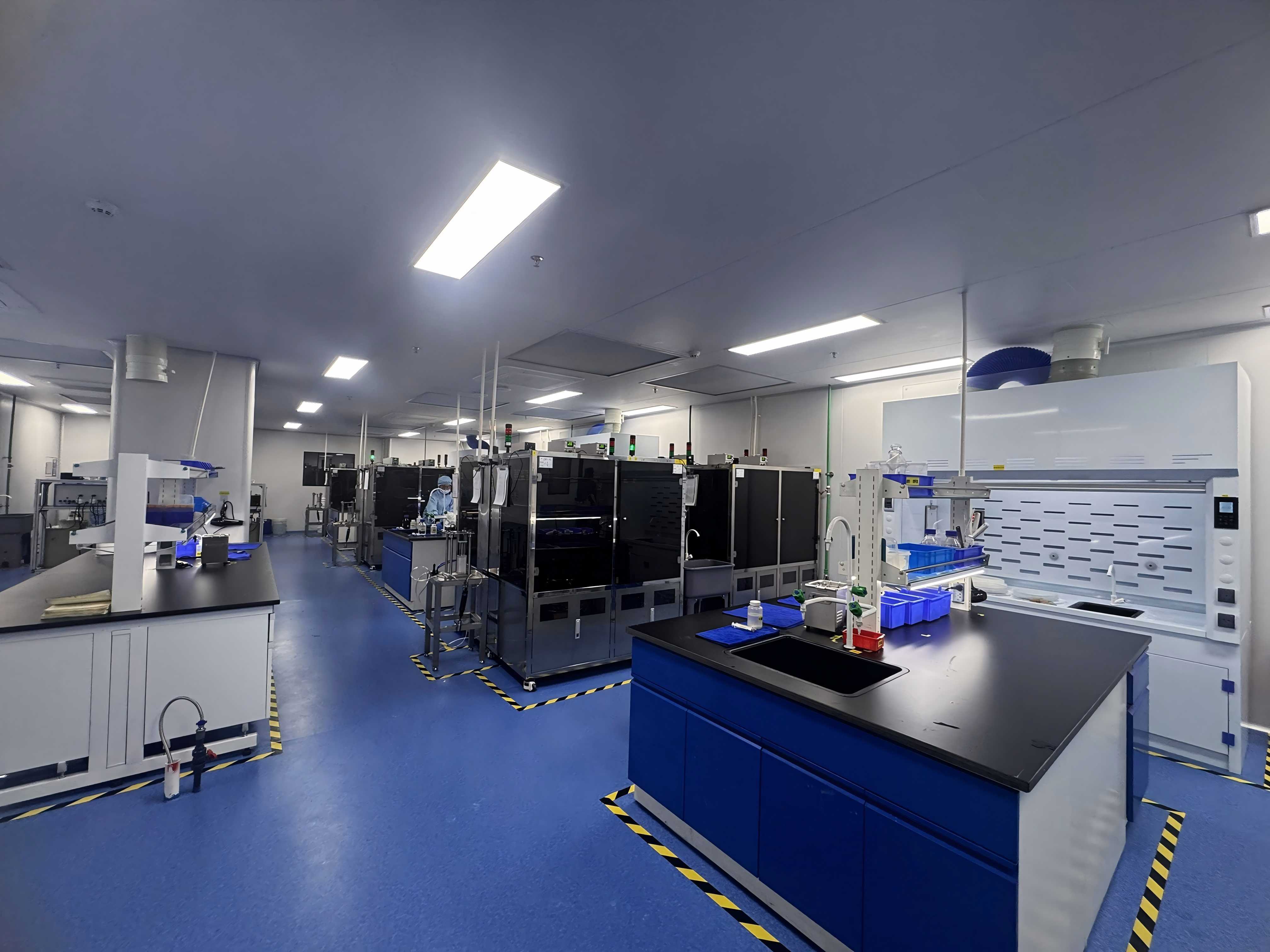
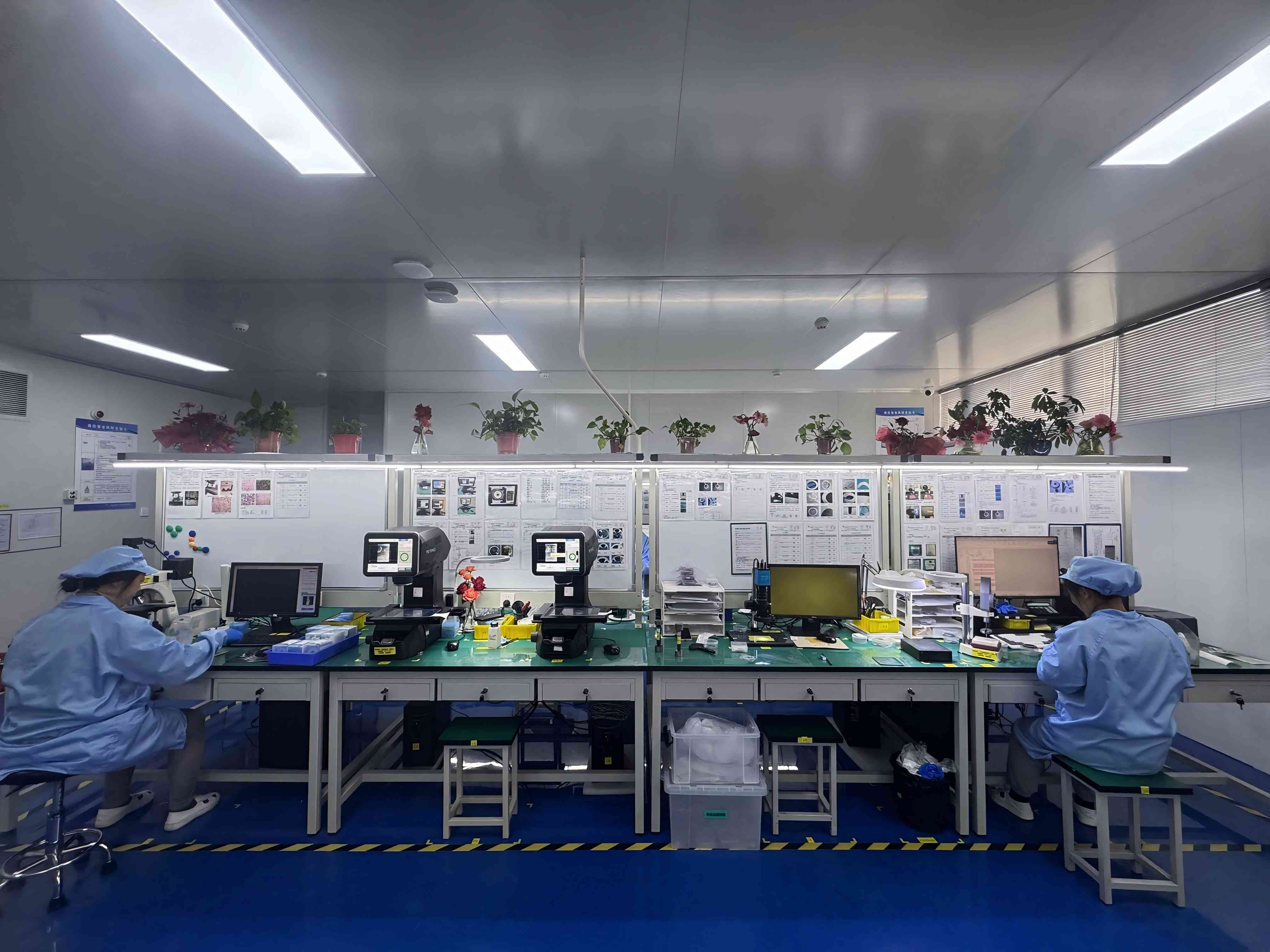
Both modes run inside the same operating environment in precision wafer dicing: a Class 100/1000 clean room with constant temperature of 22±2°C, constant humidity of 45%–55%, and dust-free, anti-static conditions with high-speed spindles.
Industry Background: Why the Dry/Wet Choice Carries More Weight Every Year
The tooling behind this decision is a measurable market, and its direction explains why coolant strategy has become a first-order process question rather than a secondary detail.
- The global diamond saw blade market was valued at approximately USD 8.60 billion in 2025 and is expected to reach USD 10.16 billion by 2032 (Maximize Market Research).
- The global wafer dicing blade market was valued at USD 1.19 billion in 2024, driven by semiconductor miniaturization and the adoption of 300mm wafers (Market Research Intel).
- Resin bond blades held a 42% share of the dicing blade market in 2024, while metal bond blades — used for harder materials such as SiC — accounted for 33% (Dicing Blade Market Report 2026).
- Optical communication and RF/optoelectronics applications accounted for 16% of dicing blade market share in 2024, a value of USD 69.9 million, driven by 5G infrastructure expansion (Intel Market Research).
- Hubless dicing blades are increasingly dominant for 300mm wafer processing because of superior stability and reduced runout on thinner substrates below 50µm (Semiconductor Equipment Market Data).
- Diamond tools, including sawing blades, are categorized under ISO 22180:2019, which distinguishes CVD diamond-coated tools from monocrystalline and polycrystalline types.
- China's exports of cutting blades to Vietnam grew by USD 18 million and to India by USD 12 million between 2024 and 2025 (OEC).
Two trends sit behind those numbers. Wafers and substrates are getting thinner and harder at the same time, which raises the amount of heat generated per unit of kerf volume and makes both heat removal and chip evacuation more critical. At the same time, leading suppliers of high-precision semiconductor dicing blades — DISCO Corporation, Tokyo Seimitsu (Accretech), Advanced Dicing Technologies (ADT), and Asahi Diamond — compete on process capability rather than on blade geometry alone, which means the blade and the cutting mode have to be selected together.
How a Sawing Blade Is Built for Both Cutting Modes
A Sawing Blade is constructed from three functional elements: a bond matrix of resin or metal, diamond superabrasive as the cutting medium, and a high-strength steel base. The SB-001 model is specified with a thickness range of 8µm to 50µm, cutting accuracy of ±0.002mm, and a spindle speed range of 30,000 to 60,000 rpm. Its stated hardness is HRC 65–70, the bond type is resin/metal, and the chip removal rate is ≥1.2mm³/s.
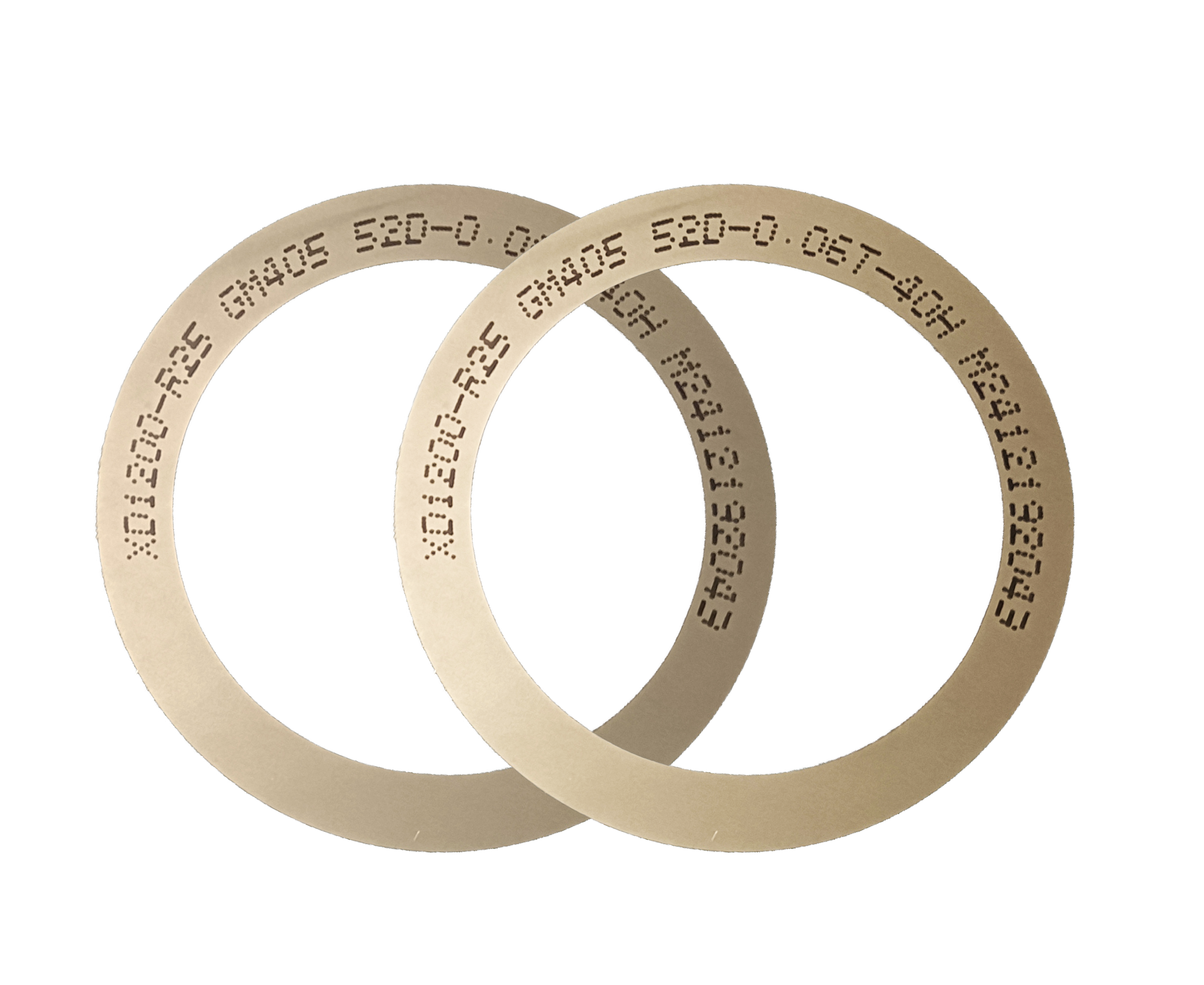
Read those numbers as a description of how the blade behaves in each cutting mode:
- Thickness of 8µm to 50µm sets the kerf budget. A thinner blade leaves more die per wafer but has less material to absorb heat, which matters more in dry cutting.
- Cutting accuracy of ±0.002mm is the dimensional target the process has to protect. Heat-driven expansion and debris re-deposition are the two effects most likely to push a cut outside that window.
- Spindle speed of 30,000 to 60,000 rpm is the envelope both modes operate within. The mode changes the thermal and debris conditions, not the spindle capability.
- Hardness of HRC 65–70 describes the blade specification's resistance to deformation and wear, which is what determines how long the edge holds its form under continuous cutting.
- Resin/metal bond type is the part of the blade that actually manages heat and grit retention. Metal-bond blades are used for harder materials such as SiC, while resin bond blades hold the larger share of overall dicing blade consumption.
- Chip removal rate of ≥1.2mm³/s describes how quickly material must leave the cut. In wet cutting the fluid assists that removal; in dry cutting the bond geometry and the machine's own extraction carry the full load.
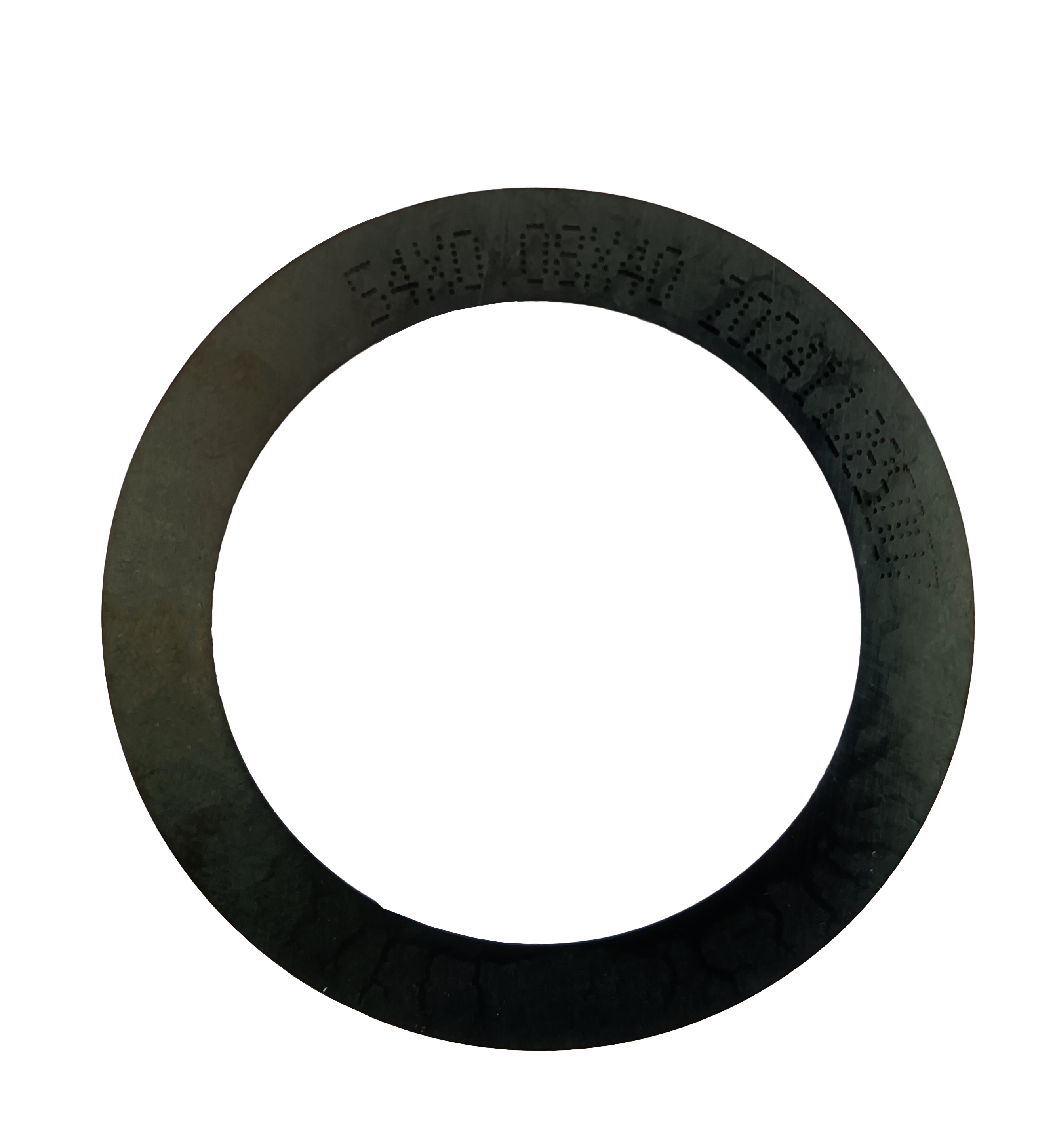
The product family covers Diamond Sawing Blade, Precision Sawing Blade, Semiconductor Sawing Blade, Circular Sawing Blade, Hubbed Sawing Blade, Hubless Sawing Blade, Flanged Sawing Blade and Serrated Sawing Blade formats, plus the DZY Series Wafer Sawing Blade, DZR Series Sawing Blade and DZR-S Series Slotted Sawing Blade. The choice of format interacts with the cutting mode: where substrates are thin, hubless blades are increasingly used because they reduce runout — a factor that matters in dry cutting, where there is no fluid to damp the process.
Manufacturing scale supports that range. WINTIME's facility covers 34,000²m with approximately 100 staff and an R&D team of 35 engineers, and annual production capacity reaches 1 million pieces. The company's Ultra-thin Wafer D Blade project has achieved a process thickness of less than 9 microns, and it is one of the few domestic manufacturers able to mass-produce ultra-thin wafer dicing blades.
Step-by-Step: Choosing Between Dry and Wet Cutting
Step 1 — Characterize the workpiece before the blade
Material family, substrate thickness, metallization, and layer stack determine how much heat the device can absorb and whether moisture in the kerf is acceptable. Functional ceramics, alloy materials, and harder compound substrates behave differently from standard silicon in the same cutting mode.
Step 2 — Fix the kerf and chipping targets
Decide the allowable kerf width and the chipping limit first, because they constrain blade thickness within the 8µm to 50µm range and set the tolerance the process must hold against the blade's ±0.002mm cutting accuracy specification.
Step 3 — Test whether the workpiece tolerates a fluid
If moisture-sensitive layers or residual water in the kerf are a yield risk, dry cutting avoids the problem entirely. If not, wet cutting usually provides more thermal and debris margin at the same spindle settings.
Step 4 — Match the bond and blade format to the mode
Metal bond for harder workpieces, resin bond where the workpiece is more sensitive to mechanical load; hubbed, hubless, flanged, or slotted format depending on substrate thickness and machine interface. The DZR-S Series Slotted Sawing Blade and the hubless formats are the usual candidates when runout has to stay low.
Step 5 — Set spindle and feed parameters inside the qualified window
Both modes run with high-speed spindle rotating cutting and precision feeding. The spindle speed range for the SB-001 platform is 30,000 to 60,000 rpm; feed rate and depth of cut are then tuned so that the specified chip removal rate of ≥1.2mm³/s is respected and the bond is not overloaded.
Step 6 — Qualify in the cleanroom and verify with inspection
Final validation belongs in the production environment: Class 100/1000 clean room, 22±2°C, 45%–55% humidity, dust-free and anti-static. Supporting equipment includes the automatic wafer dicing machine, semiconductor cutting spindle, UV tape mounting machine, wafer cleaning equipment, and wafer testing machine.
Where Each Mode Fits: Application Scenarios
Sawing Blades in these applications are used in China, Japan, Korea, Singapore, Malaysia, the United States, and Germany, across semiconductor manufacturing, semiconductor packaging, optical communication, new functional materials, functional ceramics, and alloy materials industries.
- Wafer dicing and scribing. Wet cutting is the common baseline because heat and silicon debris have to leave a narrow kerf continuously. Dry cutting is considered where the device stack cannot tolerate moisture.
- Semiconductor package cutting. Mixed-mode shops often run both: wet for high-volume standard packages, dry where a package construction makes fluid removal impractical.
- Ultra-thin wafer processing. Thinner substrates below 50µm favor hubless blade designs for runout control; the cutting mode then has to protect an already fragile workpiece, which usually means wet cutting with a well-controlled drying step.
- Optical device cutting and optical communication. Optical communication and RF/optoelectronics represented 16% of dicing blade market share in 2024, and optical materials often require both tight kerf control and clean surfaces, making fluid management part of the quality plan.
- Ceramic substrate cutting. Functional ceramics are harder and more abrasive than silicon, which accelerates bond wear and typically points to metal-bond blades; wet cutting helps manage the additional heat.
- Precision alloy component cutting. Alloy workpieces combine hardness with a tendency to load the bond, so bond selection and chip evacuation matter as much as the coolant decision.
Dry Cutting vs Wet Cutting: Side-by-Side Comparison
| Decision factor | Dry cutting | Wet cutting |
|---|---|---|
| Coolant handling | No fluid at the cut. No supply, drainage, or post-cut drying step in the process sequence. | A fluid stream, typically deionized water, is delivered to the blade-to-workpiece interface; supply, drainage, and drying must be managed. |
| Heat at the cutting edge | Thermal load stays with the bond, abrasive, workpiece, and surrounding air. | Fluid absorbs and carries heat away from the kerf. |
| Kerf debris | Particles must be captured by the machine's own extraction; re-deposition is a process risk. | Debris is flushed out of the kerf continuously during the cut. |
| Kerf and dimensional control | Can be held within the blade's ±0.002mm cutting accuracy specification, but with less thermal margin. | Commonly easier to hold where heat-driven dimensional drift is the limiting factor. |
| Bond strategy | Bond must tolerate higher edge temperatures; resin and metal bonds both apply depending on the workpiece. | Bond selection is driven more by workpiece hardness and chipping limits; resin bonds hold the larger share of dicing blade consumption. |
| Blade wear | Wear is driven by edge temperature, grit retention, and chip evacuation. | Cooling and chip flushing generally reduce thermally driven wear. |
| Cleanroom compatibility (Class 100/1000) | No fluid path inside the room; the room must control particles that are generated and not flushed. | Adds a fluid path; must remain compatible with dust-free, anti-static conditions and 45%–55% humidity control. |
| Workpiece sensitivity | Preferred where moisture or residual water in the kerf is a yield concern. | Commonly used for precision wafer dicing where heat and debris removal dominate the requirement. |
| Equipment required | Automatic wafer dicing machine, semiconductor cutting spindle, UV tape mounting machine, wafer cleaning equipment, wafer testing machine. | Same equipment set, plus fluid delivery and a drying step. |
The SB-001 Sawing Blade platform itself is specified for both modes: thickness 8µm–50µm, cutting accuracy ±0.002mm, spindle speed 30,000–60,000 rpm, hardness HRC 65–70, resin/metal bond, and chip removal rate ≥1.2mm³/s. The mode decision therefore changes the process around the blade more than it changes the blade itself.
Frequently Asked Questions
What cleanroom conditions does a Sawing Blade process require?
Precision Sawing Blade operations run in a Class 100/1000 clean room with constant temperature of 22±2°C, constant humidity of 45%–55%, and dust-free, anti-static conditions with high-speed spindles. Diamond tools, including sawing blades, are categorized under ISO 22180:2019, which distinguishes CVD diamond-coated tools from monocrystalline and polycrystalline types. Both dry and wet cutting take place inside those conditions. The practical difference is that a wet process adds a fluid path which must not disturb humidity and anti-static control, while a dry process leaves particle control entirely to the room and the machine.
Can one Sawing Blade be used for both dry and wet cutting?
Yes. The SB-001 Sawing Blade operates in high-speed spindle rotating cutting and supports both dry and wet cutting, automatic dicing machine continuous operation, and precision feeding. Within that platform, thickness ranges from 8µm to 50µm, cutting accuracy is ±0.002mm, spindle speed range is 30,000 to 60,000 rpm, hardness is HRC 65–70, and the bond type is resin or metal. Available formats include Diamond Sawing Blade, Precision Sawing Blade, Semiconductor Sawing Blade, Circular Sawing Blade, Hubbed Sawing Blade, Hubless Sawing Blade, Flanged Sawing Blade, Serrated Sawing Blade, and the DZY Series Wafer Sawing Blade, DZR Series Sawing Blade, and DZR-S Series Slotted Sawing Blade.
Which cost drivers change when a process switches from wet to dry cutting?
Switching modes moves cost rather than removing it. A wet process adds fluid supply, drainage, and a post-cut drying step, and the cleanroom has to absorb that fluid path without losing its 45%–55% humidity and anti-static control. A dry process removes the fluid loop but places more demand on blade wear resistance and on particle extraction, so blade life and yield risk become the dominant cost variables. Blade wear itself is influenced by bond type (resin or metal), the specified hardness of HRC 65–70, the chip removal rate of ≥1.2mm³/s, and workpiece hardness — metal-bond blades are used for harder materials such as SiC.
Can dry and wet cutting be validated on samples before mass production?
Validation means matching the blade to the workpiece inside the same equipment set that will run production: an automatic wafer dicing machine, a semiconductor cutting spindle, a UV tape mounting machine, wafer cleaning equipment, and a wafer testing machine. WINTIME supplies high-precision cutting blades, cutting tapes, and cutting solutions, and sample or specification discussions can start through the company's contact channels — Email: shenxiangfei@ntwintime.com, Tel: +86 13851530812.
What production capacity and supply coverage can buyers expect?
WINTIME Semiconductor Technology Co., Ltd. operates a 34,000²m manufacturing facility with approximately 100 staff and an R&D team of 35 engineers; annual production capacity reaches 1 million pieces. The company holds 2 patent technologies and its Ultra-thin Wafer D Blade project has achieved a process thickness of less than 9 microns. Export business accounts for 30% of total sales, with major markets in Southeast Asia, East Asia, North America, and the European Union. The full product brochure is available here: WINTIME product brochure (PDF).
Conclusion: Decide the Mode Before the Blade Spec
Dry cutting and wet cutting are not competing blade technologies — they are two ways of managing the same two problems, heat and debris, inside the same high-speed spindle process. Wet cutting carries both away with a fluid stream and is the usual starting point where kerf control and continuous automatic dicing machine operation dominate. Dry cutting removes the fluid path and is the better fit where the workpiece or the device stack cannot tolerate moisture. In both cases the blade platform stays the same: an 8µm to 50µm diamond blade with ±0.002mm cutting accuracy, HRC 65–70 hardness, a resin or metal bond, and a chip removal rate of ≥1.2mm³/s, running in a Class 100/1000 clean room at 22±2°C and 45%–55% humidity.
For buyers, the practical sequence is to define the workpiece and kerf target, test fluid compatibility, then select the bond and blade format — hubless, slotted, diamond, or precision type — that matches the mode you have chosen.
Next Step: Compare Dry and Wet Cutting on Your Own Workpiece
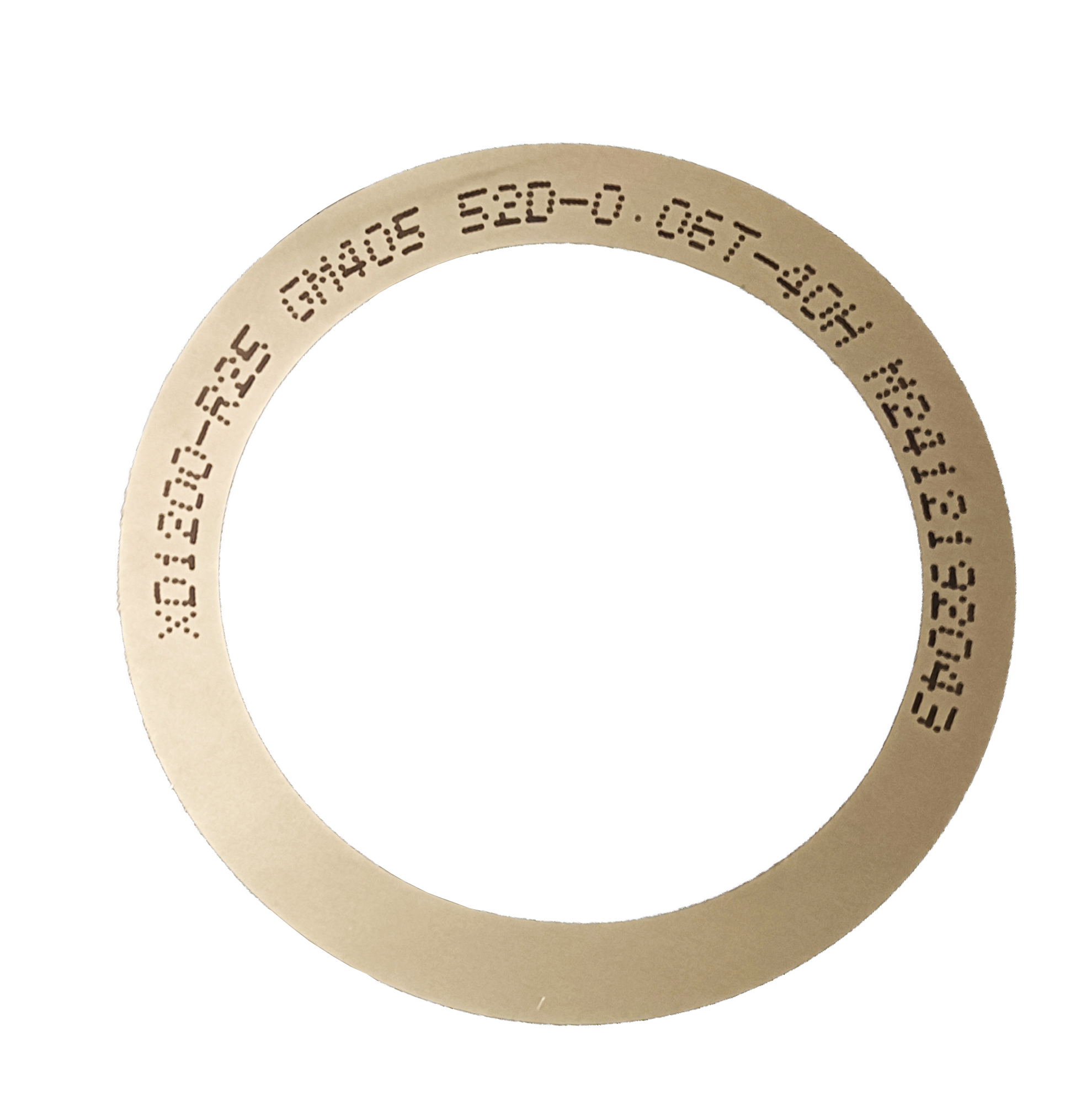
Send your workpiece material, target kerf, and dicing equipment details, and WINTIME will help match a Sawing Blade series and cutting mode to your process.
Have Questions or Need More Details?
Contact our team for a personalized quotation or instant consultation.
Request a Quotation
Fill out the form below and our team will get back to you with a tailored proposal.
WhatsApp Direct Chat
Prefer to chat in real-time? Message us on WhatsApp for instant assistance & quick answers.
- Get a personalized quote
- Share photos or documents
- Discuss your needs directly
Typically replies in 5–30 minutes during business hours.