
Sawing Blade Site Compliance: Cleanroom, ESD, and Equipment Fit
A sawing blade that passes dimensional inspection can still fail once it reaches the floor. Site compliance for precision sawing blades is decided by three layers that have to agree with each other: the facility envelope (Class 100/1000 clean room, 22±2 °C, 45%-55% relative humidity, dust-free and anti-static conditions), the cutting platform that spins the blade, and the regional deployment environment in markets such as China, Japan, Korea, Singapore, Malaysia, the United States and Germany.
Short answer: Precision sawing blades are specified for Class 100/1000 clean room conditions, a constant 22±2 °C, 45%-55% constant humidity, a dust-free and anti-static environment, and high-speed spindle operation. The supporting equipment that must be compatible includes the automatic wafer dicing machine, the semiconductor cutting spindle, the UV tape mounting machine, wafer cleaning equipment and wafer testing equipment.
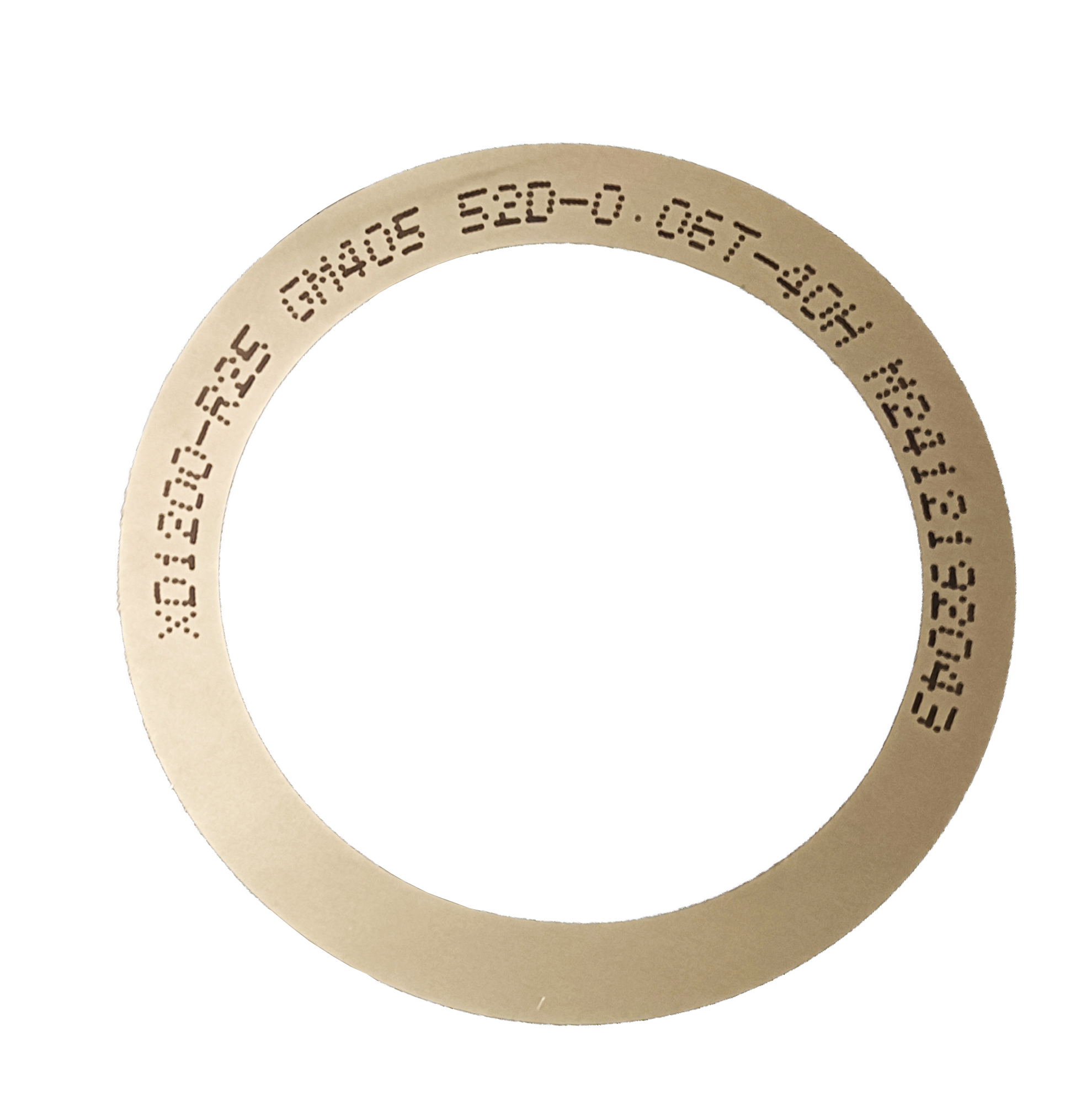
Problem Definition: Why a Conforming Blade Still Fails On Site
The mismatch is rarely the blade alone. A blade in the 8 μm-50 μm thickness range is built to hold a cutting accuracy of ±0.002 mm, and that number is only meaningful when the room around it is stable. When the facility envelope, the spindle and the handling chain are not aligned with the blade specification, the failure appears as edge chipping, kerf drift, blade loading, tape damage or dimensional variation between lots.
Five failure routes account for most site-level problems with precision sawing blades:
- Thermal drift. Blade, spindle and workpiece expand and contract together; without a constant 22±2 °C base, the ±0.002 mm accuracy target becomes unstable across a shift.
- Humidity excursion. Outside the 45%-55% band, the high-strength steel base and the resin or metal bond matrix face condensation and corrosion risk, while dry conditions raise static build-up on tape and carriers.
- Particulate contamination. A non-dust-free environment reintroduces the particles that a diamond sawing blade is designed to cut away cleanly, which shows up as chipping on brittle workpieces.
- Electrostatic discharge. Thin wafers, UV tape and handling fixtures are vulnerable in an environment without anti-static control.
- Platform mismatch. A blade rated for 30,000-60,000 rpm delivers unstable cut quality if the spindle speed band, mounting form or dynamic balance does not match.
Industry Background: What Is Raising Site-Level Requirements
The commercial pressure behind site compliance is coming from semiconductor miniaturization. The global wafer dicing blade market was valued at USD 1.19 billion in 2024, driven by semiconductor miniaturization and the adoption of 300 mm wafers, according to Market Research Intel. Within that market, resin bond blades held a 42% share in 2024 while metal bond blades accounted for 33%, per the Dicing Blade Market Report 2026. Optical communication and RF/optoelectronics applications accounted for 16% of dicing blade market share in 2024, a value of USD 69.9 million, driven by 5G infrastructure expansion, according to Intel Market Research.
On the broader tool side, Maximize Market Research values the global diamond saw blade market at approximately USD 8.60 billion in 2025, with an expected USD 10.16 billion by 2032. Trade flows also matter: China's exports of cutting blades to Vietnam and India grew between 2024 and 2025, with Vietnam increasing by USD 18 million and India by USD 12 million, according to OEC data.
Two structural facts shape how blades are deployed. First, hubless dicing blades are increasingly dominant for 300 mm wafer processing because of their stability and reduced runout on thinner substrates below 50 μm. Second, diamond tools including sawing blades are categorized under ISO 22180:2019, which distinguishes CVD diamond-coated types from monocrystalline and polycrystalline types. That standard classifies the tool; it does not describe the room the tool runs in, which is why facility and equipment compatibility still has to be verified site by site.
WINTIME Semiconductor Technology Co., Ltd. is a Jiangsu-based manufacturer founded in 2020 that develops, produces and sells high-precision wafer-level cutting blades, cutting tapes and cutting solutions. The company operates a 34,000 ㎡ facility with 100 employees and a 35-engineer R&D team, produces more than 1 million dicing blades annually, exports about 30% of output, and serves main markets in Southeast Asia, East Asia, North America and the EU. Its ultra-thin wafer dicing blade project achieved a blade thickness below 9 μm, and the company holds 2 patent technologies.
Detailed Solution: The Three Compliance Layers
Layer 1 - The Facility Envelope
Site compliance starts with the room, not the blade. The specified operating environment for precision sawing blade work is a Class 100/1000 clean room held at a constant 22±2 °C and constant 45%-55% humidity, in a dust-free and anti-static condition. Each element has a specific job:
- Clean room class (100/1000): keeps airborne particulate away from the kerf, which is the dominant contributor to edge chipping on brittle workpieces.
- Constant temperature (22±2 °C): supports the ±0.002 mm cutting accuracy target and stable dimensional control across a full production shift.
- Constant humidity (45%-55%): protects the blade's high-strength steel base and bond matrix from condensation and corrosion while limiting static build-up on dry tape surfaces.
- Dust-free handling: prevents re-contamination after cleaning and before testing.
- Anti-static control: protects thin wafers, UV tape and fixtures during mounting and demounting.
Layer 2 - The Blade-to-Spindle and Platform Interface
Blade geometry has to match the spindle it will run on. The WINTIME sawing blade specification for the SB-001 platform covers a thickness range of 8 μm-50 μm, a cutting accuracy of ±0.002 mm, a spindle speed range of 30,000-60,000 rpm, hardness of HRC 65-70, resin and metal bond types, and a chip removal rate of at least 1.2 mm³/s. The blade body combines a resin or metal bond matrix with diamond superabrasive on a high-strength steel base.
In practice, the interface check covers the mounting form (hubbed, hubless or flanged), the spindle hole size, the diameter and thickness combination, and dynamic balance. Hubless construction is increasingly used for 300 mm processing because it limits runout on substrates below 50 μm, while flanged and hubbed forms remain relevant where the existing platform requires them.
Layer 3 - The Handling and Support Equipment Chain
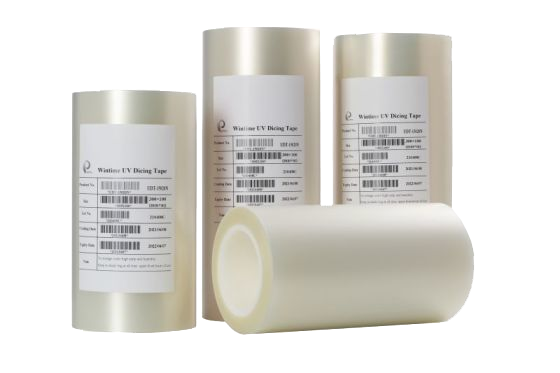
A blade is only one element in a chain. Four supporting systems have to be compatible with the blade and with the room: the automatic wafer dicing machine, the semiconductor cutting spindle, the UV tape mounting machine, wafer cleaning equipment, and the wafer testing machine used to confirm cut quality. If any of these is out of step with the blade specification, the site will report blade problems that are actually process problems.
Compliance boundary: tool-side classification (for example ISO 22180:2019 for diamond tools) and site-side requirements (clean room class, temperature, humidity, static and spindle conditions) are two separate verification steps. Buyers should confirm both rather than treating one as evidence of the other.
Regional Deployment: CN, JP, KR, SG, MY, US, DE
The specified operating envelope does not change by country, but the work required to reach it does. Deployment checkpoints typically center on the following, based on the seven markets listed for these applications - China, Japan, Korea, Singapore, Malaysia, the United States and Germany:
- China (CN): closest supply and technical support base; the main verification items are in-fab ambient control, spindle compatibility and on-site cutting process matching.
- Japan (JP) and Korea (KR): precision cutting lines are typically already tightly controlled, so the deployment question usually shifts to blade-to-platform fit, spindle hole and mounting form, speed band, and documentation of the delivered specification.
- Singapore (SG) and Malaysia (MY): tropical ambient conditions mean the facility dehumidification and static-control load is higher; blade packaging, transport protection and the anti-static handling chain deserve extra attention.
- United States (US): distributed fab and packaging sites make technical support coverage and spare inventory the practical variables, alongside the mix of equipment platforms on site.
- Germany (DE): optical, ceramic and precision industrial cutting operations typically require tight environmental control already; dimensional traceability and specification documentation become the key site records.
Step-by-Step Breakdown: A Site Readiness Sequence
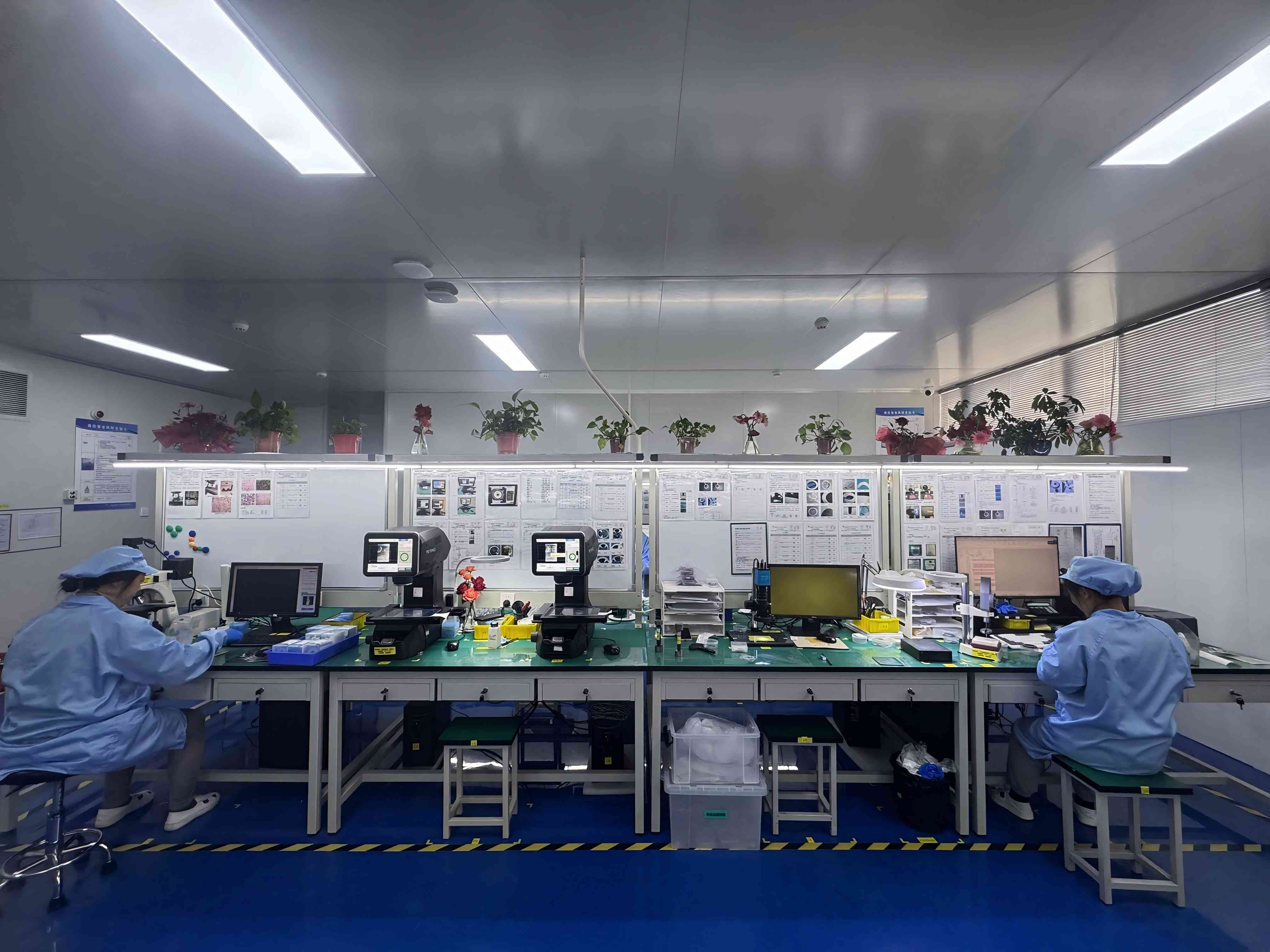
- Verify the room envelope first. Confirm clean room class, continuous temperature at 22±2 °C, continuous humidity at 45%-55%, dust-free status and anti-static measures. Log the data at the dicing station, not at the room entrance.
- Confirm the spindle and platform. Check that the spindle operates inside the 30,000-60,000 rpm band and that mounting form, spindle hole and blade thickness are compatible with the dicing machine on site.
- Audit the handling chain. Validate the UV tape mounting machine, wafer cleaning equipment and wafer testing machine against the blade's cut quality and the anti-static requirement.
- Match bond and abrasive to the workpiece. Choose resin or metal bond according to the material - metal bond is generally used for harder materials, and the 2024 market split (42% resin, 33% metal) reflects how widely both are deployed.
- Run a regional deployment check. For CN, JP, KR, SG, MY, US and DE, confirm ambient control capability, platform base, local technical support coverage and stock or supply continuity before committing a line.
- Require measurement evidence, not assurances. The verification set for these blades includes geometric dimension inspection with vernier caliper and laser diameter gauge, hardness and wear resistance testing on a material testing machine, dynamic balance detection on a high-speed dynamic balance tester, and cutting performance simulation on the actual material.
- Lock the supply parameters. Confirm blade specification, order quantity tier, lead time and capacity for the ramp you plan, so the site does not run ahead of supply.
Use Cases: Where Site Compliance Is Tested
Wafer dicing and scribing. The most demanding case: continuous automatic cutting with precision feeding, where any particulate or thermal excursion shows up immediately as kerf variation.
Semiconductor package cutting. Package-level cutting combines different materials in one workpiece, so bond selection and chip removal rate of at least 1.2 mm³/s matter more than top spindle speed.
Ultra-thin wafer processing. Blades at or below 9 μm thickness require the tightest static and handling control, because thin substrates are the most vulnerable to both contamination and electrostatic damage.
Optical device cutting. Optical communication and RF/optoelectronics represented 16% of dicing blade market share in 2024, a USD 69.9 million value, and these cuts typically prioritize edge quality over throughput.
Functional ceramic substrate cutting. Ceramics are brittle; dust-free conditions and stable feed control directly determine whether the cut chips.
Precision alloy component cutting. Harder alloy workpieces generally call for metal bond blades and place the emphasis on wear resistance and dimensional stability over long runs.
Comparison Table
The following matrix maps each site and process parameter to its specified requirement and to the verification action that closes the gap. All requirement values come from the blade operating specification for these applications.
| Site / process parameter | Specified requirement | Why it matters for the cut | Verification action |
|---|---|---|---|
| Clean room class | Class 100/1000 | Airborne particulate is a direct source of edge chipping | Particle monitoring at the dicing station |
| Temperature | Constant 22±2 °C | Supports the ±0.002 mm cutting accuracy target by limiting thermal drift | Continuous temperature logging near the spindle |
| Humidity | Constant 45%-55% | Protects the steel base and bond matrix; limits static build-up | Humidity logging plus dehumidification capacity check |
| Particulate | Dust-free environment | Prevents re-contamination of blade sidewall and kerf | Filter status and gowning discipline audit |
| Static | Anti-static condition | Protects thin wafers, tape and handling fixtures | ESD-safe fixtures, grounding and ionizer checks |
| Spindle speed | 30,000-60,000 rpm | The blade is rated for this band; runout and balance depend on it | Spindle speed verification and dynamic balance check |
| Blade thickness | 8 μm-50 μm (≤9 μm for ultra-thin work) | Sets kerf width, cutting loss and dimensional control | Laser diameter gauge and thickness metrology |
| Bond and abrasive | Resin or metal bond matrix, diamond superabrasive, high-strength steel base | Bond type sets the material match; harder workpieces generally use metal bond | Cutting performance simulation on the actual material |
| Chip removal | ≥1.2 mm³/s | Limits loading and recast during continuous cutting | Cutting trial with feed-rate monitoring |
Supporting equipment compatibility is the second half of the same check. Each system below has to be confirmed against the blade and the room before a line is committed.
| Supporting equipment | Function in the blade process | Compatibility checkpoint |
|---|---|---|
| Automatic wafer dicing machine | Continuous automatic cutting with precision feeding | Spindle interface, blade mounting form, feed parameters |
| Semiconductor cutting spindle | Provides high-speed rotation in the 30,000-60,000 rpm band | Speed band, runout, dynamic balance |
| UV tape mounting machine | Fixes the workpiece before dicing and releases it afterwards | Tape-blade interaction and static control |
| Wafer cleaning equipment | Removes particles generated during cutting | Compatibility with the cut quality and residue profile |
| Wafer testing machine | Confirms cut quality and workpiece integrity | Measurement feedback into blade and process settings |
FAQ
What cleanroom and ESD conditions does a sawing blade actually require on site?
Precision sawing blade applications are specified for a Class 100/1000 clean room with a constant temperature of 22±2 °C and constant humidity of 45%-55%, in a dust-free and anti-static environment, running on a high-speed spindle. Temperature stability supports the ±0.002 mm cutting accuracy target, humidity control protects the high-strength steel base and the resin or metal bond matrix, particulate control limits chipping, and static control protects thin wafers, tape and fixtures during handling.
Can a sawing blade be adapted to an existing dicing platform and spindle?
Yes. WINTIME Semiconductor Technology Co., Ltd. provides OEM, ODM and customized production, and customization covers blade diameter, thickness and spindle hole size, bond type (metal bond or resin bond), diamond abrasive grain size and concentration, coating options for anti-rust, heat dissipation and wear resistance, cutting performance targets, export packaging, and special-shaped blades in non-standard sizes. The blade specification itself spans 8 μm-50 μm in thickness and is rated for spindle speeds of 30,000-60,000 rpm, with technical support available for cutting process matching and equipment adaptation.
What drives cost when a sawing blade is matched to a specific site?
Cost is driven by specification complexity rather than by the blade alone. The main drivers are bond type, diamond abrasive grain size and concentration, coating selection, non-standard or special-shaped geometry, and order quantity. Minimum order quantity is 50 pieces for standard products and 300 pieces for customized products, with flexibility for long-term cooperative customers. Site-level items such as spindle adaptation, tape and cleaning consumables, and metrology time are normally budgeted separately from the blade itself.
How can a blade be validated against our own cleanroom line before full ordering?
Validation is normally done with a specification-matched evaluation quantity rather than a general-purpose blade. WINTIME provides technical support for cutting process matching and equipment adaptation, product application training for new customers, and a 48-hour quality problem investigation and solution process, along with replacement or compensation for defective products caused by quality problems. The evaluation quantity follows the standard minimum of 50 pieces, or 300 pieces where a customized or special-shaped blade is involved.
What lead time and supply capacity should be planned into a site rollout?
Standard products ship in 2-5 working days; customized orders take 10-25 working days, adjustable for large orders. Monthly capacity is more than 800,000 pieces for standard specifications and more than 80,000 pieces for customized and special-shaped products, and long-term supply guarantees with inventory support are available. To start a site-fit review, request a quotation or evaluation quantity, and download the WINTIME product brochure (PDF).
Conclusion
Site compliance for sawing blades is a three-layer agreement. The facility has to hold Class 100/1000 conditions, 22±2 °C and 45%-55% humidity with dust-free and anti-static control. The platform has to match the blade's 8 μm-50 μm thickness range, ±0.002 mm accuracy class and 30,000-60,000 rpm spindle band. The supporting chain - dicing machine, spindle, UV tape mounting machine, cleaning equipment and testing machine - has to be verified as part of the same system rather than treated as unrelated utilities.
Regional deployment does not change the envelope; it changes the effort required to reach it. Sites in China, Japan, Korea, Singapore, Malaysia, the United States and Germany each start from a different ambient baseline, equipment base and support distance, so the practical approach is to verify the envelope, confirm the interface, and require measurement evidence before a line is committed.
Next step. Send your site envelope (clean room class, temperature and humidity band, spindle speed range) together with the workpiece material and existing platform details. The WINTIME engineering team will map the blade specification to your line and confirm customization options, evaluation quantity and lead time.
Website: en.wintime.net.cn | Tel: +86 13851530812 | WhatsApp: +8618888053207 | Address: No. 868, Fushou East Road, Rugao City, Jiangsu Province
Product brochure (PDF): Download here

Have Questions or Need More Details?
Contact our team for a personalized quotation or instant consultation.
Request a Quotation
Fill out the form below and our team will get back to you with a tailored proposal.
WhatsApp Direct Chat
Prefer to chat in real-time? Message us on WhatsApp for instant assistance & quick answers.
- Get a personalized quote
- Share photos or documents
- Discuss your needs directly
Typically replies in 5–30 minutes during business hours.