
Sawing Blade Vocabulary: Key Terms for High-Tech Cutting, From Kerf to Bond
Four words carry most of the specification weight in a precision cutting purchase: kerf, blade thickness, bond type, and chipping. Kerf is the width of material a cut removes. Blade thickness is the physical dimension of the blade itself. Bond type is the matrix that holds the diamond grit. Chipping is the edge damage left along the cut. Read together, these four terms describe the whole trade-off between yield, edge quality, and blade life.
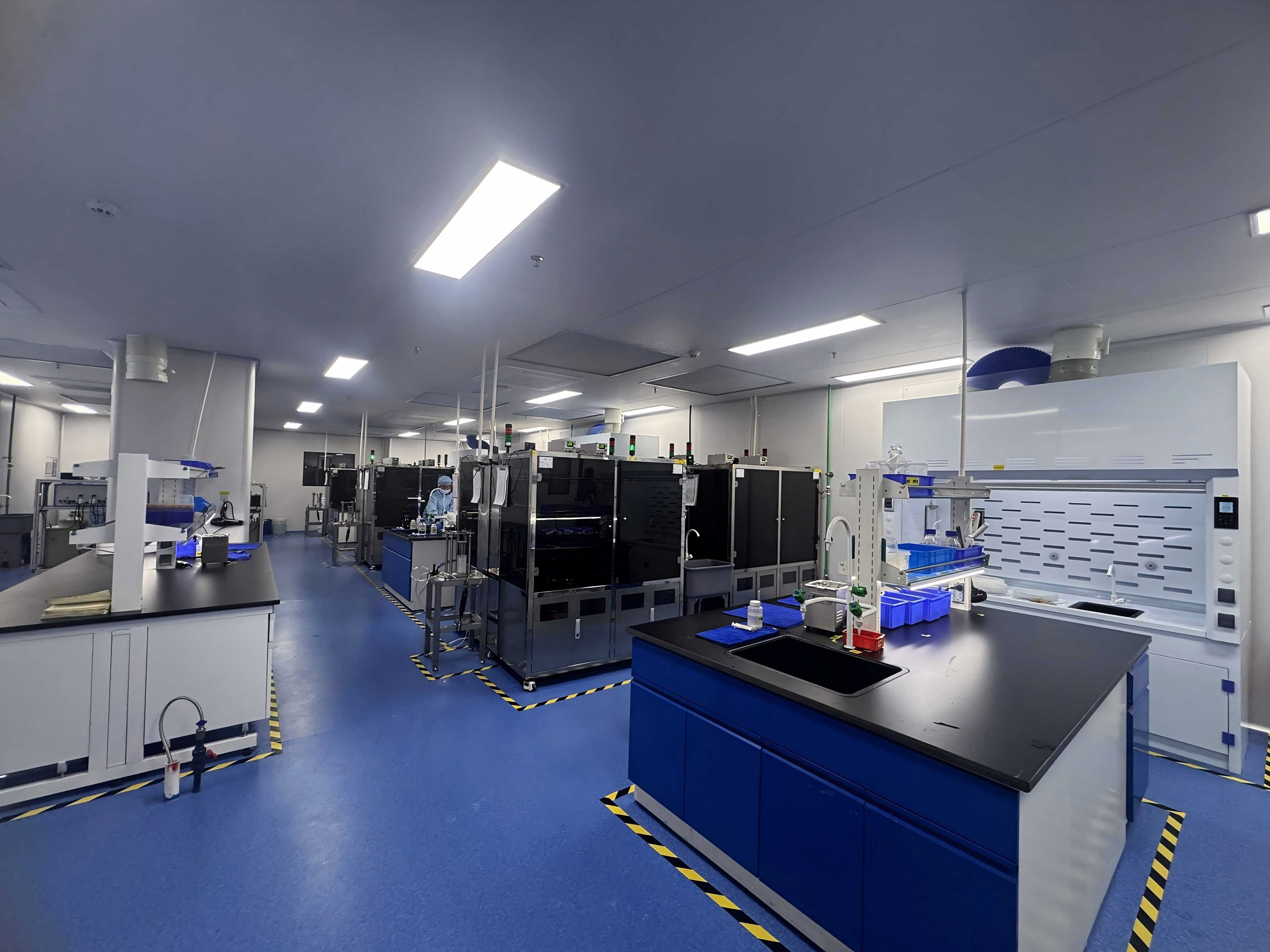
This article is a working glossary for the high-precision end of the sawing blade category. It defines the terms that appear on blade datasheets, in process specifications, and in supplier conversations — kerf, blade thickness, bond type, grit size, chipping, runout, hubless construction, narrow kerf, and anti-static behaviour — and it explains what each term changes in a real purchasing or process decision. It is written for procurement managers, process engineers, and distribution partners who already know the hardware and need the language to be exact.
Problem Definition: The Vocabulary Gap Behind Most Cutting Disputes
In high-precision sawing, the margin between a good cut and a scrapped part is measured in micrometres, but many of the disputes around it are verbal. Two people agree that a blade should deliver “a narrow kerf,” then discover that one meant a thin blade body and the other meant the width of removed material. A purchase order asks for “low chipping,” and incoming inspection finds edge damage that neither party defined in advance.
Three wording failures recur in precision cutting projects:
- Geometry words used interchangeably. Kerf, blade thickness, and exposure get treated as synonyms, so a specification that looks precise cannot be quoted against.
- Quality adjectives without a test method. “Low chipping,” “smooth cut,” and “high precision” are written without a measurement location or acceptance criterion, which pushes the disagreement to the first inspection.
- Bond language driven by habit rather than workpiece. A blade family is chosen because it worked on a previous material, not because the bond system matches the hardness of the current one.
The cost of these gaps arrives late: after blades ship, after setup time is spent, and after the first material is cut. Vocabulary is the cheapest part of a specification to fix, and it is the part most often skipped.
There is a second and quieter risk once the wording is correct: batch-to-batch consistency. A blade that performs well in a single sample does not by itself guarantee repeatable behaviour across a multi-year supply program. That is why process-control terminology belongs in the same conversation as geometry terminology, particularly for buyers at the decision and execution stage who are locking in a supplier.
Industry Background: How Precision Cutting Acquired Its Own Vocabulary
The vocabulary expanded because the market did. The global diamond saw blade market was valued at approximately USD 8.60 billion in 2025 and is expected to reach USD 10.16 billion by 2032, according to Maximize Market Research. Inside that figure, the wafer dicing blade market was valued at USD 1.19 billion in 2024, driven by semiconductor miniaturization and the adoption of 300 mm wafers, per Market Research Intel.
Bond language became commercial language as volumes shifted. Resin bond blades held a 42% share of the dicing blade market in 2024, while metal bond blades — used for harder materials such as SiC — accounted for 33%, according to market.us. Mounting architecture followed a similar path: hubless dicing blades have become increasingly dominant for 300 mm wafer processing because of their stability and reduced runout on thinner substrates below 50 µm, per semiconductor equipment market data. Application mix added terms of its own — optical communication and RF/optoelectronics applications accounted for 16% of the dicing blade market in 2024, driven by 5G infrastructure expansion, according to Intel Market Research. Standardization gave the category a common reference point: diamond tools, including sawing blades, are categorized under ISO 22180:2019, which distinguishes CVD diamond-coated types from monocrystalline and polycrystalline types.
Regional supply added a further layer of shared terminology. China's exports of cutting blades to Vietnam, India, and South Korea grew between 2024 and 2025, with Vietnam increasing by USD 18 million and India by USD 12 million, according to the Observatory of Economic Complexity. Buyers who source across borders therefore tend to evaluate suppliers on the same vocabulary — and on the process controls that sit behind it.
WINTIME Semiconductor Technology Co., Ltd. is a manufacturer of high-precision sawing blades and dicing blades, established in 2020 and based in Rugao City, Jiangsu Province, China. The company operates a 34,000 m² facility with 100 employees and a 35-engineer R&D team, states an annual output of more than 1 million dicing blades, and exports roughly 30% of its production to Southeast Asia, East Asia, North America, and Europe. Its completed Ultra-thin Wafer D Blade project reached a blade thickness of less than 9 microns — a level the company reports only a limited number of domestic manufacturers can mass-produce.
The Core Glossary: From Kerf to Bond
Kerf — the Width of Material the Cut Removes
Kerf is the width of the channel a blade cuts into the material. It is determined mainly by blade thickness plus the wear that occurs over the working life of the blade. Kerf is the term that connects blade geometry to yield: a narrower kerf leaves more usable material between cuts, which matters most where the number of devices per wafer or per substrate is the economic driver. Narrow kerf is therefore a target to be balanced against blade stiffness and the material being cut, not an absolute good.
Blade Thickness — a Physical Dimension, Not a Performance Claim
Blade thickness is the measured dimension of the blade body. It is often assumed to equal kerf, but the two diverge as the blade wears and the bond erodes around the diamond grit. When specifying, keep the two words separate: thickness is what arrives in the box; kerf is what the process produces. Ultra-thin formats push the distinction to its limit — WINTIME's Ultra-thin Wafer D Blade project achieved a blade thickness of less than 9 microns, a level the company describes as reachable in mass production by only a limited number of domestic manufacturers.
Bond Type — the Matrix That Holds the Diamond
Bond type describes the material system that holds diamond grit in place and governs how the blade wears and self-sharpens. Two families dominate volume cutting: resin bond and metal bond. Resin bond blades held a 42% share of the dicing blade market in 2024, while metal bond blades — used for harder materials such as SiC — accounted for 33%, according to market.us. The term matters commercially because bond type is what connects a workpiece material to a blade family: the productive request is a bond system matched to the material, not a generically “stronger” blade.
Grit Size and Concentration — How Aggressive the Cut Is
Grit size describes the diamond particle dimension; concentration describes how much diamond is present in the bond. Together they set the trade-off between cutting speed, edge quality, and blade wear. Both are specification words rather than marketing words: a request for “a fine blade” is neither a grit size nor a concentration, and a supplier cannot quote reliably against it.
Chipping — the Edge-Damage Term That Needs a Measurement Method
Chipping refers to the small fractures and material loss along a cut edge. “Low chipping” only becomes meaningful when paired with how and where it is measured — for example, an agreed inspection criterion and a stated location such as top edge, bottom edge, or both, rather than a descriptive adjective. This is the single most common vocabulary gap in precision cutting procurement: both parties agree on the words and disagree on the acceptance test.
Hub vs Hubless — the Mounting Architecture
A hub-type blade carries a rigid central flange; a hubless blade mounts without that flange. The distinction is no longer cosmetic. Hubless dicing blades have become increasingly dominant for 300 mm wafer processing because of their stability and reduced runout on thinner substrates below 50 µm, according to semiconductor equipment market data. For buyers, the vocabulary tells them which questions to raise: flange fit, runout, and handling procedure.
Runout — Rotational Variance Behind Unexpected Chipping
Runout describes how far the blade edge deviates from a true circle during rotation. A blade with excellent kerf and bond can still chip if runout is uncontrolled. In practice, runout is influenced by blade mounting, spindle condition, and blade quality — which is why the term belongs in a conversation that includes the machine, not only the consumable.
Anti-Static Behaviour and Cleanroom Fit — the Environment Vocabulary
Anti-static, or ESD-controlled, behaviour describes how a blade and its handling materials manage electrostatic charge during cutting, transport, and storage. In semiconductor environments, static discharge can attract particles to sensitive surfaces, so ESD behaviour is increasingly specified alongside cleanroom compatibility. These are environment terms rather than geometry terms, and they should be written into a specification as separate line items: a kerf value says nothing about cleanroom suitability, and vice versa.
Narrow Kerf and Low Chipping — Comparative Words That Need a Reference
Both are comparative, not absolute. Narrow kerf only means something relative to a stated blade thickness and a stated wear allowance; low chipping only means something relative to a stated inspection method. When these two phrases appear in a quotation without a reference point, the buyer has no basis for comparing offers — and no basis for resolving a dispute later.
Step-by-Step: Turning Vocabulary into a Workable Specification
The glossary becomes useful when it is applied in sequence. The following six steps convert loose cutting language into a specification that can be quoted, inspected, and repeated.
Step 1 — Name the material and its constraint. Record the workpiece, its thickness, and its hardness class before discussing any blade term. Bond type and grit size cannot be selected in the abstract.
Step 2 — Lock the geometry words. Fix kerf and blade thickness as separate requirements, and state the mounting architecture (hub or hubless) explicitly.
Step 3 — Fix the bond and grit language. Specify the bond family and the diamond grit size rather than a general performance adjective. Both resin bond and metal bond families are mainstream — 42% and 33% of the 2024 dicing blade market respectively — so the decision should follow the workpiece, not a preference in vocabulary.
Step 4 — Convert quality adjectives into a test. Attach a measurement location and an acceptance criterion to any chipping requirement, and agree in advance whether inspection happens before shipment or at goods-in.
Step 5 — Add the environment words. State cleanroom class and anti-static or ESD requirements as separate specification lines.
Step 6 — Close the loop with volume and consistency terms. Confirm order quantity, capacity, and batch-control expectations so the vocabulary used for one sample also holds for repeat production.
| Term | What it answers | What to write in the specification |
|---|---|---|
| Kerf | How much material the cut removes | Target kerf plus the blade thickness and wear allowance it is based on |
| Blade thickness | The physical dimension received | Thickness class, including ultra-thin formats where applicable |
| Bond type | How the diamond is held and how the blade wears | Bond family matched to the workpiece material |
| Grit size / concentration | How aggressive the cut is | Numerical grit designation and required concentration |
| Chipping | Edge quality after the cut | Inspection location, measurement criterion, and acceptance limit |
| Hub vs hubless | How the blade mounts | Mounting architecture and flange fit requirements |
| Runout | Rotational variance during cutting | Measurement method and the machine-side conditions to be controlled |
| Anti-static / cleanroom | Environment compatibility | Cleanroom class and ESD handling requirements as separate lines |
Use Cases: Where These Terms Decide the Outcome
Semiconductor wafer dicing. This is where kerf and hubless construction carry the most weight. Hubless dicing blades have become increasingly dominant for 300 mm wafer processing because of their stability and reduced runout on substrates thinner than 50 µm, and ultra-thin blade formats push thickness into single-digit micrometres. A buyer who specifies only “thin blade” leaves both kerf and mounting architecture open, which is exactly where yield is decided.
Optical communication devices. Optical communication and RF/optoelectronics applications accounted for 16% of the dicing blade market in 2024, driven by 5G infrastructure expansion, per Intel Market Research. In this segment, chipping vocabulary and edge-quality inspection criteria do the most work, because small edge defects matter more than cutting speed.
Functional ceramic substrates. Ceramics punish imprecise quality language. “Low chipping” without a defined measurement location usually reappears as a dispute at incoming inspection, so the specification step that converts the adjective into a test is the one that protects the project.
Alloy and hard materials. Here bond type is the deciding term. Metal bond blades — used for harder materials such as SiC — accounted for 33% of the 2024 dicing blade market, while resin bond blades held 42%, which shows that both families are standard options rather than premium and budget tiers. Matching bond to workpiece is the selection logic; brand habit is not.
Comparison Table: The Bond Families Buyers Specify
Bond type is the term most often reduced to a preference. The comparison below stays with verifiable market data and clear specification language, so it can be reused directly in a technical evaluation.
| Comparison point | Resin bond | Metal bond |
|---|---|---|
| 2024 share of the dicing blade market | 42% | 33% |
| Position in the cited market data | Largest single bond family by market share | Used for harder materials such as SiC |
| Vocabulary to put on the specification | Bond family, grit size, concentration, kerf target | Bond family, grit size, concentration, kerf target |
| Decision logic | Bond selection follows the workpiece material, its hardness, and the required edge quality — not brand habit or the previous project's blade. | |
| Where the risk sits | In both families, the risk is an undefined quality term (chipping, precision) rather than the bond family itself. | |
Market share figures: market.us, Dicing Blade Market Report (2024 data). Material-fit note for metal bond: same source.
FAQ: Sawing Blade Vocabulary in Procurement Practice
Which standard should anchor the vocabulary in a blade specification?
Diamond tools, including sawing blades, are categorized under ISO 22180:2019, which distinguishes CVD diamond-coated types from monocrystalline and polycrystalline types. Using that reference removes the ambiguity of the phrase “diamond blade” and turns it into a category with defined sub-types. Environment requirements — cleanroom class and anti-static behaviour — belong in the same specification as separate line items, because a diamond-tool category designation does not by itself state them.
What production capability should a buyer verify beyond the blade datasheet?
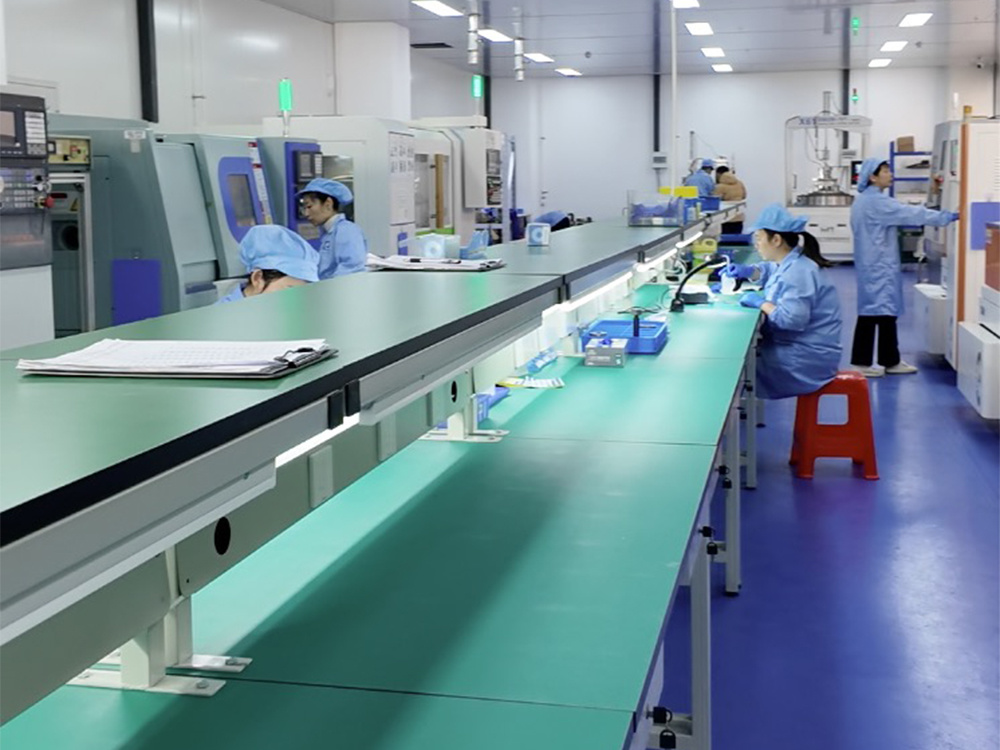
Verify the words against capacity and engineering depth. WINTIME Semiconductor Technology Co., Ltd., established in 2020 with a 34,000 m² facility in Rugao City, Jiangsu Province, states monthly production capacity of more than 800,000 pieces for standard specifications and more than 80,000 pieces for customized and special-shaped products, supported by a 35-engineer R&D team and an annual output of more than 1 million dicing blades. Its Ultra-thin Wafer D Blade project reached a blade thickness of less than 9 microns, a level the company reports only a limited number of domestic manufacturers can mass-produce.
What are the commercial terms — MOQ, delivery, and payment?
Published purchasing terms are: MOQ of 100 pieces per order for standard models, negotiable for long-term cooperative customers or bulk purchase plans; 500 pieces per order for customized models; and flexible MOQ adjustment for small-batch trial orders below 500 pieces, with a slight price adjustment based on customization complexity. Delivery terms are FOB/CIF, and payment terms are 30/70.
How are samples and acceptance verified?
Acceptance criteria are a pre-shipment test plus third-party inspection (SGS). A sample is most useful when it is evaluated against the vocabulary in this article: an agreed chipping criterion with a stated inspection location, kerf measured on the actual workpiece material, and a documented bond and grit specification. Only then can pilot results be reproduced at production volume.
How is batch-to-batch consistency protected in a long-term supply program?
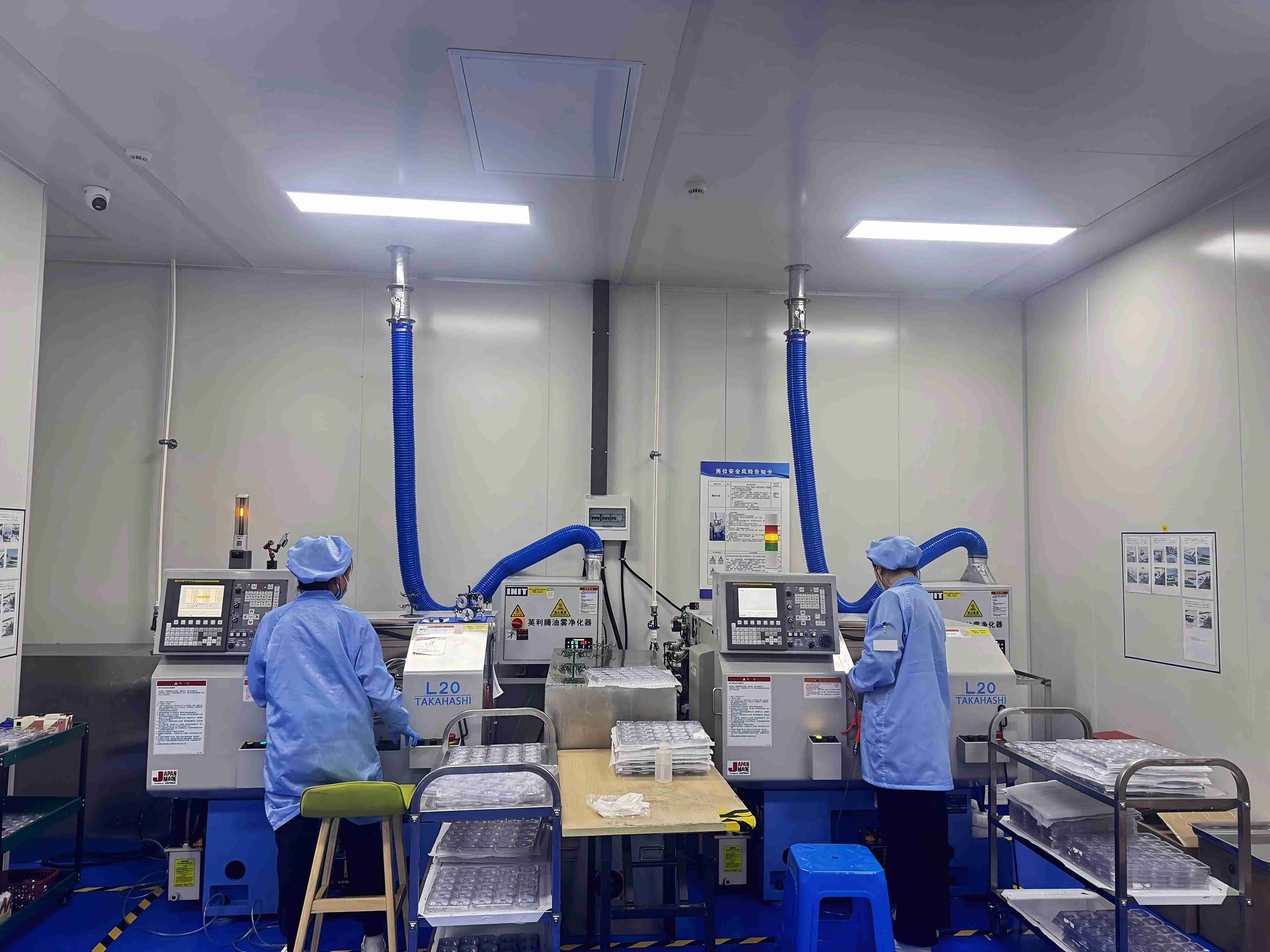
The underlying risk in a multi-year cutting program is batch quality inconsistency, which can disrupt a customer's stable mass production. WINTIME's stated controls combine standardized process parameters and automatic production equipment to reduce manual error, a batch production data tracking system that records process parameters, and comparative testing between adjacent batches. On the quality side, the company implements an ISO 9001 quality management system with SOP-based operations, assigns dedicated quality inspectors to each production batch, and maintains a batch quality file that allows any batch to be traced and recalled if a problem occurs. For long-term programs, those controls are typically paired with the flexible MOQ structure for trial orders and 30/70 payment terms. To discuss a sample or a quotation against your own specifications, contact shenxiangfei@ntwintime.com.
Conclusion: Vocabulary Is a Purchasing Asset
Kerf, blade thickness, bond type, grit size, chipping, hub type, runout, and anti-static behaviour are a small vocabulary, but they decide whether a cutting specification can be quoted, inspected, and repeated. The market context explains why the language exists: a global diamond saw blade market valued at approximately USD 8.60 billion in 2025 and heading toward USD 10.16 billion by 2032, a wafer dicing blade market of USD 1.19 billion in 2024, and bond families split between resin at 42% and metal at 33%. None of that scale makes an undefined adjective safer to buy against.
The practical rule is simple: every comparative term needs a reference, and every quality term needs a test. Buyers who write specifications that way get comparable quotations, defensible acceptance criteria, and a supply relationship that survives the second order, not just the first sample.

Next step: put the vocabulary to work
Send your cutting requirement with the terms that matter to you — material, kerf target, blade thickness, bond family, and edge-quality criterion — and WINTIME Semiconductor Technology Co., Ltd. will respond with a matching blade recommendation, sample arrangement, and quotation. Standard specifications are supported at more than 800,000 pieces per month, customized and special-shaped products at more than 80,000 pieces per month.
- Email: shenxiangfei@ntwintime.com
- Phone: +86 13851530812
- WhatsApp: +8618888053207
- Website: en.wintime.net.cn
- Address: No. 868, Fushou East Road, Rugao City, Jiangsu Province, China
- Product brochure: download the WINTIME sawing blade catalog (PDF)