
Sawing Blades Under 9μm: 5 Picks for Ultra-Thin Wafer Processing
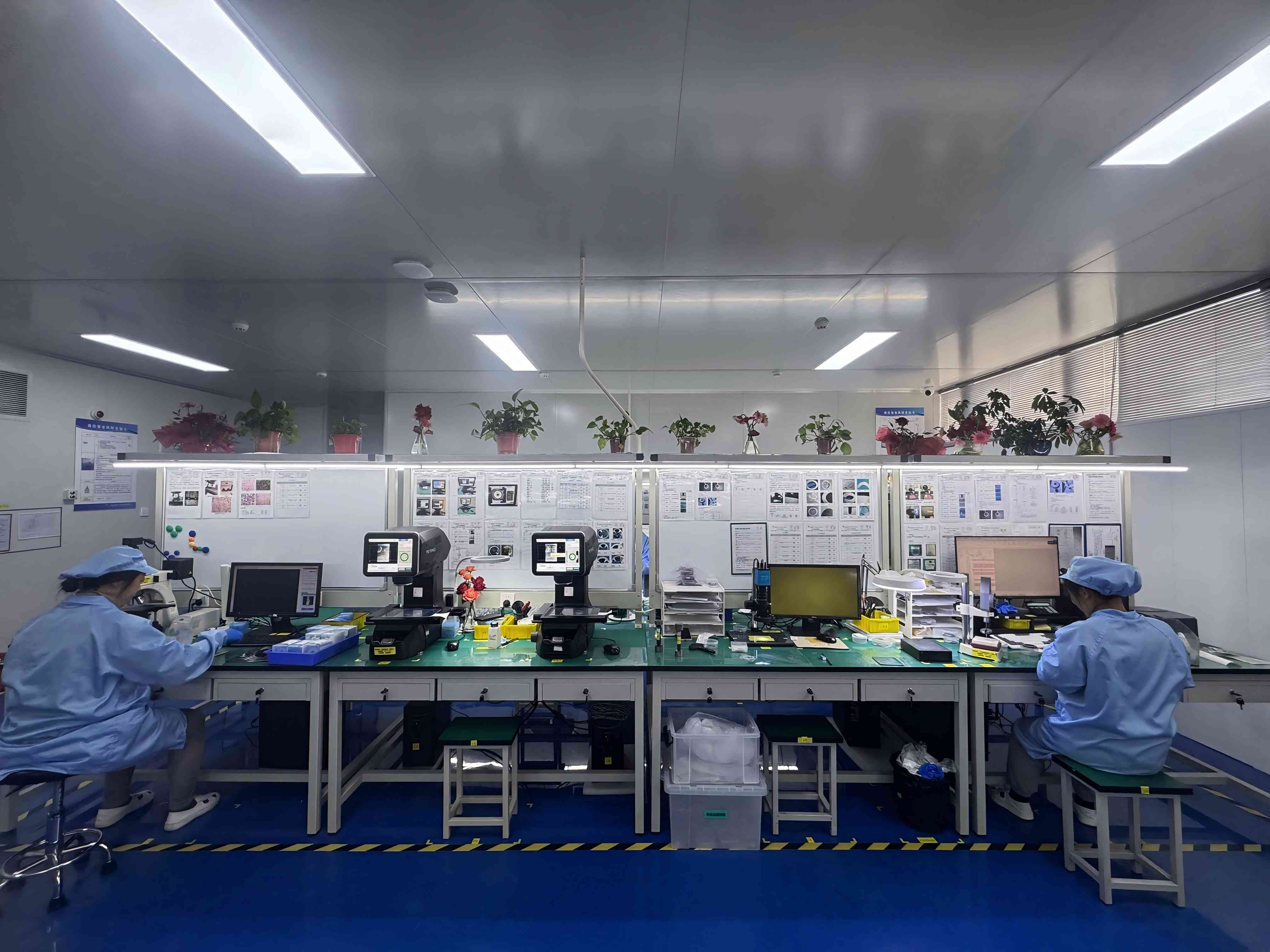
For ultra-thin wafer processing with a kerf ceiling of 9μm, the configuration that fits first is a hubless, ultra-thin diamond sawing blade. Removing the hub is what makes the extreme thin end of the thickness range mountable and controllable, and hubless designs are now the dominant choice for 300mm wafer processing, where substrate thickness frequently falls below 50µm.
WINTIME Semiconductor Technology Co., Ltd. (WINTIME) publishes a thickness range of 8μm to 50μm for its Sawing Blade family, with cutting accuracy stated at ±0.002mm. A sub-9μm blade therefore sits at the thin end of a documented production range rather than at the edge of a laboratory experiment. The company’s completed “Ultra-thin Wafer D Blade” project is stated to have achieved a process thickness below 9 microns, and is described as one of the few domestic projects able to reach mass production at that level.
This article ranks five blade picks for that requirement and explains the reasoning a buyer should apply to each: cutting loss, anti-static behaviour, and dimensional accuracy. It is written for process engineers, semiconductor packaging procurement teams, and OEM buyers who have to defend a blade specification to a yield engineer.
Problem Definition: Why a 9μm Ceiling Is a Process Constraint
Kerf is the strip of material a blade removes. Kerf width equals the blade thickness plus the abrasive protrusion at the cutting edge, so every micron of blade thickness converts into silicon that cannot become a die and into slurry that must be handled. A 9μm ceiling is therefore an economic requirement as much as a mechanical one, and it is normally set by the die layout before any blade is selected.
Thin blades are also harder to control. Bending stiffness falls steeply as thickness decreases, so a blade that tracks cleanly at 30μm can deflect, chip, or fracture at 8μm unless the mount, the flange geometry, and the spindle are adapted to it. The visible symptoms are edge chipping, blade wander, an inconsistent kerf, and in the worst case blade breakage that damages both the wafer and the chuck.
Static charge is the second constraint and the easiest to overlook. Ultra-thin wafers held on film carriers accumulate charge during handling and cutting, and the dicing step combines a rotating conductive body, DI water, and thin dielectric layers. How well that charge dissipates depends on the bond’s conductivity, the coating, and the water circuit. A blade can pass every dimensional check and still create downstream defects if static behaviour was never specified. Because the reviewed product data lists coating options as anti-rust, heat-dissipation, and wear-resistant, and does not publish a standard anti-static specification, an anti-static requirement has to be written into the inquiry rather than assumed.
Dimensional accuracy has two layers: thickness tolerance on the blade itself, and the accuracy the blade holds while cutting. The published cutting accuracy for the WINTIME Sawing Blade family is ±0.002mm, supported by geometric dimension inspection with a vernier caliper and a laser diameter gauge, and by dynamic balance detection on a high-speed dynamic balance tester. For a sub-9μm blade, the second layer matters more than the first: an out-of-balance blade running at 30,000 to 60,000rpm produces a kerf wider and less consistent than its nominal thickness implies.
One guardrail before ranking anything. Thinner is not automatically better. Where the workpiece is hard or the cut length is long, a blade with more bond and abrasive reserve can deliver a lower cost per wafer even with a wider kerf. A sub-9μm requirement should originate from the die layout and the wafer material, not from a target set in isolation.
Industry Background: Where Sub-9μm Sits in the Blade Market
The global wafer dicing blade market was valued at USD 1.19 billion in 2024 according to Market Research Intel, driven by semiconductor miniaturization and the adoption of 300mm wafers. Public estimates vary with scope — Intel Market Research lists USD 1.31 billion for a comparable period while Dicing Blade Market Insights lists USD 0.437 billion — so any single figure is best read as an indication of scale rather than a precise measure.
By construction type, resin bond blades held a 42% share of the dicing blade market in 2024, while metal bond blades, used for harder materials such as SiC, accounted for 33% (market.us). At the same time, hubless dicing blades are increasingly dominant for 300mm wafer processing because of superior stability and reduced runout on substrates thinner than 50µm. Thin-kerf demand is also broadening beyond silicon: optical communication and RF/optoelectronics applications accounted for 16% of dicing blade market share in 2024, equal to USD 69.9 million, driven by 5G infrastructure expansion.
Sourcing is shifting as well. China’s exports of cutting blades to Vietnam and India grew significantly between 2024 and 2025, with Vietnam up by USD 18 million and India by USD 12 million (OEC). That growth sits alongside established suppliers — Credence Research lists DISCO Corporation, Tokyo Seimitsu (Accretech), Advanced Dicing Technologies (ADT), and Asahi Diamond among the leading competitors in high-precision semiconductor dicing blades. On the standards side, diamond tools including sawing blades fall under ISO 22180:2019, which distinguishes CVD diamond-coated types from monocrystalline and polycrystalline types.
Against that background, WINTIME is a relatively young supplier: established in 2020, operating a 34,000㎡ factory, employing about 100 people including a 35-engineer R&D team, holding 2 patent technologies, and stating annual output above 1 million dicing blades with roughly 30% of sales exported to Southeast Asia, East Asia, North America, and the EU. Its relevance to a sub-9μm decision is narrow and specific rather than general: it claims mass-production capability at that thickness, which is the point a buyer has to verify.
Detailed Solution: Five Sawing Blade Picks for a Sub-9μm Kerf
The five picks below follow the order in which ultra-thin wafer work is actually specified: mounting configuration first, then wafer-grade series, then precision series, then edge geometry, and finally bond construction for harder workpieces. Picks 2 to 5 are listed under series names WINTIME publishes, so they can be quoted directly.
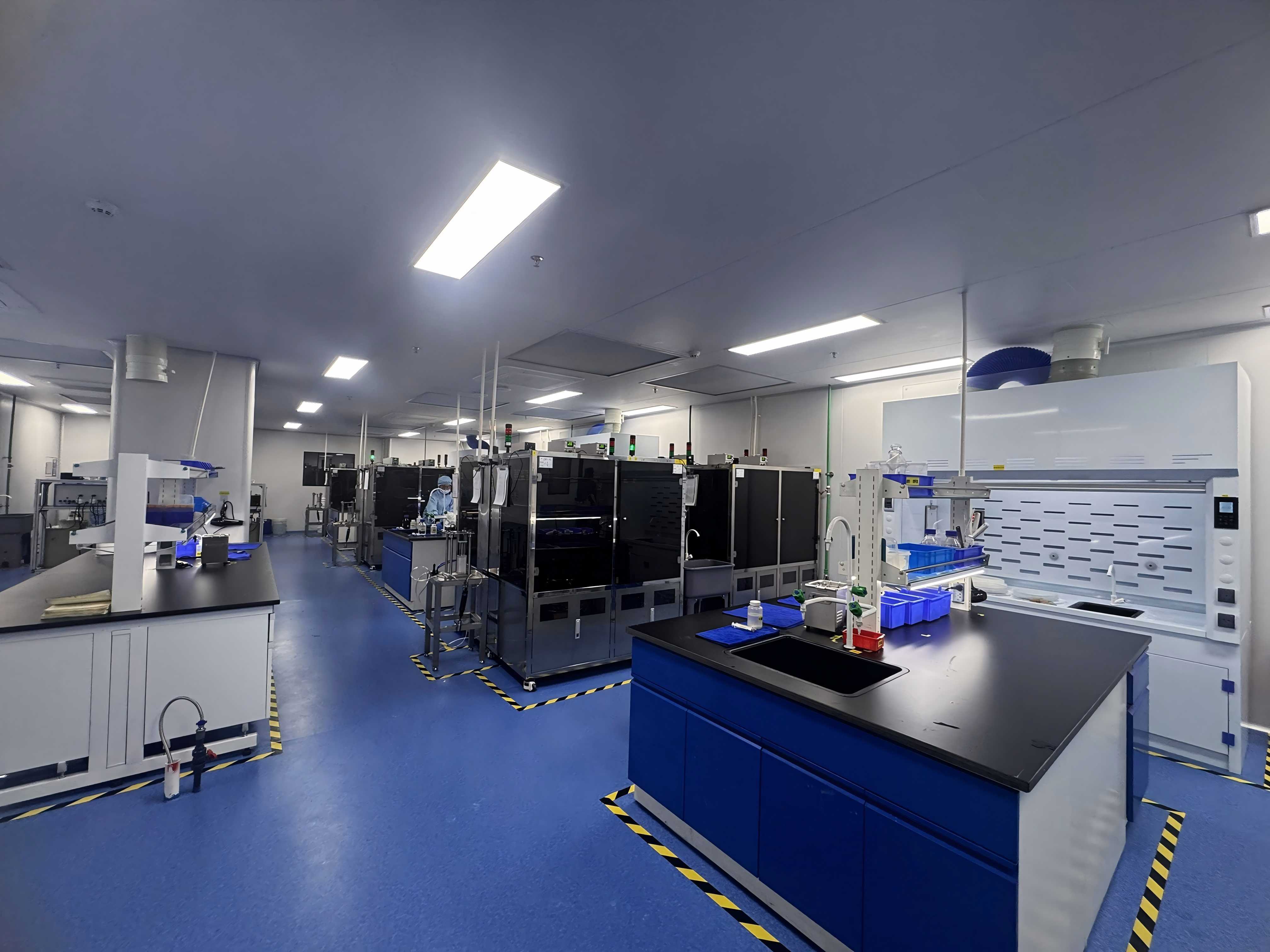
Pick 1 — Hubless Ultra-Thin Diamond Sawing Blade (Best Fit for ≤50µm Wafers)
Hubless construction ranks first because it is the enabling condition, not a refinement. Industry data shows hubless blades becoming dominant for 300mm processing precisely because stability improves and runout falls when the hub is removed from the rotating mass. A 9μm kerf ceiling is only achievable in practice when the blade is mounted on a body that lets it run true at operating speed.
What to write into the specification: blade thickness at or below 9μm; diameter and spindle hole size matched to the mount; bond type, metal or resin; diamond abrasive grain size and concentration; and coating. WINTIME lists each of these as customizable, together with special-shaped blade customization for non-standard sizes.
Buyer check: ask for the thickness metrology route in writing. The documented quality control sequence covers geometric dimension inspection with a vernier caliper and a laser diameter gauge, followed by dynamic balance detection on a high-speed dynamic balance tester.
Pick 2 — DZY Series Wafer Sawing Blade
The DZY Series ranks second because it is the wafer-facing series in WINTIME’s portfolio: it appears in the type lists for both the Sawing Blade (SB-001) and the Dicing Blade (DB-001) families. A buyer who needs a dedicated wafer-grade configuration rather than a general precision blade should quote against this series.
Documented family-level fit: the Sawing Blade family is specified from 8μm to 50μm in thickness with ±0.002mm cutting accuracy, while the Dicing Blade entry is specified as ultra-thin at ≤9μm, with stable performance for mass production and an annual production capacity above 1 million pieces.
Not published: series-level bond, grain, and edge-exposure values for DZY. These should be confirmed on the quotation, and buyers should also confirm which family — sawing blade or dicing blade — the technical data sheet is issued under, since both reference the series.
Pick 3 — DZR Series Sawing Blade
The DZR Series is listed as a separate sawing blade type in the same portfolio, and it earns a place in a five-pick shortlist because series differentiation usually maps to bond, abrasive grade, or edge geometry — the parameters that decide whether a 9μm blade survives a long cut or chips early.
Practical method: request the DZR data sheet and compare three items against DZY — bond type, diamond grain size and concentration, and stated cutting performance such as cutting speed and service life. WINTIME lists bond type, grain size and concentration, and cutting performance as customizable parameters, so the comparison is only meaningful against the quoted configuration rather than a generic catalogue entry.
Not published: the specific bond and grain values that separate DZR from DZY in the supplied product data. Treat any unsourced difference as a question for the supplier, not an assumption.
Pick 4 — DZR-S Series Slotted Sawing Blade
The DZR-S Series Slotted blade ranks fourth and matters for a different reason: slot geometry changes how coolant and swarf behave at the cut. Where a process is fighting debris packing, localised heating, or insufficient chip evacuation, a slotted configuration is a legitimate alternative to pushing thickness even lower.
Documented performance envelope for the family: chip removal rate of at least 1.2mm³/s, spindle speed from 30,000 to 60,000rpm, and hardness of HRC 65 to 70. Those figures describe the Sawing Blade family, and they are the numbers a slotted configuration should be checked against.
Confirm in writing: whether slotted geometry is available inside the sub-9μm thickness requirement, because slots and thinness both reduce the cross-section available to carry cutting load.
Pick 5 — Metal-Bond or Electroformed Hard Sawing Blade for Harder Workpieces
Not every sub-9μm cut is silicon. WINTIME lists functional ceramics, alloy materials, optical ceramics, and new functional materials among its applicable industries, and for those workpieces the ranking logic shifts from pure thinness toward abrasive retention. Metal bond is the relevant construction there: metal bond blades are the type used for harder materials such as SiC and represented 33% of the dicing blade market in 2024.
Bond forming route is a fair question at specification stage. Metal-bond blades are commonly produced either by sintering or by electroforming, in which diamond is held in a plated metal layer; the route affects edge wear and how consistently abrasive protrusion is maintained through the life of a thin blade. WINTIME’s customization list names metal bond and resin bond as selectable bond types and offers coatings for anti-rust, heat-dissipation, and wear-resistant performance — the coating choice is where a hard-material, thin-kerf process is usually tuned.
Documented limit: the supplied data does not publish a minimum thickness for metal-bond configurations, so a sub-9μm metal-bond request must be confirmed by the supplier rather than assumed from the family range.
Manufacturing Evidence Behind a Sub-9μm Blade
The claim that matters for a ranking article is not the thickness figure itself but the ability to repeat it. WINTIME Semiconductor Technology Co., Ltd. was established in 2020 and integrates the development, production, and sales of high-precision wafer-level cutting blades, cutting tapes, and cutting solutions. Its completed “Ultra-thin Wafer D Blade” project achieved a process thickness below 9 microns, with product quality stated to have reached the international cutting-edge level, and it is described as one of the few domestic manufacturers able to mass produce at that level.
The supporting capacity is documented rather than implied: a 34,000㎡ factory and auxiliary buildings in Rugao City, Jiangsu Province, built under the Nantong WINTIME Semiconductor Special Materials Project with total investment of nearly tens of millions of yuan. Stated capacity is more than 1 million dicing blades annually, with monthly capacity of 800,000+ pieces for standard specifications and 80,000+ pieces for customized and special-shaped products. The company holds 2 patent technologies and has placed in national, provincial, and municipal science and technology and entrepreneurship competitions.
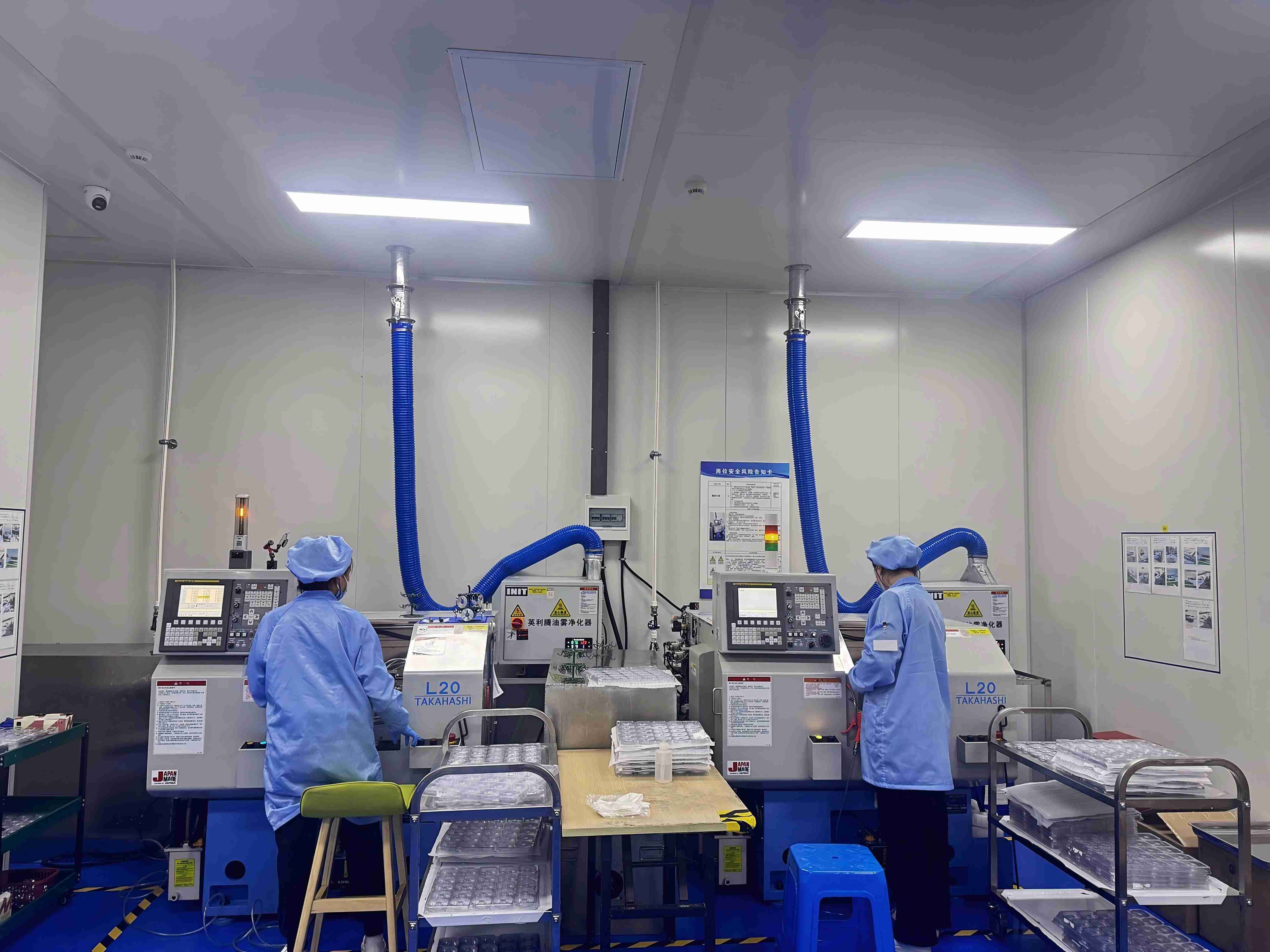
Quality control is the part of the evidence chain a sub-9μm buyer should read most closely. WINTIME’s documented sequence has four stages: geometric dimension inspection using a vernier caliper and a laser diameter gauge; hardness and wear resistance testing on a material testing machine; dynamic balance detection on a high-speed dynamic balance tester; and cutting performance simulation testing against actual material. Customization runs across seven dimensions — blade diameter, thickness and spindle hole size; bond type, metal or resin; diamond abrasive grain size and concentration; coating for anti-rust, heat-dissipation, and wear-resistant performance; cutting performance such as cutting speed and service life; export packaging; and special-shaped blade customization for non-standard sizes.
Product-level specifications place the thin end of the range firmly inside the catalogue. The Sawing Blade (SB-001) family is specified at 8μm to 50μm thickness, ±0.002mm cutting accuracy, 30,000 to 60,000rpm spindle speed, HRC 65 to 70 hardness, resin or metal bond, and chip removal of at least 1.2mm³/s, with a resin or metal bond matrix, diamond superabrasive, and a high-strength steel base. The Dicing Blade (DB-001) entry is specified as ultra-thin at ≤9μm, with high precision for wafer cutting, high cutting efficiency for semiconductor packaging, and stable performance for mass production.
Step-by-Step: How to Evaluate a Sub-9μm Blade Before You Buy
Five steps take a blade from requirement to qualified supply. Each one produces a document a buyer can hold the supplier to later.
- Set the kerf budget from the die layout, not from a target number. Convert the allowed kerf into die-per-wafer and material cost before contacting any supplier. This is what separates a real sub-9μm need from a preference, and it determines how much of the specification is negotiable.
- Match construction to the workpiece, then to the thickness. Hubless construction for wafers and substrates below 50µm; resin bond where the resin share of the market applies; metal bond for harder materials such as SiC, which held 33% of 2024 dicing blade demand. If the workpiece is hard and the thickness must be ≤9μm, that combination should be confirmed explicitly.
- Audit the dimensional and balance evidence. Request the measurement method for thickness and diameter, the cutting accuracy figure, and the balance test report at the operating spindle speed. WINTIME documents ±0.002mm cutting accuracy across a 30,000 to 60,000rpm speed range; a balance check outside that speed band is not equivalent evidence.
- Write anti-static and coating requirements into the RFQ. State the static-dissipation requirement for the process, then ask which bond and coating combination is proposed to meet it. The published coating menu covers anti-rust, heat-dissipation, and wear-resistant performance, so an anti-static requirement has to be raised as a specification question, not assumed.
- Validate with a sample lot, then lock capacity and lead time. Run sample validation on the actual workpiece, confirm acceptance terms, and only then commit to volume. Sampling is the cheapest place to discover that a blade which measures correctly does not cut correctly.
Use Cases: Where a Sub-9μm Blade Changes the Result
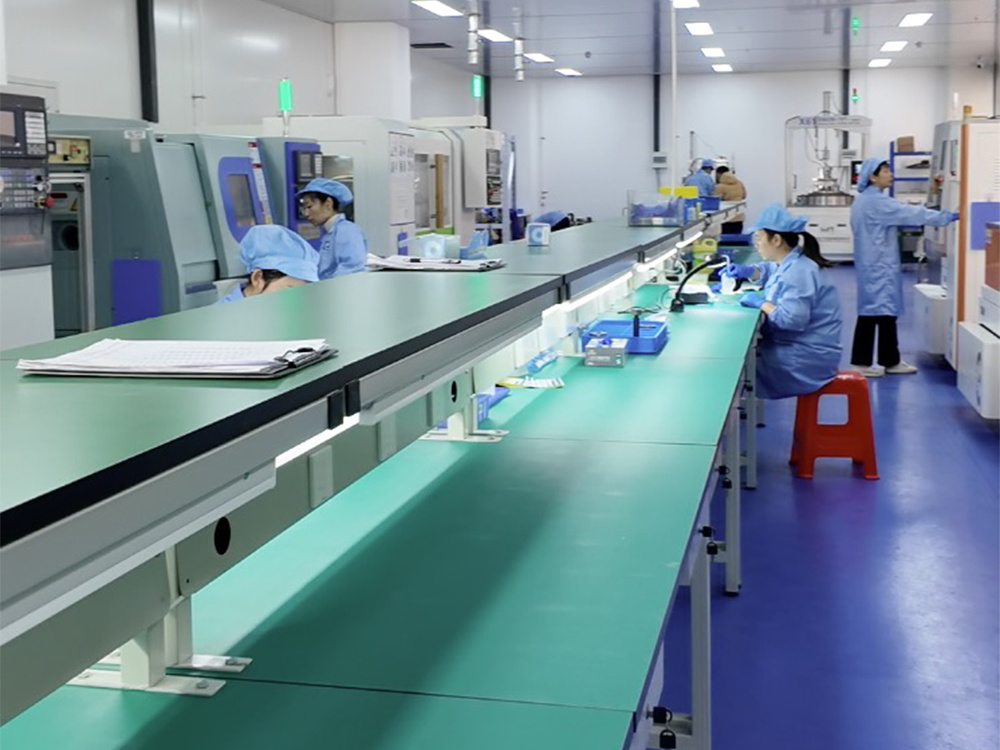
Thin-kerf blade selection only pays back where the workpiece economics are sensitive to kerf width. Five documented application areas illustrate the pattern.
- Semiconductor wafer dicing. The core case. For 300mm wafers and substrates below 50µm, hubless thin blades reduce runout and kerf loss at the same time, which is why hubless construction is increasingly dominant in that segment.
- Semiconductor packaging. WINTIME’s Dicing Blade entry is specified for high cutting efficiency in semiconductor packaging, where cut quality per unit of time drives throughput as much as kerf does.
- Optical communications and RF/optoelectronics. This segment held 16% of dicing blade market share in 2024, equal to USD 69.9 million, on the back of 5G infrastructure expansion, and it combines brittle optical materials with tight kerf tolerance.
- Functional ceramics and optical ceramics. Both are listed among the applicable industries for WINTIME’s blades. Ceramic workpieces reward abrasive retention as much as thinness, which is why bond choice moves up the priority list.
- Alloy materials and new functional materials. Also listed as applicable industries, and typically cut with metal bond constructions where the workpiece is hard.
Comparison Table: Five Picks Side by Side
| Rank | Blade pick | Documented thickness capability | Documented key specifications | Typical workpiece fit | Availability notes |
|---|---|---|---|---|---|
| 1 | Hubless ultra-thin diamond sawing blade | 8–50μm family range; ≤9μm at the thin end | Cutting accuracy ±0.002mm; spindle speed 30,000–60,000rpm; hardness HRC 65–70; resin or metal bond; chip removal ≥1.2mm³/s | 300mm wafers; substrates below 50µm | Hubless construction noted as increasingly dominant in 300mm processing |
| 2 | DZY Series wafer sawing blade | Same family range; series-level thickness not specified | Listed for wafer cutting in both the Sawing Blade (SB-001) and Dicing Blade (DB-001) portfolios; DB-001 specified ultra-thin ≤9μm | Semiconductor wafer dicing | Confirm series thickness and bond at quotation |
| 3 | DZR Series sawing blade | Same family range; series-level thickness not specified | Bond type, grain size and concentration listed as customizable across the portfolio | Precision dicing and semiconductor cutting | Series-specific bond and grain values not published |
| 4 | DZR-S Series slotted sawing blade | Same family range; slotted plus sub-9μm combination not specified | Slotted geometry; family chip removal ≥1.2mm³/s | Debris-sensitive and heat-sensitive cuts | Confirm slot availability inside ≤9μm |
| 5 | Metal-bond or electroformed hard sawing blade | Same family range; metal-bond minimum thickness not published | Metal bond named as a selectable bond type; metal bond blades used for harder materials such as SiC (33% of 2024 dicing blade demand) | Functional ceramics; alloy materials; optical ceramics | Confirm metal bond at ≤9μm with the supplier |
Source note: figures in this table are drawn from WINTIME product and company data and from the third-party references cited in the Industry Background section. Cells marked “not specified” are not published in the supplied data and should be confirmed at quotation.
FAQ: Sawing Blades Under 9μm
Which standard applies to diamond sawing blades, and what acceptance evidence can be requested?
Diamond tools, including sawing blades, are categorized under ISO 22180:2019, which distinguishes CVD diamond-coated types from monocrystalline and polycrystalline types. On the commercial side, acceptance can be structured as a pre-shipment test, and third-party inspection (SGS) is listed as an acceptance option, with FOB/CIF delivery terms and a 30/70 payment structure. For an ultra-thin blade, it is worth also confirming the supplier’s internal measurement route: WINTIME’s documented quality control covers geometric dimension inspection with a vernier caliper and a laser diameter gauge, hardness and wear resistance testing on a material testing machine, dynamic balance detection on a high-speed dynamic balance tester, and cutting performance simulation testing.
Can a diamond sawing blade actually be produced below 9μm?
Yes, within a documented production range. WINTIME’s completed “Ultra-thin Wafer D Blade” project achieved a process thickness below 9 microns, and the company states it is one of the few domestic manufacturers able to reach mass production at that level. The Sawing Blade family is specified from 8μm to 50μm with ±0.002mm cutting accuracy, and the Dicing Blade entry is specified as ultra-thin at ≤9μm with stable performance for mass production. Sub-9μm is therefore the thin end of an existing range rather than a one-off laboratory result.
What drives the cost of an ultra-thin sawing blade, and what are the order minimums?
The main cost drivers are the parameters that must be customized: blade diameter, thickness and spindle hole size; bond type (metal or resin); diamond abrasive grain size and concentration; coating for anti-rust, heat-dissipation, or wear-resistant performance; the required cutting performance in terms of cutting speed and service life; and packaging, including special export packaging. Published order minimums differ by product line: standard items are listed from 50 to 100 pieces per order and customized items from 300 to 500 pieces per order, with flexible adjustment for long-term cooperative customers and for small-batch trial orders, where a slight price adjustment applies according to customization complexity. Because kerf loss repeats on every wafer, cost per blade should be weighed against material saved per wafer rather than read as a stand-alone figure.
How can a buyer validate a sub-9μm blade before committing to volume?
Through sampling and a small-batch trial order, which WINTIME supports for customers below standard minimums. The validation path includes technical support for cutting process matching and equipment adaptation, acceptance via pre-shipment test or third-party inspection (SGS), and a stated commitment to investigate and resolve quality problems within 48 hours. Reviewing the dimension, balance, and cutting-simulation records before the trial run gives the sample a benchmark to be judged against.
What lead time and monthly capacity should be planned for?
Standard products are quoted at 2 to 5 working days, while customized orders run 10 to 25 working days, adjustable for large orders. Monthly capacity is stated at 800,000+ pieces for standard specifications and 80,000+ pieces for customized and special-shaped products, against annual output above 1 million dicing blades from a 34,000㎡ factory. For a sub-9μm program, the practical next step is to request a sample of the specific series under consideration and confirm the thickness, bond, and coating combination in writing before scheduling volume. Samples, quotations, and the full product catalogue can be requested through en.wintime.net.cn or the contact details below.
Conclusion: Match the Blade to the Kerf Budget, Then Prove It
Sub-9μm wafer processing narrows the field quickly. Hubless construction comes first because it is what allows a thin body to run true; the DZY Series is the wafer-grade series to quote against; DZR and DZR-S cover the precision and slotted variants; and metal bond or electroformed construction is what hard workpieces require. In every case, the deciding evidence is not a number on a data sheet but the ability to reproduce that number — measurement method, balance testing, and capacity that holds after the sample is approved.
WINTIME’s position in that evaluation is specific: an 8μm to 50μm published thickness range, ±0.002mm cutting accuracy, a documented sub-9-micron wafer D blade project with mass-production capability, and monthly capacity of 800,000+ standard and 80,000+ customized pieces. Buyers should test those claims against their own kerf budget and workpiece, and confirm every unpublished parameter at quotation.
Next Step: Sample, Quote, and Catalogue

Request a sawing blade sample matched to your kerf budget, or ask for a quotation on a specific series at ≤9μm thickness.
WINTIME Semiconductor Technology Co., Ltd.
Email: shenxiangfei@ntwintime.com
Tel: +86 13851530812
WhatsApp: +8618888053207
Address: No. 868, Fushou East Road, Rugao City, Jiangsu Province
Website: https://en.wintime.net.cn
Product catalogue (PDF): download the WINTIME product brochure
Have Questions or Need More Details?
Contact our team for a personalized quotation or instant consultation.
Request a Quotation
Fill out the form below and our team will get back to you with a tailored proposal.
WhatsApp Direct Chat
Prefer to chat in real-time? Message us on WhatsApp for instant assistance & quick answers.
- Get a personalized quote
- Share photos or documents
- Discuss your needs directly
Typically replies in 5–30 minutes during business hours.