
Sawing Blades for Ultra-Thin Stacked Dies: Geometry & Grade
Sawing Blades for Ultra-Thin Stacked Dies: Geometry & Grade
Stacked-die dicing is a constraint problem before it is a purchasing decision. Once a die has been thinned for stacking, the blade has to separate it without pushing damage into the die, keep kerf inside a narrow street budget, and hold that behaviour across long continuous runs inside an automatic dicing machine. Three constraint layers decide the result: geometry, grade, and the process envelope of the dicing cell.
WINTIME Semiconductor Technology Co., Ltd. is a China-based manufacturer of precision sawing blades and dicing blades, founded in 2020 and operating a 34,000 m2 facility in Rugao City, Jiangsu Province, with an annual output of more than 1 million dicing blades and an R&D team of 35 engineers. Its sawing blade range is specified from 8 um to 50 um in thickness, and the company's ultra-thin wafer dicing project has achieved a blade thickness below 9 microns - a level WINTIME states is reached in mass production by only a few domestic manufacturers. Blades are supplied through WINTIME in China and to buyers in North America, including the United States and Canada.
Why stacked dies reduce the usable blade process window
A single-die flow leaves margin in the blade specification. A stacked-die flow removes most of it, because the die is already thin and the cut edge has to survive downstream handling, die attach and further process steps.
Three effects compound at the same time:
- Kerf consumes street budget. Blade thickness converts almost directly into kerf. A thinner blade preserves more silicon per wafer and more room at the die edge, but it also removes blade body that resists lateral load.
- Cut-edge quality becomes a yield variable. The documented function of this blade class is high-precision wafer cutting with ultra-thin slicing, narrow kerf, low chipping and stable dimensional control. In stacked-die work, the last three carry most of the risk.
- Continuous operation exposes wear. These blades run for extended periods on automatic dicing machines. Wear-driven change in blade geometry accumulates across a run, so a specification that looks correct on the first cut can drift out of tolerance later.
The practical conclusion is that in stacked-die dicing, the maximum usable blade thickness is set by the blade, the hub design and the bond grade - not by the saw.
Industry background: what the blade market shows
The dicing blade consumable market is large and closely tied to semiconductor miniaturisation. According to Market Research Intel, the global wafer dicing blade market was valued at USD 1.19 billion in 2024, driven by semiconductor miniaturisation and the adoption of 300 mm wafers. The wider diamond saw blade market, which includes blades for non-semiconductor cutting, was valued at approximately USD 8.60 billion in 2025 and is expected to reach USD 10.16 billion by 2032 according to Maximize Market Research.
Published market sizing should be read with care. Available 2024 dicing blade estimates differ by source scope - Market Research Intel reports USD 1.19 billion and USD 1.31 billion for related scopes, while Dicing Blade Market Insights reports USD 0.437 billion - because some studies count equipment and others count consumables only. The direction is consistent even when the absolute figure is not.
By bond type, market.us reports that resin bond blades held a 42% share of the dicing blade market in 2024, while metal bond blades accounted for 33%, with metal bond documented in use for harder materials such as SiC. On configuration, hubless dicing blades are reported as increasingly dominant for 300 mm wafer processing because of superior stability and reduced runout on thinner substrates below 50 um.
Application mix matters for buyers working on optoelectronics: optical communication and RF/optoelectronics applications accounted for 16% of dicing blade market share in 2024, a value of about USD 69.9 million, driven by 5G infrastructure expansion. Named participants in the high-precision segment include DISCO Corporation, Tokyo Seimitsu (Accretech), Advanced Dicing Technologies (ADT) and Asahi Diamond, according to Credence Research.
Constraint layer 1 - geometry: thickness, hub design and runout
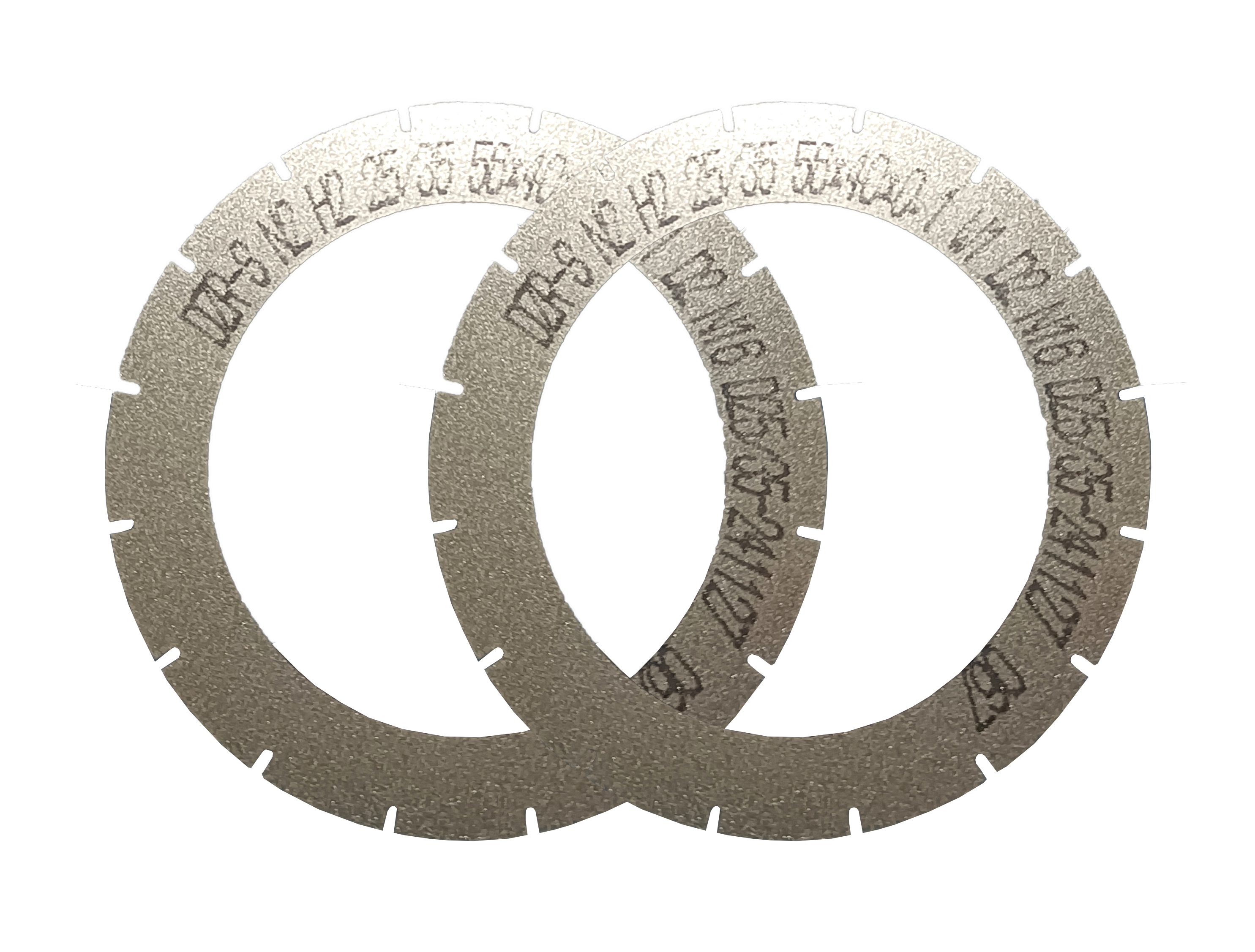
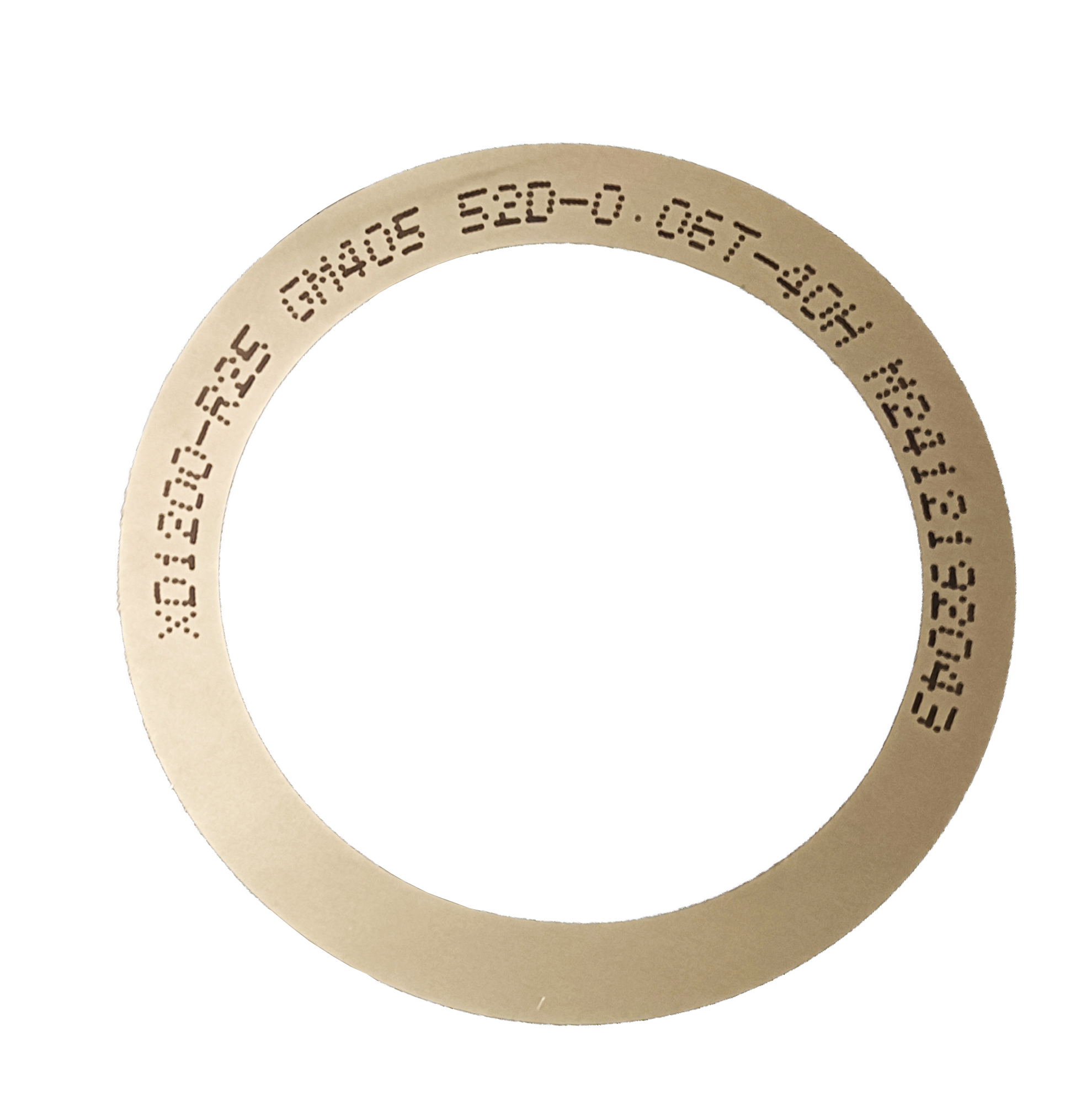
Geometry is the first filter in a stacked-die specification, because it is the only layer the buyer can fix numerically before any cutting test. The WINTIME Sawing Blade range runs from 8 um to 50 um in thickness, with the ultra-thin end reserved for wafer thinning and stacked-die separation. Configuration families in the range include hubbed, hubless, flanged and serrated designs, grouped into the DZY Series Wafer Sawing Blade, the DZR Series Sawing Blade and the DZR-S Series Slotted Sawing Blade.
Hub choice is not cosmetic. Where a hubbed blade relies on a hub body for stiffness, a hubless blade runs on the flange alone; the trade-off is that hubless geometry is more sensitive to machine runout and to how the blade is mounted. Industry data supports the shift: hubless blades are reported as increasingly dominant in 300 mm processing on substrates thinner than 50 um because of better stability and reduced runout.
Two further geometry facts are specified for this blade class: cutting accuracy of +/-0.002 mm, and a high-strength steel base. The base material matters because ultra-thin blades fail by lateral deformation as often as by abrasive wear.
| Constraint layer | Documented value or specification | Why it is decisive in stacked-die dicing | Verification item |
|---|---|---|---|
| Blade thickness | 8 um - 50 um range; ultra-thin project below 9 um | Sets kerf, street budget and how much blade body resists lateral load | Geometric dimension inspection (vernier caliper, laser diameter gauge) |
| Configuration | Hubbed, hubless, flanged, serrated; DZY, DZR, DZR-S Series Slotted | Hubless designs are reported as dominant for 300 mm processing on substrates under 50 um | Confirm hub type and spindle interface against the dicing machine |
| Cutting accuracy | +/-0.002 mm | Position error accumulates across stacked die placements inside a narrow street | Dynamic balance detection on a high-speed dynamic balance tester |
| Bond hardness | HRC 65-70 | Governs how the bond retains diamond and how the blade self-sharpens through the cut | Hardness and wear resistance test on a material testing machine |
| Bond type | Resin or metal matrix on a high-strength steel base; diamond superabrasive | Determines suitability for the material being cut; metal bond is documented in use for harder materials such as SiC | Confirm material-to-bond pairing before ordering |
| Process envelope | Spindle speed 30,000-60,000 rpm; chip removal rate at least 1.2 mm3/s | Continuous automatic dicing needs consistent chip evacuation at high spindle speed | Cutting performance simulation test on the actual material |
Constraint layer 2 - grade: bond matrix, diamond and hardness
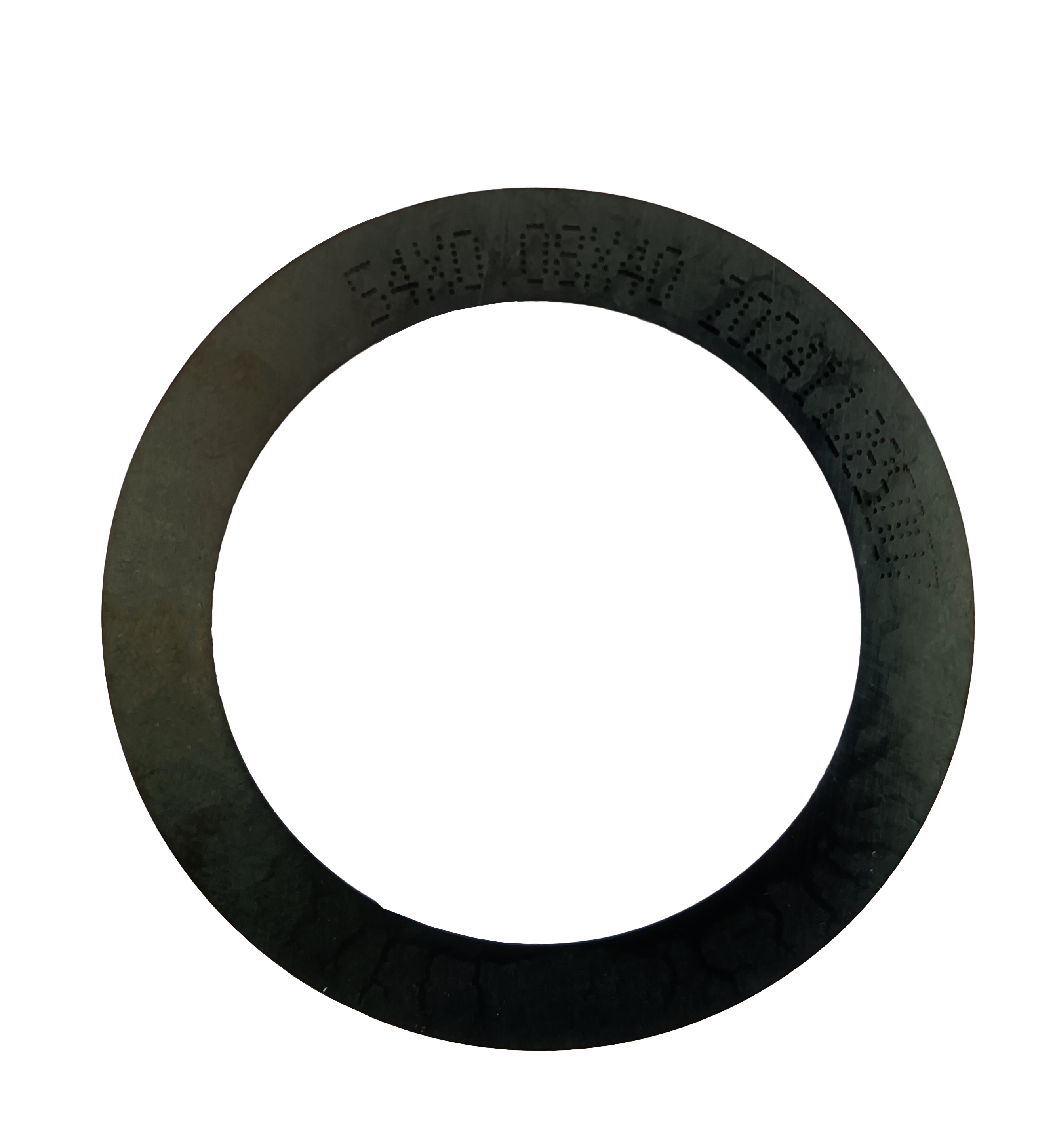
Grade is where two blades with identical outer dimensions behave differently. The WINTIME Sawing Blade specification lists a bond matrix of resin or metal, a diamond superabrasive as the cutting medium, a high-strength steel base, and a hardness band of HRC 65-70.
The grade levers a buyer can actually specify are wider than bond type alone:
- Bond type - metal bond or resin bond, matched to the material being cut.
- Diamond abrasive grain size and concentration - both are listed as customizable parameters.
- Coating - anti-rust, heat-dissipation or wear-resistant options.
- Cutting performance targets - cutting speed and service life can be tuned during customization.
Market context supports why bond type is a real decision rather than a formality: resin bond blades held 42% of the 2024 dicing blade market and metal bond blades 33%, with metal bond documented for harder materials such as SiC.
| Attribute | Resin bond | Metal bond |
|---|---|---|
| Bond matrix | Resin | Metal |
| Share of dicing blade market, 2024 (market.us) | 42% | 33% |
| Documented material fit | Semiconductor wafer dicing across the Sawing Blade range | Documented for harder materials such as SiC |
| Abrasive | Diamond superabrasive | Diamond superabrasive |
| Hardness band | HRC 65-70 | HRC 65-70 |
| Customization levers | Grain size, concentration, coating, diameter, thickness, spindle hole | Grain size, concentration, coating, diameter, thickness, spindle hole |
| Buyer check | Confirm pairing against the specific stack and target kerf | Confirm pairing against the specific stack and target kerf |
Constraint layer 3 - process envelope and facility conditions
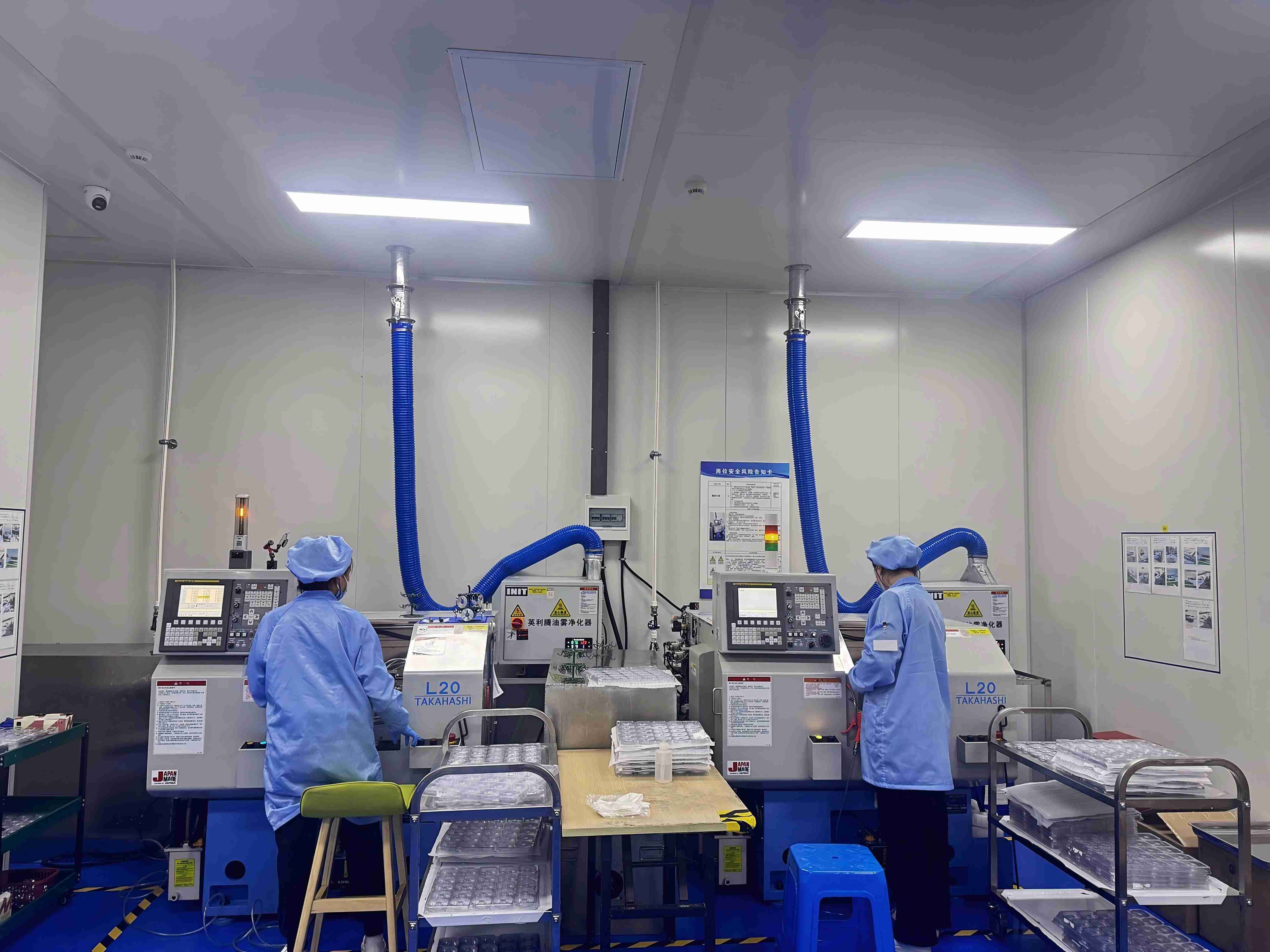
A blade that meets the thickness and grade requirement can still fail if the dicing cell is outside its specified environment. The documented working condition for this blade class is a Class 100/1000 cleanroom with constant temperature of 22 +/- 2 degrees C, constant humidity of 45%-55%, dust-free and anti-static conditions, and a high-speed spindle environment.
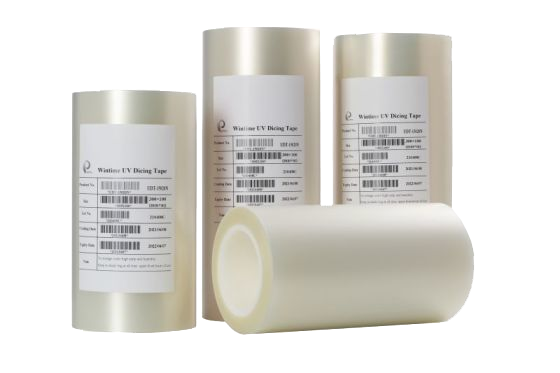
The matched equipment set is equally part of the constraint: an automatic wafer dicing machine, a semiconductor cutting spindle, a UV tape mounting machine, wafer cleaning equipment and wafer testing equipment. Operation is high-speed spindle rotating cutting, dry or wet, with automatic dicing machine continuous operation and precision feeding.
Special requirements recorded for ultra-thin stacked-die work are a blade thickness of 9 um or below, high wear resistance, low cutting loss, anti-static behaviour, high dimensional accuracy, long service life and stable mass production.
Step-by-step: specifying and validating a stacked-die blade
The sequence below follows the order in which constraints actually bind in a stacked-die evaluation. Each step produces a decision, not a description.
- Fix the die and street budget. Establish the die thickness after thinning and the available street width, then derive the maximum allowable kerf. This number sets the ceiling for blade thickness before any blade is quoted.
- Choose the configuration. Select hubbed, hubless, flanged or slotted geometry against substrate thickness and the runout tolerance of the machine. For 300 mm work on substrates under 50 um, hubless geometry is the configuration industry data points to because of stability and reduced runout.
- Select the bond grade. Decide resin or metal matrix against the material being cut. Metal bond is documented in use for harder materials such as SiC; resin bond covers the larger share of dicing blade demand.
- Set the diamond and hardness window. Specify abrasive grain size and concentration, and confirm the blade sits in the HRC 65-70 hardness band. Both grain parameters are listed as customizable.
- Match the machine interface. Confirm diameter, thickness and spindle hole size against the dicing spindle, and confirm the blade can run inside the 30,000-60,000 rpm range. Dynamic balance detection is part of standard quality control.
- Lock the environmental process. Class 100/1000 cleanroom, 22 +/- 2 degrees C, 45%-55% relative humidity, dust-free and anti-static conditions, UV tape mounting, cleaning and testing equipment in sequence.
- Validate on the real material. Run the cutting performance simulation test on the actual stack and measure kerf, chipping and wear across a long run rather than a short sample cut. Chip removal rate of at least 1.2 mm3/s is the reference figure for this blade class.
- Scale to production volume. Once the specification is validated, monthly capacity planning applies: more than 800,000 pieces per month for standard specifications and more than 80,000 pieces per month for customized and special-shaped products.
Where ultra-thin stacked-die blades are used
The application set for this blade class is defined by material and process, not by industry label. Documented project types and industries include:
- Ultra-thin wafer processing and stacked die separation. The core case for sub-9 um blades, where kerf and cut-edge integrity drive the specification.
- Semiconductor package cutting. Dicing after package-level processing on automatic dicing lines, which is where continuous-operation stability matters most.
- Optical communication device cutting. A segment worth 16% of 2024 dicing blade market share, or roughly USD 69.9 million, driven by 5G infrastructure expansion.
- Functional ceramic substrate cutting. Functional ceramics behave differently from silicon and typically push the specification toward a harder bond.
- Precision alloy component cutting. Precision electronic component processing and alloy materials, where dimensional control rather than silicon yield is the constraint.
Commercial constraints: MOQ, lead time and supply
The technical specification and the commercial specification have to be read together, because MOQ and lead time change the cost of a validation cycle. WINTIME operates an OEM, ODM and customized production model, with seven documented customization levers: blade diameter, thickness and spindle hole size; bond type (metal or resin); diamond abrasive grain size and concentration; coating; cutting performance targets; export packaging; and special-shaped blade customization for non-standard sizes.
| Parameter | Standard products | Customized / special-shaped products |
|---|---|---|
| Minimum order quantity | 50 pieces | 300 pieces (flexible for long-term cooperative customers) |
| Lead time | 2-5 working days | 10-25 working days, adjustable for large orders |
| Monthly capacity | More than 800,000 pieces | More than 80,000 pieces |
| Quality control steps | Geometric dimension inspection (vernier caliper, laser diameter gauge); hardness and wear resistance test; dynamic balance detection; cutting performance simulation test on actual material | |
| After-sales coverage | Cutting process matching and equipment adaptation support; quality problem investigation within 48 hours; customized after-sales service for bulk buyers; long-term supply guarantee and inventory support; application training for new customers; replacement or compensation for defective products caused by quality problems | |
Exported markets recorded for this product line are China, Southeast Asia, the Middle East, the European Union, the United States, Canada, Australia, South America and Africa, with an export ratio of 30% of company output. For a stacked-die project, the practical starting point is a validated specification rather than a catalogue part number, because thickness, hub type and bond grade are all project-specific variables.
Frequently asked questions on ultra-thin stacked-die sawing blades
Which standard classifies diamond sawing blades used for stacked-die dicing?
Diamond tools, including sawing blades, are categorised under ISO 22180:2019, which distinguishes CVD diamond-coated types from monocrystalline and polycrystalline types. Buyers specifying a blade for stacked-die or wafer thinning work should record that classification in the purchase specification, alongside the facility conditions the blade is expected to run in: a Class 100/1000 cleanroom, constant temperature of 22 +/- 2 degrees C, constant humidity of 45%-55%, dust-free and anti-static conditions, and a high-speed spindle environment.
Can a sawing blade thinner than 9 um support continuous automatic dicing?
WINTIME's ultra-thin wafer dicing project has achieved a thickness below 9 microns, and the company states that only a few domestic manufacturers can reach mass production at that level. The specifications that support continuous automatic dicing are a blade thickness range of 8 um to 50 um, cutting accuracy of +/-0.002 mm, spindle speeds of 30,000-60,000 rpm, a chip removal rate of at least 1.2 mm3/s, a bond hardness band of HRC 65-70, and a quality control sequence covering geometric dimension inspection, hardness and wear resistance testing, dynamic balance detection and cutting performance simulation testing.
What drives the cost of an ultra-thin stacked-die sawing blade?
Cost is driven by specification rather than by a published price list. The variables are bond type (resin or metal matrix), diamond abrasive grain size and concentration, blade diameter, thickness and spindle hole size, coating choice (anti-rust, heat-dissipation or wear-resistant), special-shaped tooling for non-standard sizes, and order volume against the minimum order quantity. Standard specifications begin at an MOQ of 50 pieces and customized products at 300 pieces, with flexibility for long-term cooperative customers. Because these variables change per project, pricing is quoted against a confirmed specification.
How is a blade validated before mass production?
Validation follows the documented quality control sequence: geometric dimension inspection with vernier calipers and a laser diameter gauge, hardness and wear resistance testing on a material testing machine, dynamic balance detection on a high-speed dynamic balance tester, and a cutting performance simulation test on the actual material. For a stacked-die project, the simulation test is where kerf, chipping and wear behaviour are checked against the street budget before a production order is placed. Customized specification work typically requires 10-25 working days.
What are the lead times and supply guarantees for stacked-die blade orders?
Standard products ship in 2-5 working days and customized orders in 10-25 working days, adjustable for large orders. Monthly capacity is more than 800,000 pieces for standard specifications and more than 80,000 pieces for customized and special-shaped products. After-sales coverage includes cutting process matching and equipment adaptation, quality problem investigation within 48 hours, long-term supply and inventory support, application training for new customers, and replacement or compensation for defective products caused by quality problems. To open a stacked-die evaluation, send your die thickness, street width and dicing machine spindle interface, and request a sample and quotation against that specification.
Conclusion: fix the constraints, then fix the blade
Ultra-thin stacked-die dicing rewards buyers who work in a fixed order. First define the kerf budget from die thickness and street width. Then choose geometry - hubless where substrate thickness and runout demand it, slotted or slotted-family configurations where the cut needs that structure. Then choose grade: resin or metal bond with the diamond grain size and concentration that suits the material. Then confirm the process envelope of the dicing cell, because Class 100/1000 conditions, 22 +/- 2 degrees C, 45%-55% relative humidity and anti-static control are part of the blade specification, not the surrounding noise. Validation comes last and should be treated as the decision point: geometric inspection, hardness and wear testing, dynamic balance detection and a cutting performance simulation test on the real material.
The blade supplier's role in that sequence is to be able to hold the sub-9 um thickness band, to customize diameter, thickness, spindle hole, bond, grain and coating, and to support the process after delivery. WINTIME Semiconductor Technology Co., Ltd. manufactures its sawing blade and dicing blade range in Rugao City, Jiangsu Province, and supplies customers in China and North America, including the United States and Canada, from a 34,000 m2 facility with an annual output of more than 1 million dicing blades.
Request a stacked-die blade sample or quotation
Send the die thickness after thinning, street width, target kerf and dicing machine spindle interface, and WINTIME will match the blade thickness, hub configuration and bond grade to the application. Standard products ship in 2-5 working days; customized specifications take 10-25 working days.
Email: shenxiangfei@ntwintime.com | Tel: +86 13851530812 | WhatsApp: +86 18888053207
Website: en.wintime.net.cn
Download the full product catalogue: WINTIME product brochure (PDF)
Have Questions or Need More Details?
Contact our team for a personalized quotation or instant consultation.
Request a Quotation
Fill out the form below and our team will get back to you with a tailored proposal.
WhatsApp Direct Chat
Prefer to chat in real-time? Message us on WhatsApp for instant assistance & quick answers.
- Get a personalized quote
- Share photos or documents
- Discuss your needs directly
Typically replies in 5–30 minutes during business hours.