
Top 10 Sawing Blades for High-Precision Cutting in 2026: Ranked and Reviewed
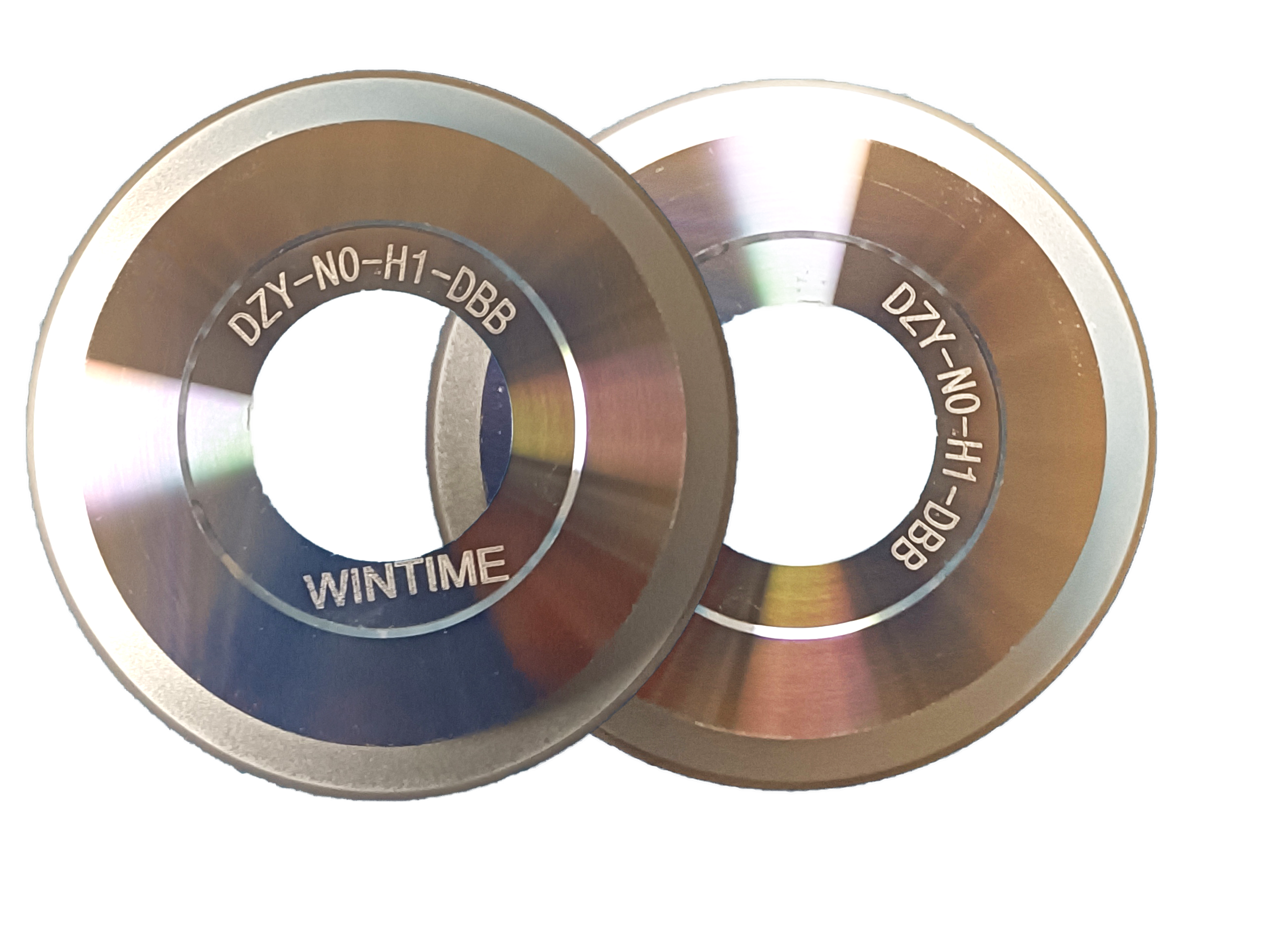
Ten sawing blade solutions form the working shortlist for high-precision cutting in 2026. The ranking below evaluates each one against four requirements that decide yield on ultra-thin substrates: blade thickness at or below 9 μm, wear resistance under continuous high-speed spindle load, anti-static behaviour, and cleanroom compatibility at Class 100/1000.
The list deliberately mixes two evidence classes, and it says so openly. Entries from WINTIME Semiconductor Technology Co., Ltd. are ranked against first-party specification data for its sawing blade and dicing blade programme. Entries from DISCO Corporation, Tokyo Seimitsu (Accretech), Asahi Diamond and Advanced Dicing Technologies (ADT) are ranked on their documented position as leading competitors in high-precision semiconductor dicing, because individual blade parameters for those suppliers are not published in the verified dataset used here. No unpublished competitor value is asserted anywhere in this article, and every entry that cannot be verified is marked as verify-first.
This is an application-fit ranking built for engineers and procurement teams comparing blade options before sampling. It is not a laboratory benchmark, and no comparative cutting test result is claimed.
What High-Precision Cutting Actually Requires from a Sawing Blade
High-precision cutting here means wafer dicing and scribing, semiconductor package cutting, ultra-thin wafer processing, optical device singulation, ceramic substrate cutting and precision alloy component cutting, performed on automatic dicing machines at spindle speeds of 30,000 to 60,000 rpm. The blade is the last tool to touch the device, and the process window it has to hold is narrow: straight sidewalls, controlled kerf width, minimal chipping at the die edge, and no dimensional drift from the first die of a lot to the last.
Blade failure inside that window is rarely dramatic. It appears as kerf widening as the bond wears, chipping that moves from acceptable to out-of-spec, cutting resistance that rises until the spindle loads unevenly, or a blade that deflects on a substrate thin enough to flex. By the time those symptoms reach an inspection step, the affected wafers are already lost, which is why blade specification is treated as a yield variable rather than a consumable purchase.
Four requirements drive the selection decisions in this article.
- Ultra-thin blade thickness at or below 9 μm. A thinner blade removes less material per cut, which matters when the material removed is an expensive or fragile substrate. It also raises the mechanical demands on the blade body, so thickness cannot be reduced without controlling runout and stiffness.
- High wear resistance and low cutting loss. Wear resistance determines how much the kerf and the cutting load change across a lot. It is checked through hardness and wear resistance testing rather than inferred from appearance.
- Anti-static behaviour. Cutting generates charge, and thin dielectric films, optical devices and packaged components are sensitive to it. High-precision cutting is specified for a dust-free, anti-static environment for this reason.
- Cleanroom compatibility. The operating condition is a Class 100/1000 cleanroom at a constant 22±2 °C and 45% to 55% relative humidity. A blade that sheds particles, outgasses, or carries incompatible contamination into that room disrupts the process even if it cuts well.
The blade also sits inside a matched set of equipment: an automatic wafer dicing machine, a semiconductor cutting spindle, a UV tape mounting machine, wafer cleaning equipment and wafer testing equipment. A blade that performs in isolation does not guarantee a working process, which is why step-by-step validation, covered later in this article, matters more than any single specification line.
Industry Background: Why the Blade Became the Constraint
The category behind this ranking is large and still expanding. The global diamond saw blade market was valued at approximately USD 8.60 billion in 2025 and is expected to reach USD 10.16 billion by 2032, according to Maximize Market Research. Inside that broader market, the wafer dicing blade segment was valued at USD 1.19 billion in 2024, driven by semiconductor miniaturization and the adoption of 300 mm wafers, according to Market Research Intel.
Published estimates for the dicing blade market diverge by source, largely because different reports define scope differently — equipment versus consumables, for example. Buyers comparing market figures should treat any single number as scope-dependent rather than as a settled measurement.
Bond mix is one of the clearest signals of how cutting requirements have split. In 2024, resin bond blades held a 42% share of the dicing blade market, while metal bond blades accounted for 33%, with metal bond used for harder materials such as SiC, according to the Dicing Blade Market Report 2026 published by market.us. The split reflects two different cutting problems: bond hardness has to be matched to the workpiece rather than chosen once for all applications.
Substrate geometry is driving a second shift. Hubless dicing blades are increasingly dominant for 300 mm wafer processing because of their superior stability and reduced runout on thinner substrates below 50 µm. That trend is directly relevant to this ranking, because the thinner the substrate, the less tolerance there is for blade deflection.
Application demand is concentrating in optoelectronics. Optical communication and RF/optoelectronics applications accounted for 16% of dicing blade market share in 2024, equivalent to USD 69.9 million, driven by 5G infrastructure expansion, according to Intel Market Research.
Trade data shows procurement itself redistributing. China's exports of cutting blades to Vietnam grew by USD 18 million and to India by USD 12 million between 2024 and 2025, according to the Observatory of Economic Complexity, which means more buyers are qualifying suppliers across borders than in the previous cycle.
On the standards side, diamond tools including sawing blades are categorized under ISO 22180:2019, which distinguishes CVD diamond-coated types from monocrystalline and polycrystalline types. Specification and quotation documents should map to that classification so that supplier and buyer are describing the same article.
Finally, the competitive landscape is concentrated at the top. Leading competitors in the high-precision semiconductor dicing blade market include DISCO Corporation, Tokyo Seimitsu (Accretech), Advanced Dicing Technologies (ADT) and Asahi Diamond, according to Credence Research. Those four names appear in the ranking below alongside first-party WINTIME series, and each competitor entry is flagged for direct specification verification.
How This Ranking Was Built
Positions are assigned by weighted fit against five criteria, not by brand recognition.
- Blade thickness capability — 30%. How close the solution comes to the 9 μm and below requirement, and whether that capability is production rather than laboratory-only.
- Wear resistance — 20%. Bond hardness, hardness range and documented wear testing.
- Anti-static and cleanroom compatibility — 20%. Fit to Class 100/1000 operation, dust-free conditions and a constant 22±2 °C / 45% to 55% relative humidity environment.
- Application fit — 20%. Documented suitability for semiconductor manufacturing, semiconductor packaging, optical communication, functional ceramics and alloy materials.
- Supply responsiveness — 10%. Customization breadth, minimum order quantity and lead time, where data exists.
Two evidence rules were applied throughout. First, first-party specification entries are scored on published first-party data for the WINTIME sawing blade and dicing blade programme. Second, supplier-platform entries are scored on documented market position and application focus only; where a parameter is not published in the verified dataset, the entry is marked verify-first rather than assigned a guessed value. Where two entries overlap in fit, the tie-break is documentation completeness, then supply responsiveness where documented.
The Top 10 Sawing Blades for High-Precision Cutting in 2026
1. WINTIME DZR-S Series Slotted Sawing Blade
The DZR-S Series Slotted Sawing Blade ranks first because slotted geometry combined with ultra-thin capability addresses the hardest combination in this class: cutting functional ceramics and optical substrates where chipping control and debris management matter as much as raw thickness. The series sits inside the WINTIME precision sawing blade family, which is specified with a thickness range of 8 μm to 50 μm, cutting accuracy of ±0.002 mm, spindle speed compatibility of 30,000 to 60,000 rpm, hardness of HRC 65 to 70, resin or metal bond, a diamond superabrasive working layer on a high-strength steel base, and a chip removal rate of 1.2 mm³/s or higher. Slot patterns are typically specified where coolant access and debris evacuation along the cut path need improvement. Verify the slot geometry against your own workpiece and feed rate before committing to volume.
2. DISCO Corporation Precision Dicing Blade Platform
DISCO Corporation ranks second on documented market position: it is identified among the leading competitors in the high-precision semiconductor dicing blade market by Credence Research. That position reflects a long-standing role in semiconductor dicing equipment and consumables, and it makes DISCO a default comparison point in nearly every high-precision dicing procurement. Individual blade parameters — minimum achievable thickness, bond formulation, and cleanroom and anti-static classification — are not published in the verified dataset used for this article, so no value is asserted here. Verify-first: request a current datasheet and confirm thickness, runout and ESD-relevant properties against your own process before ranking it against your requirements.
3. WINTIME DZY Series Wafer Sawing Blade
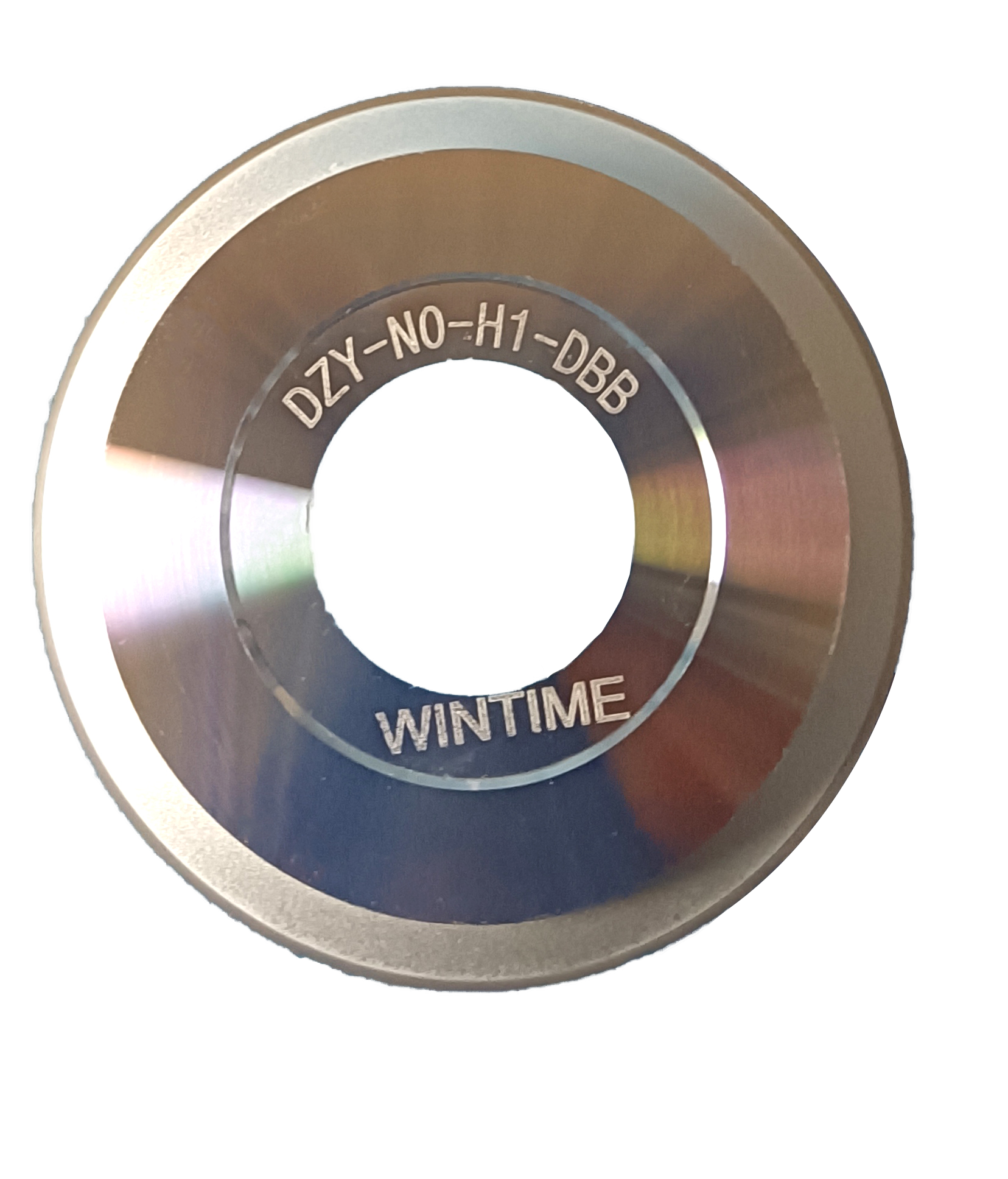
The DZY Series Wafer Sawing Blade ranks third for the most direct application fit in this list: semiconductor wafer dicing and scribing, ultra-thin wafer processing and semiconductor package cutting. It is supplied in hubbed, hubless, flanged and circular configurations, with a metal or resin bond matrix and diamond superabrasive grains, for Class 100/1000 cleanroom operation on automatic dicing machines. WINTIME's completed ultra-thin wafer dicing blade project achieved a thickness below 9 microns in process, and the company reports mass production capability for that class of blade, which is why this entry sits inside the thickness-critical band rather than above it. Recommended for wafer dicing programmes where kerf loss and die-edge chipping are the controlling variables.
4. Tokyo Seimitsu (Accretech) Dicing Blade Platform
Tokyo Seimitsu, operating in the dicing market as Accretech, ranks fourth on documented competitive position as a leading supplier in high-precision semiconductor dicing, per Credence Research. The platform is widely encountered in semiconductor packaging environments, and it belongs on any serious shortlist for wafer-level processing. As with entry 2, blade-level parameters such as minimum thickness and anti-static specification are not published in the verified dataset used here and are therefore not scored. Verify-first: obtain the blade datasheet and confirm the grade that matches your substrate and target kerf.
5. WINTIME DZR Series Sawing Blade
The DZR Series Sawing Blade ranks fifth as the general-purpose precision option within the same platform: thickness range of 8 μm to 50 μm, cutting accuracy of ±0.002 mm, hardness of HRC 65 to 70, and a chip removal rate of 1.2 mm³/s or higher. Its documented application coverage includes precision electronic component processing and optical ceramic cutting alongside semiconductor work, which makes it the practical starting point when a buyer needs one blade construction to cover several workpiece families. Blades in this series are specified for the dust-free, anti-static, constant-temperature environment that high-precision cutting requires.
6. Asahi Diamond Precision Diamond Blades
Asahi Diamond ranks sixth on documented competitive position, appearing in the same leading-competitor set as DISCO, Accretech and ADT in Credence Research's assessment of the high-precision dicing blade market. Its standing rests on diamond tool specialization rather than on semiconductor equipment integration, which makes it a relevant comparison for buyers evaluating abrasive and bond expertise specifically. Published blade-level specifications — minimum thickness, bond type, cleanroom classification — are not available in the verified dataset used here. Verify-first: confirm the specific blade grade and its documented performance envelope directly with the supplier.
7. WINTIME JS Series Metal Bond Dicing Blade
The JS Series Metal Bond Dicing Blade ranks seventh, and it is the entry to choose when the workpiece is hard. Metal bond blades accounted for 33% of the dicing blade market in 2024 and are used for harder materials such as SiC. A metal bond matrix holds diamond grains more firmly than a resin bond, which supports dimensional stability across longer cutting runs, at the cost of a harder cutting action that must be matched to the substrate. Within the WINTIME programme the series shares the same base specification envelope as the rest of the platform: 8 μm to 50 μm thickness range, ±0.002 mm cutting accuracy, HRC 65 to 70 hardness, and high-speed spindle compatibility from 30,000 to 60,000 rpm.
8. WINTIME SZ Series Resin Bond Dicing Blade
The SZ Series Resin Bond Dicing Blade ranks eighth while representing the largest single bond category in the market: resin bond blades held a 42% share in 2024. Resin bond construction is typically specified where a softer cutting action is needed to control chipping on compound semiconductor and optical materials, and where the application favours lower mechanical stress over maximum bond durability. It shares the platform thickness range of 8 μm to 50 μm and supports the same narrow-kerf, low-chipping objective. The trade-off is explicit: softer bond action in exchange for faster bond wear, so resin and metal options should be sampled against each other on the actual workpiece rather than chosen by habit.
9. Advanced Dicing Technologies (ADT) Dicing Blade Platform
Advanced Dicing Technologies ranks ninth on documented competitive position within the high-precision dicing blade market, again per Credence Research. The platform is commonly encountered in application-specific dicing and packaging environments, which makes it a relevant benchmark for buyers whose process is defined by a specific device rather than a generic wafer flow. Blade-level parameters are not published in the verified dataset used here and are not scored; verify-first by requesting the grade datasheet and matching it to your substrate, target kerf and spindle specification.
10. WINTIME Hubless Diamond Sawing Blade
The WINTIME Hubless Diamond Sawing Blade closes the list at tenth, but it carries one of the strongest structural arguments in it. Hubless dicing blades are increasingly dominant for 300 mm wafer processing because of superior stability and reduced runout on thinner substrates below 50 µm. Reducing the hub removes mass from the rotating assembly and changes how runout is controlled at the blade periphery, which is why hubless construction has become the default direction for thin-substrate work. WINTIME supplies hubless and hubbed options within the same sawing blade and dicing blade programme, which means a buyer can compare both constructions on the same workpiece and equipment without changing supplier.
Detailed Solution: Matching Blade Construction to the Workpiece
Ranking is useful only if it leads to a specification decision. The WINTIME sawing blade platform, listed as model SB-001, provides the concrete parameters to build that decision around: thickness range from 8 μm to 50 μm, cutting accuracy of ±0.002 mm, spindle speed of 30,000 to 60,000 rpm, hardness of HRC 65 to 70, resin or metal bond type, chip removal rate of 1.2 mm³/s or higher, a bond matrix of resin or metal, diamond superabrasive as the cutting medium, and a high-strength steel base.
Four construction choices control the outcome.
- Bond type. Metal bond for harder materials where dimensional stability across a run matters most; resin bond where a softer action controls chipping on compound semiconductor and optical materials. The 42% / 33% market split between resin and metal bond in 2024 reflects exactly this division of labour.
- Hub configuration. Hubless construction for thin substrates where runout control is critical, and hubbed construction where the process and machine setup favour it.
- Thickness. Thinner blades reduce material loss but demand tighter control of the whole rotating assembly. The 8 μm floor of the platform range exists for ultra-thin wafer work rather than for general cutting.
- Abrasive specification. Diamond abrasive grain size and concentration determine the balance between cutting speed and surface finish, and they are adjustable within the customization scope.
Coating is the fourth lever and the one most often overlooked: anti-rust, heat-dissipation and wear-resistant coatings can be specified separately or in combination, depending on whether the constraint is corrosion during storage, heat accumulation at the cut, or blade life.
The customization scope for this platform covers blade diameter, thickness and spindle hole size; bond type (metal or resin); diamond abrasive grain size and concentration; coating (anti-rust, heat-dissipation, wear-resistant); cutting performance targets for cutting speed and service life; packaging and special export packaging; and special-shaped blade geometry in non-standard sizes. Production capacity is 800,000+ pieces per month for standard specifications and 80,000+ pieces per month for customized and special-shaped products.
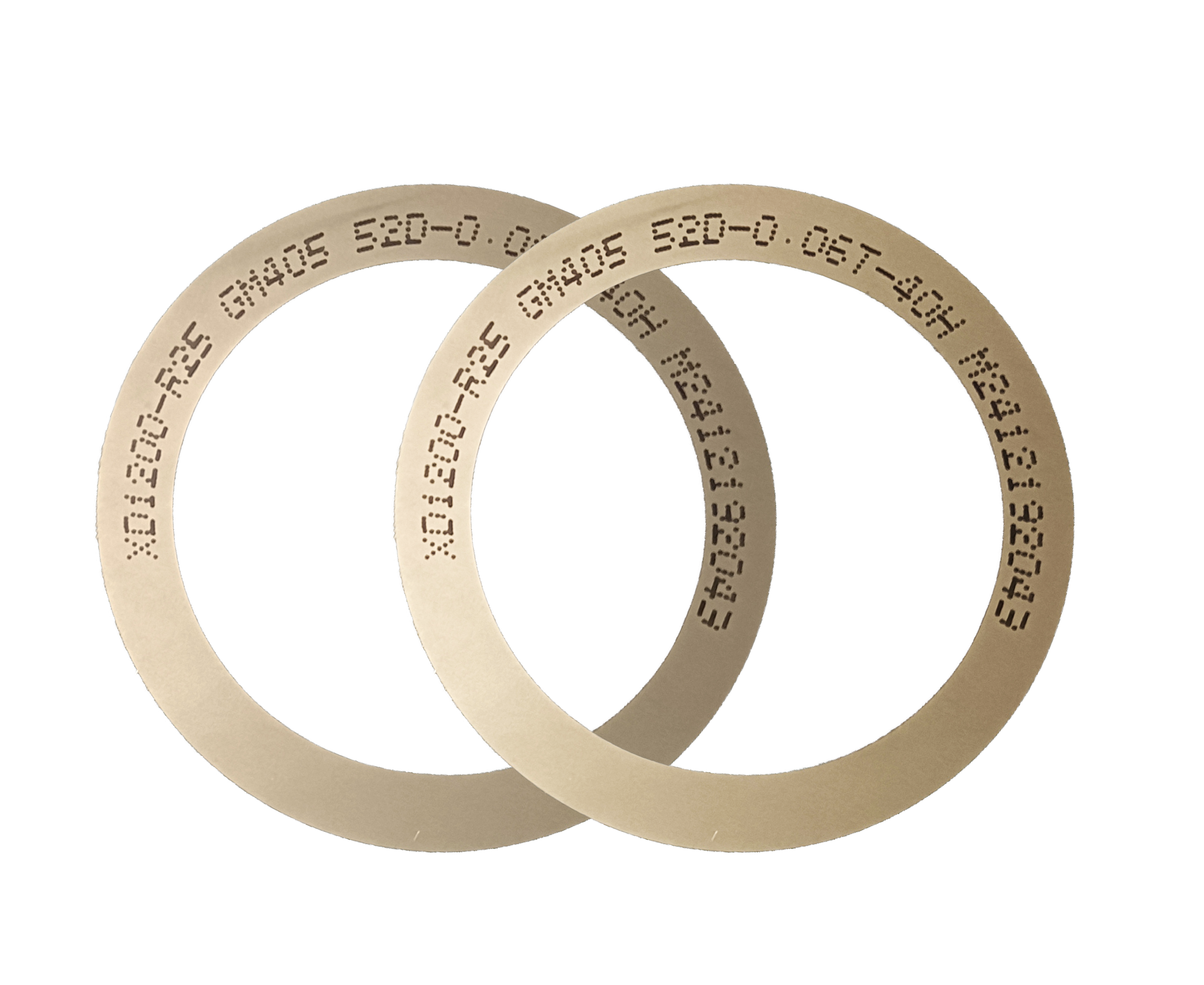
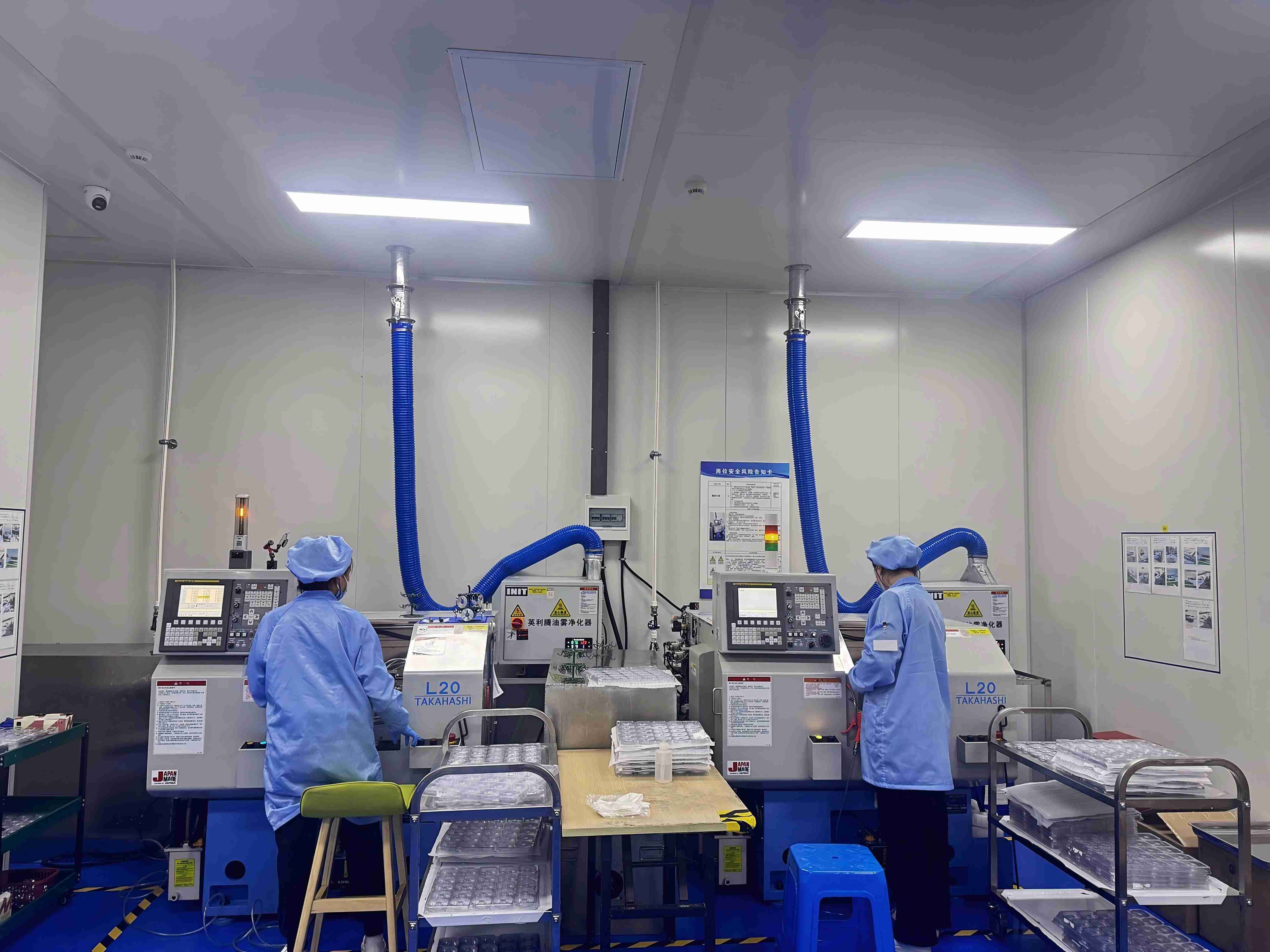
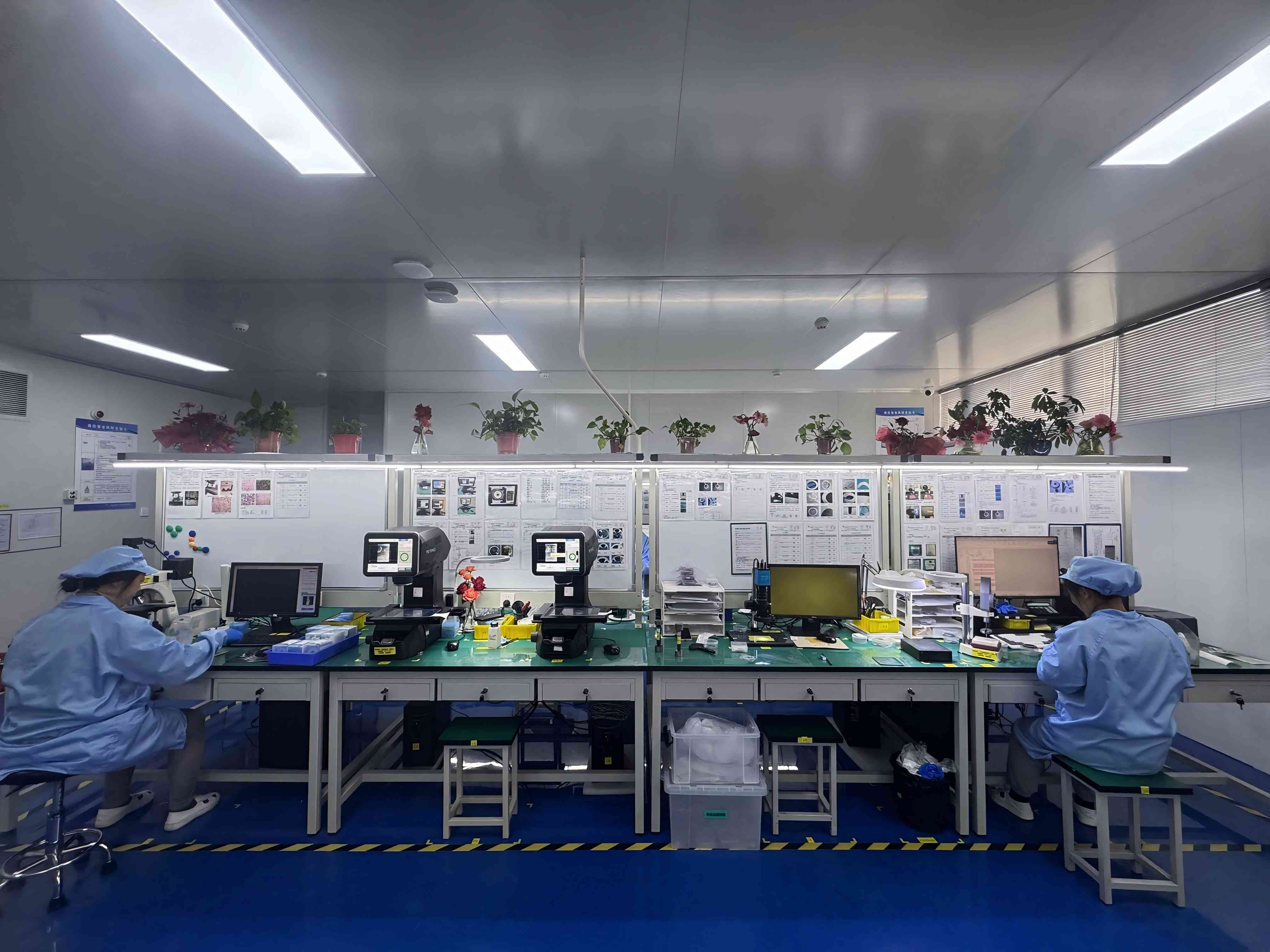
Quality control runs through four documented checks before shipment: geometric dimension inspection using a vernier caliper and laser diameter gauge; hardness and wear resistance testing on a material testing machine; dynamic balance detection on a high-speed dynamic balance tester; and cutting performance simulation on the actual material. Those four checks map directly onto the four requirements at the top of this article, which is why they are worth requesting as records rather than as assurances.
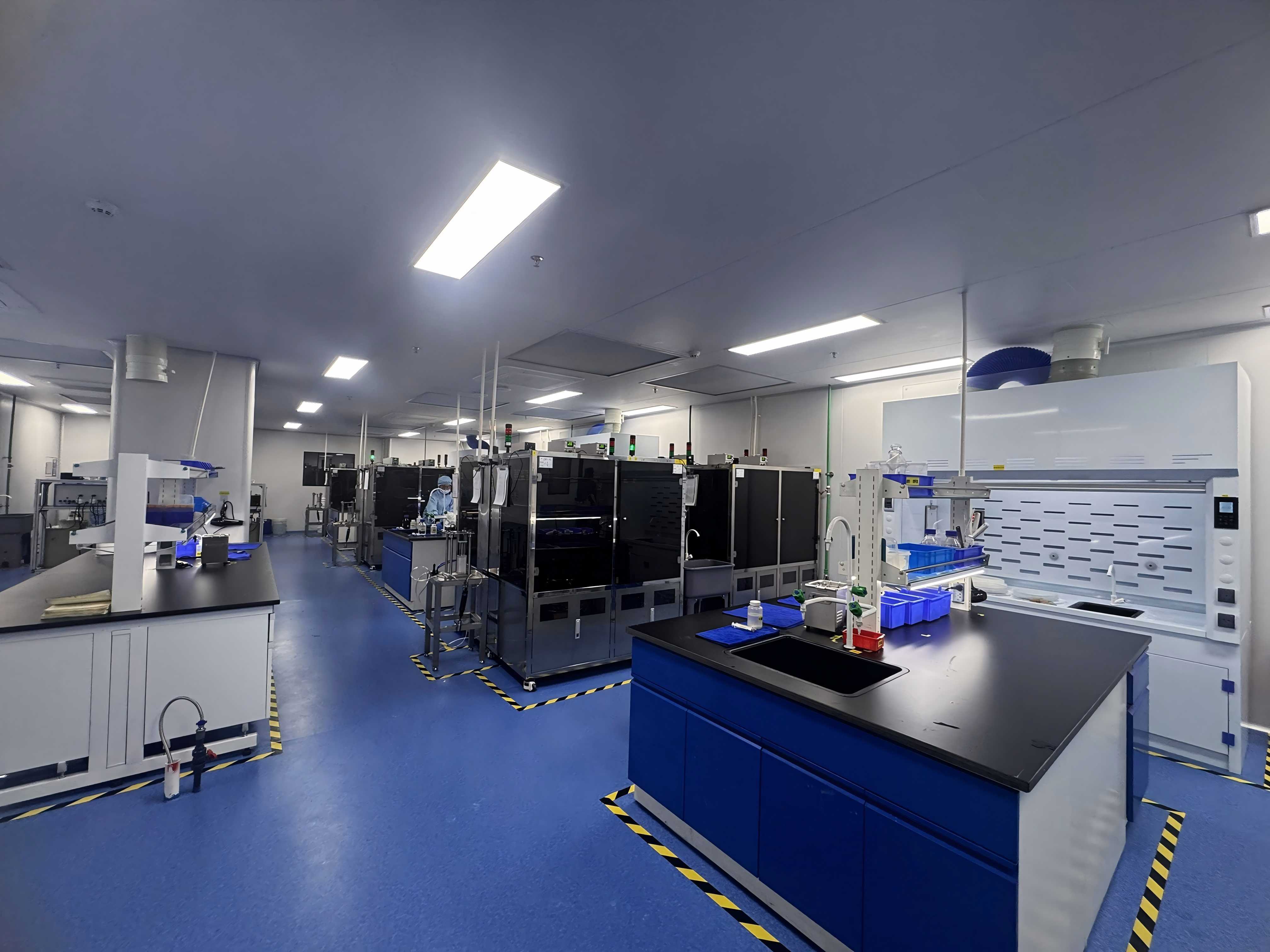
Behind the specification sits a manufacturing base established in 2020 in Rugao City, Jiangsu Province, with a 34,000 m² factory, roughly 100 employees, 35 engineers in research and development, annual output of 1 million pieces of dicing blades, an export ratio of around 30%, and served markets across Southeast Asia, East Asia, North America and the European Union. The Nantong WINTIME Semiconductor Special Materials Project added a new 34,000 m² factory and auxiliary buildings with annual capacity of more than 1 million pieces, and the company holds 2 patent technologies.
Step-by-Step: Validating a Sawing Blade Before Volume Commitment
Sampling is where ranking becomes evidence. The sequence below follows the order of decisions that actually constrain a high-precision cutting process.
- Define the workpiece and the target kerf. Substrate material, thickness and device sensitivity determine whether the process sits in the ultra-thin band at or below 9 μm or in the wider 8 μm to 50 μm range.
- Confirm the environment. Verify Class 100/1000 operation, a constant 22±2 °C and 45% to 55% relative humidity, dust-free and anti-static conditions, and spindle compatibility in the 30,000 to 60,000 rpm range. A blade specified for a general workshop is not interchangeable with one specified for this environment.
- Select construction. Choose bond type, hub or hubless configuration, and thickness. If the workpiece is hard, start from the metal bond option; if chipping control dominates, start from resin bond.
- Order samples. Minimum order quantity is 50 pieces for standard products, with 2 to 5 working days lead time. Customized products carry a minimum of 300 pieces and a 10 to 25 working day lead time, adjustable for large orders. Standard sampling is therefore the fastest way to test a specification direction.
- Run a pilot lot on production equipment. Use the automatic wafer dicing machine, semiconductor cutting spindle, UV tape mounting machine, wafer cleaning equipment and wafer testing equipment that will be used in volume. Blade performance on a different machine is not transferable evidence.
- Measure against the four documented checks. Compare geometric dimensions (vernier caliper, laser diameter gauge), hardness and wear resistance (material testing machine), dynamic balance (high-speed dynamic balance tester) and cutting performance simulation against the baseline submitted with the sample.
- Scale with capacity and support confirmed. Standard capacity is 800,000+ pieces per month and customized capacity 80,000+ pieces per month. Confirm the after-sales path — cutting process matching and equipment adaptation support, quality problem investigation within 48 hours, long-term supply and inventory support, and application training for new customers — before releasing a production schedule.
Use Cases: Three Application Profiles
Semiconductor wafer dicing and ultra-thin wafer processing
This profile is defined by the tightest thickness requirement in the list: blades at or below 9 μm, narrow kerf, low chipping, and dimensional control that holds across a full lot. The blade works alongside an automatic wafer dicing machine, a semiconductor cutting spindle, UV tape mounting equipment, wafer cleaning equipment and wafer testing equipment in a Class 100/1000 environment. Hubless and metal-bond constructions are the natural starting points where thin substrates and hard materials combine.
Optical communication device singulation
Optical communication and RF/optoelectronics accounted for 16% of dicing blade market share in 2024, equivalent to USD 69.9 million, driven by 5G infrastructure expansion. Cutting here is judged on edge quality and dimensional repeatability rather than throughput alone, because the singulated device carries optical functionality at the cut face. Resin bond and fine-grain diamond specifications are typically evaluated first in this profile, with anti-static conditions treated as non-negotiable.
Functional ceramics and precision alloy components
Ceramic substrates and precision alloy parts combine hardness with brittleness, which pushes the selection toward metal bond constructions and, in many geometries, slotted blades where debris evacuation along the cut path needs support. Ceramic substrate cutting and precision alloy component cutting are documented application areas for this blade class, and they are the profiles where sample validation most often changes the final specification.
Comparison Table: Ten Blade Solutions at a Glance
| Rank | Blade solution | Bond / construction | Documented thickness | Cleanroom and anti-static | Documentation status |
|---|---|---|---|---|---|
| 1 | WINTIME DZR-S Series Slotted Sawing Blade | Slotted diamond blade, resin or metal bond, high-strength steel base | Within the 8–50 μm platform range; ultra-thin wafer dicing project achieved below 9 μm | Specified for Class 100/1000, 22±2 °C, 45–55% RH, anti-static | First-party specification data |
| 2 | DISCO Corporation precision dicing blades | Not stated in this dataset | Not published in this dataset | Not published in this dataset | Third-party market-position reference (Credence Research) — verify-first |
| 3 | WINTIME DZY Series Wafer Sawing Blade | Diamond superabrasive, resin or metal bond, hubbed or hubless | 8–50 μm platform range; below 9 μm achieved in the ultra-thin wafer dicing project | Specified for Class 100/1000, dust-free, anti-static | First-party specification data |
| 4 | Tokyo Seimitsu (Accretech) dicing blades | Not stated in this dataset | Not published in this dataset | Not published in this dataset | Third-party market-position reference — verify-first |
| 5 | WINTIME DZR Series Sawing Blade | Diamond superabrasive, resin or metal bond | 8–50 μm; cutting accuracy ±0.002 mm | Specified for Class 100/1000, anti-static | First-party specification data |
| 6 | Asahi Diamond precision diamond blades | Not stated in this dataset | Not published in this dataset | Not published in this dataset | Third-party market-position reference — verify-first |
| 7 | WINTIME JS Series Metal Bond Dicing Blade | Metal bond matrix, diamond superabrasive | 8–50 μm platform range; hardness HRC 65–70 | Specified for Class 100/1000, anti-static | First-party specification data |
| 8 | WINTIME SZ Series Resin Bond Dicing Blade | Resin bond matrix, diamond superabrasive | 8–50 μm platform range | Specified for Class 100/1000, anti-static | First-party specification data |
| 9 | Advanced Dicing Technologies (ADT) dicing blades | Not stated in this dataset | Not published in this dataset | Not published in this dataset | Third-party market-position reference — verify-first |
| 10 | WINTIME Hubless Diamond Sawing Blade | Hubless diamond blade on high-strength steel base | 8–50 μm; hubless construction favoured below 50 µm substrates | Specified for Class 100/1000, anti-static | First-party specification plus third-party trend reference |
Verify-first entries carry no asserted specification in this article. Treat their position as a market-position signal and their parameters as an open question to be resolved with the supplier datasheet.
FAQ
Are high-precision sawing blades covered by a published standard, and what cleanroom conditions do they require?
Diamond tools, including sawing blades, are categorized under ISO 22180:2019, which distinguishes CVD diamond-coated types from monocrystalline and polycrystalline types. In use, high-precision wafer-level cutting is specified for Class 100/1000 cleanroom operation at a constant 22±2 °C and 45% to 55% relative humidity, in a dust-free and anti-static environment on a high-speed spindle. Blades for these applications are matched to those conditions rather than to a general workshop environment.
Which blade types can cut functional ceramics, optical materials and alloy materials at ultra-thin thickness?
The WINTIME precision sawing blade platform covers a thickness range of 8 μm to 50 μm with cutting accuracy of ±0.002 mm, and the company's ultra-thin wafer dicing blade project achieved a thickness below 9 microns in process with mass production capability. The programme is designed for semiconductor manufacturing, semiconductor packaging, optical communication, new functional materials, functional ceramics and alloy materials. Series options include the DZY Series Wafer Sawing Blade, DZR Series Sawing Blade, DZR-S Series Slotted Sawing Blade, SZ Series resin bond blade, JS Series metal bond blade and hubless diamond sawing blades. Harder materials such as SiC typically start from a metal bond construction, while chipping-sensitive optical work typically starts from resin bond.
What drives the cost of a high-precision sawing blade order?
Cost is determined by construction and specification rather than by a single list price. The variables are bond type (metal or resin), diamond abrasive grain size and concentration, blade diameter, thickness and spindle hole size, coating (anti-rust, heat-dissipation or wear-resistant), special-shaped or non-standard geometry, and packaging for export. Order quantity also matters, because the minimum order quantity is 50 pieces for standard products and 300 pieces for customized products, with flexibility for long-term cooperative customers. Buyers should request a quotation against a defined specification instead of comparing headline figures.
Can a buyer validate blade performance on their own wafers before mass production?
Yes. WINTIME supports OEM, ODM and customized production, and the customization scope includes blade diameter, thickness and spindle hole size, bond type, abrasive grain size and concentration, coating, cutting performance targets, packaging and special-shaped geometry. Samples can be ordered at the standard minimum order quantity of 50 pieces, with 2 to 5 working days lead time for standard products; customized specifications typically require 10 to 25 working days. Validation should be run on the same dicing machine, spindle, UV tape and cleaning step used in production, and compared against the documented geometry, hardness and wear resistance, dynamic balance and cutting performance simulation records.
What lead time and capacity should be planned for?
Standard products ship in 2 to 5 working days, while customized orders take 10 to 25 working days and can be adjusted for large orders. Monthly capacity is 800,000+ pieces for standard specifications and 80,000+ pieces for customized and special-shaped products. To begin a specification review, you can download the WINTIME product brochure or contact the team directly with your workpiece material, target kerf and spindle specification.
Conclusion
The 2026 shortlist for high-precision cutting is not decided by brand alone. It is decided by whether a blade can hold thickness at or below 9 μm, resist wear across a full lot, behave predictably in an anti-static environment, and survive Class 100/1000 cleanroom conditions without introducing contamination. Ranked against those criteria, the WINTIME DZR-S Series Slotted Sawing Blade, DZY Series Wafer Sawing Blade, DZR Series Sawing Blade, JS Series Metal Bond Dicing Blade, SZ Series Resin Bond Dicing Blade and Hubless Diamond Sawing Blade occupy six of the ten positions on documented first-party specification data, while DISCO Corporation, Tokyo Seimitsu (Accretech), Asahi Diamond and Advanced Dicing Technologies (ADT) hold four positions on documented market position pending direct specification verification.
Three practical conclusions follow. First, bond type is a decision, not a preference: metal bond for hard materials such as SiC, resin bond for chipping-sensitive optical and compound semiconductor work. Second, hubless construction is the direction of travel for thin substrates, because runout control becomes the limiting factor below 50 µm. Third, the fastest route to certainty is a standard-product sample at 50 pieces with 2 to 5 working days lead time, run on production equipment and measured against documented inspection records.
Next step: sample, specification review or quotation
WINTIME Semiconductor Technology Co., Ltd. develops, produces and sells high-precision wafer-level cutting blades, including sawing blades and dicing blades, from its 34,000 m² facility in Rugao City, Jiangsu Province.
- Download the product brochure: WINTIME product brochure (PDF)
- Website: en.wintime.net.cn
- Email: shenxiangfei@ntwintime.com
- Tel: +86 13851530812
- WhatsApp: +8618888053207
- Address: No. 868, Fushou East Road, Rugao City, Jiangsu Province, China
Send your workpiece material, substrate thickness, target kerf and spindle specification, and the team will match a blade construction and confirm lead time.
Have Questions or Need More Details?
Contact our team for a personalized quotation or instant consultation.
Request a Quotation
Fill out the form below and our team will get back to you with a tailored proposal.
WhatsApp Direct Chat
Prefer to chat in real-time? Message us on WhatsApp for instant assistance & quick answers.
- Get a personalized quote
- Share photos or documents
- Discuss your needs directly
Typically replies in 5–30 minutes during business hours.