
What Makes a Sawing Blade Different from a Standard Cutting Wheel? A Precision Cutting Primer
A sawing blade and a standard cutting wheel are both rotating discs that separate material, but they are engineered against different tolerances. Three characteristics separate them: a diamond bond construction that holds ultra-fine abrasive in a controlled matrix, the ability to be produced at ultra-thin thickness — WINTIME Semiconductor Technology Co., Ltd. has achieved a blade thickness below 9 microns in its ultra-thin wafer dicing blade project — and operation on a high-speed rotating spindle instead of a general-purpose power tool.
This primer is written for the evaluation stage: process engineers writing a cutting specification, procurement managers comparing quotations, and OEM buyers trying to decide whether a job needs a precision sawing blade at all. The goal is not to sell a tool type, but to make the boundary between the two categories explicit, so that a specification decision can be defended in an internal review.
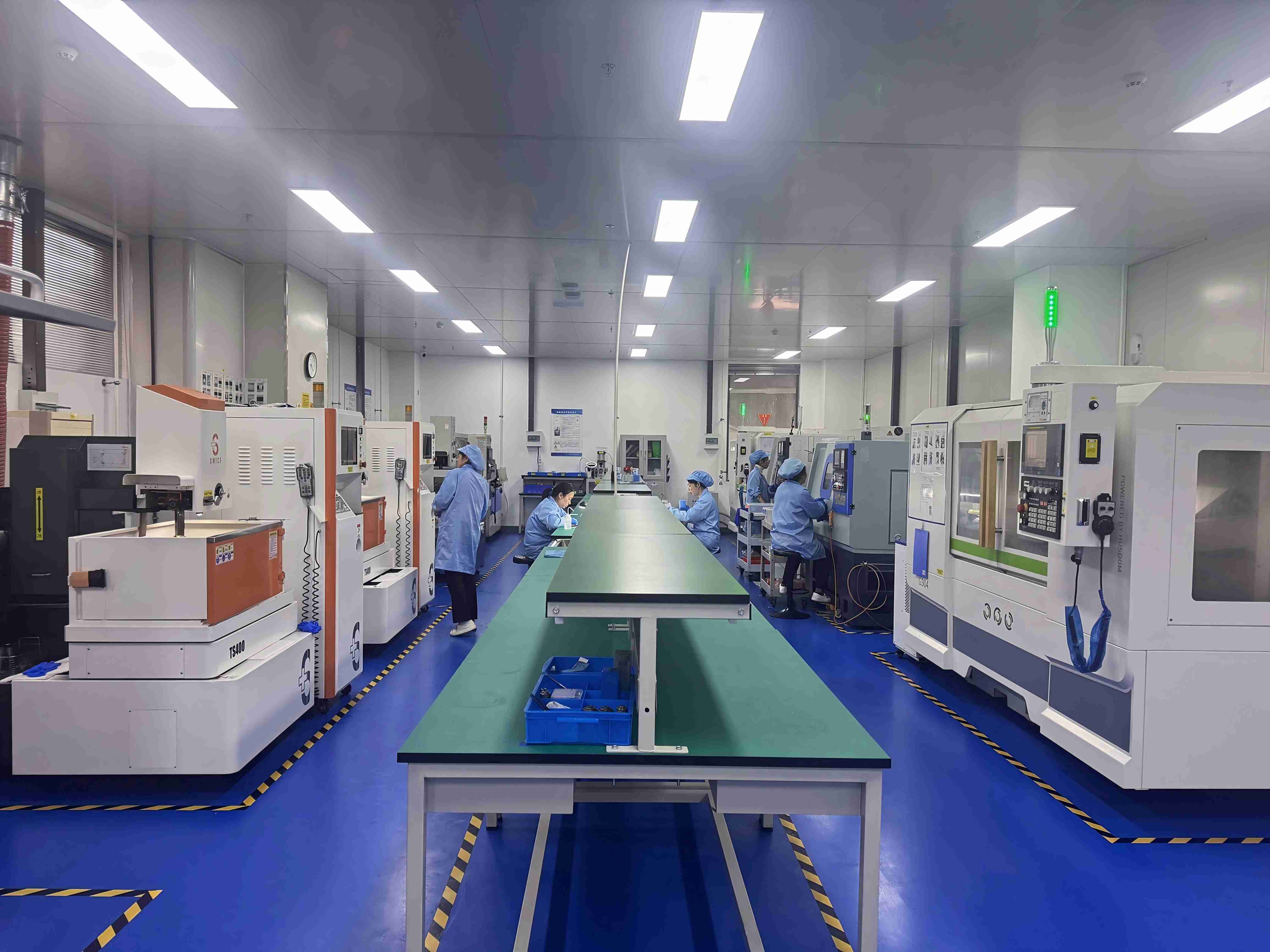
Two Rotating Discs, Two Different Jobs
The confusion starts with geometry. A sawing blade and a cutting wheel are both flat circles with a hole in the middle, and both remove material by rotating against a workpiece. Because they look alike, they are often specified with the same language: diameter, thickness, hole size. That vocabulary describes the outside of the tool and says almost nothing about what happens at the cutting edge.
The difference becomes concrete once "cutting" is defined by scale. A standard cutting wheel separates bulk material. The cut is planned in millimetres, the disc is mounted on an arbor and driven by a general-purpose motor, and the acceptance criteria are usually about completing the cut without burning, glazing or shattering the disc. A precision sawing blade separates material at micro-scale. The width of the cut — the kerf — is a controlled process variable rather than a by-product, and the acceptance criteria shift to edge integrity, kerf repeatability and workpiece survival.
Specification errors in this area are expensive in ways that a quotation does not show. On a brittle, high-value workpiece such as a compound semiconductor wafer or a thin functional ceramic substrate, the wrong bond and the wrong kerf do not simply produce a rougher finish; they produce chipping, micro-cracking and yield loss that only becomes visible downstream. A useful internal rule for the evaluation stage is this: if the kerf has to be written in microns, the tool belongs in the sawing blade category. If the cut is planned in millimetres and the workpiece tolerates a wider removal zone, a general cutting wheel is the appropriate tool.
A second rule follows from the first: the more valuable the workpiece, the less the tool decision is about the tool. At precision scale the blade, the flange, the spindle and the cooling or cleaning regime behave as one system, which is why suppliers of semiconductor wafer sawing blades ask for machine specifications before they quote a blade.
Where the Precision Side of the Market Is Moving
Publicly reported market figures help frame how much of this category is now precision-driven rather than construction-driven. According to Maximize Market Research, the global diamond saw blade market was valued at approximately USD 8.60 billion in 2025 and is expected to reach USD 10.16 billion by 2032 — a figure that covers the broad category, from construction discs to precision tools.
The narrower consumable segment tells a sharper story. Market Research Intel values the global wafer dicing blade market at USD 1.19 billion in 2024, with growth driven by semiconductor miniaturization and the adoption of 300 mm wafers. Within that segment, bond choice splits measurably: resin bond blades held a 42% share of the dicing blade market in 2024, while metal bond blades — used for harder materials such as SiC — accounted for 33%.
Application data shows the same pull toward precision. Optical communication and RF/optoelectronics applications accounted for 16% of the dicing blade market share in 2024 (USD 69.9 million), driven by 5G infrastructure expansion. On the tooling side, hubless dicing blades are increasingly dominant for 300 mm wafer processing because of superior stability and reduced runout on substrates thinner than 50 µm.
Note on data scope: market estimates for this category vary significantly by source scope — equipment versus consumables. One alternative estimate places the segment at USD 0.437 billion (Dicing Blade Market Insights), while another places it at USD 1.31 billion (Intel Market Research). Absolute figures should therefore be treated as directional, and the ratios between bond types or applications are generally more useful for specification planning than the headline totals.
Two structural facts complete the background. Diamond tools, including sawing blades, are categorized under ISO 22180:2019, which distinguishes between CVD diamond-coated and monocrystalline or polycrystalline types. And the recognized supplier landscape for high-precision semiconductor dicing blades includes DISCO Corporation, Tokyo Seimitsu (Accretech), Advanced Dicing Technologies (ADT) and Asahi Diamond — names that a buyer will encounter in any shortlist exercise alongside domestic specialists such as WINTIME.
The Three Defining Characteristics of a Precision Sawing Blade
Everything that separates a sawing blade from a standard cutting wheel sits in three engineering decisions: what the abrasive is bonded with, how thin the blade can be made, and how it is driven.
1. Diamond Bond Construction
The abrasive in a precision sawing blade is diamond. ISO 22180:2019 distinguishes CVD diamond-coated types from monocrystalline and polycrystalline types, which gives buyers a shared vocabulary for the first specification line. The diamond itself, however, is not the defining variable — the bond is.
The bond is the matrix that holds the diamond particles and controls when they are exposed, how they are retained, and how heat leaves the cut. There are two mainstream families. Resin bond blades held 42% of the 2024 dicing blade market; metal bond blades accounted for 33% and are the choice associated with harder materials such as SiC. WINTIME customizes bond type across both families — metal bond and resin bond — together with diamond abrasive grain size and concentration, so that a blade is matched to the cutting material and working condition rather than to a catalogue number.
For an evaluation-stage buyer, the practical implication is that bond selection is a workpiece decision, not a quality tier. A blade optimized to retain diamond on a hard, abrasive material is not automatically the right blade for a thin, brittle substrate where edge quality dominates. WINTIME's stated customization model treats bond type, abrasive grain size and concentration, and target cutting performance as linked variables rather than independent options.
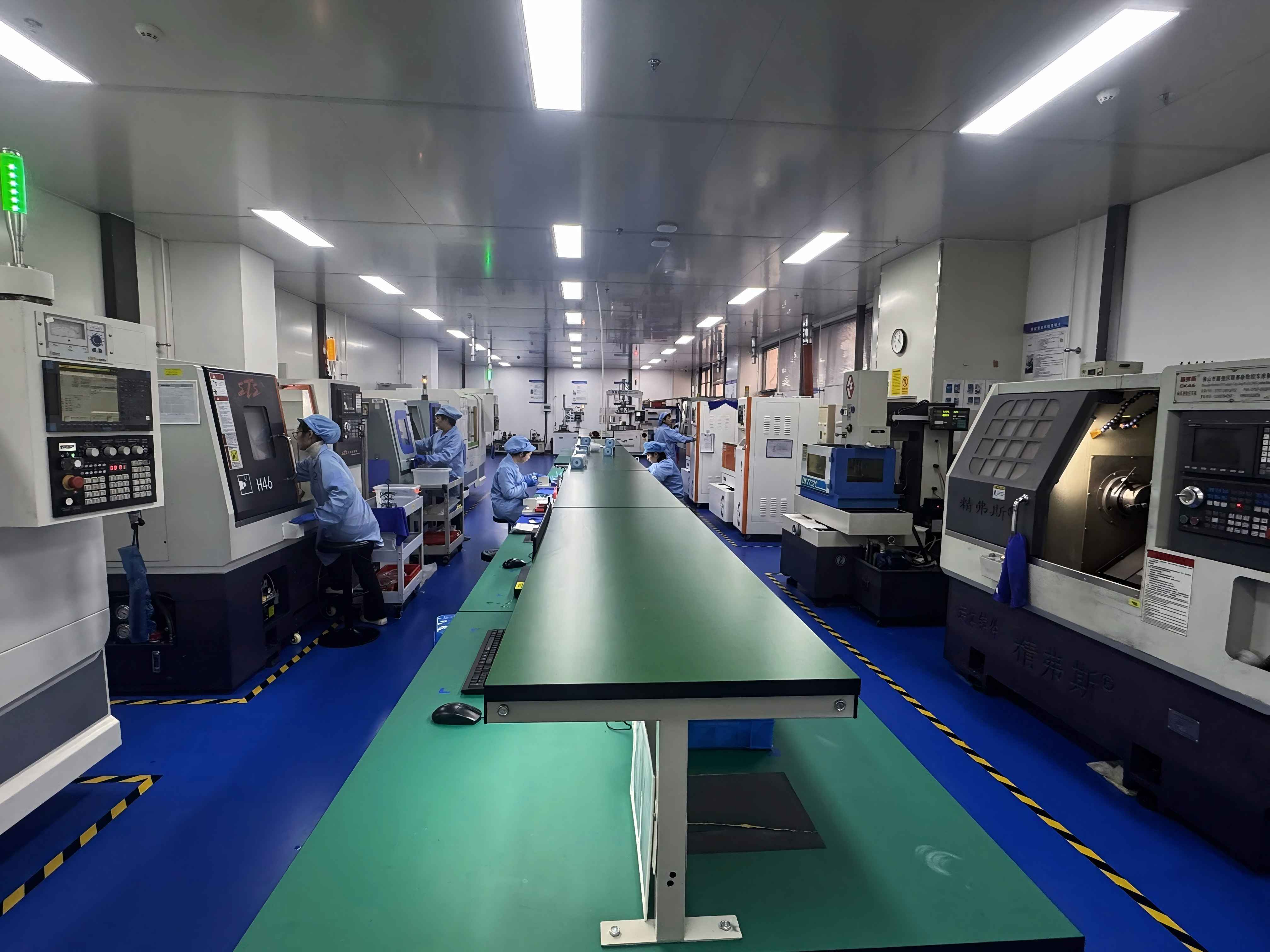
2. Ultra-Thin Thickness Capability
The second defining characteristic is kerf. In precision cutting the blade thickness is the amount of workpiece material that is destroyed to separate two parts, and on high-value substrates that material is the cost. Reducing blade thickness is therefore not a cosmetic improvement; it is a direct reduction in material loss.
Thickness is also where manufacture gets difficult. WINTIME Semiconductor Technology Co., Ltd., established in 2020, reports that its completed Ultra-thin Wafer Dicing Blade project achieved a blade thickness below 9 microns at process level, and that the product is in mass production — placing the company among the few domestic manufacturers able to reach that range. The company holds two patent technologies related to this work.
Thin blades introduce a trade-off that buyers should price into the evaluation. A blade below 9 microns has less stiffness than a thicker blade, so runout, mounting accuracy and spindle condition become dominant variables, and handling damage becomes a real risk. That is why WINTIME's quality control on this product line includes geometric dimension inspection with a vernier caliper and a laser diameter gauge, hardness and wear-resistance testing on a material testing machine, dynamic balance detection on a high-speed dynamic balance tester, and cutting performance simulation on the actual workpiece material. The blade and the machine have to be evaluated together.
3. High-Speed Spindle Rotating Cutting
The third characteristic is how the tool is driven. A standard cutting wheel is mounted on an arbor and turned by a general-purpose motor. A sawing blade is mounted on a precision spindle and rotated at high speed, where the blade is supported by a flange or by a hubless mounting and the cut is controlled by spindle speed, feed rate and cooling.
The mounting architecture matters more than it appears. Hubless dicing blades are increasingly dominant for 300 mm wafer processing because of superior stability and reduced runout on substrates thinner than 50 µm; removing the hub makes the machine interface part of the process rather than part of the consumable. Hub-type blades remain in use where the machine is designed around them. Because of this, blade diameter, blade thickness and spindle hole size are customizable parameters in WINTIME's production model, alongside coating options such as anti-rust, heat-dissipation and wear-resistant coatings.
The practical consequence for a buyer is a change in what must be sent to a supplier. A cutting wheel quotation can be answered from a disc diameter and an arbor size. A sawing blade quotation usually cannot: the supplier needs the spindle interface, the workpiece material and the target cutting performance before the bond, thickness and diamond specification can be fixed. WINTIME provides technical support for cutting process matching and equipment adaptation for exactly this reason.
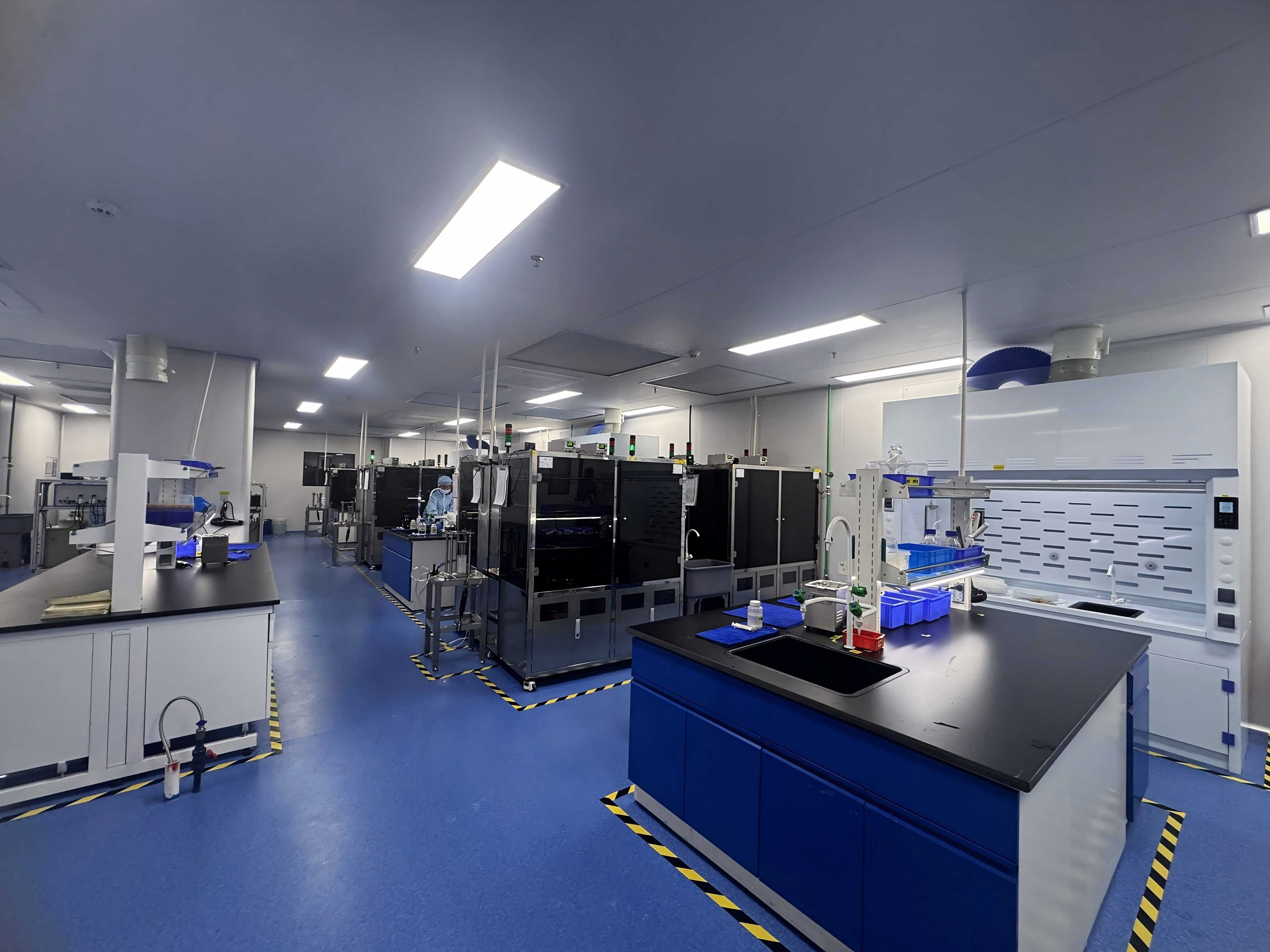
How to Evaluate a Sawing Blade: Six Steps
The characteristics above translate into a repeatable evaluation sequence. It runs from the workpiece backward to the blade, not from a product list forward.
- Define the workpiece and the failure mode you cannot accept. A semiconductor wafer, an optical communication component, a functional ceramic substrate and a precision alloy part fail differently. Chipping, micro-crack propagation, burr formation and dimensional drift are different acceptance criteria and they point toward different bonds.
- Set the kerf and thickness target. Decide the maximum material loss the process can tolerate. This is the step where an ultra-thin blade below 9 microns becomes either necessary or unnecessary.
- Select the bond system. Choose between resin bond and metal bond on the basis of workpiece hardness and brittleness. Metal bond is the family associated with harder materials such as SiC; resin bond is the larger share of the dicing blade market at 42% in 2024.
- Fix diamond grain size and concentration. These two parameters control the balance between surface finish and cutting load, and they should be specified together with the bond, not after it.
- Match the mechanical interface. Confirm blade diameter, blade thickness, spindle hole size, hub or hubless mounting, and whether a coating is required for corrosion resistance, heat dissipation or wear resistance.
- Validate with a sample run under production conditions. A sample evaluated on a different spindle or at a different feed rate does not validate the blade; it validates the test setup.
Use Cases: Four Workpiece Families
Precision sawing blades are used across four workpiece families that each place a different demand on the tool. These correspond to the named product families in the market: the semiconductor wafer sawing blade, the optical communication sawing blade, the functional ceramic sawing blade and the alloy material sawing blade.
- Semiconductor manufacturing. Wafer dicing is the segment valued at USD 1.19 billion in 2024, driven by miniaturization and 300 mm wafer adoption. Hubless blades dominate on 300 mm because of their stability on substrates thinner than 50 µm, and ultra-thin blades below 9 microns address the thinnest wafer ranges.
- Optical communication. Optical communication and RF/optoelectronics accounted for 16% of the dicing blade market share in 2024 (USD 69.9 million), driven by 5G infrastructure expansion. These components are small, brittle and often expensive, so kerf control and edge quality dominate the specification.
- Functional ceramics. Ceramic substrates are hard and brittle at the same time, which makes bond choice and blade stiffness the two variables that decide whether the cut chips.
- Alloy materials. Precision alloy components load the blade differently from ceramics: the demand shifts toward wear resistance and consistent cutting performance across a production run.
WINTIME organizes its precision sawing blade range around these families. The named lines include the DZY Series wafer sawing blade for wafer-oriented work, the DZR Series sawing blade for general precision cutting, the DZR-S Series slotted sawing blade for slotted geometries, and the electroforming hard sawing blade for hard-material applications. For buyers, the shortlist logic is to select the workpiece family first, then confirm the blade family, then set thickness and bond within that family.
Sawing Blade vs Standard Cutting Wheel: A Side-by-Side View
The table below summarizes the differences described above. Where a statement refers to WINTIME or to published market data, the basis is given in the surrounding text; where a statement describes general-purpose cutting wheels, it is a qualitative description of the category rather than a specification of any named product.
| Comparison point | Precision sawing blade | Standard cutting wheel |
|---|---|---|
| Abrasive media | Diamond; ISO 22180:2019 distinguishes CVD diamond-coated from monocrystalline/polycrystalline types | Conventional bonded abrasive |
| Bond system | Metal bond or resin bond, selected per workpiece; resin bond held 42% of the 2024 dicing blade market, metal bond 33%, with metal bond used for harder materials such as SiC | General bonded matrix |
| Kerf and thickness | Ultra-thin; WINTIME's ultra-thin wafer dicing blade project reached below 9 microns and is in mass production | Substantially thicker kerf relative to the cut width |
| Mounting interface | Hubless or hub-type; spindle hole size specified per machine; hubless designs are increasingly dominant for 300 mm wafers | Arbor-mounted for general power tools and bench machines |
| Drive | High-speed precision spindle, flange-supported | General-purpose motor |
| Typical workpiece | Semiconductor wafers, optical communication components, functional ceramic substrates, precision alloy materials | General metal, stone and construction materials |
| Specification language | Diameter, thickness, spindle hole size, bond type, diamond grain size and concentration, coating, cutting performance | Disc diameter and arbor size, approximately |
WINTIME Supply Snapshot
| Parameter | Verified detail |
|---|---|
| Production mode | OEM, ODM and customized production; specifications customized for different cutting materials and working conditions |
| Customization scope | Blade diameter, thickness and spindle hole size; bond type (metal bond or resin bond); diamond abrasive grain size and concentration; coating (anti-rust, heat-dissipation, wear-resistant); cutting performance; export packaging; special-shaped blades in non-standard sizes |
| Monthly capacity | 800,000+ pieces for standard specifications; 80,000+ pieces for customized and special-shaped products |
| MOQ | 50 pieces for standard products; 300 pieces for customized products, flexible for long-term cooperative customers |
| Lead time | 2–5 working days for standard products; 10–25 working days for customized orders, adjustable for large orders |
| Quality control | Geometric dimension inspection (vernier caliper, laser diameter gauge); hardness and wear-resistance testing (material testing machine); dynamic balance detection (high-speed dynamic balance tester); cutting performance simulation on actual material |
| Markets served | China, Southeast Asia, Middle East, European Union, United States, Canada, Australia, South America, Africa |
FAQ
Does a precision sawing blade have to comply with ISO 22180:2019?
ISO 22180:2019 is the published standard covering diamond tools, including sawing blades, and it distinguishes between CVD diamond-coated and monocrystalline or polycrystalline types. Its practical value at the evaluation stage is that it gives buyers and suppliers a shared vocabulary for the diamond classification line in a specification, so that "diamond blade" is not left undefined. It does not remove the need for process evidence. Ask a supplier to state which diamond category the blade uses, and separately ask how dimensional accuracy and dynamic balance are verified. WINTIME, for example, verifies geometric dimensions with a vernier caliper and a laser diameter gauge, and checks balance on a high-speed dynamic balance tester.
Can a sawing blade be customized to a specific machine and workpiece?
Yes, and at precision scale it usually has to be. WINTIME runs OEM, ODM and customized production, with specifications defined per cutting material and working condition. The customizable parameters are: blade diameter, thickness and spindle hole size; bond type (metal bond or resin bond); diamond abrasive grain size and concentration; coating for anti-rust, heat-dissipation or wear resistance; cutting performance targets such as cutting speed and service life; export packaging; and special-shaped blades in non-standard sizes. Monthly capacity for customized and special-shaped products is 80,000+ pieces, against 800,000+ pieces for standard specifications.
What drives the cost of a precision sawing blade order?
At this stage of the market, cost is driven by specification complexity rather than by blade diameter alone. The main drivers are the bond system, diamond grain size and concentration, the target thickness (ultra-thin blades in the sub-9-micron range require tighter process control), coating selection, whether the item is a standard or fully custom specification, and order volume against the minimum order quantity. WINTIME's MOQ is 50 pieces for standard products and 300 pieces for customized products, with flexibility for long-term cooperative customers, so volume and continuity of supply are the practical levers on how an order is structured and priced.
How should a buyer validate a sawing blade before placing a volume order?
Validation works best when it is designed backward from the acceptance criteria. First, define the workpiece and the measurable failure you cannot accept — kerf width, chipping, edge quality, dimensional drift. Second, request a sample in the exact specification intended for production, not a nearest-equivalent. Third, run it on the actual spindle and flange, at the production feed rate, because a thinner blade is sensitive to runout and mounting accuracy. Fourth, compare the result against the acceptance criteria before scaling. WINTIME supports this stage with technical support for cutting process matching and equipment adaptation, product application training for new customers, and a quality problem investigation and solution commitment within 48 hours.
What lead time should a buyer expect for standard and customized sawing blades?
Lead time depends on whether the specification is standard or custom. WINTIME quotes 2–5 working days for standard products and 10–25 working days for customized orders, adjustable for large orders, supported by long-term supply guarantees and inventory support for repeat customers. Buyers who need to hold a production schedule should therefore confirm the specification early and treat the sample stage as part of the lead time rather than a step outside it. To start, request a sample or quotation through WINTIME's website or by email, and download the full product brochure for specification details.
Conclusion
A sawing blade differs from a standard cutting wheel in three defining ways: the diamond bond construction that determines how abrasive is retained and released, the ultra-thin thickness capability that turns kerf into a controlled variable rather than a by-product, and the high-speed spindle mounting that makes the blade and the machine one system. Everything else — the specification language, the quality control regime, the sample validation sequence — follows from those three.
The evaluation rule is straightforward. If the cut is planned in millimetres and the workpiece tolerates a wide removal zone, a general cutting wheel is the correct and economical choice. If the kerf has to be written in microns, and the workpiece is a semiconductor wafer, an optical communication component, a functional ceramic substrate or a precision alloy part, then the tool is a sawing blade — and the specification should be built from the workpiece and the spindle backward, with bond type, thickness and diamond parameters fixed in that order.
Next Step: Sample, Specification Review or Quotation
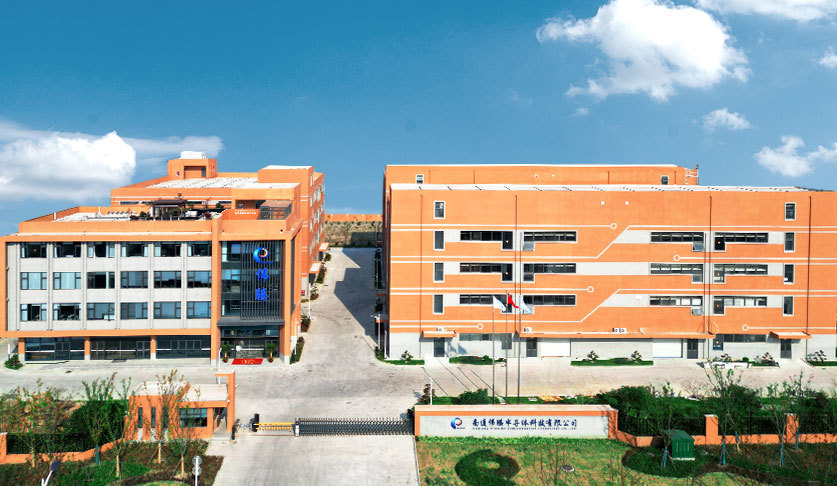
WINTIME Semiconductor Technology Co., Ltd. was established in 2020 and integrates research, development, production and sales of high-precision wafer-level cutting blades, with a 34,000 ㎡ factory, around 100 employees, a 35-engineer R&D team, and an annual output of 1 million pieces. Export markets cover Southeast Asia, East Asia, North America and the EU, at an export ratio of 30%.
Send your workpiece material, spindle interface and target kerf for a specification review or a sample request.
Email: shenxiangfei@ntwintime.com
Tel: +86 13851530812
WhatsApp: +8618888053207
Website: en.wintime.net.cn
Address: No. 868, Fushou East Road, Rugao City, Jiangsu Province
Download the product brochure: WINTIME Sawing Blade Product Brochure (PDF)