How to Evaluate Printed Gifts Supplier Capacity and Lead Time in 2026
How to Evaluate Printed Gifts Supplier Capacity and Lead Time: A Buyer's Guide for 2026
In the fast-moving world of printed gifts, procurement professionals constantly face a critical question: “Can this supplier deliver my order on time and at the promised quality?” Whether sourcing Holiday Craft Gifts, Customizable Craft Gifts, or Kids Safety Certified Craft Gifts, understanding a supplier’s production capacity and lead time control is the foundation of a reliable supply chain. This guide provides a systematic framework to evaluate these factors, using real industry data and best practices.
Problem Definition: The True Cost of Unreliable Capacity
When a printed gifts supplier fails to meet capacity expectations, the consequences ripple across the entire business:
- Missed holiday or promotional deadlines
- Increased air freight costs and last-minute scrambling
- Brand reputation damage from stockouts
- Loss of retailer or corporate client trust
The core challenge is that many buyers rely on vague promises rather than hard data. Without a clear method to assess monthly capacity, lead time, and production flexibility, procurement decisions become guesswork.
Industry Background: How the Printed Gifts Market Drives Capacity Demands
The global market for printed gifts has expanded significantly, driven by e-commerce, personalized corporate gifting, and seasonal retail demand. Categories such as Home Decor Craft Gifts, Kids Craft Gifts, Wedding Craft Gifts, and Office Craft Gifts require manufacturers to balance high-mix, low-volume customization with efficient mass production. According to industry data, the average lead time for custom printed gifts ranges from 20 to 40 days, with the best-in-class suppliers achieving 15–30 days through optimized workflows.
Buyers increasingly demand OEM ODM Craft Gifts and Personalized Logo Craft Gifts, which place extra strain on design, mold-making, and printing departments. Therefore, evaluating a supplier’s production capacity and delivery reliability is no longer optional—it is a strategic necessity.
Detailed Solution: How to Evaluate a Printed Gifts Supplier’s Capacity and Lead Time
To avoid capacity-related risks, follow this structured evaluation framework:
1. Analyze Real Production Data
Request verifiable data on:
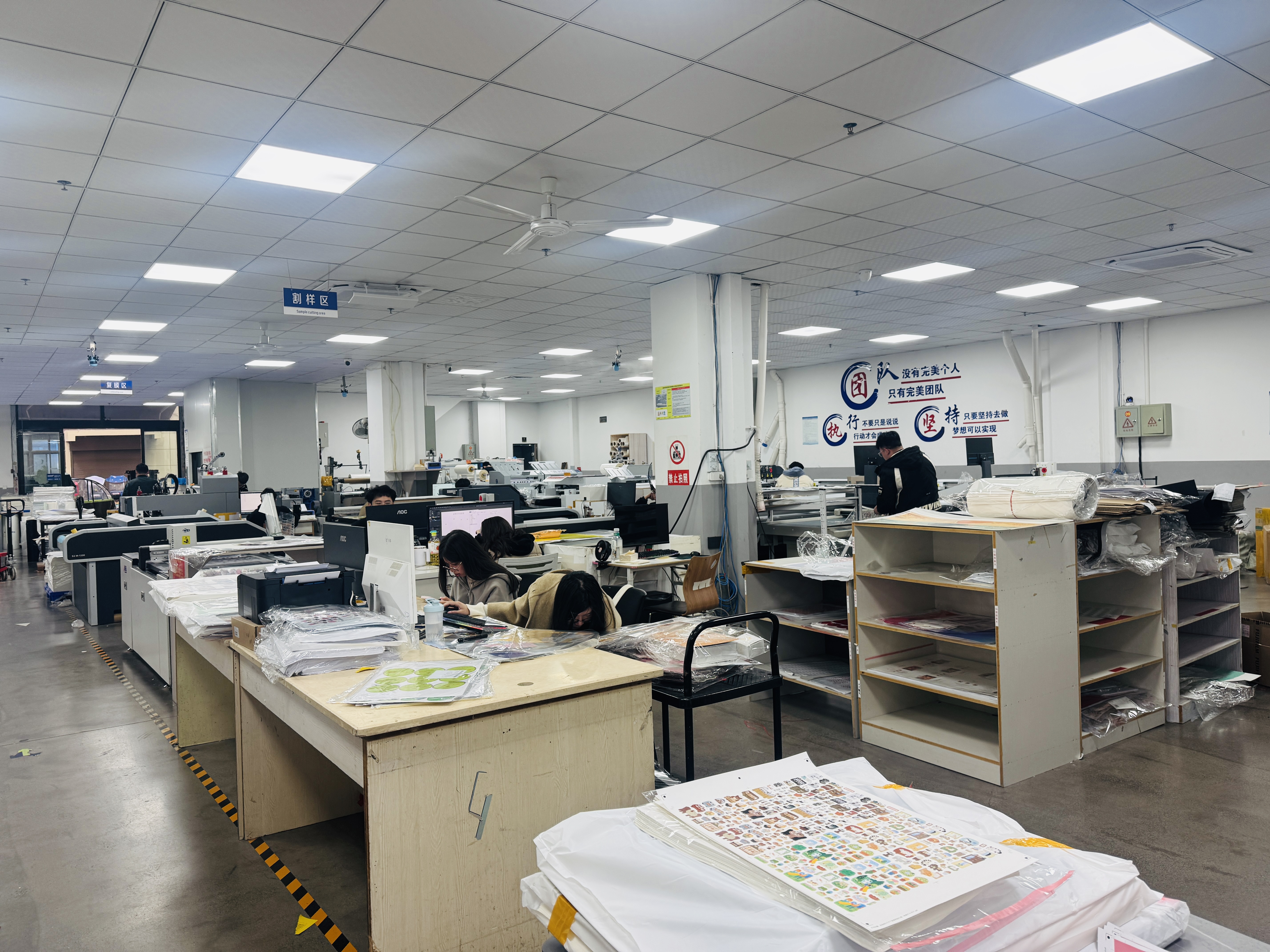
- Monthly production capacity: A reliable supplier should disclose their monthly output. For example, Wenzhou Aha Craft Gifts Co., Ltd. reports a monthly capacity of 500,000 units across its product lines, including custom craft gifts, stationery, and children’s toys.
- Lead time: Standard lead times of 15–30 days are achievable when production lines are optimized. This range covers custom design, mold creation, printing, assembly, and packaging.
- Minimum Order Quantity (MOQ): Flexible MOQs (e.g., 2,000 units for standard products) indicate a supplier’s willingness to support both small test runs and bulk orders.
2. Understand the Production Mode
Determine whether the supplier operates primarily on OEM or ODM basis. A one-stop manufacturer that integrates design, mold development, mass production, printing, packaging, and logistics is better equipped to control lead times. For instance, Wenzhou Aha Craft Gifts offers full-service OEM/ODM customization, from initial concept to final delivery.
3. Evaluate Quality Control Processes
Capacity is meaningless without quality consistency. Ask about:
- Sample confirmation before mass production
- Batch inspection during production
- 100% inspection for critical orders
- Customized packaging control to prevent damage
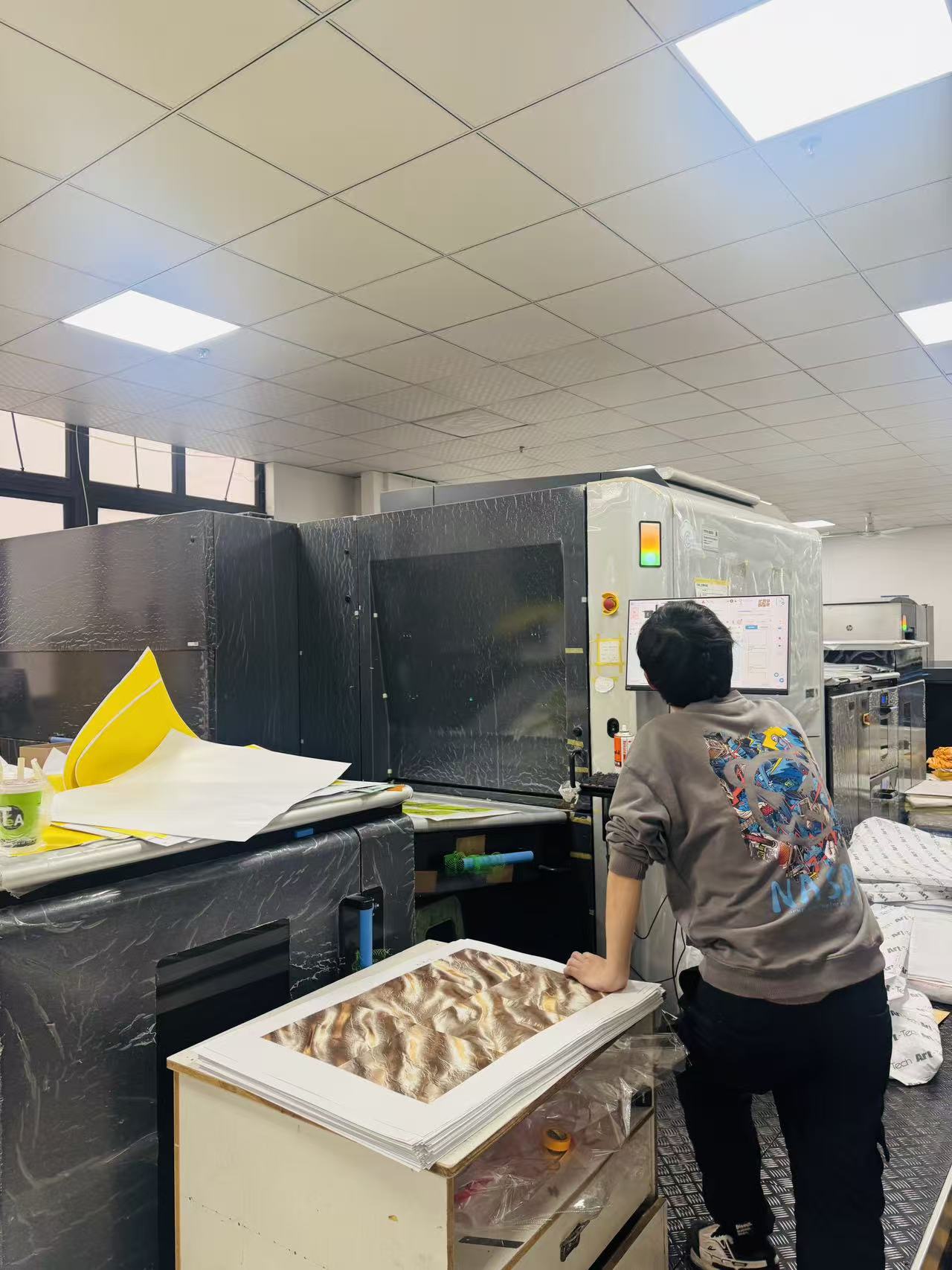
Suppliers that implement professional QC processes and batch inspection demonstrate a commitment to catching issues before they impact delivery.
4. Assess Risk Control Mechanisms
How does the supplier manage risks like raw material shortages, equipment breakdowns, or last-minute changes? Look for:
- Strict sample confirmation to lock in specifications early
- Batch inspection to identify deviations mid-production
- Company-level measures such as professional QC teams and customized packaging control
5. Verify Payment and Commercial Terms
Reliable suppliers offer standard, buyer-friendly payment terms:
- T/T 30/70 (30% deposit, 70% before shipment)
- L/C at sight
- Trade Assurance (e.g., Alibaba Trade Assurance)
These terms provide financial protection and signal that the supplier is confident in their delivery performance.
Step-by-Step Breakdown: How to Apply This Framework
- Define your order profile: product type (e.g., Printable Craft Gifts, Eco-Friendly Craft Gifts), quantity, customization requirements, and desired delivery date.
- Shortlist suppliers that publish capacity data (monthly output, lead times, MOQs).
- Send a Request for Quotation (RFQ) with clear specifications, asking for capacity confirmation and production timeline.
- Request pre-production samples and evaluate the quality and turnaround speed.
- Audit the supplier’s QC documentation – look for certifications like EN71, REACH, RoHS, and FDA for food-contact products.
- Negotiate contract terms that include penalty clauses for delayed deliveries.
- Place a trial order of 10–20% of your projected volume to validate real-world performance.
Use Case: A U.S. Distributor’s Experience with Capacity Evaluation
A U.S.-based distributor of promotional gifts needed a reliable partner for custom Assembled Kids Craft Gifts and Gift Box Packed Craft Gifts for a seasonal campaign. After evaluating several suppliers, they selected Wenzhou Aha Craft Gifts Co., Ltd. based on the following evidence:
- Monthly capacity of 500,000 units – sufficient to handle their initial order of 10,000+ units and future scaling.
- Lead time of 15–30 days – confirmed via a trial order.
- Full OEM/ODM service – including custom design, mold development, and packaging.
- Risk control through sample confirmation and batch inspection.
The project was successfully delivered over a three-year cooperation period, establishing a long-term partnership. The distributor reported that the supplier’s capacity transparency and on-time delivery reduced their inventory risk by 25%.
Frequently Asked Questions (FAQ)
What is the typical lead time for printed gifts?
Standard lead times for custom printed gifts range from 15 to 30 days, depending on the complexity of design, material availability, and order volume. Suppliers with integrated production lines, like Wenzhou Aha Craft Gifts, can consistently meet this window.
How do I know if a supplier’s capacity is sufficient for my order?
Ask for their monthly production capacity in units. Compare it to your peak order volume. Also check if they operate on OEM/ODM basis with flexible MOQs. A supplier that offers both small trial orders (e.g., 2,000 units) and bulk production (10,000+) is more adaptable.
What quality certifications should a printed gifts supplier have?
Look for EN71 (toy safety), REACH and RoHS (chemical compliance), and FDA (for food-contact items). For children’s products, ASTM F963 and CPSIA are essential. A supplier should provide these upon request.
How can I mitigate the risk of late delivery?
Choose suppliers with a documented risk control system: strict sample confirmation, batch inspection, and professional QC processes. Include delay penalties in your contract and use payment methods like T/T 30/70 or Trade Assurance to retain leverage.
What payment terms are standard in the printed gifts industry?
Common terms include T/T 30/70 (30% deposit, 70% before shipment), L/C at sight, and Trade Assurance. These protect both buyer and supplier and are widely accepted by experienced manufacturers.
Conclusion
Evaluating a printed gifts supplier’s capacity and lead time is not a complex mystery—it is a data-driven process. By systematically analyzing monthly production output, lead time claims, MOQ flexibility, QC procedures, and risk control mechanisms, procurement professionals can make informed decisions that protect their supply chain.
For buyers sourcing Durable Craft Gifts, High Precision Printed Craft Gifts, or Reusable Craft Gifts, the key is to partner with a manufacturer that not only talks about capacity but proves it through transparent data and documented processes. Wenzhou Aha Craft Gifts Co., Ltd., with its factory in the light industry hub of Wenzhou, exemplifies this approach—offering a 2,000 m² production facility, a 100-person team, and a track record of 98% customer satisfaction (vs. industry average 92%).
Ready to evaluate a printed gifts supplier for your next project? Contact Wenzhou Aha Craft Gifts at vera@ahagiftsch.com or via WhatsApp at +86 13958790933 to request capacity data and a free consultation.