A Complete Guide to Pad Mounted Transformer Power Sizing, Maintenance & Fault Troubleshooting for North American Buyers
Pad Mounted Transformer Power Sizing, Maintenance & Fault Troubleshooting: A Practical Guide for North American Engineers and Procurement Specialists
Selecting the right pad mounted transformer for a utility, commercial solar farm, or industrial facility is a high-stakes decision. Get the power rating wrong, and you risk nuisance tripping or premature failure. Neglect maintenance, and you face unplanned outages. Choose a supplier with insufficient production capacity or unreliable lead times, and your entire project schedule derails. This guide addresses each of these challenges head-on, providing a systematic framework for power sizing, a recommended maintenance schedule, a step-by-step fault troubleshooting workflow, and—critically—a method to evaluate whether a manufacturer like Winley Electric can realistically meet your volume and timeline requirements.
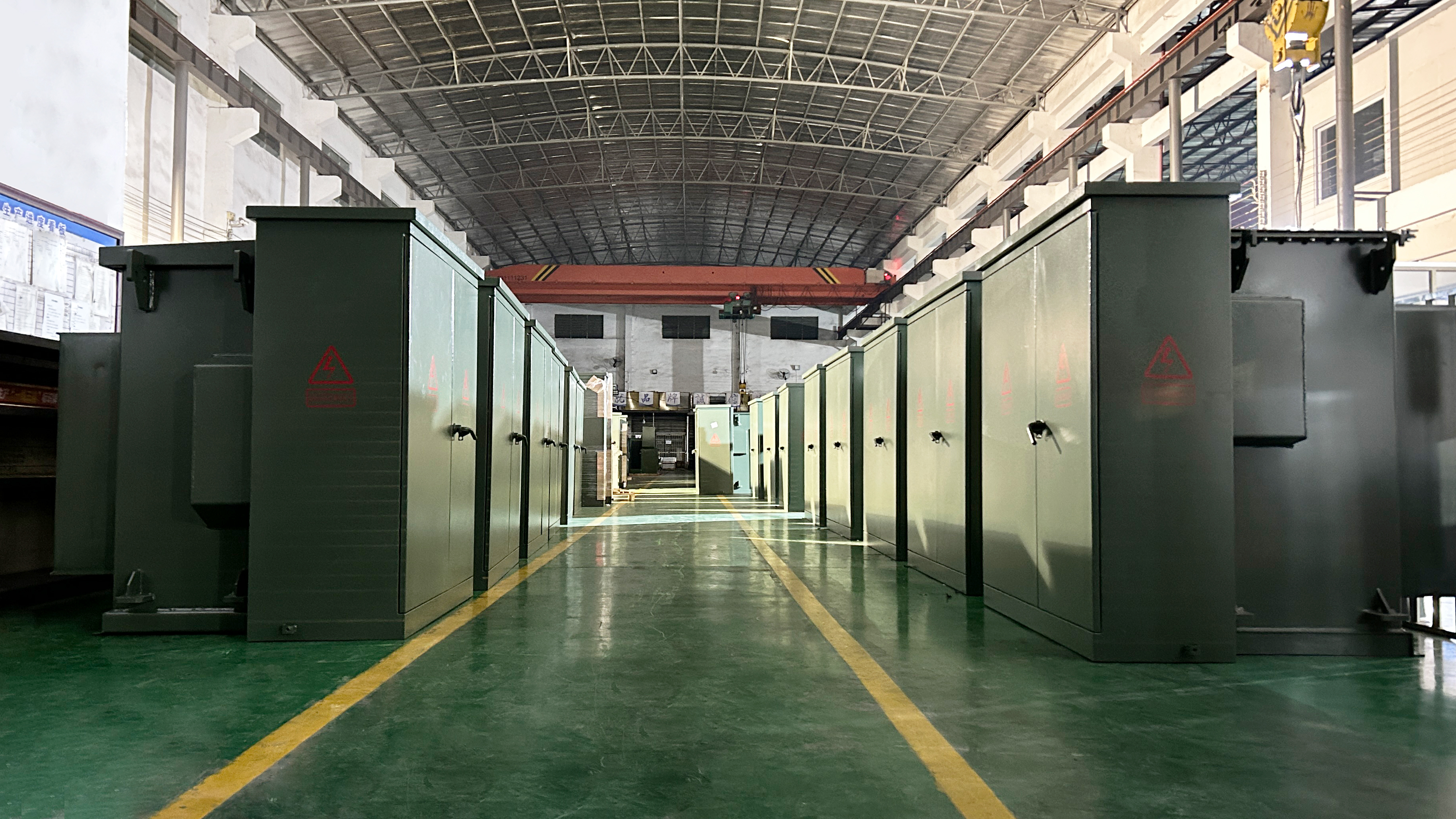
What Is a Pad Mounted Transformer and Why Does Sizing Matter?
A pad mounted transformer is a grounded, metal-enclosed distribution transformer installed on a concrete pad at ground level. It eliminates exposed live parts, making it ideal for residential neighborhoods, commercial districts, and renewable energy sites where safety and aesthetics are priorities. Available in both single phase pad mounted transformer (15–833 kVA) and three phase pad mounted transformer (75–5500 kVA) configurations, these units are typically oil-immersed (often referred to as oil type transformer or oil-immersed transformer) and must comply with North American standards such as ANSI/IEEE C57.12.00, C57.12.20, C57.12.34, CSA C227, and DOE 2016 efficiency requirements.
Incorrect sizing leads to one of two problems: an undersized transformer operates in overload, accelerates insulation aging, and risks catastrophic failure; an oversized transformer runs inefficiently at light load, wasting capital and increasing no-load losses. The solution lies in accurately calculating the connected load, applying diversity factors, and factoring in future growth.
Power Sizing: A Step-by-Step Methodology
Step 1: Determine the Connected Load (kVA)
- Sum the nameplate ratings of all equipment (motors, HVAC, lighting, etc.) that will be served.
- Convert motor horsepower to kVA: 1 HP ≈ 0.746 kW, then divide by power factor (typically 0.8) to get kVA.
- For non-linear loads (e.g., VFDs, UPS), consider the crest factor and harmonic content that may require a derating.
Step 2: Apply Diversity and Demand Factors
Not all loads operate simultaneously. Use the NEC Article 220 demand factors for residential, commercial, and industrial installations. A typical diversity factor for a mixed commercial load is 60–75%.
Step 3: Add Future Expansion Margin
Industry best practice is to size the transformer at 80–85% of its rated capacity to allow for future load growth and to avoid operating continuously at 100% load, which shortens insulation life. For example, if calculated demand is 400 kVA, a 500 kVA pad mount transformer (e.g., 500kva pad mount transformer) would be appropriate.
Step 4: Verify Voltage Regulation and Tap Settings
Most pad mounted distribution transformers offer ±2.5% or ±5% taps (off-circuit or on-load). Ensure the primary voltage matches the utility supply (e.g., 12.47 kV, 13.8 kV, 24.94 kV, 34.5 kV) and that secondary voltage (e.g., 208Y/120V, 480Y/277V) meets the load requirements.
Reference: Winley Electric’s 1500 kVA three phase pad mounted transformer range (UL/cUL listed) supports primary voltages up to 34.5 kV and secondary voltages from 208V to 480V.
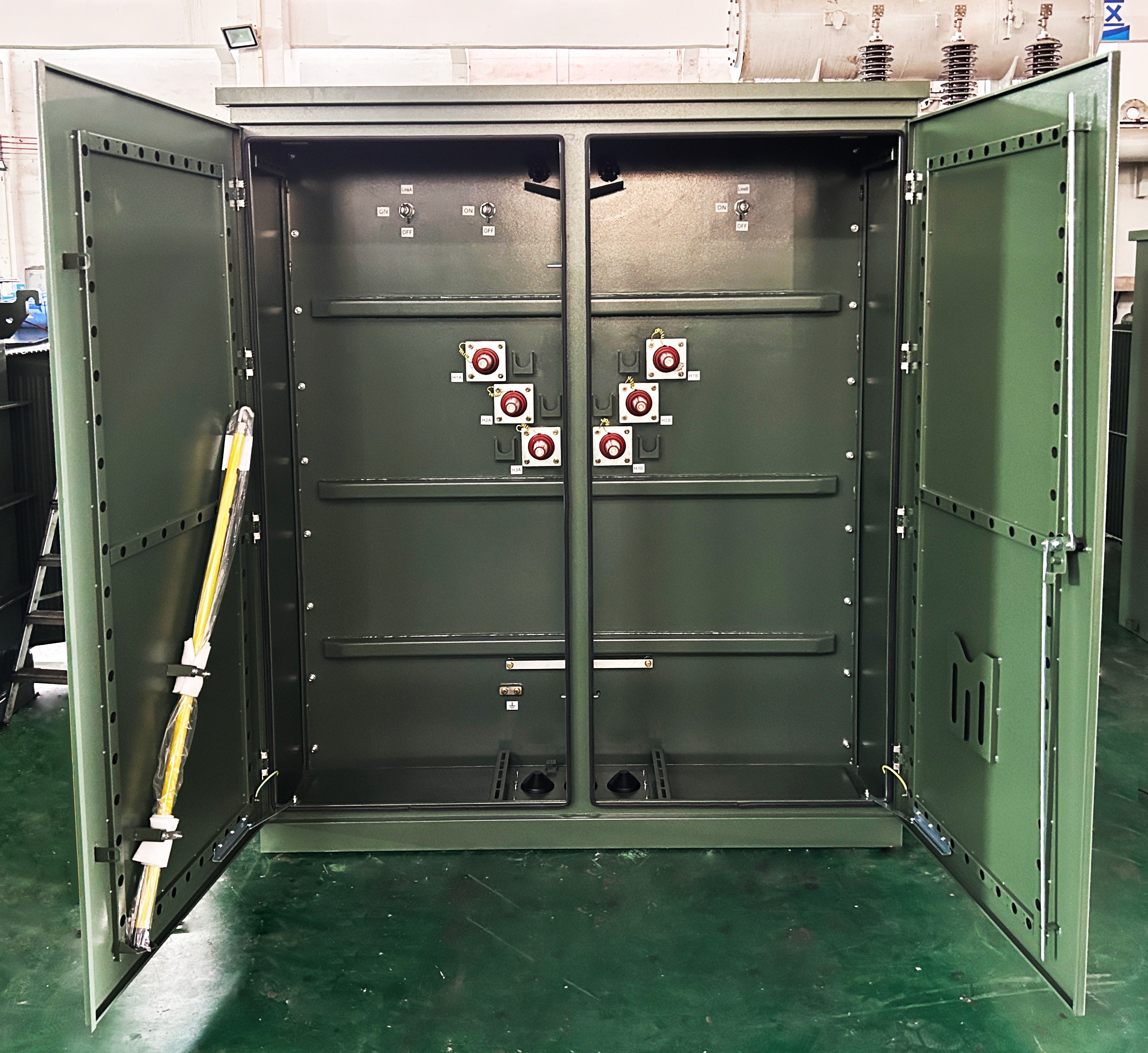
Maintenance Schedule for Pad Mounted Transformers
Unlike sealed transformers that require minimal intervention, oil-immersed pad mounted transformers still need periodic inspection to ensure long-term reliability. The table below summarizes a recommended maintenance program based on IEEE C57.93 and industry experience.
| Interval | Inspections & Tests | Purpose |
|---|---|---|
| Monthly | Visual check for oil leaks, corrosion, vandalism; reading pressure/vacuum gauge; verifying enclosure latch security. | Early detection of external anomalies. |
| Quarterly | Infrared thermography of bushing connections and tank top; checking oil level with temperature compensation. | Identify hot spots or low oil before failure. |
| Annually | Dissolved gas analysis (DGA) – sample oil and test for key gases (H₂, C₂H₂, CO, etc.); power factor and capacitance tests; check tap changer operation. | Detect internal arcing, overheating, or insulation degradation. |
| Every 5 Years | Furanic compounds analysis (for paper insulation health); sweep frequency response analysis (SFRA) for winding deformation; replace any desiccant breather. | Assess remaining life and mechanical integrity. |
| Every 10–15 Years | Rebuild or replace on-load tap changer (if applicable); major oil reclamation or replacement. | Restore performance to like-new condition. |
Common Faults and Troubleshooting Guide
Fault 1: Overheating / High Oil Temperature
- Causes: Overload, high ambient temperature, blocked cooling fins, low oil level, internal winding failure.
- Diagnostic Steps:
- Verify actual load current against nameplate rating.
- Inspect cooling fins for debris or dirt buildup; clean if necessary.
- Check oil level at the gauge; if low, inspect for leaks.
- Perform DGA to look for high levels of CO/CO₂ (paper overheating) or C₂H₂ (arcing).
Fault 2: Low Oil Level / Oil Leak
- Causes: Loose gaskets, corroded welds, damaged bushing seals, improper handling during installation.
- Diagnostic Steps:
- Locate the source of leak using a UV dye or by cleaning and monitoring.
- If leak is minor, temporarily seal with epoxy putty; schedule weld repair during planned outage.
- Top up oil with the same type (e.g., mineral oil or FR3) and re-sample for DGA.
Fault 3: Unusual Noise (Humming, Buzzing, or Cracking)
- Causes: Loose core clamping, magnetostriction harmonics, loose mounting bolts, internal partial discharge.
- Diagnostic Steps:
- Listen while walking around the transformer; use a stethoscope to pinpoint location.
- Check all bolted connections (pad anchor bolts, cabinet screws).
- If noise is high-pitched or intermittent, perform a partial discharge measurement (ultrasonic or electrical).
Fault 4: Protective Relay Trips / Loss of Voltage
- Causes: Internal short circuit (turn-to-turn, phase-to-ground), lightning surge, overvoltage, mis-coordination with upstream protection.
- Diagnostic Steps:
- Retrieve event logs from the relay (e.g., overcurrent, ground fault, differential).
- Measure insulation resistance (IR) and power factor (PF) of windings.
- Perform turns ratio test (TTR) to identify shorted turns.
- If the transformer cannot be re-energized, arrange for factory repair or replacement with a certified unit like those from Winley Electric (UL/cUL listed).
How to Evaluate Supplier Capacity and Delivery Reliability
A manufacturer’s ability to deliver pad mounted transformers on time depends on production throughput, raw material availability, and quality control. Here is a checklist for procurement professionals:
1. Production Capacity
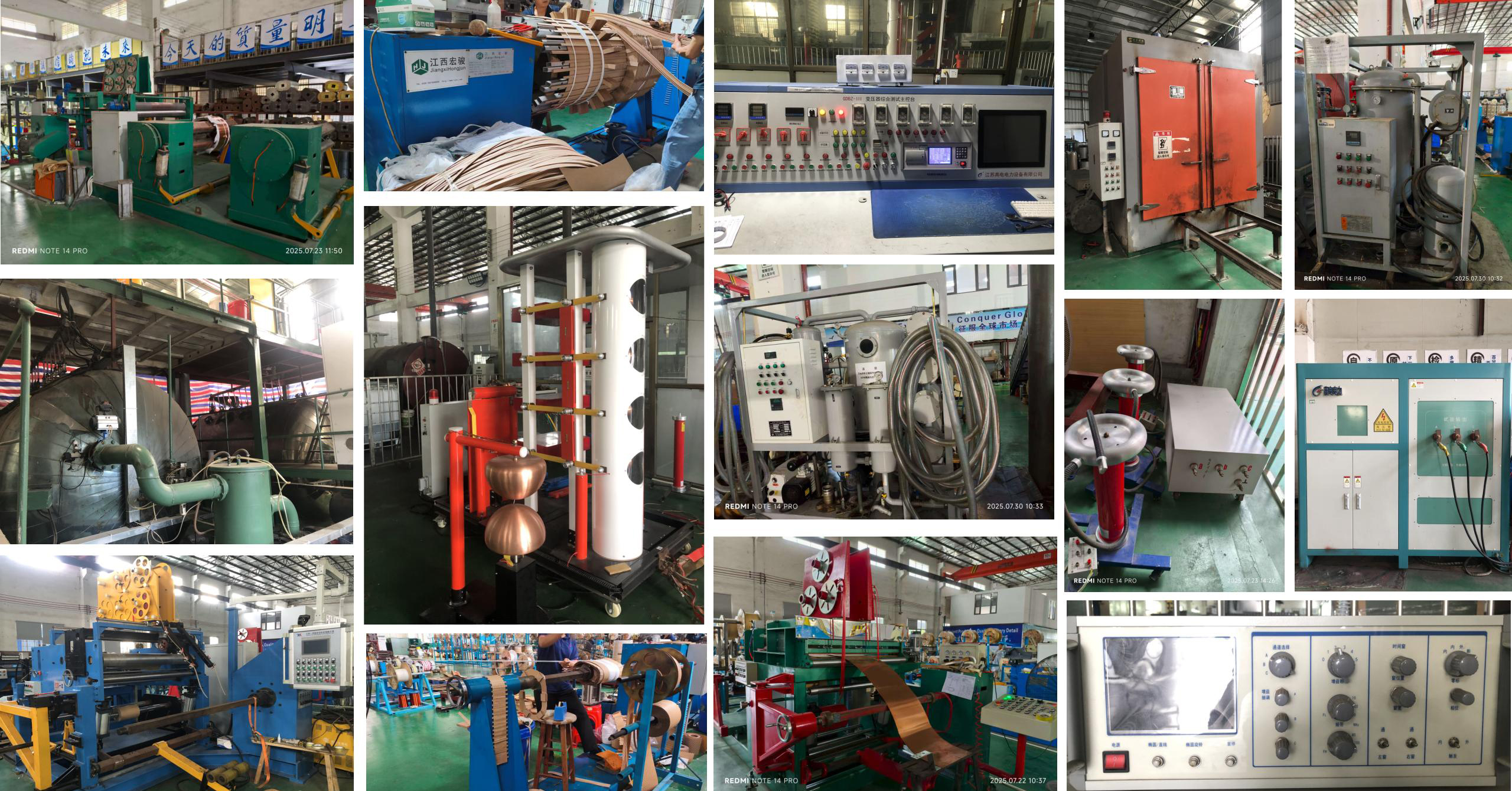
- Ask for annual output figures. For example, Winley Electric produces over 35,000 transformer units per year across its two factories (Shanghai and Guangdong) with a total area of 45,000 m² and 220 employees, of which 80% have 3+ years of experience.
- Check whether the factory can run parallel production lines for different models (single phase vs. three phase, oil-filled vs. dry-type).
2. Lead Time
- Standard lead times for ANSI/IEEE compliant pad mounted transformers typically range from 8 to 16 weeks for small batches. Winley Electric states a standard lead time of 30 days for orders after design approval.
- Real case: A Canadian project involving 153 units of single-phase pole-mounted transformers (15, 25, 50 kVA) was completed in just 7 weeks from order to container loading – demonstrating exceptional supply chain agility.
3. Quality Assurance
- Look for third-party certifications: UL listed pad mounted transformer, cUL certified pad mounted transformer, compliance with ANSI standard pad mount transformer and IEEE standard pad mount transformer.
- Winley Electric holds UL/cUL certifications for both single-phase (UL-US-2564931-0, UL-CA-2548224-0) and three-phase pad mounted transformers (UL-US-2431836-0, UL-CA-2423202-0), plus ISO 9001, ISO 14001, and CE.
- Production processes include mandatory hold points: authorized quality control personnel must inspect and sign off before irreversible steps (e.g., core assembly, vacuum oil filling). This prevents defects from propagating.
4. Customization and Engineering Support
- A manufacturer with 35 R&D engineers (like Winley Electric) can customize voltage taps, enclosure types (NEMA 1/3R/4), HV/LV bushing configurations, and special coatings for coastal or high-altitude environments.
Winley Electric delivered 31 three-phase pad mounted transformers (2,550 kVA and 3,750 kVA, 34.5 kV / 12.87 kV) for a North American client. The batch was produced within the agreed lead time, meeting UL/cUL standards and DOE 2016 efficiency. This demonstrates the company's ability to handle large-volume, mixed-specification orders without compromising quality.
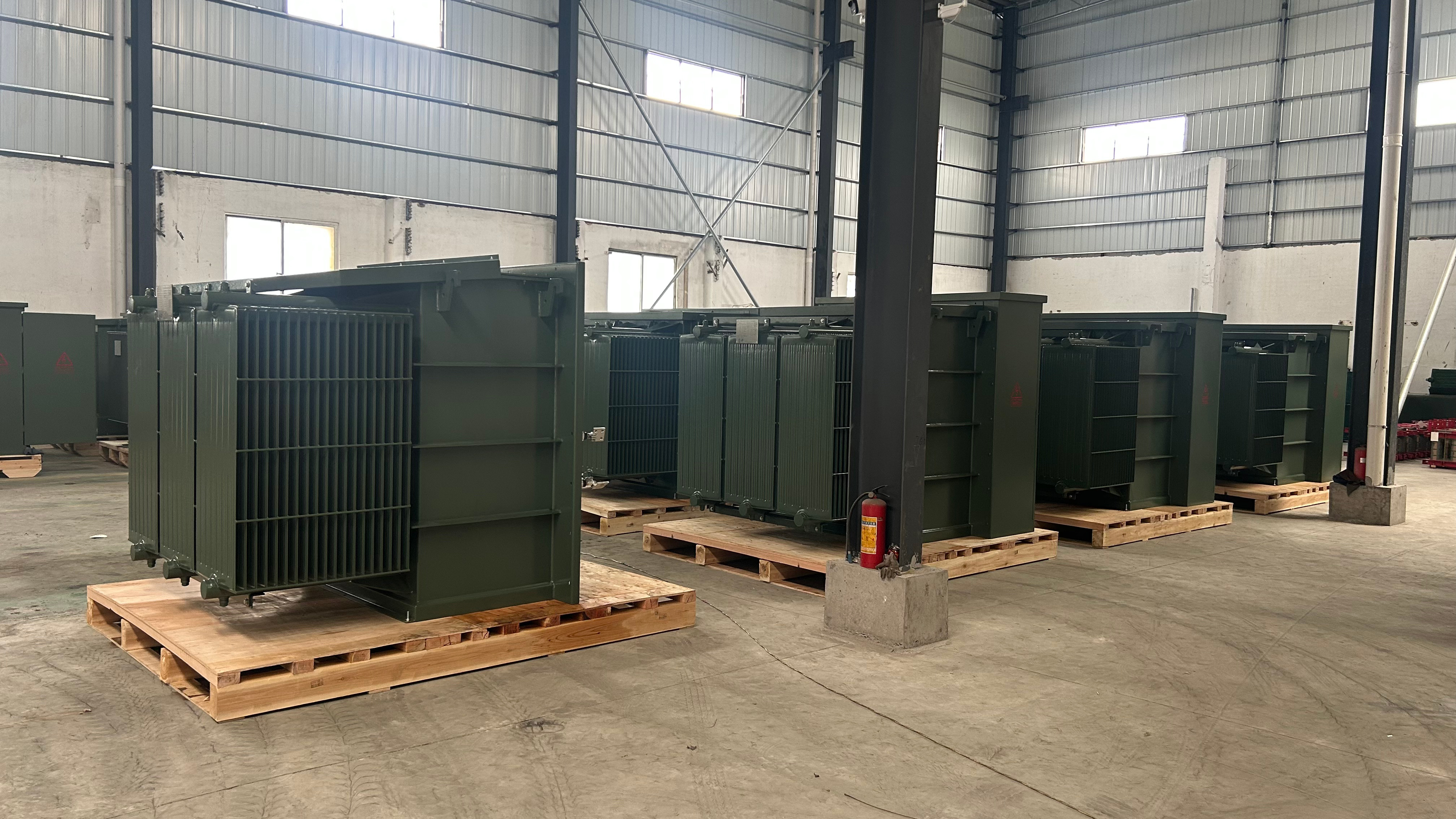
A Canadian utility ordered 153 single-phase pole-mounted transformers (15/25/50 kVA) for residential distribution. Winley Electric completed the entire process – from design confirmation to container loading – in only 7 weeks. The units complied with CSA C2.2-06 and were UL/cUL certified, enabling direct grid connection in both Canada and the USA.
Frequently Asked Questions (FAQ)
What is a pad mounted transformer?
A pad mounted transformer is a grounded, metal-enclosed distribution transformer installed on a concrete pad. It is used in utility, commercial, and solar applications for voltage step-down (or step-up) and is typically oil-immersed. It meets ANSI/IEEE/CSA standards and is available in single-phase (15–833 kVA) and three-phase (75–5500 kVA) configurations.
How do I choose between a 50 kVA pad mounted transformer and a 75 kVA unit?
Calculate your connected load with diversity factors, then add a 20–25% margin for future growth. If the calculated demand is around 60 kVA, a 75 kVA pad mounted transformer is more appropriate than a 50 kVA unit to avoid overload.
What maintenance does a pad mounted transformer require?
Monthly visual inspections, quarterly infrared thermography, annual dissolved gas analysis (DGA), and every 5 years a Furan analysis and SFRA. Oil level and leaks should be checked regularly.
How can I be sure a supplier can deliver on time?
Request their annual production capacity (e.g., Winley Electric: 35,000 units/year), standard lead time (30 days), and references of similar-sized projects. The 153-unit Canadian project delivered in 7 weeks is a strong proof point.
Are Winley Electric’s transformers certified for North America?
Yes, Winley Electric’s pad mounted transformers are UL listed and cUL certified for both single-phase and three-phase liquid-filled types. They also comply with ANSI/IEEE C57, CSA C227, and DOE 2016 efficiency standards.
Conclusion
Selecting the correct pad mounted transformer involves more than just matching voltage and kVA – it requires a deep understanding of load characteristics, maintenance best practices, and fault response. Equally important is partnering with a manufacturer that has proven production capacity and delivery reliability. Winley Electric, with its UL/cUL certifications, 35,000-unit annual capacity, 30-day lead time, and successful projects in North America (including 153 units in 7 weeks and 31 units of large three-phase transformers), offers a compelling option for buyers who demand quality and schedule certainty.
For procurement professionals evaluating pad mounted transformer manufacturers, the criteria outlined here – capacity, lead time, certification, quality control – will help you avoid supply chain risks and ensure your distribution network stays energized.