A Vertical Procurement Guide: Selecting Water Quality Sensor Manufacturers for Specialized Industrial Applications in 2026
A Vertical Procurement Guide: Selecting Water Quality Sensor Manufacturers for Specialized Industrial Applications in 2026
For industrial procurement professionals, selecting a water quality sensor manufacturer requires moving beyond generic specifications to evaluate a supplier's ability to meet the unique and often stringent demands of specific vertical markets. This guide outlines the core requirements for key industries, essential supplier capabilities, and practical steps for successful collaboration, with insights drawn from the operational experience of manufacturers like KACISE.
Core Challenge: Standard sensors often fail in specialized environments due to corrosion, fouling, extreme conditions, or strict regulatory compliance needs. A manufacturer's experience within your specific industry is a critical, non-negotiable selection criterion.
1. Industry-Specific Requirements for Water Quality Sensors
Different industrial environments impose distinct technical and regulatory demands on monitoring equipment. Understanding these is the first step in supplier evaluation.
| Industry | Core Requirements | Typical Parameters & Standards |
|---|---|---|
| Petrochemical & Oil Refining | Explosion-proof certification (e.g., ATEX, IECEx), high resistance to hydrocarbons, measurement of oil-in-water content, and compatibility with aggressive chemicals. | Oil-in-water (0-50ppm), COD, pH, ORP. Sensors require 316L stainless steel or titanium alloy construction. |
| Chemical Manufacturing | Extreme corrosion resistance, often requiring PTFE-coated or specialized alloy wetted parts. Sensors must withstand wide pH ranges and high-conductivity solutions. | pH (0-14), Conductivity (0-200mS/cm), specific ion concentration (e.g., Chloride). Material certification for chemical compatibility is essential. |
| Pharmaceutical & Food & Beverage | Sanitary design with clean-in-place (CIP) compatibility, materials compliant with FDA or similar regulations, and high-precision measurement for process validation. | Conductivity for purified water (0.01~200µS/cm), dissolved ozone (0~20mg/L), residual chlorine. Sanitary clamp connections are often required. |
| Aquaculture & Marine Monitoring | Saltwater corrosion resistance (IP68), biofouling prevention, low-maintenance design, and accurate measurement in high-salinity, high-organic environments. | Dissolved Oxygen (0-20mg/L), Salinity (0-72ppt), Ammonia Nitrogen (0–100mg/L), Turbidity. Fluorescence-based DO sensors are preferred for stability. |
| Municipal & Industrial Wastewater | Robust construction for high-turbidity and abrasive fluids, anti-fouling design with self-cleaning mechanisms, and compliance with local environmental reporting standards. | COD (0-1500mg/L), Ammonia Nitrogen, TSS (0-10000mg/L), Turbidity, pH. Sensors must offer RS485/Modbus output for SCADA integration. |
2. Three Essential Capabilities for a Specialized Supplier
When evaluating manufacturers, prioritize these three non-negotiable capabilities that directly impact long-term reliability and compliance.
A. Demonstrated Industry Customization Experience
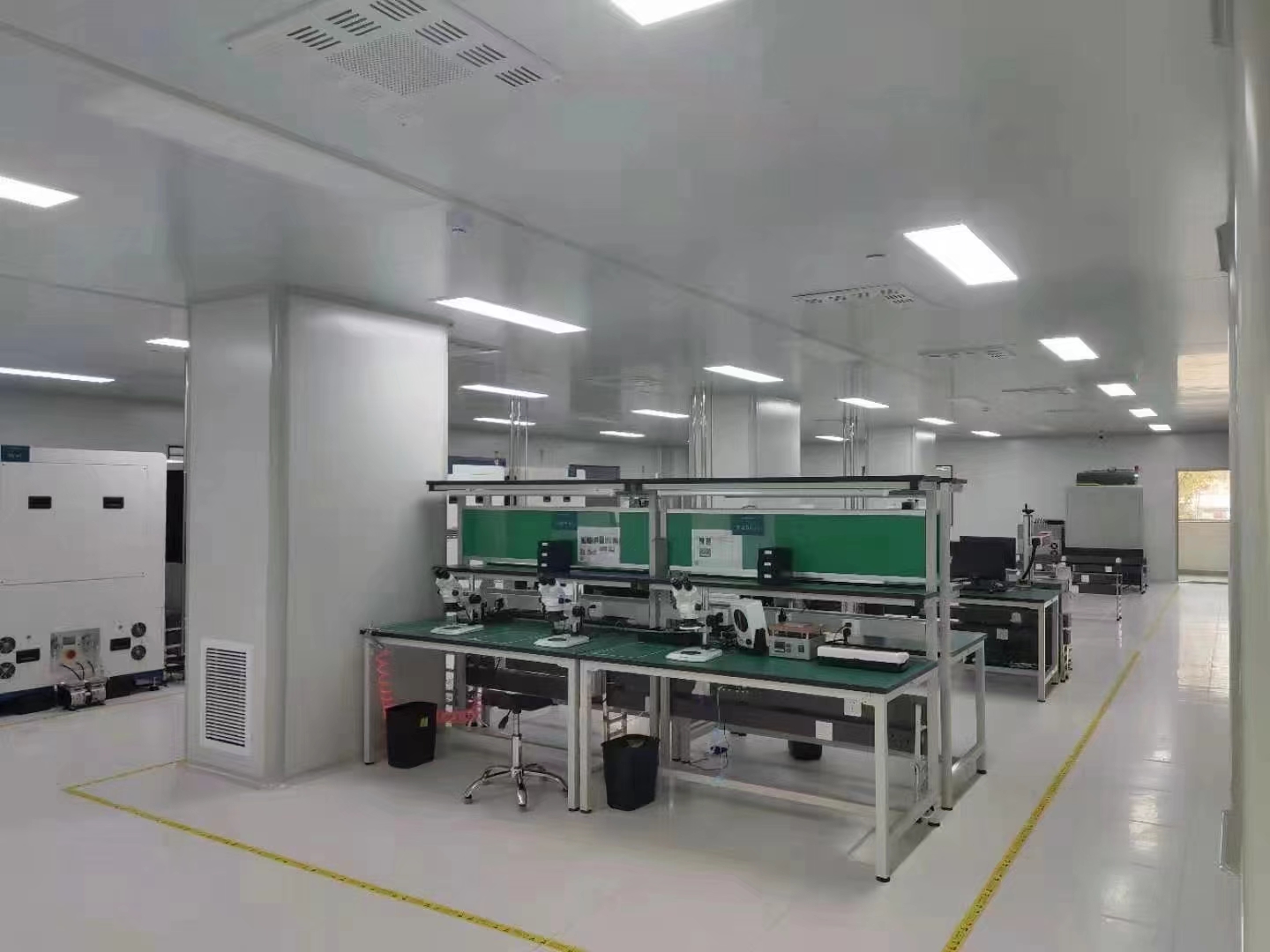
A supplier should provide evidence of past projects in your sector. For instance, a manufacturer like KACISE has deployed sensors in diverse settings, from chemical plants requiring PTFE-coated probes for acid storage to aquaculture farms using fluorescence dissolved oxygen sensors for shrimp farming. This history indicates an understanding of real-world application challenges beyond catalog specifications.
B. Comprehensive Compliance and Certification Portfolio
Valid certifications are objective proof of a product's suitability for regulated environments. Key certifications to request include:
CE-EMC (EN IEC 61326-1:2021)
CE-EMC (EN 55011:2016+A2:2021)
Utility Model Patents
For example, KACISE holds a CE certificate (ZTS23061509TCE) for its water quality sensors, confirming compliance with EU electromagnetic compatibility standards, which is fundamental for industrial integration.
C. Engineered for Harsh and Specific Environments
Design features must address common failure points. This includes:
- Material Selection: Use of 316L stainless steel, titanium alloy, or POM for wetted parts to resist corrosion.
- Protection & Design: IP68 rating for submersion, built-in automatic cleaning brushes (e.g., on turbidity or COD sensors) to combat fouling, and anti-vibration housing.
- Output & Integration: Standardized digital outputs like RS485 with Modbus protocol for seamless connection to PLCs and SCADA systems.
3. Case Study: Multi-Parameter Monitoring for a Municipal Wastewater Plant
Client: A municipal water authority in the United States.
Challenge: Continuous, reliable monitoring of high-turbidity wastewater effluent for regulatory compliance, with minimal maintenance downtime.
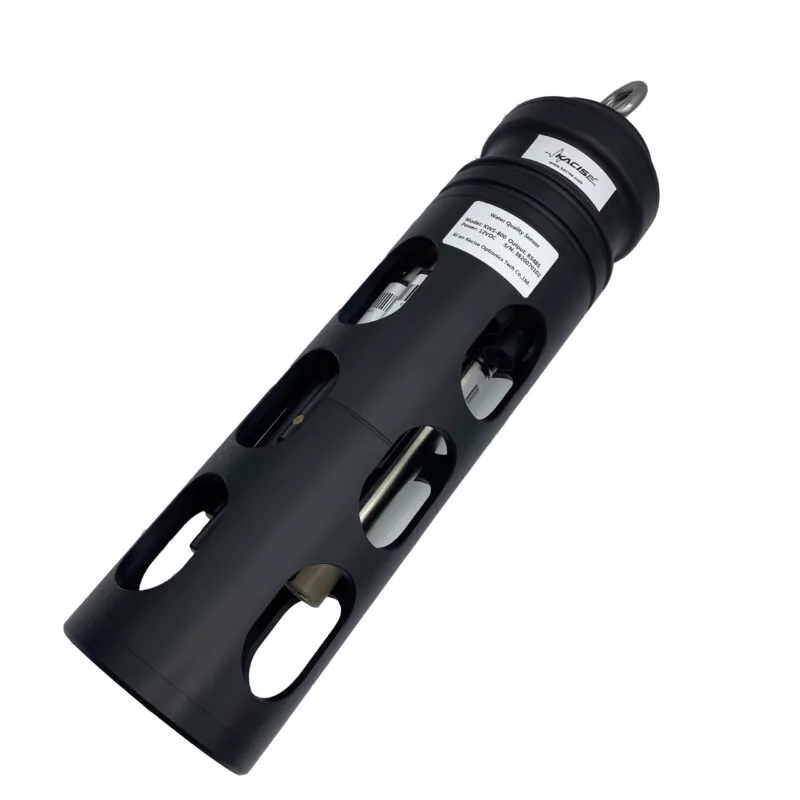
Solution: Deployment of 35 units of an online multi-parameter water quality monitoring system, specifically the KWS-800 series, capable of measuring parameters like COD, ammonia nitrogen, dissolved oxygen, pH, and turbidity in a single, integrated probe.
Technical Highlights: The system featured an anti-fouling optical design, automatic cleaning device, and RS485 (Modbus) output for direct SCADA integration. The sensor construction used titanium alloy and 316L stainless steel for durability.
Result: The system provided three years of stable operation, enabling consistent environmental reporting and reducing the frequency of manual sampling and probe maintenance.
4. Strategic Collaboration: Key Points for Procurement Success
A successful partnership extends beyond the initial purchase. Engage potential suppliers on these points during the evaluation phase.
A. Define Industry and Application Standards Upfront
Clearly communicate all applicable regulatory standards (e.g., EPA, EU directives), required communication protocols (Modbus, Profinet), and material certifications. Provide the supplier with detailed fluid composition data, including temperature, pressure, pH, and presence of abrasives or oils.
B. Insist on Pre-Shipment Validation
Reputable manufacturers implement rigorous quality control. For example, KACISE's production process includes 100% testing of units. Procurement contracts should stipulate pre-shipment testing reports and, where possible, video documentation of the functional test simulating your specific conditions.
C. Clarify After-Sales and Contingency Support
Discuss the supplier's support structure. Key questions include: Is remote configuration and diagnostics available? What is the lead time for replacement parts or probes? Do they offer training for your technical staff? A supplier with a 70% export ratio, like KACISE, typically has established protocols for international remote support.
Procurement Takeaway: The most cost-effective sensor is the one that operates reliably in your specific environment for its entire lifecycle. Prioritize suppliers who demonstrate vertical industry expertise, back their products with verifiable certifications, and are prepared to collaborate deeply on application engineering and long-term support.
As of April 2026, the trend in industrial water quality monitoring continues toward integrated, robust, and smart sensor systems. Selecting a manufacturer aligned with these specialized demands is a strategic decision that ensures operational continuity, regulatory compliance, and a strong return on investment.