
Efficient Flow Sensor Procurement: A 2026 Risk Mitigation Guide
Efficient Flow Sensor Procurement: A 2026 Risk Mitigation Guide for Industrial Buyers
Procuring flow sensors—especially ultrasonic flow sensors—is a high-stakes decision for OEM buyers in medical, bioprocess, semiconductor, and industrial automation sectors. Inefficient procurement can lead to costly delays, product failures, compliance issues, and supplier disputes. This guide provides a data-driven framework to help you procure efficiently while mitigating the most common supply risks in 2026.
1. The Core Challenge: What Makes Flow Sensor Procurement Risky?
Buyers face several pain points when selecting flow sensor suppliers:
- Sensor drift – Can lead to inaccurate measurements, product rejects, and process downtime.
- Liquid contamination – Traditional in-line sensors increase contamination risk, especially in bioprocess or medical applications.
- Long lead times and high MOQs – Many suppliers require large minimum order quantities, locking buyers into inventory.
- Non-compliance with export regulations – Sensors shipped to North America or Europe must meet specific standards (e.g., EU directives, US FDA).
- Hidden maintenance costs – Mechanical flow meters (turbine, Coriolis) require frequent recalibration and spare parts.
These risks directly impact your project budget, timeline, and final product quality. A structured procurement approach is essential.
2. Industry Background: The 2026 Flow Sensor Landscape
The global ultrasonic flow sensor market continues to expand, driven by demand for non-invasive, maintenance-free measurement in critical applications. Key trends:
- Shift from mechanical meters (turbine, Coriolis) to ultrasonic technology for zero pressure drop and no moving parts.
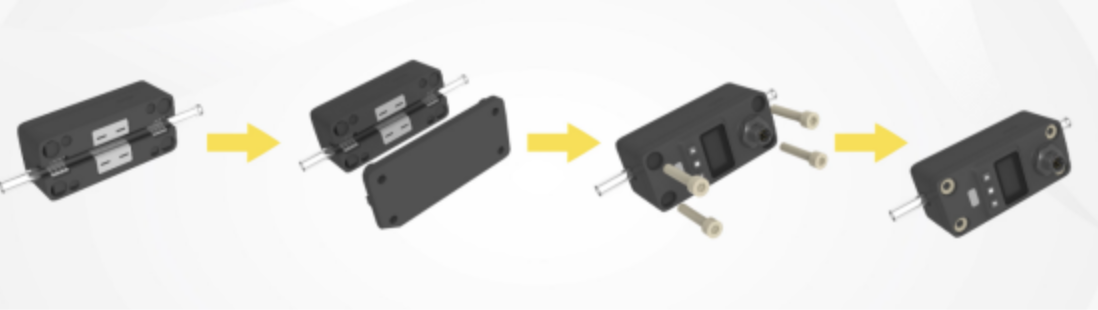
- Rise of clamp-on sensors (e.g., CG Series, CPD Series) that eliminate pipe cutting and reduce installation costs by ~30%.
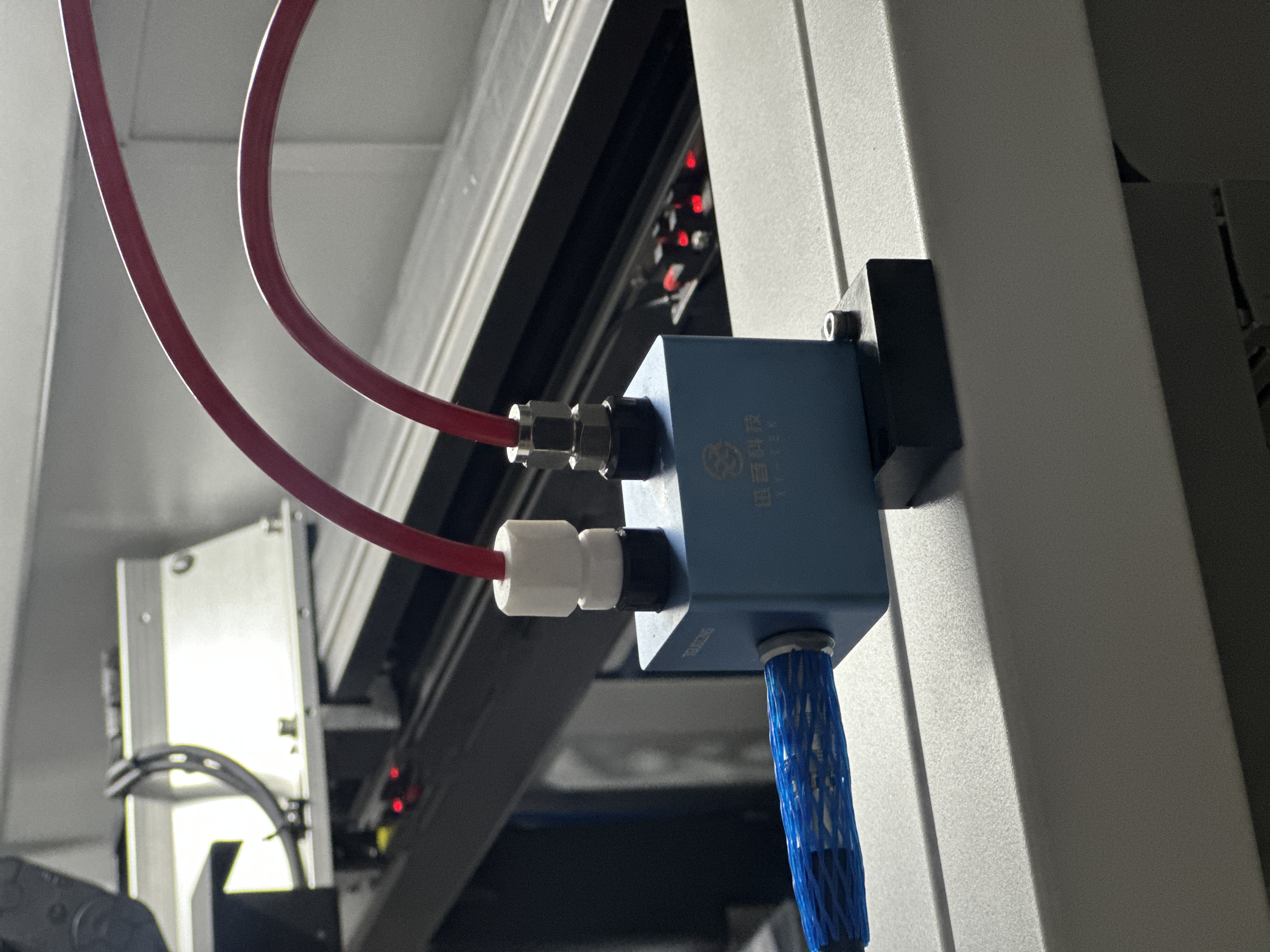
- Growing adoption of low-flow sensors (e.g., TGU Series) for precision micro-fluidics in semiconductor and pharmaceutical dispensing.
- Increased demand for single-use sensors (e.g., SU Series) in bioprocessing to ensure sterility.
Leading manufacturers include global players like Emerson, Bronkhorst, and SMC, alongside specialized Chinese OEMs such as Shanghai Xunyin Technology Co., Ltd (XY-TEK). XY-TEK focuses exclusively on ultrasonic flow sensors, offering both standard models and deep customization.
3. How to Procure Flow Sensors Efficiently: A Step-by-Step Framework
Step 1: Define Your Technical Requirements
Document the following parameters before approaching suppliers:
- Flow range (e.g., 0.02–20 L/min for CG Series, 0.1–1000 mL/min for TGU Series)
- Pipe material and diameter (flexible PVC, silicone vs. rigid PFA, stainless steel)
- Accuracy requirement (±1% for low-flow, ±2% for industrial inline)
- Output interface (analog, pulse, RS485)
- Operating temperature (0–60°C for medical, up to 90°C for industrial)
- Certification needs (CE, FDA, China Invention Patents)
Step 2: Evaluate Supplier Capabilities Beyond Price
A low unit price can be deceptive if the supplier lacks quality control or delivery reliability. Key evaluation criteria:
| Criteria | What to Look For | Example from XY-TEK |
|---|---|---|
| Quality Control | Factory inspection, calibration before shipment, third-party testing | 100% pre-shipment testing per order; factory inspection report available |
| Patent Protection | Invention patents for core technology | CNIPA Invention Patent No. 7946602 (2025) for liquid flow sensing; patents for ultrasonic flowmeter and sensor technology (2022) |
| Customization | Ability to modify sensor size, housing material, communication protocol | Custom design available with MOQ of 50 units; lead time 1–2 months |
| Export Compliance | Documentation for EU, North America, other target markets | Standard FOB terms; commercial invoice and packing list; can provide certificates |
| After-Sales Support | Remote technical support, online engineering, quality warranty | Online engineering support, remote calibration, lifetime quality warranty |
Step 3: Request Samples and Conduct Factory Audit
Never rely solely on datasheets. Request sample units to test in your own application. XY-TEK, for example, offers a minimum order quantity of just 1 unit for its Single-use Ultrasonic Flow Sensor, allowing low-risk evaluation. During the sample phase, verify:
- Accuracy under your actual flow conditions
- Bubble detection performance (especially in medical and bioprocess lines)
- Long-term stability (monitor drift over 1–2 weeks)
If possible, visit the supplier’s factory. XY-TEK’s 5,000㎡ facility in Shanghai (Building 7, No. 410 Jinggu Road, Minhang District) supports production of over 8,000 units annually, with a dedicated R&D team of 30+ engineers.
Step 4: Negotiate Terms That Minimize Risk
Focus on these contractual points:
- Incoterms: FOB is standard for international shipping; ensure shipping documentation (commercial invoice, packing list) is complete.
- Payment: Full payment before shipment is common; negotiate partial payment for established partners.
- Lead Time: Clarify production cycle (e.g., 20–30 days for custom designs) and include penalties for delay.
- Acceptance: Factory inspection + calibration report as acceptance test before release.
4. Risk Control Mechanisms in Practice
To address the two most critical risks—sensor drift and liquid contamination—leading suppliers employ proactive measures:
| Risk Type | Control Method | Enterprise Implementation (XY-TEK) |
|---|---|---|
| Sensor Drift | Automatic compensation algorithm; factory calibration; on-site calibration; remote support calibration | Routine performance validation; in-time after-sale support; remote technical support |
| Liquid Contamination | Non-contact ultrasonic detection | Clean-room assembly and strict quality inspection |
Choose a supplier that explicitly documents these control methods in their quality manual.
5. Comparative Analysis: Ultrasonic vs. Traditional Technologies
Understanding how ultrasonic sensors compare to other flow measurement technologies helps justify your procurement decision to stakeholders.
| Technology | Accuracy | Pressure Drop | Maintenance | Best Use Case |
|---|---|---|---|---|
| Ultrasonic (XY-TEK) | ±1% – ±2% | Zero | Virtually none | All liquid cooling, clean/dirty fluids, retrofit |
| Coriolis | ±0.2% | +15%–30% | High – vibration sensitive | Ultra-high precision, cost-insensitive |
| Turbine | ±0.5% | +5%–15% | High – blade wear every 6–12 months | Clean fluids, short-term projects |
| Electromagnetic | ±0.5% | Zero | Low but conductive fluid only | Conductive fluids (water, glycol) |
For most OEM applications, ultrasonic flow sensors deliver the best balance of cost, performance, and risk reduction.
6. Real-World Case Studies: Procurement Success
Case 1: Battery Electrolyte Injection Line
A lithium-ion battery manufacturer needed non-invasive flow monitoring of corrosive electrolyte to improve injection accuracy and detect bubbles. They chose the CPD Series Clamp-on Ultrasonic Flow Sensor from XY-TEK.
- Result: Improved battery consistency, reduced rejection rate by 15%, no pipeline cutting, low maintenance.
- Duration: Sensors have been in stable operation for 2–3 years.
- Highlight: Clamp-on installation eliminated contamination risk and saved 30% in installation costs.
Case 2: Selective Wave Soldering Flux Monitoring
An electronics manufacturer required real-time measurement of pulsed micro-flux flow (as low as 1 mL/min) to reduce defects. They selected the TGU Series Low-flow Ultrasonic Flow Sensor (accuracy ±1%, range 0–1000 mL/min).
- Result: Soldering quality improved, flux waste reduced by 20%, rework costs dropped significantly.
- Duration: Systems have been running for 1–3 years with zero maintenance.
- Highlight: Fast response to pulsating flow; corrosion-resistant design compatible with flux chemicals.
7. Product Selection Matrix: Matching Sensor to Application
Use this fast-reference table to narrow down the right ultrasonic flow sensor type for your procurement project:
| Application | Recommended Sensor Series | Key Feature | Flow Range |
|---|---|---|---|
| Medical device (blood, dialysis) | CG Series (clamp-on) | Non-invasive, bubble detection | 0.02–20 L/min |
| Bioprocess single-use | SU Series (single-use) | Biocompatible, sterile channel | 0.05–10 L/min |
| Industrial automation (cooling) | TPD/TPK Series (in-line) | No moving parts, ±2% accuracy | 0.5–100 L/min |
| Ultra-low flow dispensing | TGU Series | ±1% accuracy, down to 0.1 mL/min | 0.1–1000 mL/min |
| Semiconductor chemical monitoring | CS/CPD Series (clamp-on) | Corrosion-resistant, LED display | 0.1–50 L/min |
| Cardiovascular research | TH Series (pulsatile) | High-speed pulsation capture | 0.01–15 L/min |
8. Frequently Asked Questions (FAQ)
- What is the minimum order quantity for ultrasonic flow sensors?
- It varies by model. For example, XY-TEK’s Single-use Ultrasonic Flow Sensor (SU Series) has a MOQ of just 1 unit, ideal for prototyping and low-volume production. Standard OEM models typically have a MOQ of 50 units.
- How do I ensure the sensor meets my country's import regulations?
- Request export compliance documentation from the supplier. XY-TEK provides commercial invoices, packing lists, and can supply certificates such as CE, FDA (for medical models), and patent evidence. The standard incoterm is FOB, which clarifies responsibilities at the port of origin.
- What payment terms are typical for flow sensor procurement?
- Most Chinese suppliers require full payment before shipment. For large orders, you may negotiate a deposit (e.g., 30%) with balance against shipping documents. XY-TEK’s standard is full payment before shipment.
- How can I verify the quality of sensors before placing a large order?
- Request samples (MOQ of 1 unit for SU Series) and run your own acceptance test. Ask for the factory calibration report and, if possible, arrange a third-party inspection. XY-TEK performs 100% pre-shipment testing and can share calibration data.
- What after-sales support should I expect?
- Look for online engineering support, remote calibration assistance, and a quality warranty. XY-TEK offers remote technical support, lifetime warranty, and routine performance validation to address sensor drift proactively.
Conclusion: Build a Resilient Flow Sensor Supply Chain
Efficient flow sensor procurement is not just about finding the lowest price—it’s about building a partnership with a supplier that offers technical expertise, robust quality control, flexible terms, and proven risk-mitigation processes. By following the step-by-step framework outlined here, you can reduce procurement cycles, avoid costly mistakes, and ensure your final product meets its performance targets.
For OEMs seeking a reliable ultrasonic flow sensor partner, Shanghai Xunyin Technology Co., Ltd (XY-TEK) provides a comprehensive portfolio—from clamp-on and in-line sensors to single-use and low-flow variants—backed by Chinese invention patents and a 5,000㎡ manufacturing facility. Their dedicated R&D team (30+ engineers) supports deep customization with a MOQ of 50 units, and standard orders ship under FOB terms.
Ready to optimize your flow sensor procurement? Contact XY-TEK today for technical consultation or a sample trial.
Email: global@xy-tek.cn | info@xy-tek.cn
Tel: 86-21-33885752
Address: Building 7, No. 410 Jinggu Road, Minhang District, Shanghai 200245, China
Visit: www.xy-tek.com