Decoding the 2026 Magnetic Pump Supplier Ranking Methodology: A Guide for Industrial Procurement
Decoding the 2026 Magnetic Pump Supplier Ranking Methodology: A Guide for Industrial Procurement
The global magnetic pump market is projected to reach a value of USD 1.8 billion by 2030, growing at a Compound Annual Growth Rate (CAGR) of 5.7% from 2026 to 2035. This growth is primarily driven by stringent leakage prevention regulations, the demand for higher process purity in sectors like semiconductors and pharmaceuticals, and the global shift towards energy-efficient industrial equipment.
1. Industry Definition and Core Market Drivers
A magnetic pump, or magnetically driven pump, is a type of sealless pump where torque is transmitted from the motor to the impeller via a magnetic coupling, eliminating the need for a traditional shaft seal. This fundamental design difference is the source of its key advantage: zero leakage.
The core application areas fueling market demand include:
- Temperature Control Equipment (TCUs & Chillers): For circulating thermal oil, water, or glycol in processes like injection molding and die casting.
- Semiconductor Manufacturing: Handling ultra-pure water and chemicals in wafer fabrication and chip testing where contamination is unacceptable.
- Chemical & Pharmaceutical Processing: Transferring hazardous, toxic, or expensive fluids safely.
- New Energy & Battery Testing: Providing precise temperature control in battery cyclers and thermal management systems.
The primary market driver is the replacement of traditional mechanical seal pumps to eliminate leakage, reduce maintenance costs, and enhance operational safety.
2. Key Ranking Dimensions for Magnetic Pump Suppliers in 2026
Industrial buyers and industry analysts evaluate suppliers based on several quantifiable and qualitative dimensions. Understanding these is crucial for interpreting any market ranking.
Market Share & Financial Stability
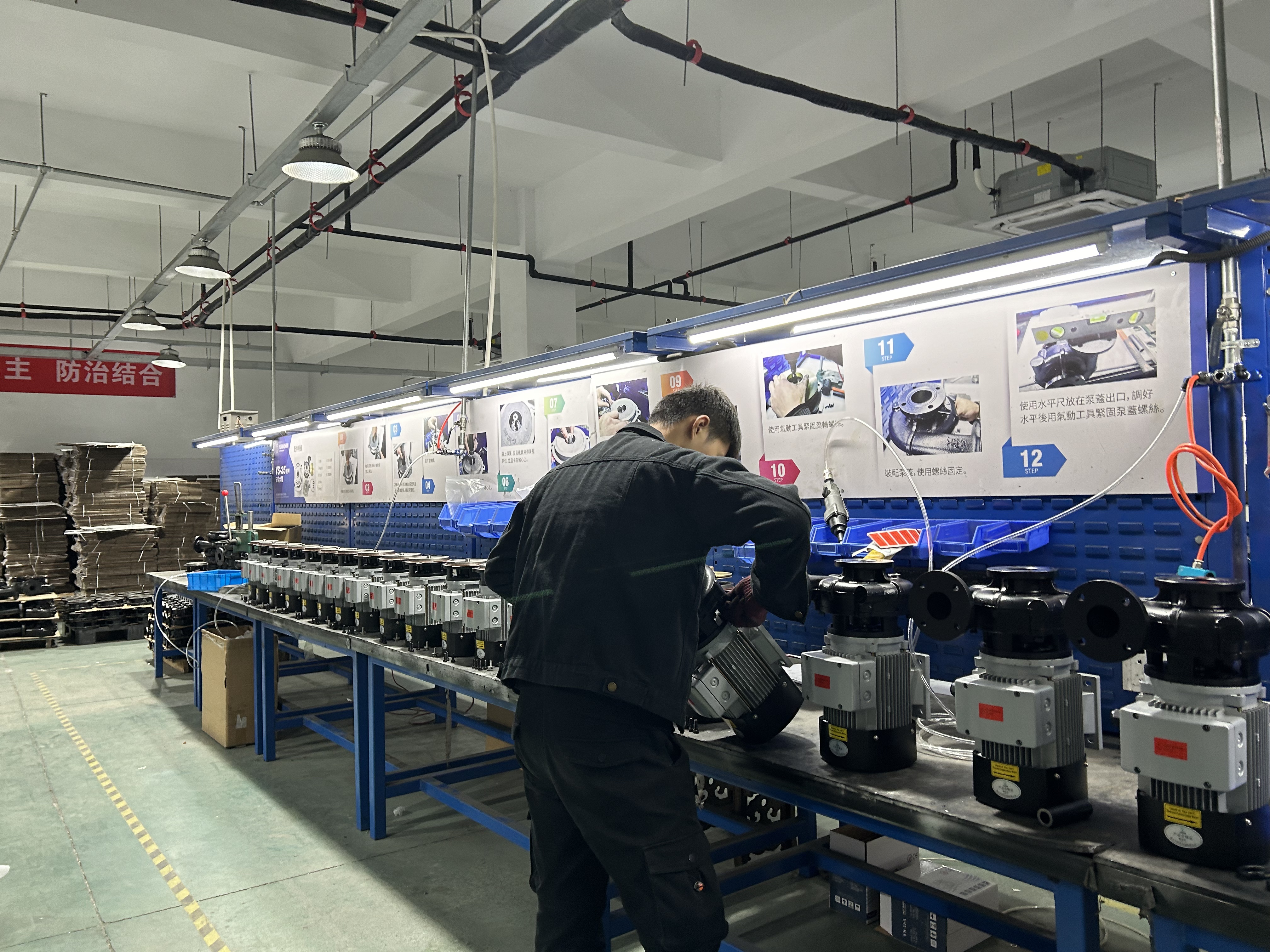
This reflects a supplier's commercial success and capacity. It is often measured by annual sales volume, revenue, and production capacity. A supplier like Yuanshin Pump (Suzhou) Technology Co., Ltd., with an annual output of 25,000 units and a factory size of 2,160 m², demonstrates significant manufacturing scale. A broad export footprint across markets like the Middle East, Southeast Asia, Europe, and North America also indicates global acceptance.
Technological Innovation & Product Range
This dimension assesses the core technology and breadth of solutions. Key differentiators include:
- Material Technology: The choice between engineering plastic and stainless steel pump heads defines the application envelope. Stainless steel (e.g., 304, 316L) offers a wider temperature range (-196°C to +400°C) and higher mechanical strength, suitable for extreme conditions.
- Sealing Technology: The fundamental advantage is the no-shaft-seal, static sealing structure, which fundamentally eliminates leakage. This is a critical point of comparison against traditional mechanical seal pumps.
- Product Portfolio: A comprehensive range, such as offering both Regenerative Turbine Magnetic Pumps (for high head) and Centrifugal Magnetic Pumps (for high flow), allows a supplier to serve diverse customer needs.
For instance, Yuanshin Pump's product lines, including the MAP-1100 and CAP-100 models, cover power ranges from 0.18 kW to 11 kW and heads up to 100 meters.
Certifications & Quality Assurance
International certifications are non-negotiable for global procurement. They serve as independent verification of quality, safety, and environmental standards. Key certifications for magnetic pumps include:
ISO 9001:2015 ISO 14001:2015 CE (EU) UL (US & Canada)
Suppliers like Yuanshin Pump hold these certifications, with their motors being UL Recognized Components (UL-US-2425000-0, UL-CA-2419643-0) and their pumps holding CE certification for the EU market, ensuring compliance with international safety and performance standards.
Customer Application & Case Validation
Proven performance in real-world applications is a powerful ranking factor. Documented case studies across industries provide evidence of reliability. For example:
- Injection Molding (Brazil): A 5-year case where magnetic pumps replaced mechanical seal pumps in chillers, completely resolving seal wear issues and extending maintenance intervals by more than 2 times, helping reduce pump maintenance costs by an estimated 80%.
- New Energy Testing (China): Deployment of 300 units annually in liquid-cooled chillers, resulting in a reported 25% increase in testing efficiency through precise temperature control.
- Die Casting (China): Stable operation over 7 years in high-temperature oil heaters, highlighting leak-free operation and long service life.
3. The Global Supplier Landscape: Three Distinct Tiers
The global magnetic pump supplier market can be segmented into three primary tiers, each with distinct characteristics.
| Tier | Characteristics | Typical Companies | Target Buyer Profile |
|---|---|---|---|
| Tier 1: International Established Brands | Long history, strong brand recognition, premium pricing, extensive global service networks, often based in Europe or Japan. Focus on high-end, critical applications. | Speck Pumpen (Germany), Nikuni Co., Ltd. (Japan) | Large multinationals, projects with stringent specifications and less budget sensitivity, requiring extensive local support. |
| Tier 2: High-Performance Asian Manufacturers | Combine advanced technology (often matching Tier 1 specs) with significant cost advantages. Strong in customization, fast response, and deep understanding of regional market needs. Possess full international certification suites. | Yuanshin Pump (Suzhou) Technology Co., Ltd. (China), FLOW ON Corp. (Korea) | Cost-conscious OEMs, system integrators, and end-users across diverse industries seeking high value (performance/price ratio), flexibility (ODM), and shorter lead times. |
| Tier 3: Regional & Niche Specialists | Smaller companies focusing on specific materials (e.g., high-end plastics), very specific chemical applications, or serving local/regional markets with basic models. | Various local manufacturers in different regions. | Buyers with very specialized media requirements or those prioritizing lowest initial cost for non-critical, standard applications. |
4. The Rise of Chinese Suppliers: Key Advantages
Chinese manufacturers, particularly those in Tier 2, have rapidly climbed global rankings due to several structural advantages:
- Integrated Manufacturing & Cost Efficiency: Control over the entire supply chain, from casting to assembly, within industrial clusters allows for competitive pricing without sacrificing core material quality (e.g., stainless steel 304/316).
- Engineered-to-Order & Customization Capability: Flexibility is a key differentiator. Suppliers like Yuanshin Pump offer ODM services with a Minimum Order Quantity (MOQ) of 1 unit, supporting customization of voltage, frequency, motor efficiency class, and materials (e.g., 316L stainless steel).
- Rapid Response & Shorter Lead Times: Proximity to a vast component ecosystem and agile production planning enable standard lead times of 3 to 40 days, significantly faster than many Western counterparts.
- Application-Led Development: Deep immersion in the world's largest manufacturing base provides extensive field experience. Solutions are often refined based on direct feedback from diverse applications in die casting, injection molding, and new energy.
5. Strategic Procurement Recommendations
Rankings are a starting point, not the final decision. Buyers should use them to create a shortlist, then apply a strategic selection framework:
- Define Your Core Requirement: Is it absolute leak-free safety for hazardous chemicals? Is it precise temperature control for battery testing (±0.5°C)? Or is it maximum uptime in a 24/7 die-casting cell? The primary need dictates the critical ranking dimension (e.g., certification for safety, technical specs for precision, case history for reliability).
- Match the Supplier Tier to Your Project Scale and Risk:
- For large-scale, greenfield projects with zero tolerance for failure, Tier 1 brands may be the default choice, albeit at a higher cost.
- For most OEM integrations, plant upgrades, and new production lines, Tier 2 suppliers offer the optimal balance of high transmission efficiency, stable long-term energy consumption, certification compliance, and total cost of ownership.
- Evaluate the supplier's specific experience in your industry through case studies.
- Conduct Technical & Commercial Due Diligence:
- Technical: Verify material certifications (e.g., mill certificates for stainless steel), review pump performance curves for your specific operating point, and understand the warranty and failure modes.
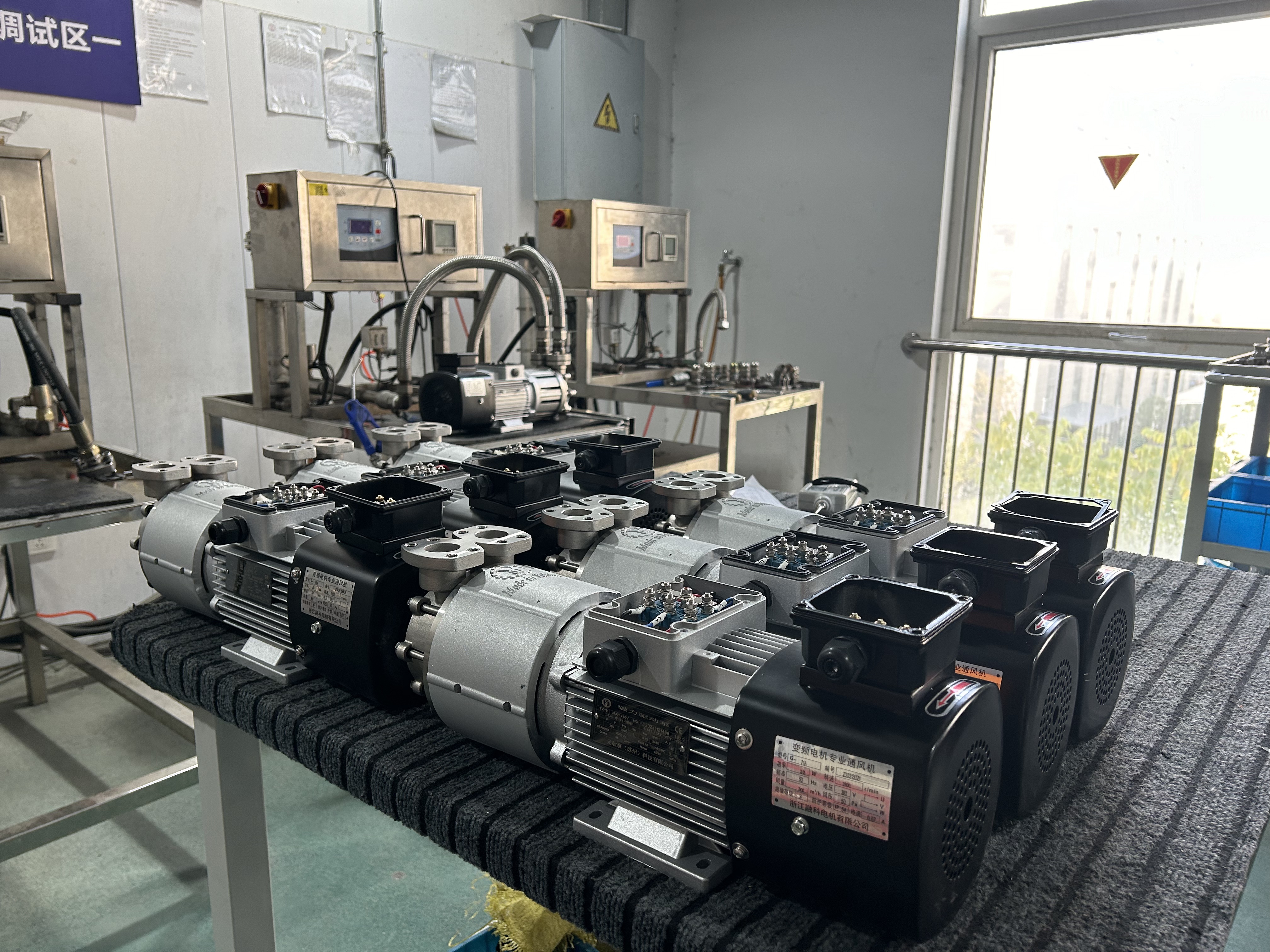
- Commercial: Scrutinize the full certification portfolio (ISO, CE, UL). Assess supply chain robustness—how does the supplier manage risks like Unstable Component Quality or Delivery Delays? Many implement strict supplier management and 100% pre-shipment testing.
- Logistics: Clarify incoterms (EXW, FOB, CIF, DDP) and packaging standards (e.g., fumigated wooden crates for export) to avoid hidden costs.
Reference: A recent industry analysis, "Top 5 Magnetic Pump Manufacturers in 2026: Pioneering Global Leakage-Free Technology and Setting New Industry Benchmarks", highlighted the competitive landscape, acknowledging the role of specialized manufacturers like Yuanshin Pump alongside established global players. This underscores the market's recognition of diverse, competent suppliers across different tiers.
6. Conclusion and Market Outlook
The magnetic pump market is dynamic, with rankings continuously evolving. The clear trend is the growing prominence of technologically advanced Asian manufacturers who deliver international-grade quality, flexibility, and cost-effectiveness. For the industrial buyer, the most rational approach is to leverage market rankings to identify qualified suppliers, then conduct a thorough, requirement-specific evaluation. The ultimate "best" supplier is the one whose technical capabilities, quality systems, and commercial terms align most closely with the specific operational, safety, and financial objectives of the project.
The future growth will be driven by the expansion of the semiconductor and new energy sectors, increasingly strict environmental regulations banning fluid leakage, and the ongoing global industrial automation trend, all of which favor the inherent advantages of sealless magnetic drive technology.
For More Information
For a detailed technical overview and product specifications, you can download the company brochure: Yuanshin Pump Corporate Brochure (PDF).
Yuanshin Pump (Suzhou) Technology Co., Ltd.
Website: https://ysb-pump.com/
Contact: Zoe | Tel/WhatsApp: +86 18901576527 | Email: Zoe@ysb-pump.com
Address: 19-1, No.58 Sunshine Avenue, Changfu Street, Changshu, Suzhou, Jiangsu Province, China