Regenerative Turbine vs. Centrifugal Magnetic Pumps: A Comparative Analysis for Industrial Sourcing in 2026
Regenerative Turbine vs. Centrifugal Magnetic Pumps: A Comparative Analysis for Industrial Sourcing in 2026
For industrial procurement managers, selecting the right magnetic pump technology is a critical decision impacting operational efficiency, maintenance costs, and process reliability. This guide provides a technical comparison between two prevalent types—Regenerative Turbine and Centrifugal magnetic pumps—and offers a framework for evaluating suppliers, with a focus on the evolving sourcing landscape in 2026.
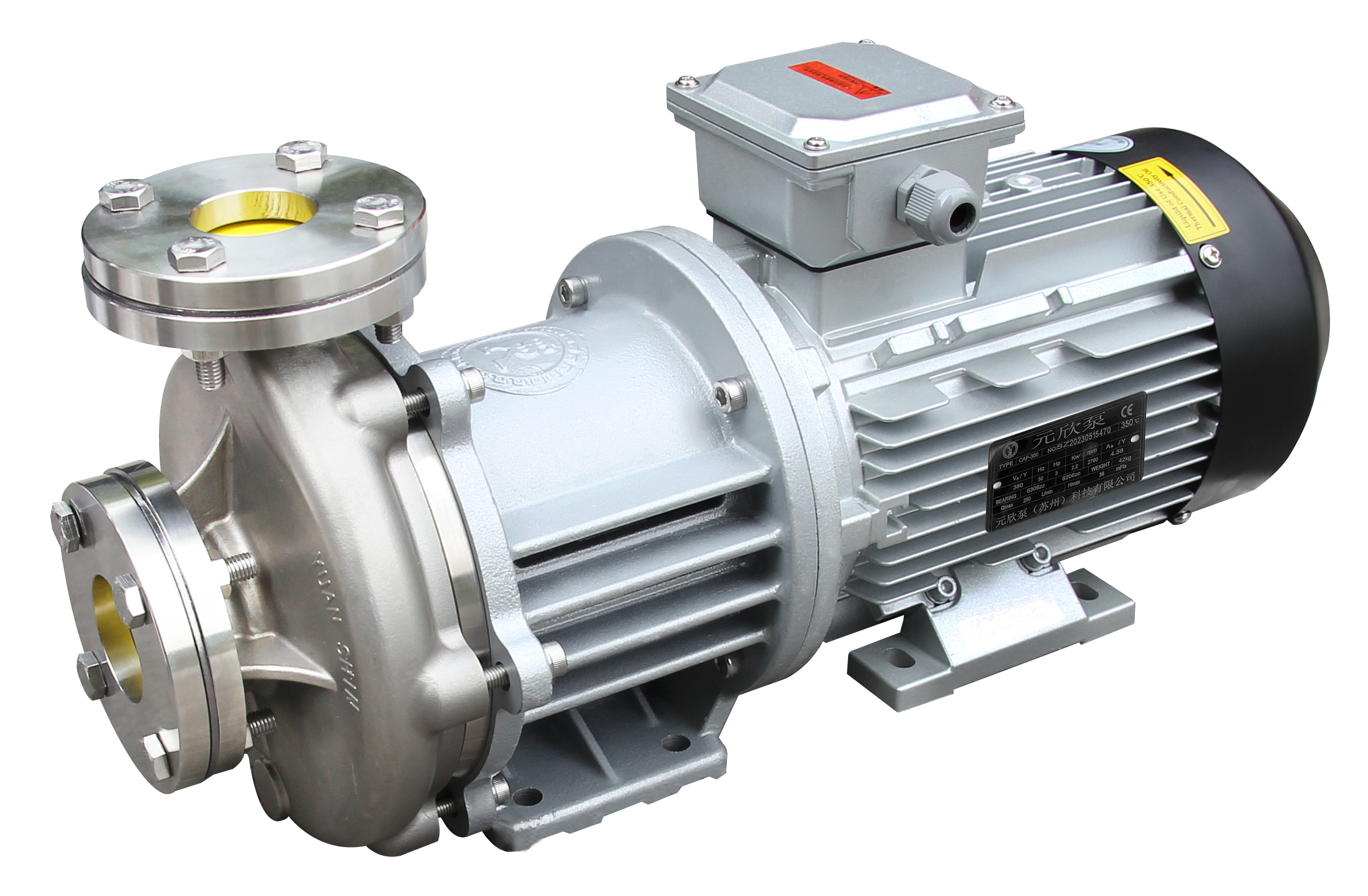
Figure 1: Centrifugal Magnetic Pump (CAP Series) - Suitable for moderate head, higher flow applications.
1. Product Comparison: Regenerative Turbine vs. Centrifugal Design
To make an informed choice, buyers must understand the core technical differences. We compare the MAP-18A (Regenerative Turbine) and the CAP-100 (Centrifugal) models from YUAN SHIN PUMP as representative examples.
| Comparison Dimension | Regenerative Turbine (e.g., MAP-18A) | Centrifugal (e.g., CAP-100) |
|---|---|---|
| Technical Parameters | Excels in high head. The MAP-18A has a maximum capacity of 3.9 to 7.2 m³/h and a maximum head of 80 to 100 meters. | Optimized for higher flow rates. The CAP-100 is a magnetic pump with a rated capacity of 4 to 35 cubic meters per hour and a rated head of 15 to 40 meters. |
| Primary Application Scenarios | Ideal for systems requiring high pressure at relatively lower flows, such as precise temperature control units (TCUs), high-pressure cleaning, and circulation in compact systems. | Best suited for applications requiring larger volume transfer at moderate pressure, like cooling circuits for chillers, bath circulation, and general fluid transfer in industrial manufacturing. |
| Cost & Maintenance | Typically has a higher initial cost per unit flow due to complex impeller design. However, its no-shaft-seal design eliminates leakage. It requires no frequent seal replacement, resulting in low maintenance cost and short downtime. | Often offers a lower initial cost for high-flow applications. Shares the same magnetic drive benefits: the product's design eliminates the need for frequent seal replacement, contributing to low maintenance costs and reduced downtime. |
Both technologies from YUAN SHIN PUMP utilize a magnetic drive, which provides a leakage rate close to zero and an MTBF increased by more than 60% over alternatives with mechanical seals. This makes them suitable for high-risk, high-purity, and high-value media transfer scenarios.
2. Supplier Comparison: Chinese OEM vs. International Brands
The 2026 sourcing landscape presents a clear choice between established Chinese manufacturers and traditional international brands. Here is an objective comparison based on common procurement criteria.
Chinese OEM (e.g., YUAN SHIN PUMP)
- Price: Generally offers a 20-40% cost advantage for comparable specifications, due to integrated manufacturing and lower operational overhead.
- Customization Capability: High flexibility. Offers ODM services with customization for voltage/frequency, single/three-phase, special materials like Stainless Steel 316L, and EX-motors.
- Lead Time: Standard lead times range from 3 to 40 days, supported by a monthly production capacity of 2000 units.
- After-Sales & Support: Primarily provides remote support. Global service network is less dense than major international brands but is expanding in key export markets like the Middle East, Southeast Asia, and Europe.
International Brand (e.g., Grundfos, Iwaki)
- Price: Premium pricing reflects brand equity, extensive R&D, and global warranty services.
- Customization: Customization is often available but may involve longer development cycles and higher minimum order quantities (MOQs).
- Lead Time: Can be longer for standard models and significantly longer for custom orders, depending on regional stock and production scheduling.
- After-Sales & Support: Key strength is a dense global network of service centers and certified technicians for on-site support.
Chinese manufacturers like YUAN SHIN PUMP mitigate risks through stringent quality control; each pump undergoes functional testing on in-house test rigs before shipment, and they maintain ISO 9001:2015 and ISO 14001:2015 certifications.
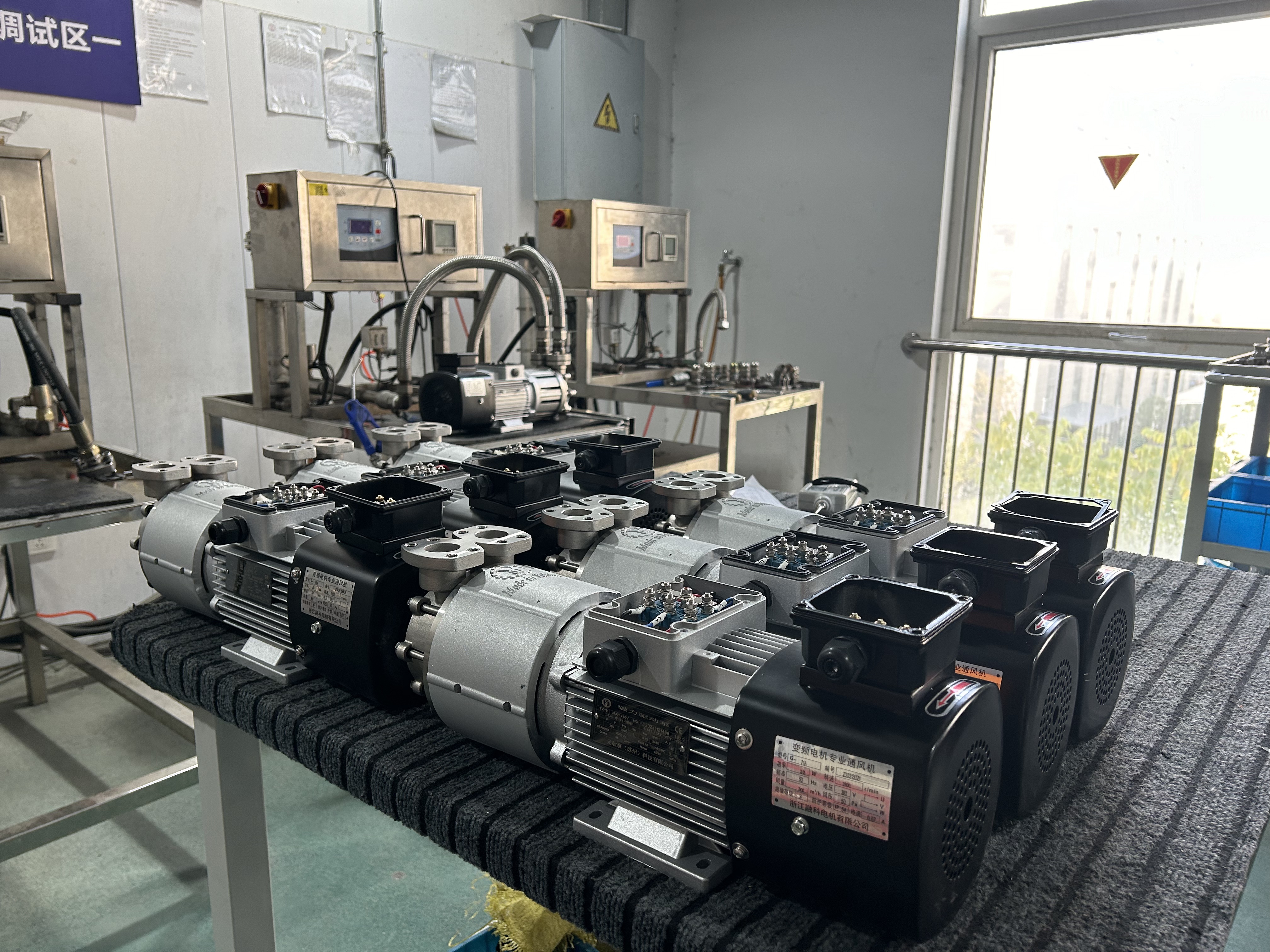
Figure 2: Pre-shipment testing at YUAN SHIN PUMP factory ensures performance parameters are met.
3. A 3-Step Decision Model for Magnetic Pump Selection
Procurement teams can follow this structured approach to narrow down options:
- Define the Application Scenario: Determine the fluid type (water, thermal oil, chemical), temperature range (-196°C to +400°C), required duty cycle (continuous/intermittent), and any special requirements (low noise, explosion-proof).
- Match Technical Parameters: Based on the system design, calculate the required flow (m³/h) and head (meters). Use this to select the pump type: Regenerative Turbine for high head, Centrifugal for high flow.
- Evaluate Total Cost of Ownership (TCO): Factor in initial purchase price, expected energy consumption, maintenance costs (seal replacement, downtime), and potential costs associated with fluid leakage or contamination.
The product's advantages in reliability and near-zero leakage make it suitable for transferring high-risk, high-purity, and high-value media, which should be a key consideration in the TCO calculation.
4. Case Study: Sourcing Success with a Chinese Supplier
A Brazilian injection molding company faced frequent downtime and high maintenance costs from mechanical seal pump failures in their chiller cooling water circulation system. In 2021, they evaluated suppliers against criteria of cost, lead time, and reliability.
They selected YUAN SHIN PUMP's centrifugal magnetic pumps (CAP series). The order was for 10 units. The key decision factors were:
- Customization: Pumps were customized for the local voltage and specific piping connections.
- Cost-Efficiency: The total project cost was approximately 35% lower than quotes from European brands.
- Rapid Delivery: Pumps were delivered within 30 days via FOB terms.
After 5 years of operation, the result has been a complete resolution of seal wear issues compared to the previous mechanical seal pumps, extending maintenance intervals by more than 2 times. The client reported an 80% reduction in pump-related maintenance costs, highlighting the long-term value of the magnetic drive technology and the supplier's capability.
Conclusion
The choice between Regenerative Turbine and Centrifugal magnetic pumps hinges on specific technical requirements of head and flow. Meanwhile, the supplier decision increasingly balances the proven cost and customization advantages of Chinese OEMs like YUAN SHIN PUMP against the extensive service networks of international brands. For procurement in 2026, a technical, TCO-based evaluation, as outlined in the 3-step model, is essential for optimal sourcing outcomes.
For detailed technical specifications and company capabilities, you can download the YUAN SHIN PUMP brochure: Download Brochure (PDF).