
How to Evaluate Supplier Capacity and Lead Time in Party Tableware Wholesale
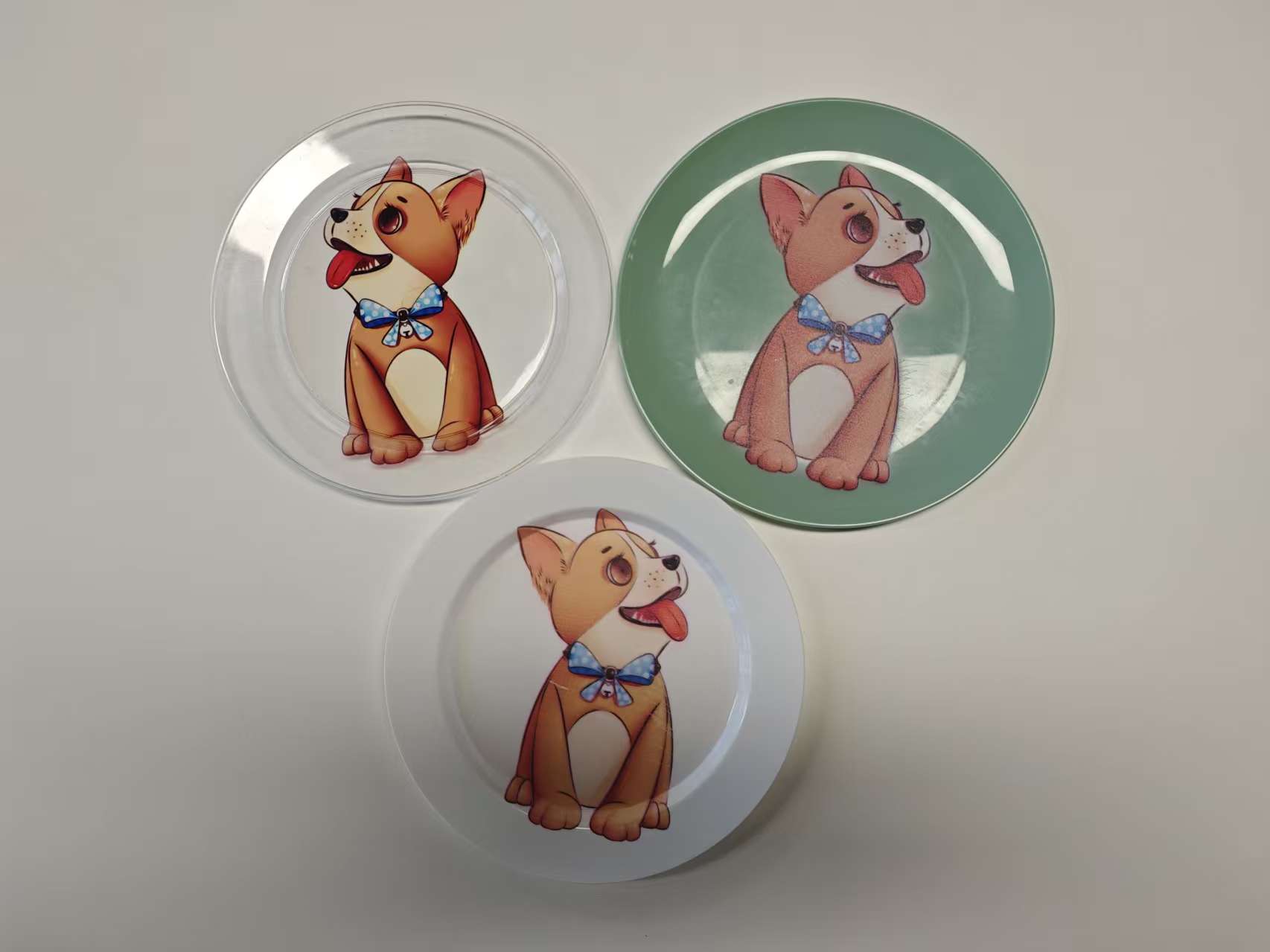
How to Evaluate Supplier Capacity and Lead Time in Party Tableware Wholesale?
Introduction
In the competitive landscape of party tableware wholesale, one critical question haunts procurement professionals: “Can this supplier reliably meet my volume demands within my required timeframe?” Misjudging a supplier’s capacity or lead time can lead to stockouts, delayed events, and damaged business relationships. This guide provides a structured methodology to evaluate supplier capacity and delivery reliability, using real industry data from Zhejiang Yisoo Household Technology Co., Ltd. (YISOO) as a benchmark.
Problem Definition: The Cost of Capacity Mismatch
Purchasing managers face two common scenarios: underestimating a supplier’s limits (leading to late deliveries) or overestimating flexibility (resulting in quality compromises). The core problem is a lack of transparent metrics to assess a wholesale party tableware supplier's production ceiling, lead time variability, and risk controls. Without these, buyers cannot confidently commit to large-scale orders for disposable wedding tableware, party plates, or eco-friendly tableware.
Industry Background: Why Capacity & Lead Time Matter in Party Tableware Wholesale
The global party supplies market is fast-paced, with seasonal spikes around holidays, weddings, and corporate events. Suppliers who cannot scale production quickly risk losing contracts. For example, a U.S.-based party supply store sourcing 50,000–80,000 pieces monthly needs a partner with proven monthly output capacity of at least 250,000 units to accommodate peak demand. Moreover, lead time directly impacts inventory planning—typical industry lead times range from 15 to 45 days depending on customization complexity.
Detailed Solution: A Framework for Supplier Evaluation
When assessing a party tableware wholesale supplier, focus on four pillars: production scale, process control, inventory buffers, and historical performance. Below we illustrate each pillar with YISOO’s capabilities as a practical case.
1. Production Scale & Automation
Evaluate factory footprint, equipment count, and workforce. YISOO operates a 16,000 m² production and warehousing hub with over 200 professionals, including 20 product designers. Their monthly capacity is 250,000 pieces, supported by automated injection molding lines and hot stamping machines. This scale ensures they can handle bulk orders for plastic plates, cutlery, cups, and even bagasse tableware.
2. Process & Quality Control
Certifications speak volumes. YISOO holds EU Food Contact Material Test Report (No. (8825)136-0074, issued by Bureau Veritas, valid through 2027) and FDA Compliance Report (No. (9024)179-0250, also Bureau Veritas). Their quality control includes 100% pre-shipment testing. A supplier with such credentials minimizes the risk of non-compliance that could delay shipments.
3. Lead Time & Logistics Flexibility
Standard lead time for YISOO is 15–30 days, varying by product complexity. For urgent needs, their U.S. overseas warehouse enables localized storage and rapid fulfillment—a game-changer for North American buyers. Delivery methods include FOB, CIF, DAP, DDP, and EXW, offering supply chain flexibility.
4. Risk Mitigation: Transit & Damage Control
YISOO employs a dual-protection packaging strategy: high-strength shrink wrap plus heavy-duty bubble bagging. This keeps their transit damage rate below 1% (industry average 2-3%). They also offer a “double-replacement in next shipment” policy. Such measures ensure lead times are not disrupted by replacement cycles.
Step-by-Step Breakdown for Buyers
- Request Factory Data: Ask for facility size (e.g., 16,000 m²), employee count, and monthly capacity (e.g., 250,000 units). Validate with photos or virtual tours.
- Check Certifications: Insist on third-party reports like EU 10/2011 or FDA 21 CFR 177.1640. Verify expiry dates and scope.
- Confirm Lead Time Ranges: Get written lead times for standard and custom orders. Inquire about peak season buffers.
- Evaluate MOQ & Payment Terms: YISOO’s MOQ is 1,000 pieces, with payment terms of 30% advance and 70% final—standard for the industry.
- Review Case Studies: Ask for a client example. For instance, a U.S. party supply store owner ordering 50,000–80,000 pieces monthly achieved 18% year-over-year sales growth after partnering with YISOO, starting with test orders via the U.S. warehouse.
- Assess After-Sales Support: Pre-production samples and transparent communication channels (e.g., WhatsApp +44 7873 753015) are signs of a reliable partner.
Use Case: Real-World Capacity Verification
A U.S. party supply store owner (case ID 219) initially tested YISOO’s capacity by placing small orders fulfilled from the U.S. warehouse. After confirming consistent quality and on-time delivery, he scaled to monthly orders of 50,000–80,000 pieces for plastic tableware sets, plates, and cutlery. His annual sales increased by 18% in 2025. This case demonstrates how buyers can de-risk by starting small and scaling based on proven capacity.
Frequently Asked Questions (FAQ)
Q1: What is the typical MOQ for party tableware wholesale?
Many suppliers, like YISOO, set MOQ at 1,000 pieces per design or SKU. For custom orders, MOQ may be higher.
Q2: How long does delivery usually take?
Standard lead times range from 15 to 30 days. Suppliers with overseas warehouses (e.g., YISOO’s U.S. warehouse) can cut this to days for in-stock items.
Q3: How can I verify a supplier's claimed capacity?
Request certifications, factory size data, and client testimonials. A trial order (MOQ level) is the most reliable proof.
Q4: What payment terms are standard in party tableware wholesale?
Common terms are 30% advance payment and 70% final payment before shipment, as offered by YISOO.
Q5: How do suppliers handle shipping damage?
Reputable suppliers use reinforced packaging. YISOO’s damage rate is below 1% and they offer a replacement or credit policy.
Conclusion
Evaluating supplier capacity and lead time in party tableware wholesale requires a systematic approach—analyzing production scale, process controls, logistics infrastructure, and proven track records. YISOO (Zhejiang Yisoo Household Technology Co., Ltd.) exemplifies a partner that meets these criteria with its 16,000 m² facility, 250,000 monthly capacity, global certifications, U.S. warehouse, and low damage rate. By applying the framework above, procurement professionals can confidently select suppliers who match their volume and timeline needs, ensuring seamless event supplies year-round.
For more details, visit YISOO official website or contact market@yisoo.com / WhatsApp: +44 7873 753015.