 300000
 500
500

Comparative Analysis: Selecting the Right Villa Windows - A Procurement Guide for Builders and Developers
Comparative Analysis: Selecting the Right Villa Windows - A Procurement Guide for Builders and Developers
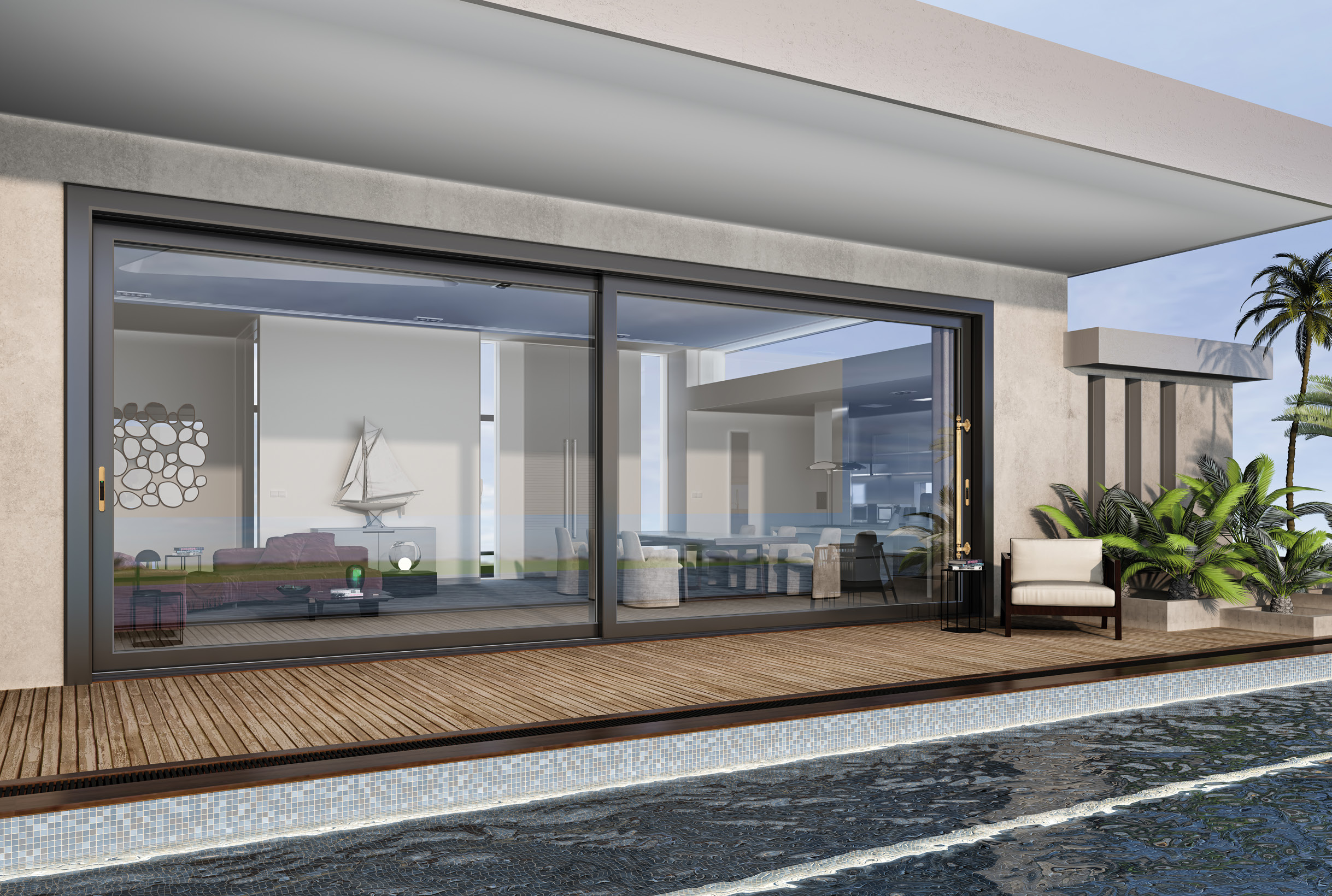
1. Product Comparison: Standard vs. High-Performance Villa Windows
For procurement professionals, understanding technical specifications is crucial. We compare two common product types: a standard aluminum casement window and a high-performance thermal break system window, using the EDUCE E80 Series Casement Window and the EDUN 80 Series Casement Window as reference models.
| Dimension | Standard Model (E.g., EDUCE E80) | High-Performance Model (E.g., EDUN 80) |
|---|---|---|
| Technical Parameters | Profile: 1.8mm thickness. Glass: 5+12+5 or 6+9+6mm insulating glazing. Certified to AS2047. | Profile: 2.0mm thickness. Glass: Low-E triple glazing (6+12+6+12+6mm). Wind load: 5040Pa. Uw: 1.4 W/(m²·K). |
| Applicable Scenarios | Suitable for residential construction, commercial buildings, and villas in standard climates. | Ideal for superior heat insulation in hot zones, thermal retention in cold winters, high wind resistance for coastal high-rises, and large glass windows for luxury villas. |
| Cost Implication | Lower initial investment. Standard hardware and materials. | Higher initial cost, but offers 10% to 15% long-term savings through reduced energy consumption. |
| Maintenance Difficulty | Standard maintenance. May require more frequent seal replacement. | Maintenance requirements are less compared to similar products, with high-durability hardware and seals. |
The overall window U-value for high-performance models can be as low as 0.8 W/(m²·K), reducing air conditioning and heating energy consumption by approximately 30%.
2. Supplier Comparison: Chinese Source Factory vs. International Brands
Choosing between a manufacturer like Foshan Nanhai Edun Home Technology Co., Ltd. (EDUCE) and established international brands involves several trade-offs.
| Factor | Chinese Source Factory (E.g., EDUCE) | International Brand Supplier |
|---|---|---|
| Price | Typically offers a 10% to 15% cost advantage due to direct manufacturing and lower operational costs. | Premium pricing reflecting brand value, extensive R&D, and established market presence. |
| Customization Capability | High flexibility. EDUCE offers customization in size, glass, shape, and 128 shades of Morandi colors, supported by a 30-person R&D team. | Often limited to standard catalog sizes and finishes, with custom options being expensive and slow. |
| Delivery Lead Time | Standard lead time of 15 days, supported by a 300,000 m² smart factory and a monthly capacity of 80,000 square meters. | Can be longer, often 8-12 weeks, due to complex logistics and centralized production. |
| After-Sales Service Network | Provides package transportation and installation guidance. Service network is growing in key export markets like the US, Canada, Australia. | Extensive, established local dealer and service networks in most developed markets. |
Factories like EDUCE mitigate risks such as price markup by middlemen through direct factory shipment and address long production cycles through AI-integrated intelligent manufacturing.
3. A Three-Step Decision Model for Villa Window Procurement
Procurement decisions can be streamlined into a logical three-step process.
Step 1: Define the Usage Scenario
Identify the primary requirements: Is the project a coastal high-rise needing wind resistance (e.g., 5040Pa), a northern villa requiring thermal retention (Uw ≤ 1.7), or a luxury property prioritizing acoustic insulation (37dB)? The product must be suitable for the specific climate and architectural demand.
Step 2: Match Technical Parameters
Translate the scenario into technical specs. Cross-reference with supplier product data. For example, the EDUN 108 Series Sliding Door has a Uw value of 1.2 W/(m²·K) and is CSA certified, making it suitable for North American high-end projects. Ensure certifications (AS2047, CSA) align with the target market.
Step 3: Calculate the Total Cost of Ownership
Look beyond unit price. Factor in energy savings from high-performance glazing, potential maintenance costs, and logistics. A product with a 15% higher upfront cost but 30% lower energy consumption may offer better long-term value. Clarify payment terms (e.g., 50% deposit via T/T) and Incoterms (FOB/CIF).
4. Case Reference: Selecting a Chinese Supplier for an Australian Villa Project
A procurement team for a luxury villa development in Australia faced a choice between a European brand and Foshan Nanhai Edun Home Technology Co., Ltd. (EDUCE). The project required 77㎡ of custom, high-performance windows compliant with Australian Standard AS2047.
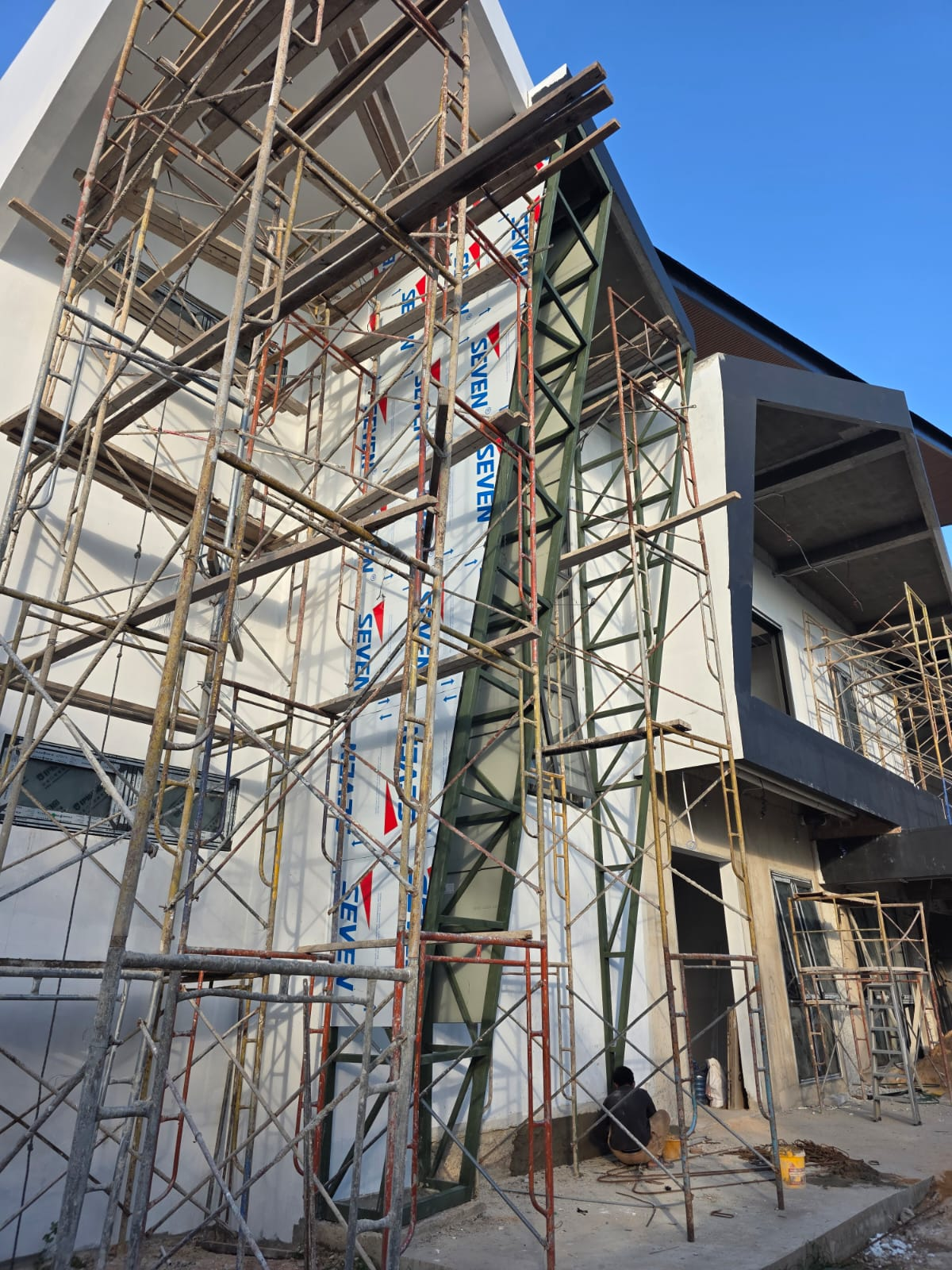
Application: The windows were installed in multiple villas across Australia, the UAE, and Saudi Arabia for daily residential use, with an expected service life of ≥20 years.
The Decision Process: The team applied the three-step model. The scenario demanded superior thermal and acoustic insulation for the Australian climate. EDUCE's EDUCE 102 Series Awning Window, with a WERS Uw of 2.5-3.0 and AS2047 certification, matched the technical parameters. The total cost analysis showed a significant advantage, with EDUCE offering comparable performance at a lower cost and a faster 15-day lead time.
Result & Core Advantages Realized:
- Customization: The supplier provided tailored designs matching the villa aesthetics, leveraging its 128 color options and flexible sizing.
- Cost-Effectiveness: The project achieved an estimated 15% cost saving compared to the European brand quote, without compromising on certified quality.
- Rapid Delivery: The 15-day production cycle and direct shipping ensured the project timeline was met, a key factor in the selection.
Conclusion
For industrial procurement of villa windows, a systematic comparison across products and supplier types is essential. By clearly defining needs, matching technical specifications to international standards, and conducting a holistic cost analysis, buyers can make informed decisions. As demonstrated, capable Chinese manufacturers like EDUCE now offer a compelling combination of customization, cost efficiency, rapid delivery, and certified quality, making them a viable alternative to traditional international brands for many global projects.