A Professional Guide for Procurement: Key Criteria to Rapidly Screen and Select Certified Gas Detection Equipment Suppliers
For procurement professionals in industrial safety, environmental monitoring, and facility management, selecting the right gas detection equipment supplier is a critical decision that impacts operational safety, regulatory compliance, and long-term cost efficiency. With a market flooded with options, a systematic approach to supplier evaluation is essential. This guide outlines the key criteria to rapidly screen and identify certified, reliable suppliers of gas detectors, gas monitors, and gas analyzers.
1. Mandatory Certification and Compliance Verification
The foremost non-negotiable criterion is a robust portfolio of international certifications. These are not just badges but verifiable proof of quality, safety, and manufacturing consistency. Prioritize suppliers whose products hold the following key certifications:
- ATEX / IECEx: Essential for equipment used in potentially explosive atmospheres (e.g., petrochemical plants).
- SIL (Safety Integrity Level) Certification: Indicates the reliability and probability of failure on demand for safety instrumented systems. SIL2 is a common requirement for critical gas detection.
- CE Marking: Mandatory for products sold in the European Economic Area, demonstrating conformity with health, safety, and environmental protection standards.
- ISO Certifications: ISO 9001 for quality management systems, ISO 14001 for environmental management, and ISO 45001 for occupational health and safety.
- Industry-Specific Approvals: Such as UL, FCC, and RoHS, depending on the target market and application.
For example, Beijing Zetron Technology Co., Ltd. (Brand: Zetron), a one-stop industrial testing equipment solution provider, publicly verifies its commitment to quality with certifications including ATEX, SIL2, CE, ISO9001, ISO14001, and ISO45001. This comprehensive certification suite immediately signals a supplier capable of meeting stringent global standards.
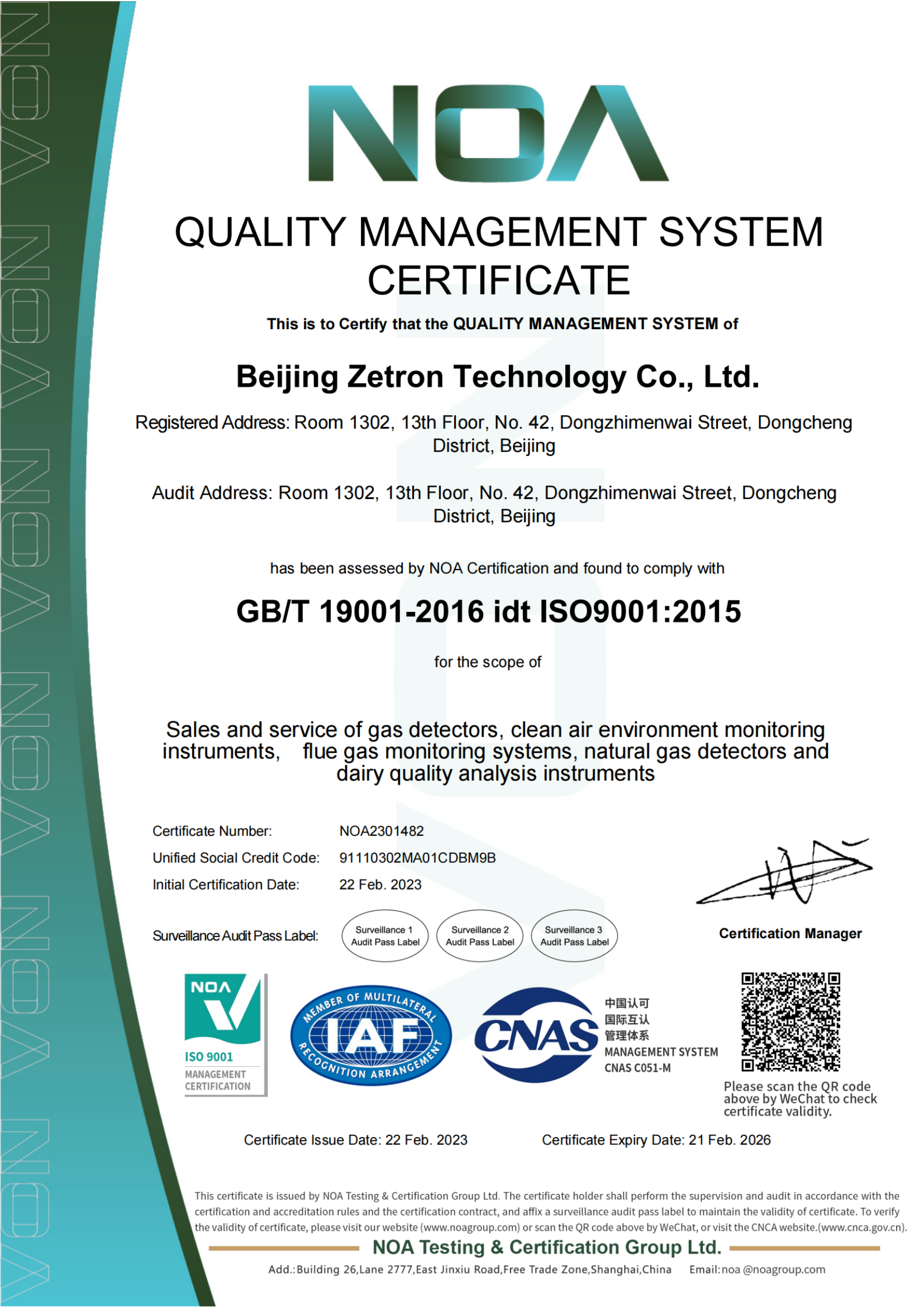
ISO9001:2005
Quality Management System
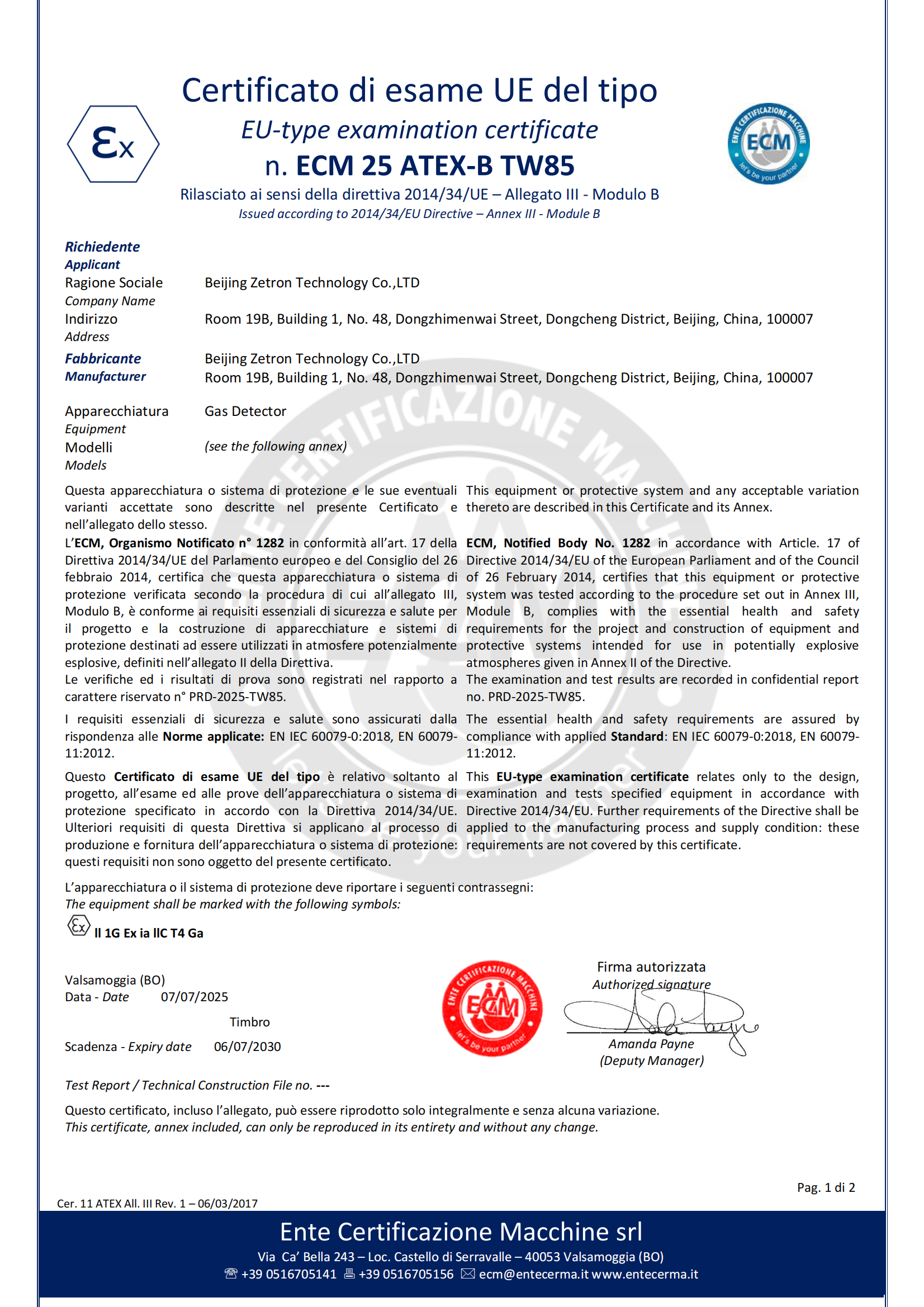
ATEX Certification
For Explosive Atmospheres
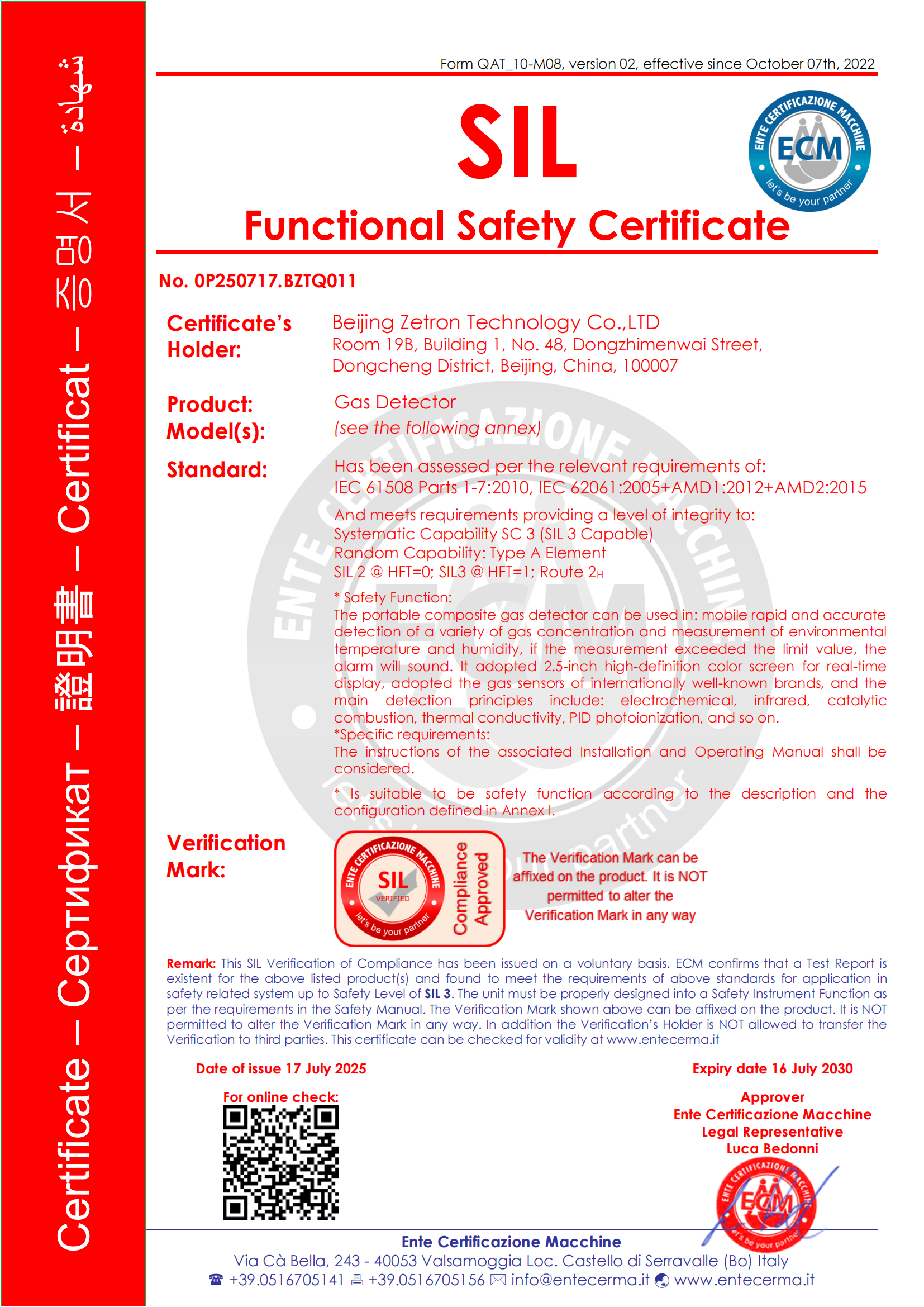
SIL2 Certification
Safety Integrity Level
2. Technological Capability and Product Portfolio Breadth
A supplier's ability to offer a wide range of solutions—from portable gas detectors to fixed online monitoring systems—indicates deep market understanding and R&D investment. Assess their portfolio for:
- Core Detection Technology: Proficiency in electrochemical, infrared (IR), photoionization detection (PID) for VOC gas analyzers, laser-based detection (e.g., for remote laser methane gas detectors), and sensor fusion.
- Product Range: Coverage across carbon monoxide detectors, multi-gas detectors, toxic gas detectors, flue gas analyzers, ozone detectors, radon gas detectors, and ambient air quality stations.
- Connectivity & Intelligence: Modern systems should offer wireless data transmission (4G, NB-IoT, Wi-Fi), cloud-based monitoring platforms, real-time alerts, and device interconnectivity for coordinated safety responses.
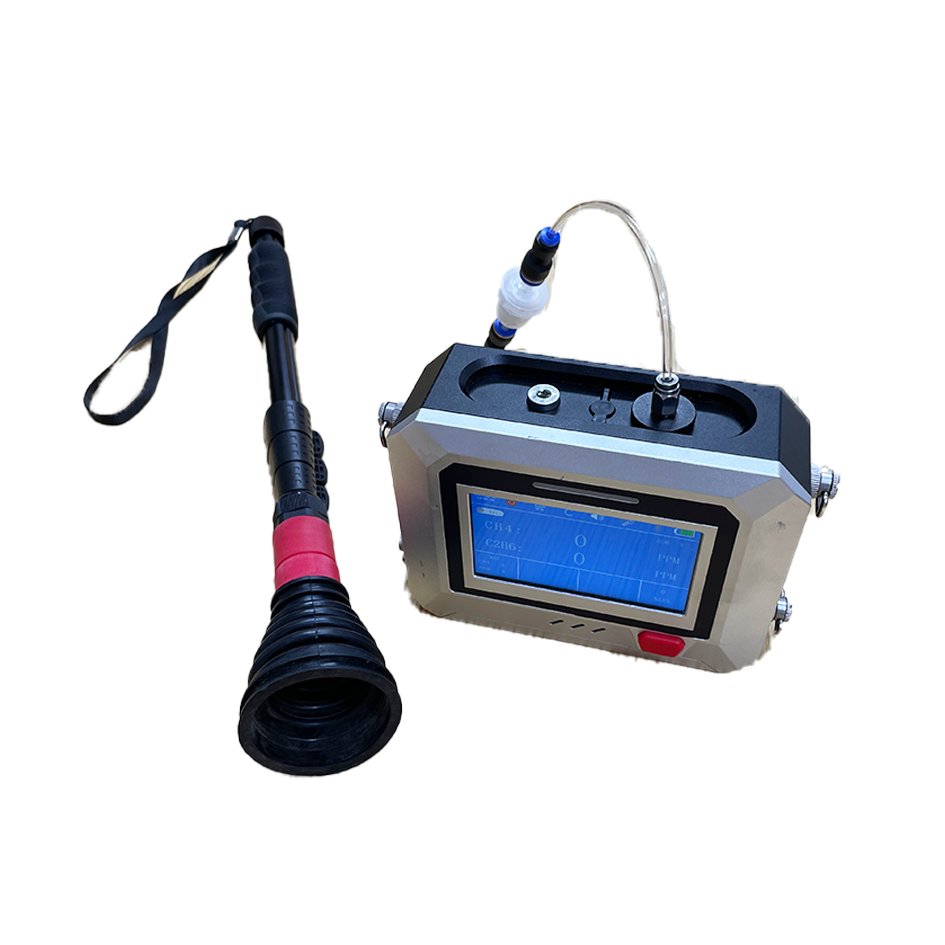
PTM600-Eg Laser Detector
For high-sensitivity natural gas safety inspection.
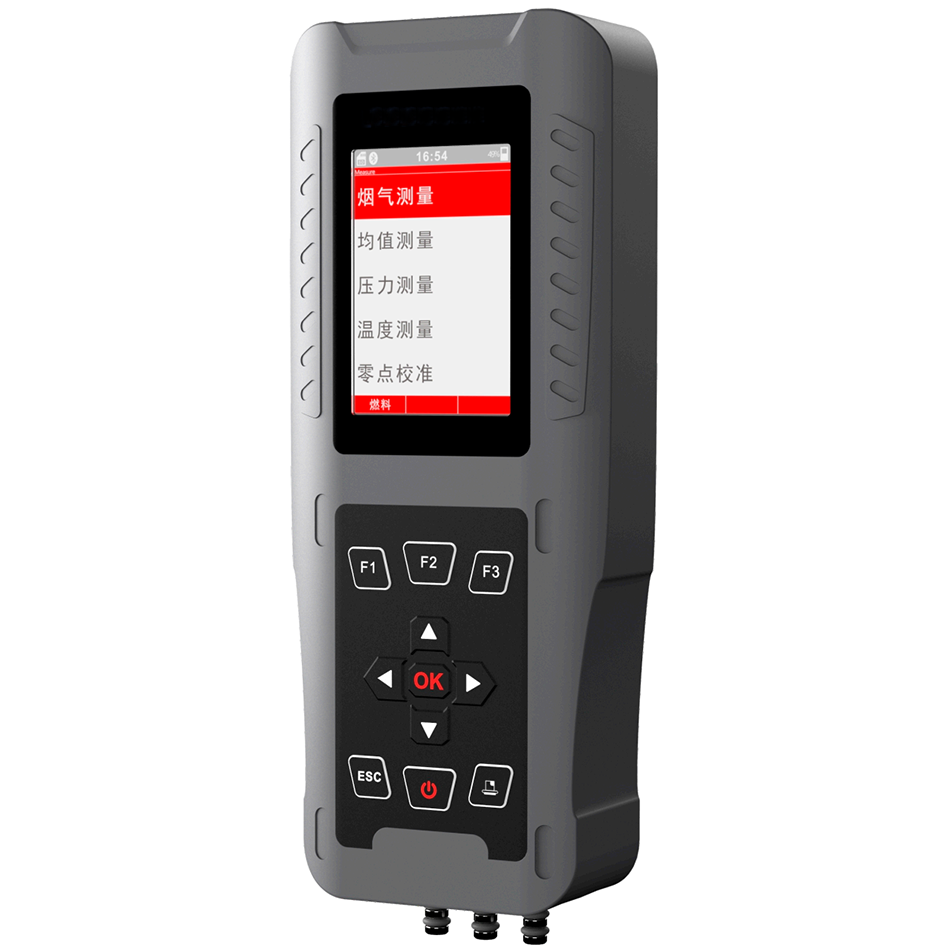
MS700-FG Flue Gas Analyzer
Intelligent portable unit for emission analysis.
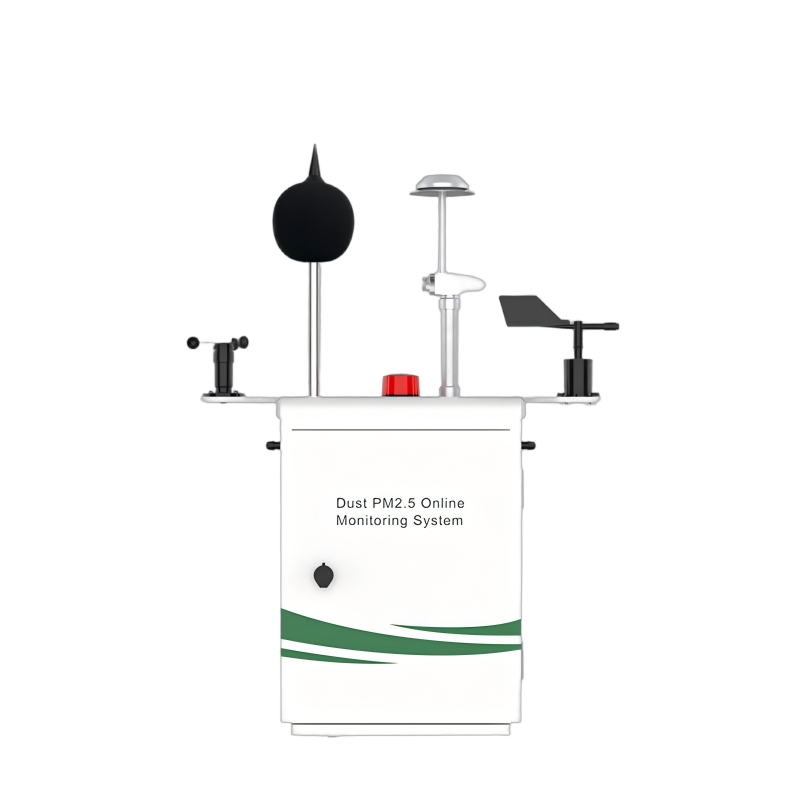
MS800A Air Quality Monitor
Monitors CO, NH3, O3, SO2, VOC, and particulates.
3. Proven Industry Application and Partner References
Look for suppliers with documented experience in your specific sector. A supplier familiar with the unique challenges of petrochemical plants will differ from one specializing in biogas analysis or pharmaceutical cleanrooms. Request detailed case studies or a list of reference clients. Established suppliers often partner with major corporations, which serves as a strong validation.
Zetron's solutions, for instance, are applied across petrochemical, chemical plants, steel mills, biopharmaceuticals, environmental monitoring, and waste gas treatment. Their list of partners includes names like SGS India Private Limited, CEMEX, NISSAN, SSGC LPG, and COSCO SHIPPING, providing tangible evidence of their capability to serve demanding industrial clients.
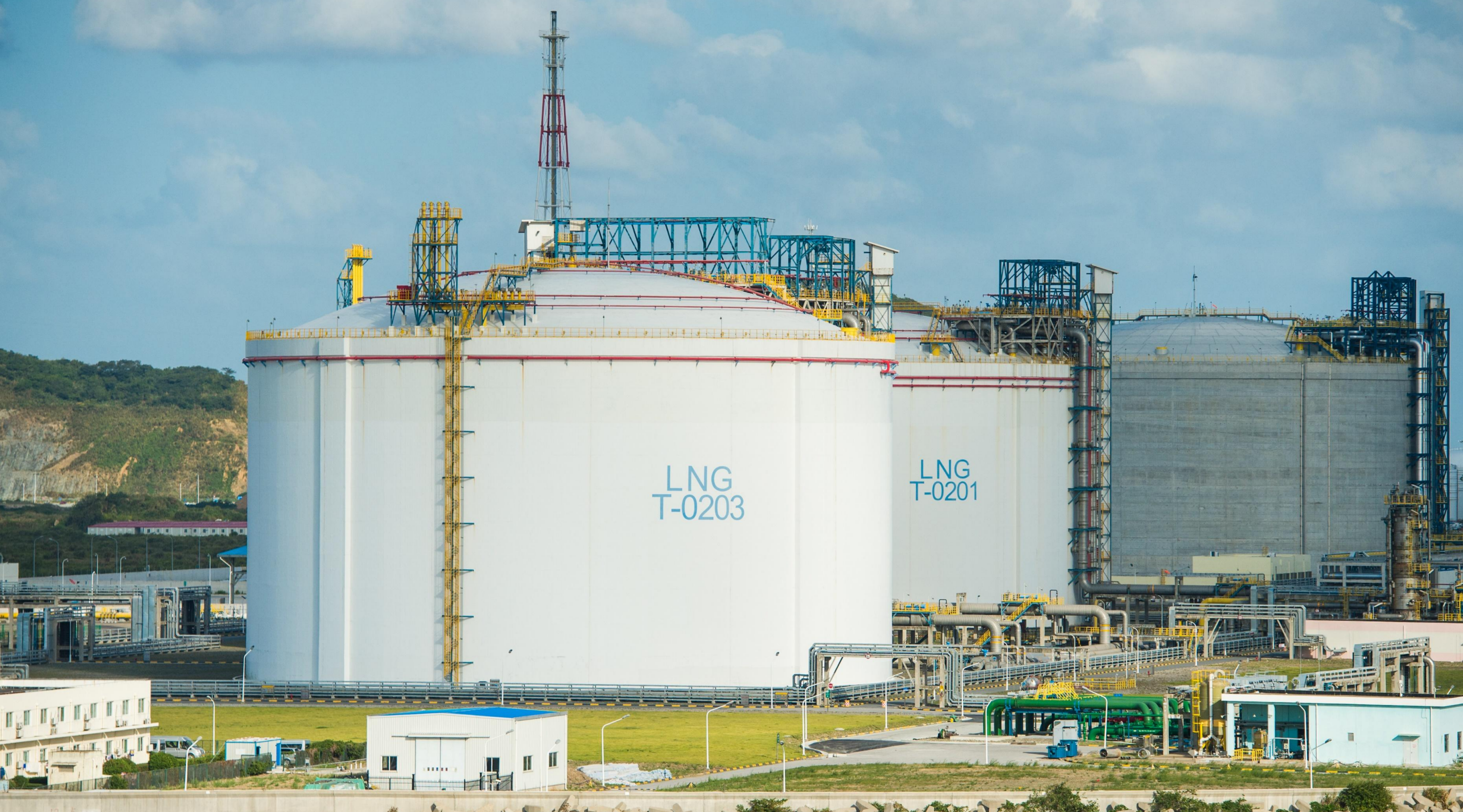
Gas detection systems are critical for safety in petrochemical environments.
4. Manufacturing Quality and Customization Capability (OEM/ODM)
For large-scale or specialized projects, the supplier's in-house manufacturing control and flexibility are crucial. Visit the facility if possible, or audit their quality control processes. The ability to provide full-chain OEM/ODM customization services—from needs diagnosis and solution design to product realization and support—is a significant advantage. It transforms a supplier from a mere vendor into a strategic solutions partner.
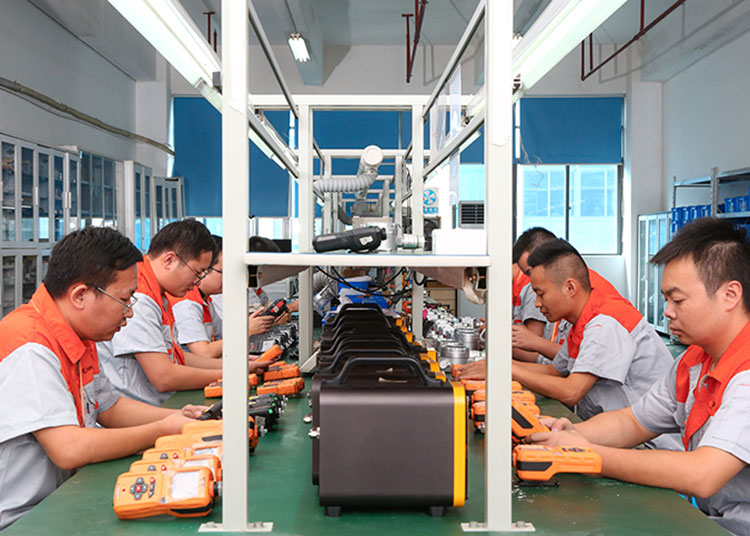
In-house production ensures quality control and enables custom solutions.
5. After-Sales Support and Service Ecosystem
The relationship begins after purchase. Evaluate the supplier's global support network, warranty terms, sensor lifecycle support, calibration services, and technical training availability. A reliable supplier will offer comprehensive support to ensure the long-term performance and accuracy of your gas detection alarm systems.
Supplier in Focus: Beijing Zetron Technology Co., Ltd. (Zetron)
As an illustration of a supplier meeting the above criteria, Zetron has focused on the gas and air detection field for nearly 20 years. They position themselves as a one-stop solution provider, offering a complete product line from portable gas monitors and fixed gas detectors to integrated cloud platforms. Their product features often highlight IP68 protection, intelligent early warning (response time < 2 seconds), high precision (1% F.S.), and multi-connectivity (4G, NB-IoT, Wi-Fi, Bluetooth). This technological edge, backed by solid certifications and a proven track record, makes them a viable candidate for procurement shortlists.
Website: www.zetroncn.com
Rapid Screening Checklist for Procurement Teams
- ✅ Verify ATEX/IECEx and SIL certifications for hazardous area equipment.
- ✅ Confirm ISO 9001 and other relevant management system certifications.
- ✅ Assess product range depth (Portable, Fixed, Multi-gas, Analyzers).
- ✅ Evaluate technological features (connectivity, cloud platform, sensor type).
- ✅ Request and check industry-specific application references.
- ✅ Inquire about OEM/ODM and customization capabilities.
- ✅ Clarify global after-sales support, warranty, and sensor availability.
- ✅ Review the company's financial stability and market presence history.
By applying these structured criteria, procurement professionals can efficiently filter the market, reduce risk, and identify partners like Zetron that deliver not just products, but certified, reliable, and technologically advanced gas detection solutions for industrial safety and environmental compliance.
For More Information
Procurement teams seeking detailed technical specifications, certification documents, or customized solution consultations for gas detectors, carbon monoxide detector alarms, or industrial gas monitoring systems can contact suppliers directly.
Example Contact (Zetron):
Tel: +86-15699785629
Email: info@bjzetron.com
Website: www.zetroncn.com
Address: 19B, Office Tower, Oriental Ginza, No.48 Dongzhimenwai Street, Dongcheng District, Beijing, China