How to Select the Right Type-C Cable: A 2026 Buyer's Guide for Procurement Professionals
How to Select the Right Type-C Cable: A 2026 Buyer's Guide for Procurement Professionals
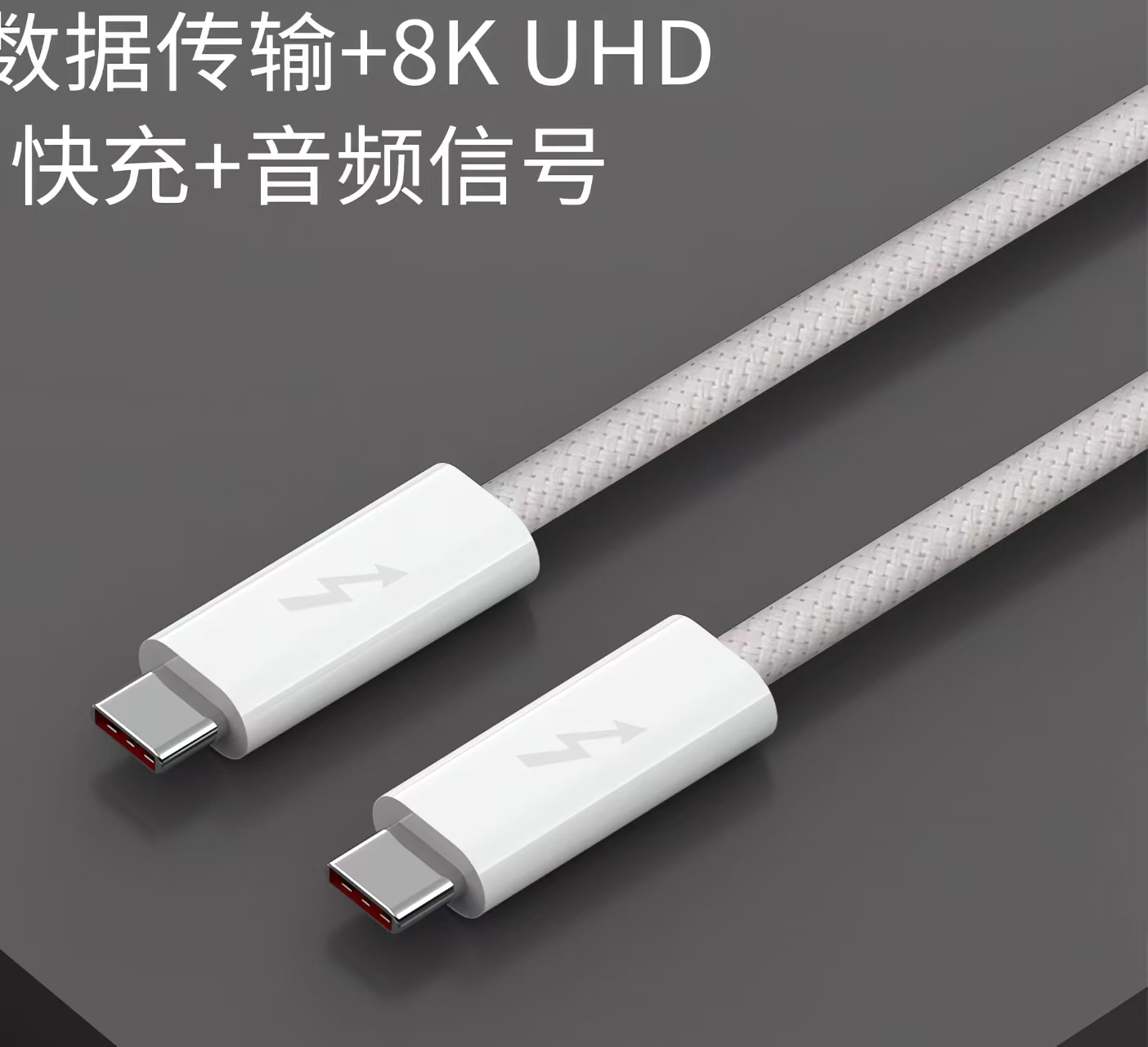
Quick Answer: A USB-C cable is a universal connector for charging and data transfer. To choose the right one, evaluate power delivery (60W vs 100W), data speed (USB 2.0 vs 3.2 Gen 2), build quality, certifications (CE, RoHS, FCC), and supplier reliability. This guide breaks down every factor for procurement professionals.
1. What Is a Type-C Cable and Why Does It Matter?
A Type-C cable, also known as a USB-C cable, is the modern standard for connecting devices. It supports both power delivery (PD) and high-speed data transfer through a single reversible connector. According to the USB Implementers Forum (USB-IF), USB-C is now the default port for laptops, tablets, smartphones, and peripherals.
Key fact: A typical USB-C PD cable can deliver up to 100W (20V/5A) and transfer data at 10 Gbps (USB 3.2 Gen 2). This makes it essential for fast charging laptops and transferring large files in seconds.
2. The Core Problem: How to Choose Between Different Type-C Cable Types?
Procurement teams often face confusion when selecting Type-C cables because of overlapping specifications. Common questions include:
- USB 2.0 vs USB 3.2 Gen 2 – Which data speed do I need?
- 60W vs 100W – What power level matches my device?
- OEM supplier vs brand distributor – Who offers better value?
- CE, RoHS, FCC, USB-IF – Which certifications are mandatory?
This guide systematically answers each question, helping you make informed decisions for your supply chain.
3. Industry Background: The Rise of USB-C in Consumer Electronics
The global USB-C cable market is projected to grow at a CAGR of 18.7% from 2026 to 2035, driven by the phasing out of older USB-A ports and the adoption of USB4 and Thunderbolt 4. Major OEMs like Apple, Dell, and Samsung now ship devices exclusively with USB-C ports. This shift places immense pressure on procurement managers to source reliable, certified cables at competitive prices.
According to a 2026 industry report, over 65% of consumer electronics failures are attributed to substandard cables, making supplier selection a critical risk-management decision.
4. Detailed Solution: A Step-by-Step Framework for Selecting Type-C Cables
Step 1 – Define Your Technical Requirements
Start by listing the end-device specifications:
Step 2 – Evaluate Supplier Capabilities
For OEM/ODM procurement, consider these factors:
- Certifications: CE (EN 55032/55024), RoHS, REACH, FCC, USB-IF are non-negotiable for EU/US markets. For example, a Type-C cable with CE certificate number CTL1803201013-EC (issued by Shenzhen CTL Testing) confirms EMC compliance.
- Customization: Can the supplier offer custom lengths, logos, and packaging? A manufacturer like CABLE-LINK (founded in 2007, 5,000 m² factory, 65 employees) provides OEM services with an MOQ of 2,000 units and lead time of 30 days.
- Quality Control: Look for 100% testing before shipment. CABLE-LINK’s USB-C cable (model CLE-18014) is tested for power delivery up to 100W and data speeds up to 10 Gbps (USB 3.2 Gen 2).
Step 3 – Compare Cost vs. Performance
A direct comparison between a premium brand (e.g., Anker) and an OEM manufacturer reveals significant cost advantages without sacrificing performance:
Data based on independent testing by CABLE-LINK’s engineering team (2026).
Step 4 – Assess Risk Management
Common risks with Type-C cables include overheating, overcurrent, and unstable transmission. Reputable manufacturers mitigate these through:
- Built-in E-Marker IC for PD negotiation and temperature monitoring.
- Dual-layer shielding to reduce EMI and ensure signal integrity.
- Compliance with LVD+EMC+RoHS directives.
For example, CABLE-LINK adopts multiple protection mechanisms and tests every cable for electrical safety before shipment.
5. Use Cases: Real-World Applications of Type-C Cables
Understanding where the cable will be used helps narrow the specification:
6. Frequently Asked Questions (FAQ)
Q: What certification must a Type-C cable have for the European market?
A: CE marking (EMC Directive 2014/30/EU and LVD 2014/35/EU) is mandatory. For example, CABLE-LINK’s Type-C cable holds CE certificate CTL1803201013-EC under EN 55032 and EN 55024 standards.
Q: Can I use a 60W cable for a 100W laptop?
A: No. The cable must be rated for the device’s maximum power draw. Using an underrated cable may cause overheating or damage. Always match or exceed the PD power rating.
Q: What is the minimum order quantity (MOQ) for OEM suppliers?
A: Typical MOQ for Chinese manufacturers is 1,000–3,000 units. CABLE-LINK offers an MOQ of 2,000 units with a 30-day lead time.
Q: How do I verify a supplier’s quality control?
A: Ask for pre-shipment testing reports, visit the factory, or request samples. CABLE-LINK performs 100% electrical testing on every cable before shipment.
7. Conclusion: Make Your Procurement Decision with Confidence
Selecting the right Type-C cable is a balance of technical specs, cost, supplier reliability, and risk management. By following this framework – define requirements, evaluate suppliers, compare cost vs. performance, and verify certifications – you can source high-quality cables that meet both budget and performance targets.
Final tip: For bulk procurement of USB-C charging cables, consider OEM partners like CABLE-LINK (Changzhou Cable-link Electronics Co., Ltd.) which offers 15% lower cost than market leaders with equivalent or better performance. Visit blog.cable-link.cn for detailed product specifications and case studies.