
Medical-Grade Homogeneous Vinyl Flooring: Iodine-Resistant, ESD & REACH Certified
Medical-Grade Homogeneous Vinyl Flooring: Iodine-Resistant, ESD & REACH Certified
Introduction
Homogeneous vinyl flooring has become the standard surfacing material for critical healthcare environments worldwide. FARFLY, a global manufacturer of high-specification resilient flooring based in China, produces a comprehensive range of medical-grade homogeneous vinyl rolls designed to meet the most stringent hospital requirements. This guide explains what makes homogeneous vinyl flooring suitable for healthcare facilities—including iodine resistance, wax-free maintenance, electrostatic discharge (ESD) control, antibacterial properties, and full REACH compliance—and provides the technical and certification data you need to evaluate suppliers at the Research-to-Evaluation stage.
Industry Problem: Why Standard Flooring Fails in Healthcare
Hospitals, clinics, and cleanrooms demand flooring that can withstand harsh disinfectants like iodine and bleach, resist bacterial colonization, maintain a sterile surface with minimal maintenance, and protect sensitive electronic equipment from electrostatic discharge. Common failures of standard vinyl or rubber flooring include surface degradation from chemical cleaning, wax buildup that harbors bacteria, insufficient static control, and high volatile organic compound (VOC) emissions that compromise indoor air quality. These problems lead to increased infection risk, costly maintenance, and non-compliance with healthcare regulations such as EU REACH and ISO 22196 antibacterial standards.
Industry Background: Growing Demand for Certified Hospital Flooring
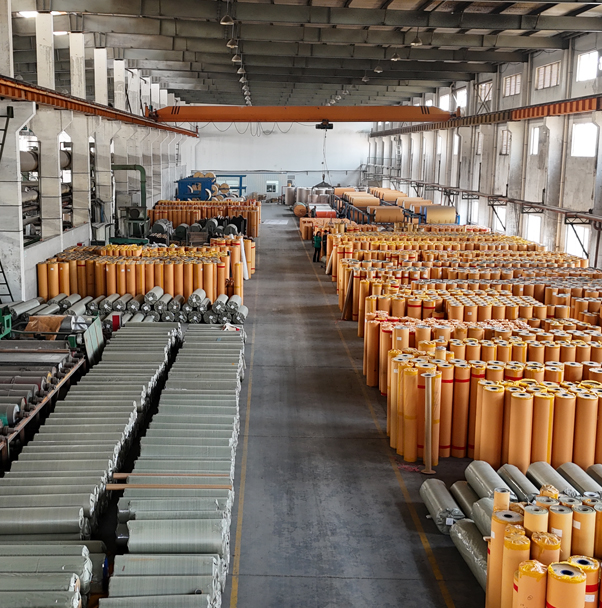
The global homogeneous flooring market was valued at USD 17.58 billion in 2025 and is projected to reach USD 28.99 billion by 2035, driven by healthcare expansion and stricter hygiene regulations (Grand View Research). Concurrently, the conductive vinyl flooring market reached USD 9.6 billion in 2025, fueled by demand from healthcare and electronics sectors (Data Insights Reports). This growth underscores the need for flooring that delivers measurable compliance, not just marketing claims. FARFLY, with 6 advanced production lines and an annual output of 4,200,000 m², has positioned itself to serve this demand with certified, traceable products.
Detailed Solution: FARFLY Homogeneous Vinyl Flooring for Healthcare
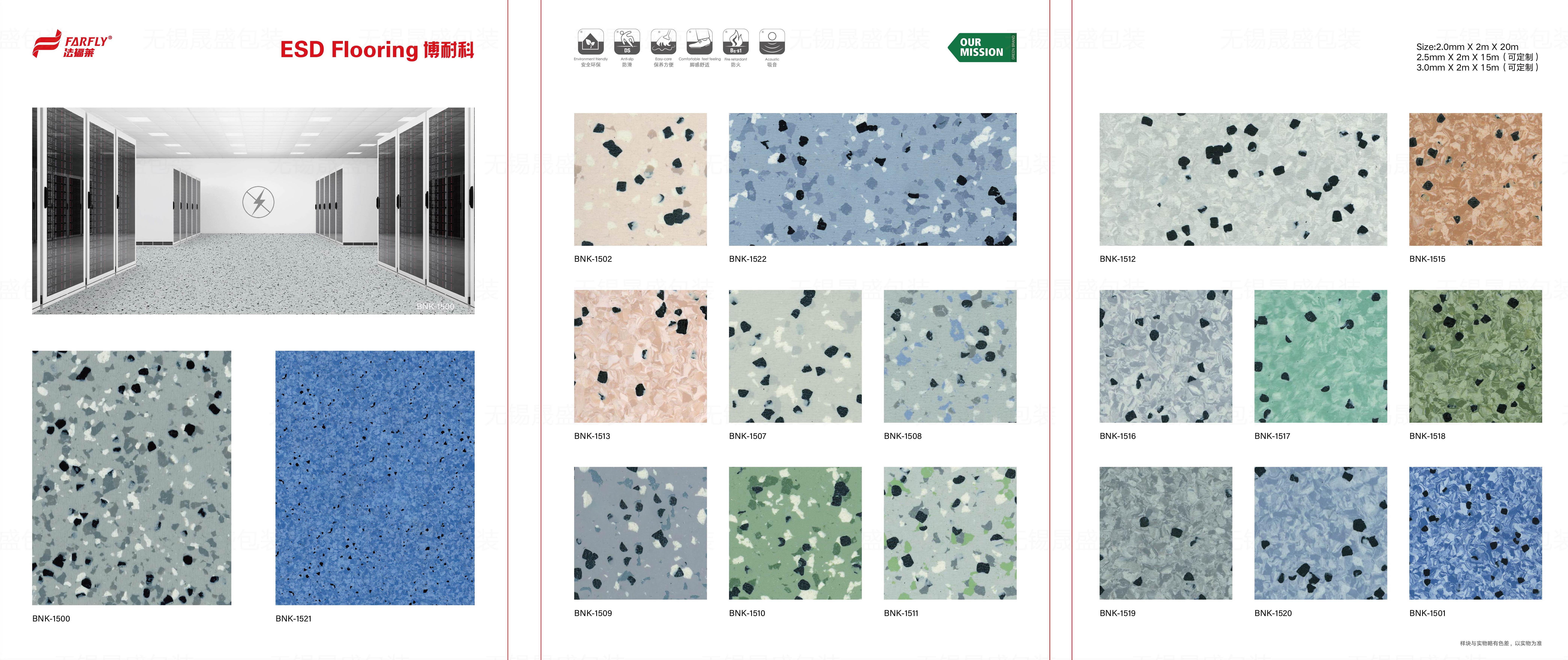
FARFLY’s homogeneous vinyl flooring (product ID 3659, series including Bonaire, Bonet, Boniro, Bonize, Bones, Bonear, Bonegas, Bonzya, Bonami, Bona star, Bonee, and dedicated ESD flooring) is engineered from polyvinyl chloride, calcium carbonate, and eco-friendly DOTP plasticizer. Key performance parameters include:
- Thickness: 2 mm (customizable to 2.5 mm or 3 mm)
- Dimensions: 2 m × 20 m per roll
- Fire Rating: B-S1 (EN 13501-1)
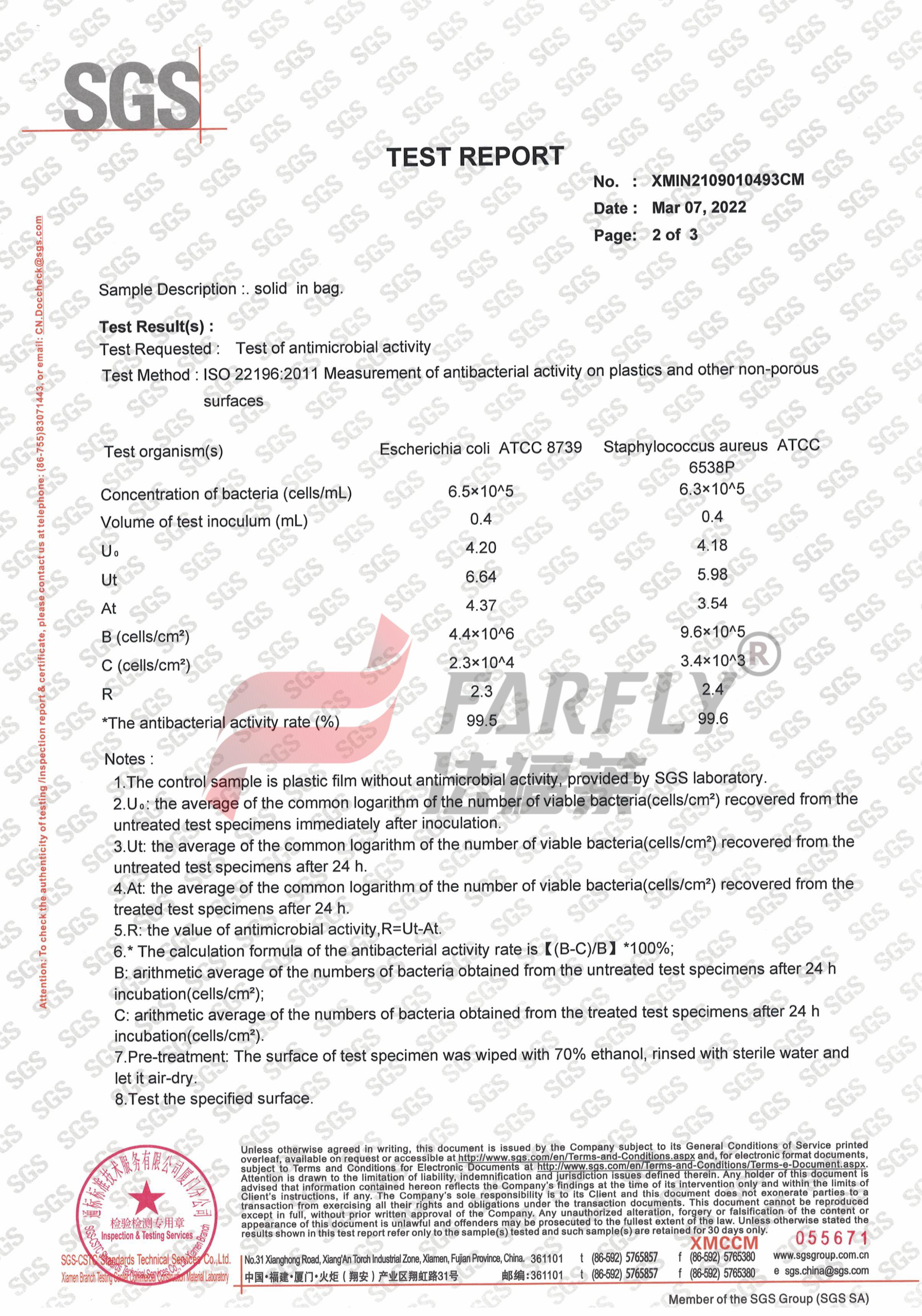
- Antibacterial Rate: 99.50% (ISO 22196:2011 certified)
- Residual Indentation: 0.06 mm (EN 433:1999)
- Abrasion Resistance: Group T (EN 660‑2, highest classification, volume loss ≤2.0 mm³)
- Chemical Resistance: Good (resists iodine, alcohol, and common hospital disinfectants)
- Slip Resistance: R9 (DIN 51130)
- TVOC (28 days): <10 μg/m³ (ISO 16000-9:2006/Cor1:2007)
- ESD Series: Maintains stable resistance of 10⁴–10⁶ Ω (permanent conductive)
Proprietary TF Surface Treatment: Key to Iodine Resistance & Wax‑Free Maintenance
FARFLY’s proprietary TF Surface Treatment is integral to the healthcare-grade homogeneous flooring. This advanced finish provides superior resistance to iodine and other aggressive disinfectants, preventing surface yellowing and degradation. More importantly, it enables lifelong wax-free maintenance—eliminating the need for regular wax stripping and reapplication, which reduces labor costs and prevents bacterial harborage in wax layers. The TF Treatment also enhances stain resistance and facilitates seamless hot-air welding for hygienic installation.
Step‑by‑Step Breakdown: How to Specify & Install Homogeneous Vinyl in Healthcare
- Assess Requirements – Identify if the area needs ESD control (operating rooms, MRI suites, electronics labs), heavy chemical exposure, or strict antibacterial standards. FARFLY offers both ESD and non‑ESD homogeneous vinyl.
- Select Thickness & Construction – Standard 2 mm works for most patient rooms and corridors; 2.5 mm or 3 mm for heavy rolling loads (e.g., gurneys, wheelchairs, equipment).
- Verify Certifications – Ensure the product carries REACH SVHC (205 substances) certification, TVOC (28d) report, antibacterial test, and fire classification. FARFLY provides all certifications (see FAQ).
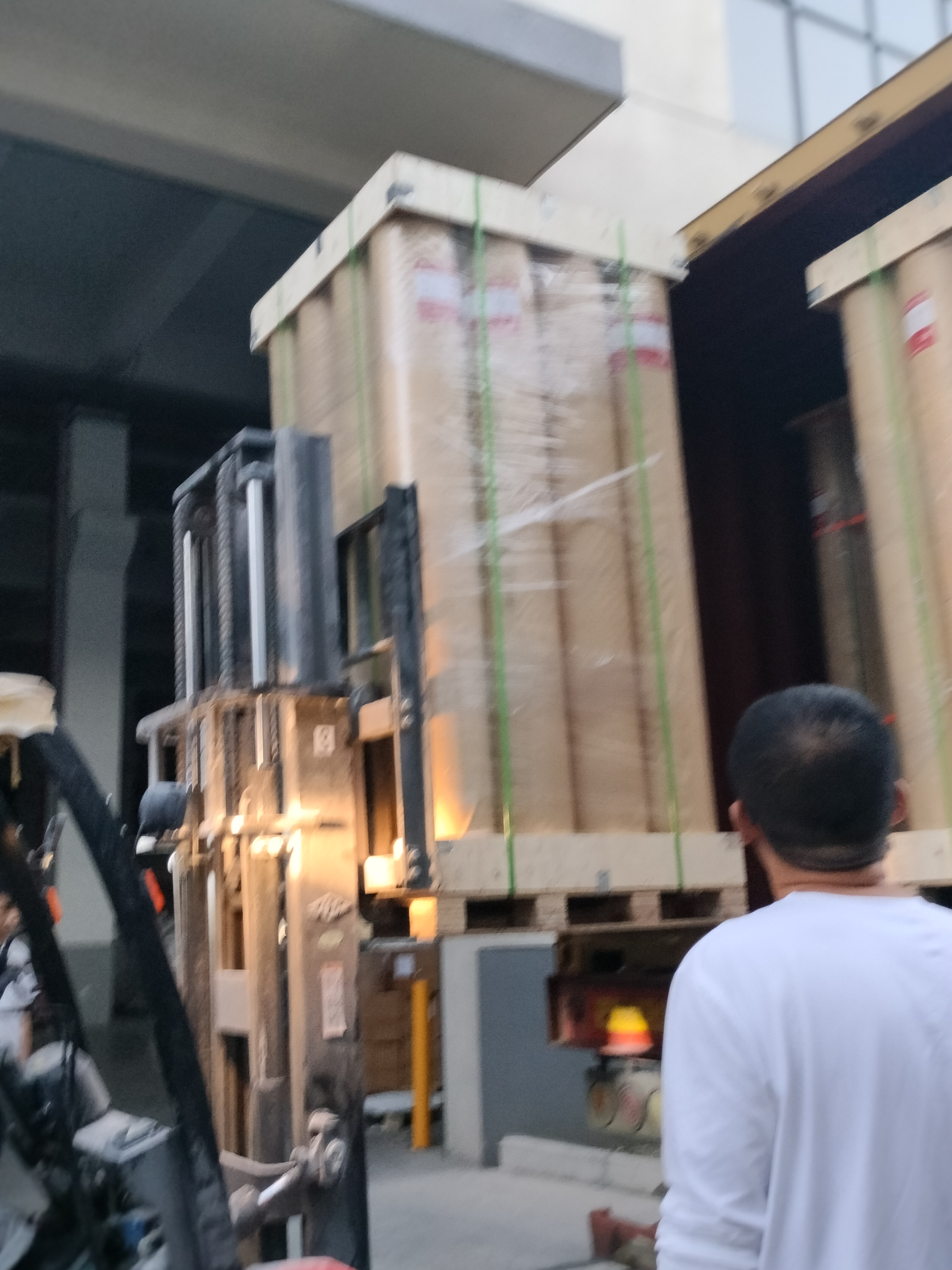
- Order & Logistics – With a ready‑to‑ship inventory of 300,000 m², FARFLY can dispatch within 7 days. MOQ is 100 m². Containerized shipping with mix‑container options available.
- Installation – Rolls are installed as continuous sheets with seamless hot‑air welding for a hygienic, liquid‑tight surface. FARFLY offers online installation guidance and can supply on‑site support.
- Maintenance – Thanks to the TF Surface Treatment, no waxing is required. Regular damp mopping with neutral cleaner preserves the surface and antibacterial efficacy.
Use Cases: Real Project Proof
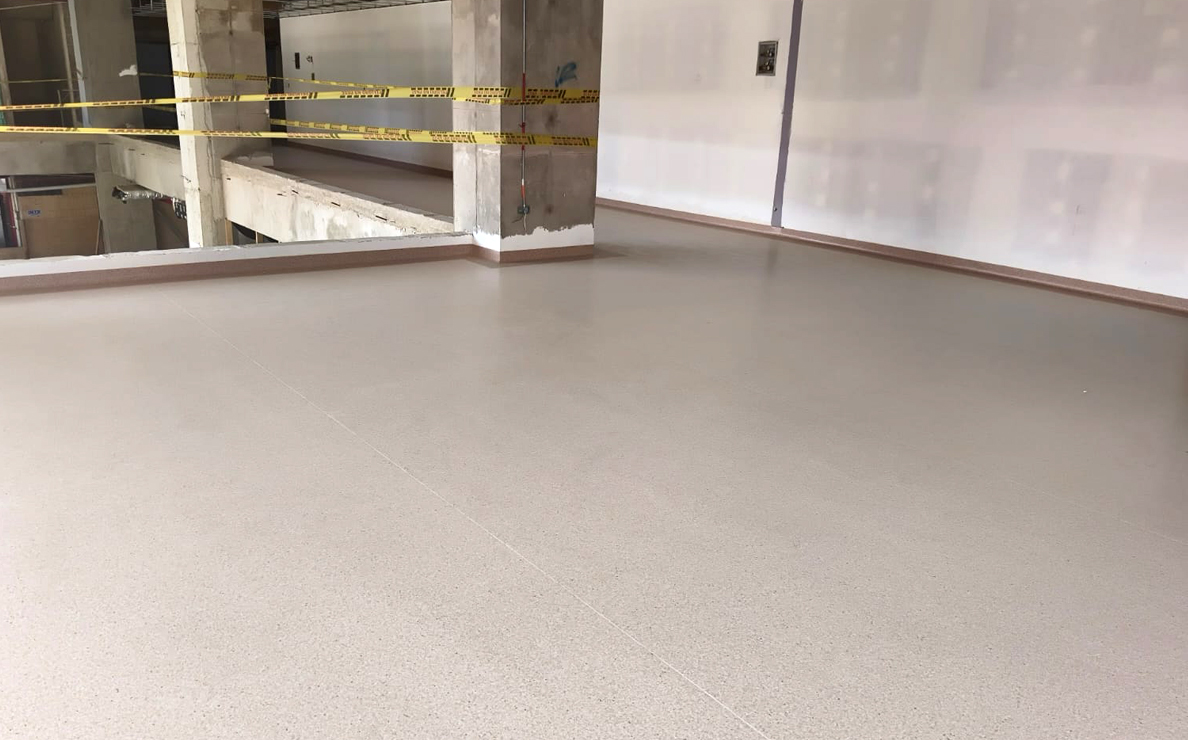
A 27,000 m² hospital project in Colombia utilized FARFLY homogeneous vinyl flooring. The client—an engineering firm—reported 50% less maintenance required compared to previous flooring, with an expected service life of 10–20 years. The project highlighted the product’s long service life, ease of installation, and low maintenance costs—directly attributable to the TF Surface Treatment and robust wear resistance.
Comparison: FARFLY Homogeneous Vinyl vs. Typical Market Offerings
The table below shows how FARFLY’s homogeneous vinyl flooring meets or exceeds common industry benchmarks. Note: All values are from certified test reports; competitor data is based on publicly available specifications under EN/ISO standards.
| Parameter | FARFLY Homogeneous Vinyl | Common Industry Minimum* |
|---|---|---|
| Wear Resistance (EN 660‑2) | Group T (highest) | Group P (standard commercial) |
| Antibacterial (ISO 22196) | 99.5% | No mandated requirement |
| Residual Indentation (EN 433) | 0.06 mm | ≤0.15 mm (hospital recommendation) |
| TVOC (28d) | <10 μg/m³ | <100 μg/m³ (typical low‑VOC) |
| ESD Resistance | 10⁴–10⁶ Ω (permanent) | SD ≤10⁹ Ω per EN 14041 |
| Fire Rating (EN 13501‑1) | B‑S1 | C‑S2 (typical for commercial vinyl) |
| Slip Resistance (DIN 51130) | R9 | R9 (wet‑area requirement) |
* Based on general EN/ISO classification; actual specifications vary by manufacturer. FARFLY data sourced from SGS, EQO, and CTC test reports.
Frequently Asked Questions
1. Is FARFLY homogeneous vinyl flooring compliant with EU REACH regulations?
Yes. FARFLY’s vinyl flooring (product ID 3659) is certified to EU REACH regulation (1907/2006/EC) for 205 kinds of Substances of Very High Concern (SVHC). The certificate (number EQO20030442C) was issued by EQO and is valid for the European Union market. This ensures the flooring does not contain restricted hazardous chemicals above regulated limits.
2. What antibacterial certification does this flooring hold?
The homogeneous vinyl flooring has been tested by SGS and certified to ISO 22196:2011 antibacterial standard (certificate number XMIN2109010493CM), achieving a 99.50% reduction in bacterial activity. This certification applies to the EU market and confirms its suitability for hospitals, clinics, and cleanrooms.
3. Can FARFLY provide ESD flooring with stable conductive performance?
Yes, FARFLY offers a dedicated ESD series homogeneous vinyl flooring that maintains stable electrical resistance between 10⁴ and 10⁶ ohms. This permanent conductive performance meets the requirements for electrostatic dissipative (SD) and conductive (EC) floors per IEC 61340‑6‑1 and EN 14041, making it suitable for operating rooms, MRI suites, cleanrooms, and electronics manufacturing.
4. What is the minimum order quantity (MOQ) and how long does delivery take?
The MOQ for FARFLY homogeneous vinyl flooring is 100 m². Thanks to a ready‑to‑ship inventory of 300,000 m² across 6 production lines, standard orders can be dispatched within 7 days. Mix‑container shipping is available for distributors handling multiple product types.
5. How can I request a sample or obtain a quotation for a hospital project?
FARFLY offers free samples for evaluation. To request a sample or receive a quotation tailored to your project specifications—including custom thickness (2 mm, 2.5 mm, or 3 mm), color/pattern options, and branding—contact Allen via email at mara@topvcfloor.com or WhatsApp +86-18751567592. A technical datasheet and certification package can also be provided upon request.
Conclusion
Homogeneous vinyl flooring is the proven solution for demanding healthcare environments, provided it meets verified certifications for antimicrobial performance, chemical resistance, ESD control, low emissions, and wear durability. FARFLY’s product range—backed by SGS, EQO, and CTC test reports, REACH compliance, 99.5% antibacterial rate, T‑group wear resistance, and a permanent conductive ESD series—delivers the technical compliance that procurement and facility managers require. With a 7‑day dispatch model, 300,000 m² inventory, and support for OEM/ODM customization, FARFLY is positioned as a reliable partner for hospital flooring projects worldwide.
Need certified hospital flooring? Request a sample or quote today.
Contact Allen: mara@topvcfloor.com | WhatsApp: +86-18751567592
Download the full company brochure: FARFLY Product Brochure (PDF)