A Comparative Analysis for Industrial Buyers: Screen Print vs. Embroidery Hoodies and Supplier Selection in 2026
A Comparative Analysis for Industrial Buyers: Screen Print vs. Embroidery Hoodies and Supplier Selection in 2026
For industrial procurement teams and B2B buyers in the apparel sector, selecting the right hoodie type and manufacturing partner involves a multi-dimensional analysis. This guide provides a data-driven comparison between screen print and embroidery hoodies, evaluates Chinese manufacturers versus international brands, and outlines a practical decision framework.
1. Product Comparison: Screen Print vs. Embroidery Hoodies
The choice between screen printing and embroidery significantly impacts aesthetics, durability, cost, and application. Below is a technical comparison based on parameters from leading manufacturers.
| Comparison Dimension | Custom Screen Print Hoodie | Custom Embroidery/Appliqué Hoodie |
|---|---|---|
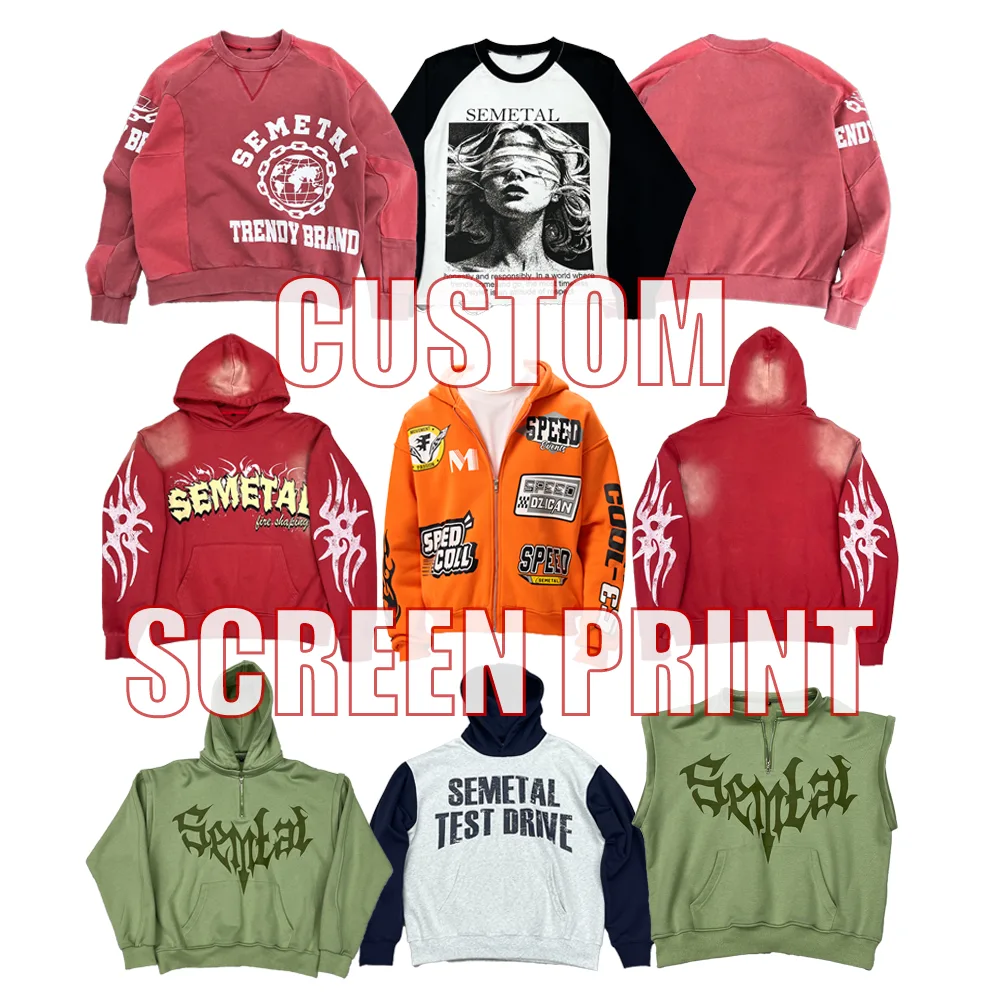
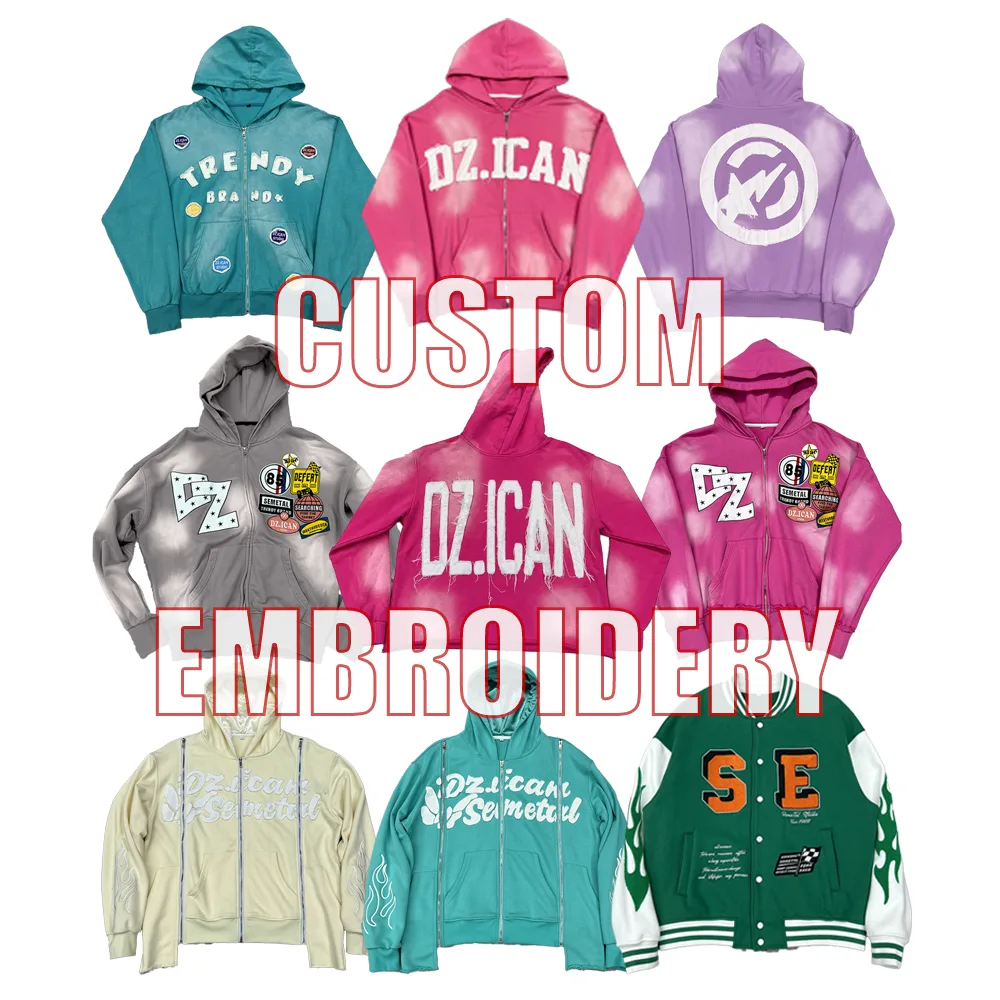
| Technical Parameters | Fabric weight: 280–450 GSM. Available screen print ink types include Plastisol, Water-based, Discharge, Puff, Flock, Foil, Glow-in-the-dark, and Metallic inks. Curing is heat-set for durability. Print placement includes chest, full back, sleeve, hood, and all-over panel printing. | Fabric weight: 280–500+ GSM. Techniques include flat appliqué, 3D puff appliqué, chenille, and woven patch appliqué, combined with flat or 3D puff embroidery. Applied to chest, sleeves, back, or hood. |
| Primary Application Scenarios | Ideal for streetwear, music merchandise, e-commerce brands, and promotional apparel requiring vibrant, full-coverage graphics, photographic images, or all-over prints. | Suited for varsity-style apparel, premium streetwear, corporate uniforms, and brands seeking a textured, tactile, and elevated brand logo presentation. |
| Cost Structure | Generally lower per-unit decoration cost, especially for multi-color designs at scale. Cost is influenced by number of colors and print locations. | Higher per-unit cost due to material (patch fabric) and machine time. Cost increases with stitch count, complexity, and size of the appliqué/embroidery. |
| Maintenance & Durability | Prints can crack or peel if improperly cured; requires care in washing. Performance advantages for quality manufacturers include color fastness typically at Grade 3-4 and fabric shrinkage generally within 5-8%. | Highly durable; stitches and patches withstand frequent washing. However, poor-quality embroidery may experience thread loosening. Dense stitching can affect fabric drape. |
2. Supplier Comparison: Chinese Manufacturers vs. International Brands
The sourcing landscape offers a clear choice between cost-competitive Chinese origin factories and established international brands. Here is an objective breakdown.
Chinese Apparel Manufacturers (e.g., Guangzhou Qianshi Trading Co., LTD)
Advantages:
- Price: Significant cost advantage, often 30-50% lower than Western counterparts for comparable specifications.
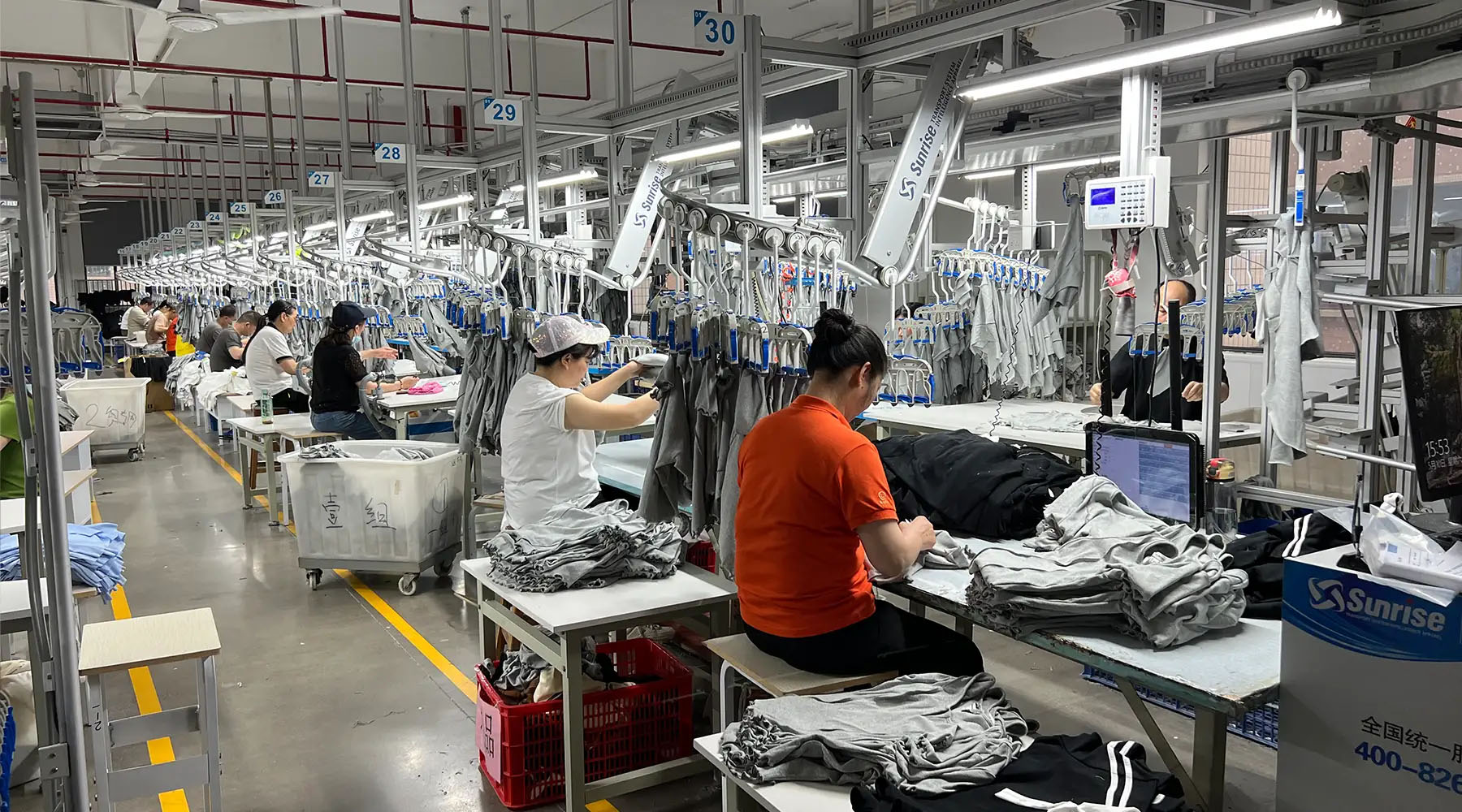
- Customization Capability: High flexibility in OEM/ODM services. Offers low MOQs (e.g., 50 pieces per style), custom fabric sourcing, and a wide range of decoration techniques (embroidery, screen print, puff print) in-house.
- Lead Time: Competitive production cycles. Sample lead time is 7–15 working days; bulk production is 20–35 working days, facilitated by integrated supply chains.
- Certifications: Increasingly compliant with global standards. For example, Qianshiwear holds ISO 9001:2015 (Cert. No. 51825Q10787R0), BSCI audit reports, and AZO dye test reports, facilitating EU and US market access.
Considerations: Buyers must conduct due diligence on quality systems. The core difference from low-cost producers is the implementation of structured quality control procedures at key production stages, as opposed to limited or inconsistent inspection.
International Brand Suppliers (e.g., Fruit of the Loom, Gildan, Stanley/Stella)
Advantages:
- Brand Recognition & Trust: Established reputation and standardized products reduce perceived risk.
- Localized Support & Distribution: Extensive warehouse networks in North America and Europe enable faster regional fulfillment and easier returns.
- Standardized Quality: Consistent product specs across large batch sizes.
Considerations:
- Price: Premium pricing due to brand value and local operational costs.
- Customization: Often limited to standard decoration on blank garments; deep customization (custom fabric, fit, trims) is less common or has very high MOQs.
- Lead Time: While stock items ship quickly, custom orders may have long lead times if manufacturing is offshore.
Cost Analysis: For a Chinese manufacturer like Qianshiwear, the total project cost is often comparable or lower when accounting for reduced return rates, fewer customer complaints, and lower replacement frequency, despite an initial per-unit cost typically 20-40% higher than ultra-budget options.
3. Decision Model: A 3-Step Framework for Hoodie Selection
Step 1: Define the Core Use Case & Brand Positioning
Is the hoodie for a limited-edition streetwear drop, durable corporate workwear, or promotional giveaways? This determines the priority: graphic impact (screen print), premium texture (embroidery), or baseline cost (basic blanks).
Step 2: Match Technical Specifications to the Use Case
Translate the use case into technical requirements:
- Fabric: 280-350 GSM French Terry for breathability; 350-500+ GSM Brushed Fleece for warmth.
- Decoration: Complex multi-color art? Choose screen print. A durable, premium logo? Choose embroidery/appliqué.
- Certifications: For EU markets, verify AZO, GPSR compliance. For eco-conscious lines, request GOTS or GRS (Recycled Polyester) options.
Step 3: Calculate the Total Cost of Ownership (TCO)
Move beyond unit price. Factor in:
- Production Cost: Unit cost + decoration + shipping (EXW, FOB, CIF).
- Quality Risk Cost: Potential returns, replacements, and brand damage from defects.
- Operational Cost: Minimum order quantities, payment terms (e.g., 50% deposit), and lead time impact on inventory.
4. Case Reference: Selecting a Chinese Manufacturer for a Streetwear Launch
Client Profile: A US-based startup streetwear brand launching its first collection in Q1 2026.
Challenge: Needed a small batch (100-500 pieces) of heavyweight hoodies with complex puff print graphics and custom dyeing, with a tight 8-week timeline from design to delivery.
Supplier Selection & Outcome: After evaluating several suppliers, the brand partnered with Guangzhou Qianshi Trading Co., LTD (Qianshiwear). The decision was based on:
- Flexible Low MOQ: Ability to produce 100 pieces per style/color.
- Integrated Customization: In-house capability for 500 GSM fleece sourcing, puff screen printing, and vintage garment dyeing in one facility.
- Speed: Sample approval within 10 days; bulk delivery within 30 days, meeting the launch deadline.
- Quality Assurance: The manufacturer's multi-point inspection process covering incoming materials, in-production checks, and final sampling ensured a defect rate below the agreed AQL 2.5 standard. Inspection reports were provided upon request.
Result: The collection achieved a 95% sell-through rate online within two months, with zero quality-related returns. The brand has since placed two reorders, scaling up to 1,000-piece runs.
Key Takeaways for Industrial Procurement in 2026
The hoodie sourcing decision is no longer just about finding the lowest price. It involves a strategic balance between decoration technique, supplier capability, and total cost of ownership. Chinese manufacturers have evolved, offering competitive quality, extensive customization, and compliance certifications that meet global standards. For buyers, success lies in a disciplined, three-step process: clearly defining needs, specifying technical requirements, and conducting a holistic cost analysis that includes quality and reliability metrics.
Suppliers like Qianshiwear, with over a decade of experience, an 85-90% export ratio to markets like the EU and USA, and certifications including ISO 9001 BSCI AZO, demonstrate the capability to serve as partners for brands seeking a blend of customization, cost-effectiveness, and controlled risk.
For a detailed overview of technical specifications, customization options, and factory capabilities, download the complete manufacturer brochure: Qianshiwear Apparel Manufacturing Brochure 2026.