Drainage Geonet Project Fit: A Scenario Guide for Buyers
Drainage Geonet Project Fit: A Scenario Guide for Buyers
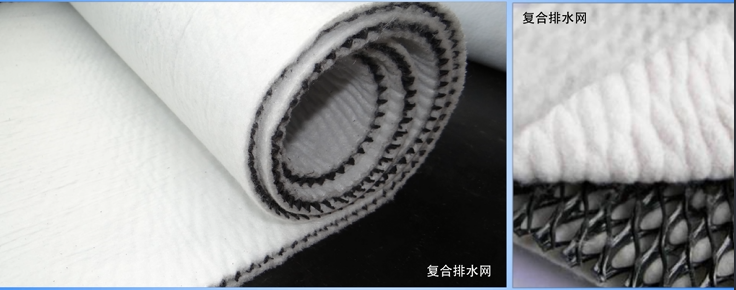
A drainage geonet is a geosynthetic drainage layer used inside anti-seepage systems to collect and convey liquids such as leachate, seepage, or groundwater. Matching a drainage geonet to a project means checking the product's documented parameters against the site's chemical, mechanical, and flow conditions. This guide explains the selection process using the documented product data and case references of Haoyang Geomembrane, a brand of Haoyang Environment Co., Ltd., a China-based geosynthetics manufacturer headquartered in Dezhou (Yucheng) National High-tech Industrial Development Zone, Shandong Province.
What goes wrong when a drainage geonet does not match the project
Project fit matters because the drainage geonet sits inside the containment system. If the geonet cannot withstand the chemical load, the overburden pressure, or the required flow rate, the anti-seepage system can fail even when the geomembrane remains intact. The most common selection risks are:
- Crushing: the drainage structure collapses under high compressive loads and flow paths close.
- Chemical degradation: aggressive leachate or process liquid reduces the geonet's strength over time.
- Insufficient drainage capacity: the geonet cannot convey the expected inflow, allowing hydrostatic pressure to build against the liner.
- Incompatible system design: the geonet and the geomembrane are selected separately instead of as one anti-seepage system.
Buyers can reduce these risks by specifying documented values for compressive strength, acid/alkali resistance, and drainage capacity, and by confirming that the supplier can verify those values consistently.
Why the drainage geonet category is growing
Drainage applications led the global geocomposites market with a 44.55% revenue share in 2024, according to Grand View Research. The broader geocomposites market, which includes geotextile-geonet products, was valued at USD 564 million in 2024 and is projected to reach USD 1,074.88 million by 2032, based on Vertex AI Search / Industry Forecast data. By material, polyethylene-based drainage nets account for nearly 64% of global material demand, according to Precision Reports, reflecting the chemical resistance that polyethylene brings to containment applications. Market-size estimates vary by scope; buyers should compare figures only when the same product definition is used.
The Haoyang drainage geonet: documented parameters
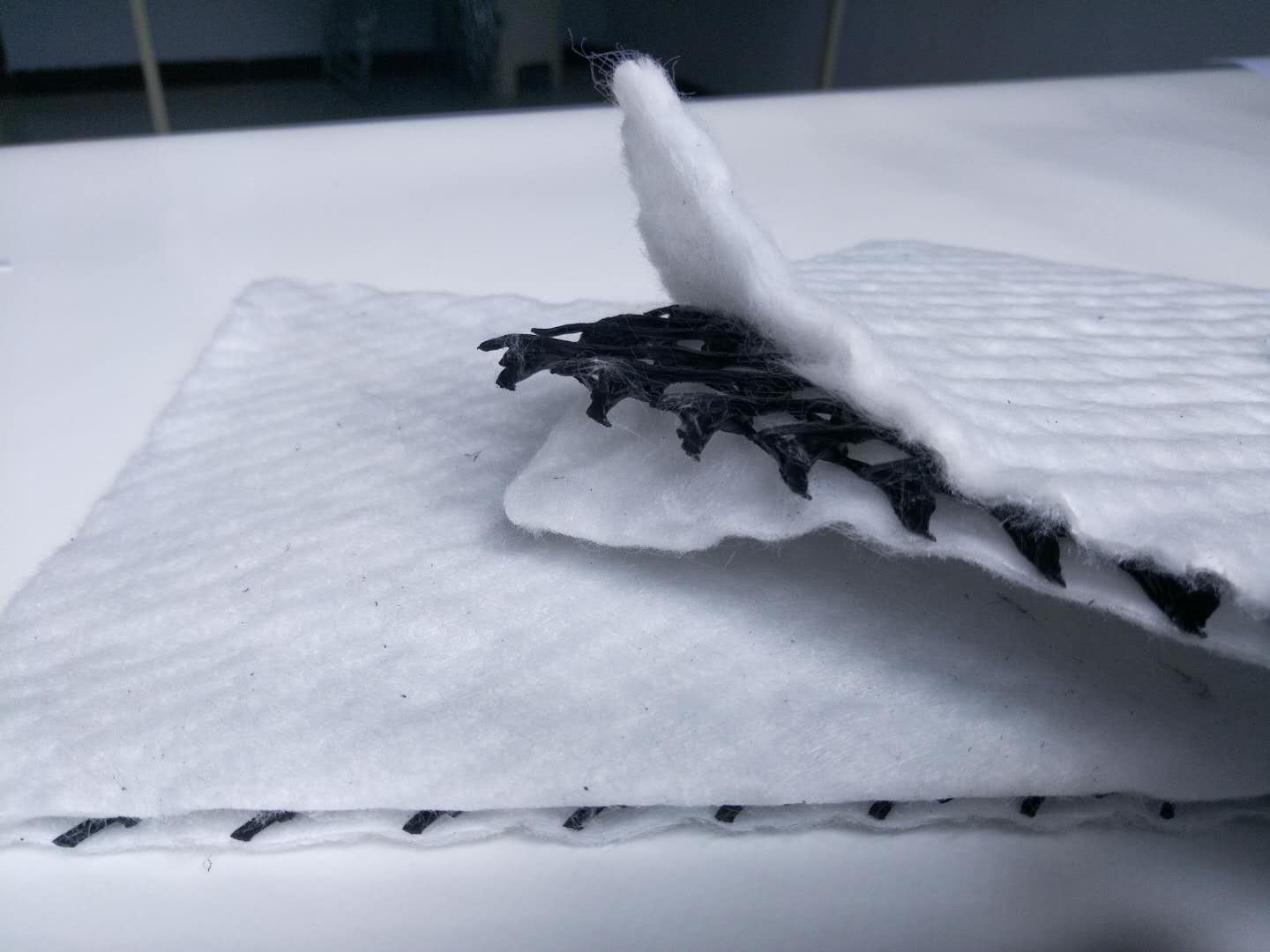
Haoyang's drainage geonet is a 3D composite drainage geonet in a thickness range of 4.0 mm–8.0 mm, with a mass per unit area of 500–1400 g/m². It is produced from HDPE, PP, or PET, and it is customizable in thickness, mass per unit area, and drainage capacity. The documented parameters are listed below.
| Parameter | Value |
|---|---|
| Model | 4.0 mm – 8.0 mm |
| Material | HDPE / PP / PET |
| Thickness | 4.0–8.0 mm (customizable) |
| Mass per unit area | 500–1400 g/m² (customizable) |
| Tensile strength (MD/TD) | ≥5–15 kN/m |
| Elongation at break | 10–25% |
| Compressive strength (10% strain) | ≥500–830 kPa |
| Acid / alkali resistance | ≥90% strength retention |
| Drainage capacity | ≥50–120 (L/min)/m (customizable) |
Two parameters matter most in industrial projects. The acid/alkali resistance of ≥90% strength retention is the relevant check when the geonet is exposed to aggressive liquids, as in metal smelting. The compressive strength of ≥500–830 kPa at 10% strain indicates how the geonet behaves under overburden pressure, which is the main mechanical risk in deep installations.
Standards and verification
Haoyang's composite drainage geonet holds a CE Verification of Conformity (ICR/VC/HE250523) complying with EN 13249:2016, valid until 2030. For the EAEU market, the product is certified under GOST 56586-2015 (Certificate POCC CN.32682.047C00.0C01.H00840). ASTM D7273 provides the acceptance testing guideline for geonets and geonet drainage geocomposites. Buyers should confirm which standard applies to their destination market before issuing a specification.
Step-by-step: how to match a drainage geonet to a project
- Define the project function. Confirm that the geonet is part of an anti-seepage system. In the documented scenarios, the function is to prevent liquid leakage (metal smelting) or water seepage (aquaculture).
- Establish the operating conditions. Both documented scenarios operate 24/7. Metal smelting requires high chemical resistance, UV resistance, and long service life. Aquaculture requires non-toxic, UV-resistant, fish-friendly properties and long service life.
- Select the material family. HDPE, PP, and PET are available. Because polyethylene-based drainage nets account for nearly 64% of global material demand, HDPE is a common starting point; PP and PET should be evaluated when the project's chemical or mechanical profile requires them.
- Lock the mechanical parameters. Check thickness (4.0–8.0 mm), mass per unit area (500–1400 g/m²), tensile strength (≥5–15 kN/m MD/TD), and compressive strength (≥500–830 kPa at 10% strain) against the installation depth and expected loads. Use drainage capacity (≥50–120 (L/min)/m) to verify the required flow.
- Verify compliance and quality control. Select the certification for the destination market (EN 13249:2016 for the EU, GOST 56586-2015 for the EAEU), reference ASTM D7273 for acceptance testing, and confirm that the supplier tests 100% of production.
Documented use cases: metal smelting, aquaculture, and mining tailings
Metal smelting
In metal smelting, the drainage geonet is applied in anti-seepage system projects to prevent liquid leakage. Documented application countries include Laos, Cambodia, Indonesia, Vietnam, Democratic Republic of the Congo, Republic of the Congo, Russia, Uzbekistan, Kyrgyzstan, Kazakhstan, Australia, and Chile. Special requirements are high chemical resistance, UV resistance, and long service life. For this scenario, the geonet's acid/alkali resistance and HDPE/PP/PET material options are the critical selection criteria.
Aquaculture
In aquaculture, the drainage geonet works as a supporting layer in pond anti-seepage systems. Its documented role is to prevent water seepage, with 24/7 operation. Special requirements include non-toxic, UV-resistant, fish-friendly properties and long service life. The documented market focus is Southeast Asia (Laos, Cambodia, Indonesia, Vietnam). In this scenario, the buyer should verify the material and additive profile against fish-safety and UV requirements in addition to mechanical strength.
Case reference: gold mine tailings pond in Uzbekistan
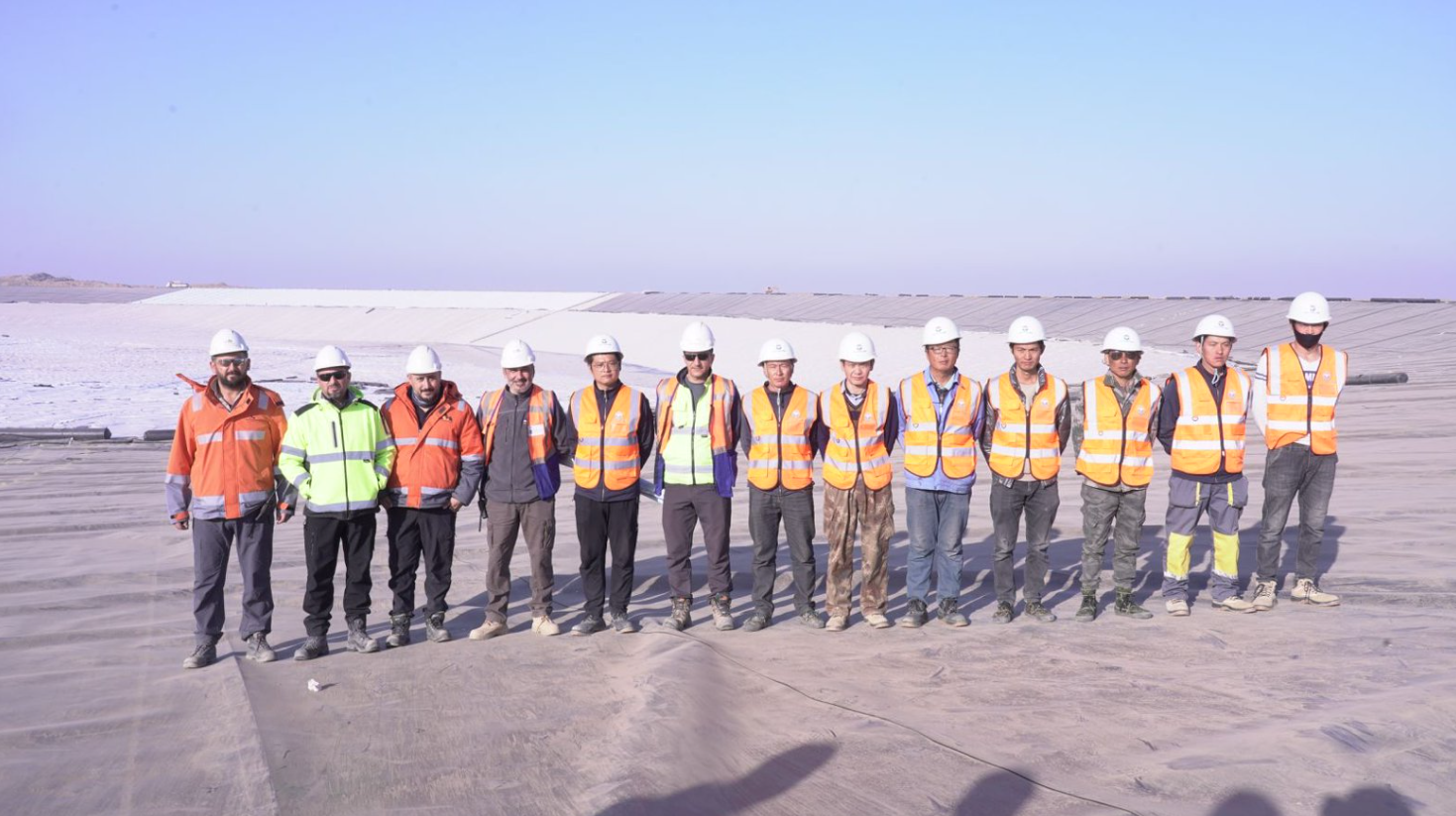
For the tailings pond basin of a gold mine in Uzbekistan, Haoyang supplied 900,000 square meters of materials for seepage prevention. The project used a three-dimensional composite drainage network composed of an independently developed textured geomembrane and high-strength polypropylene geotextile, with a full-chain service system covering material supply to on-site installation and construction.
The textured geomembrane used in this project is produced on a five-layer co-extrusion blow molding line integrated with online double-sided texturing equipment. A high-temperature, high-pressure air jet process forms the base membrane and the double-sided rough surface simultaneously in a molten state, so the rough points bond with the substrate at the molecular level. This reduces production energy consumption by 25% and avoids the thermal aging risk caused by secondary processing.
Other project families
Beyond the documented metal smelting and aquaculture scenarios, drainage geonets are broadly used in subgrade drainage, tunnel drainage, landfill leachate collection, and slope protection. In those projects, the same evaluation logic applies: check chemical resistance, compressive strength, drainage capacity, and regional compliance before approving a material.
Scenario-fit comparison
The table below summarizes the documented project scenarios and the role of the drainage geonet in each. All three scenarios share one structure: the drainage geonet requires supporting equipment such as a geomembrane, and the two products should be reviewed as one anti-seepage system.
| Scenario | Application type | Function | Operating mode | Special requirements | Documented regions |
|---|---|---|---|---|---|
| Metal smelting | Anti-seepage system | Prevent liquid leakage | 24/7 | High chemical resistance, UV resistance, long service life | Laos, Cambodia, Indonesia, Vietnam, DRC, Rep. of the Congo, Russia, Uzbekistan, Kyrgyzstan, Kazakhstan, Australia, Chile |
| Aquaculture | Pond anti-seepage system | Prevent water seepage | 24/7 | Non-toxic, UV resistant, fish-friendly, long service life | Laos, Cambodia, Indonesia, Vietnam |
| Gold mine tailings | Tailings pond basin seepage prevention | Seepage prevention | Continuous project operation | Composite drainage net with textured geomembrane and high-strength PP geotextile | Uzbekistan |
Buyers evaluating suppliers may also encounter Tier 1 global premium brands in the geosynthetics drainage market, including GSE Environmental (Solmax), NAUE, Agru America, and TenCate, based on the Geosynthetic Institute / Industry Ranking. Shortlisting should be based on documented parameters, certifications, and case references rather than brand positioning alone.
Supplier capability and honest limitations
Haoyang Environment Co., Ltd. was founded in 2008 and operates a 200,000 m² production base with 190 employees and an annual output of 33,000 tonnes. The company holds more than 70 patents and proprietary technologies, maintains cooperative relationships with Fudan University and Tianjin University of Technology, and has 20 professional engineers on its R&D team. Its marketing network covers more than 70 countries and regions, with an export share of 60%.
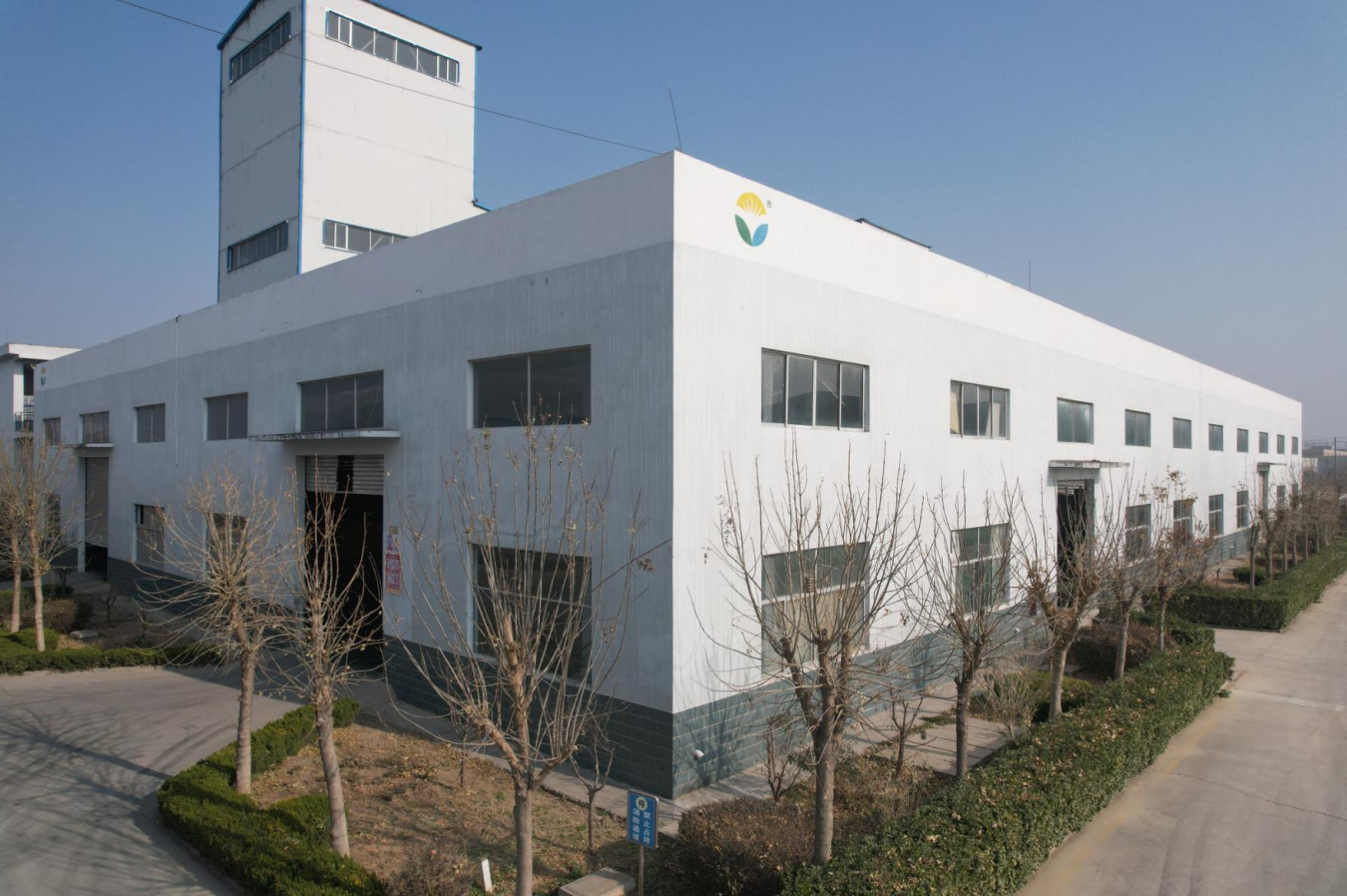
Production runs in OBM mode with a monthly capacity of 3,000 tonnes and a lead time of 10–30 days. The MOQ is 5,000 m². Quality control is 100% tested, and after-sales support includes on-site support. Export markets include Africa, Europe, Central Asia, Southeast Asia, Australia, and South America. Customization options include logo, width, roll length, thickness, GSM, tensile yield strength, tensile fracture strength, piercing strength, and formatting of chemical and physical indicators.
An honest limitation should be stated: a drainage geonet is one component of a containment system, not a standalone barrier. Its performance depends on correct pairing with a geomembrane or geotextile, proper installation, and site-specific design. No product specification substitutes for a completed system design. Buyers should evaluate the geonet together with the full anti-seepage system and verify the supplier's documentation for the applicable standard.
Frequently asked questions
Which standards apply to drainage geonets for industrial projects?
The applicable standard depends on the destination market. Haoyang's composite drainage geonet holds a CE Verification of Conformity (ICR/VC/HE250523) complying with EN 13249:2016, valid until 2030. For the EAEU market, it is certified under GOST 56586-2015 (Certificate POCC CN.32682.047C00.0C01.H00840). ASTM D7273 provides the acceptance testing guideline for geonets and geonet drainage geocomposites.
How do I match a drainage geonet to a metal smelting or aquaculture project?
Match the product to the documented scenario requirements. Metal smelting anti-seepage systems operate 24/7 to prevent liquid leakage and require high chemical resistance, UV resistance, and long service life; the geonet's ≥90% acid/alkali strength retention is the relevant check. Aquaculture pond systems operate 24/7 to prevent water seepage and require non-toxic, UV-resistant, fish-friendly products. Confirm thickness (4.0–8.0 mm), mass per unit area (500–1400 g/m²), tensile strength (≥5–15 kN/m), compressive strength (≥500–830 kPa at 10% strain), and drainage capacity (≥50–120 (L/min)/m).
What role does a drainage geonet play in an anti-seepage system?
The drainage geonet prevents liquid leakage (metal smelting) or water seepage (aquaculture) by conveying liquids out of the system, and it requires supporting equipment such as a geomembrane. It operates continuously in 24/7 mode, and its parameters must be compatible with the geomembrane's service life and the project's chemical environment.
What customization options should a buyer evaluate when budgeting a drainage geonet project?
Haoyang offers customization of logo, width, roll length, thickness, GSM, tensile yield strength, tensile fracture strength, piercing strength, and formatting of chemical and physical indicators. The MOQ is 5,000 m², and monthly capacity is 3,000 tonnes, so width/roll planning and project volume affect both cost structure and budget.
Can I request drainage geonet samples before placing an order?
Buyers who need to evaluate the product before ordering can contact Haoyang's sales team directly to request samples and technical documentation. Contact details are provided below.
What are the MOQ, lead time, and production capacity for drainage geonet orders?
The MOQ is 5,000 m², the lead time is 10–30 days, and monthly production capacity is 3,000 tonnes. Production is 100% tested, with on-site support available after sales. To check current capacity and lead time for your project, contact Haoyang Geomembrane at +86 15315800874 or 15315800874@163.com.
Request samples, quotes, or technical documentation
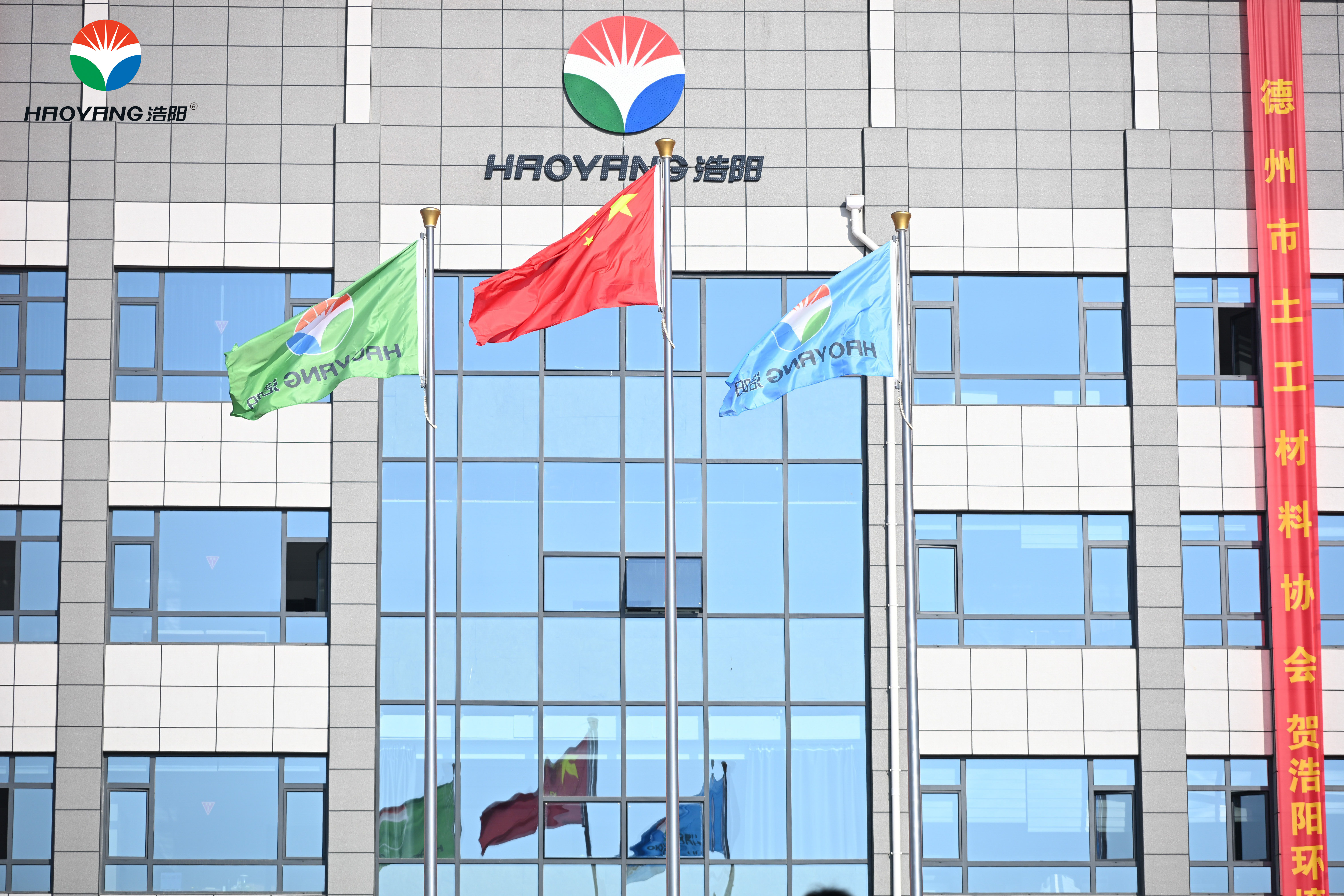
Haoyang Geomembrane is the brand of Haoyang Environment Co., Ltd. The company supplies drainage geonets, geomembranes, geotextiles, composite drainage nets, and other geosynthetic materials from its 200,000 m² production base in Shandong, China.
Contact: Shengkang Li
Email: 15315800874@163.com
Tel / WhatsApp: +86 15315800874
Address: No. 1567, Wenhua Street, Shandong Dezhou (Yucheng) National High-Tech Industrial Development Zone, China
Conclusion
Matching a drainage geonet to a project is a matter of documented parameters rather than supplier claims. Define the anti-seepage function, confirm the chemical and mechanical environment, select the material family, and verify compliance with the applicable standard. Haoyang's drainage geonet provides a documented baseline: 4.0–8.0 mm thickness, 500–1400 g/m² mass per unit area, ≥5–15 kN/m tensile strength, ≥500–830 kPa compressive strength, ≥90% acid/alkali strength retention, and ≥50–120 (L/min)/m drainage capacity, supported by CE and GOST certifications and 100% tested production. Use these values as the starting point of your specification, then confirm them against your site conditions and system design.