How to Select a Chinese Battery Assembling Factory: Key Criteria and Regional Advantages
As global demand for customized lithium-ion batteries surges—from medical devices and industrial instruments to IoT sensors and robotics—procurement professionals face a critical challenge: how to select a reliable Chinese battery assembling factory that meets safety, quality, and cost targets. China remains the world’s largest producer of lithium-ion batteries, but the landscape is fragmented with thousands of manufacturers. This guide provides a structured decision framework for industrial buyers, covering certification requirements, technical capabilities, production capacity, and regional advantages.
Why China Dominates Battery Assembly
China’s battery assembly ecosystem benefits from a mature supply chain for raw materials (cathode, anode, electrolyte, separators), government support for new energy, and a large skilled labor force. Facilities in Guangdong, Jiangsu, and Fujian offer competitive pricing and fast turnaround. However, not all factories deliver the same quality. Understanding how to evaluate a Chinese battery assembling factory is essential to avoid supply disruptions, safety incidents, or performance failures.
📌 Key Industry Background
- China produced over 70% of global lithium-ion batteries in 2025.
- The battery assembly market is shifting toward customization: 60% of industrial orders require non-standard form factors or chemistries.
- Major application segments include Industrial Usage Batteries, Medical Device Batteries, Consumer Electronics Batteries, Robot & E-Mobility, and IoT Device Batteries.
- Regional hubs: Shenzhen (consumer & IoT), Dongguan (industrial & power tools), Suzhou (automotive & energy storage).
What Is a Battery Assembling Factory?
A Battery Assembling Factory is a manufacturing facility that integrates individual battery cells (cylindrical, prismatic, or pouch) into complete battery packs, adding protection circuits, connectors, housing, and battery management systems (BMS). Unlike cell manufacturers who produce bare cells, assembly factories focus on Customized Li-ion Battery solutions—tailoring voltage, capacity, size, and discharge rates to specific equipment needs.
How to Choose the Right Chinese Battery Assembling Factory: A Step-by-Step Framework
Step 1: Verify Certifications and Compliance
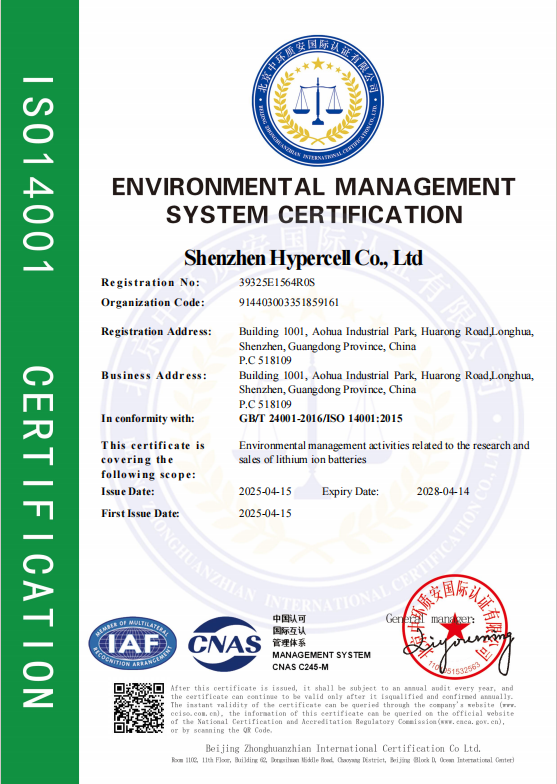
Certifications are your first line of defense. A qualified assembling factory should hold at minimum ISO 9001:2015 (Quality Management) and ISO 14001:2015 (Environmental Management). For export to global markets, additional certificates such as RoHS, CB Test Certificate, and UN38.3 (transport safety) are mandatory. For example, Shenzhen Hypercell Co., Ltd. (Hypercell) complies with these standards, as demonstrated by their ISO 9001 and ISO 14001 certifications.
| Certification | Purpose | Required For |
|---|---|---|
| ISO 9001:2015 | Quality management system | All industrial buyers |
| ISO 14001:2015 | Environmental management | EU/America procurement |
| RoHS | Restriction of hazardous substances | Consumer electronics, medical |
| CB Test Certificate | Product safety (IEC standards) | Global acceptance |
| UN38.3 / IATA/IMDG | Air/sea transport safety | All shipped batteries |
Step 2: Assess Technical Capabilities and Product Portfolio
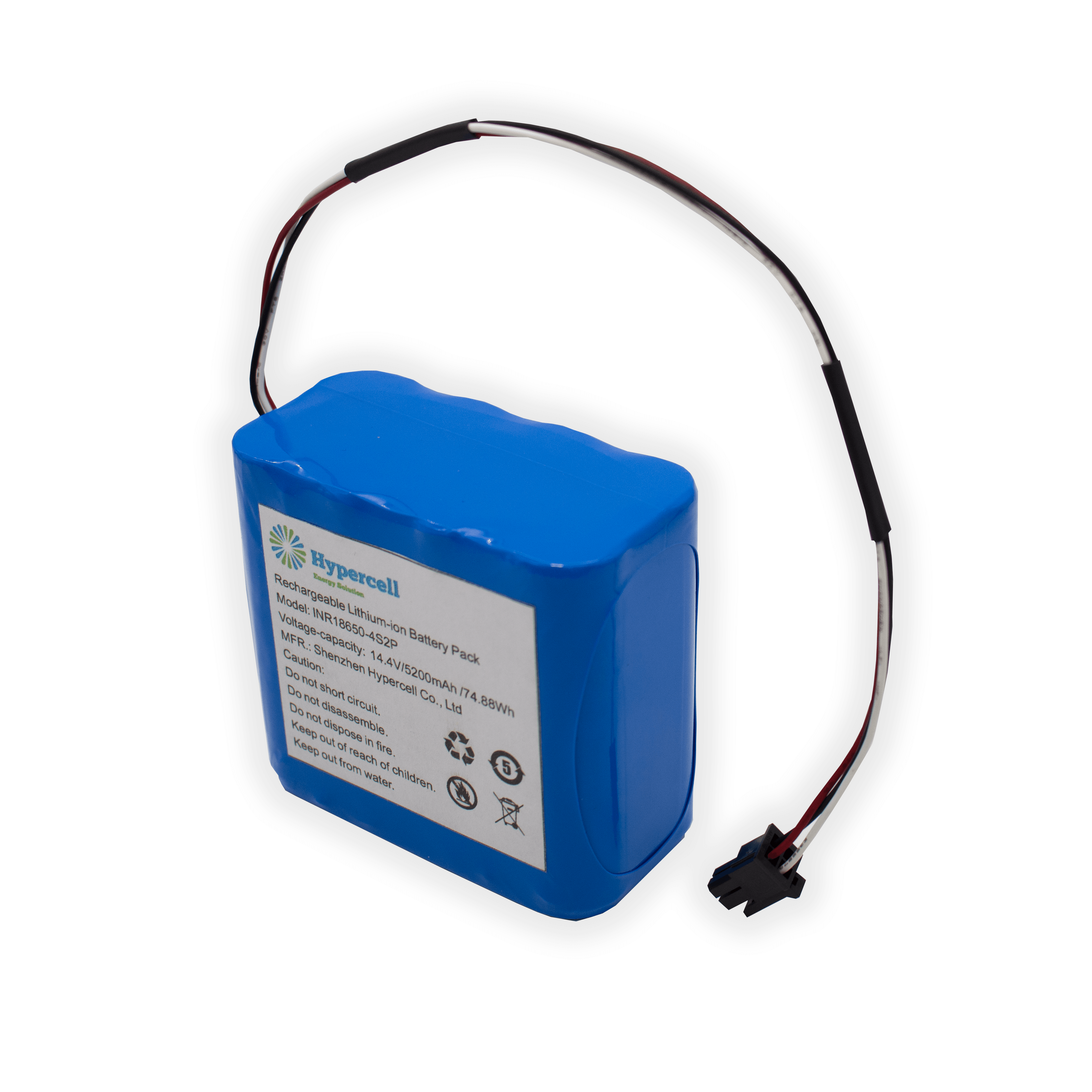
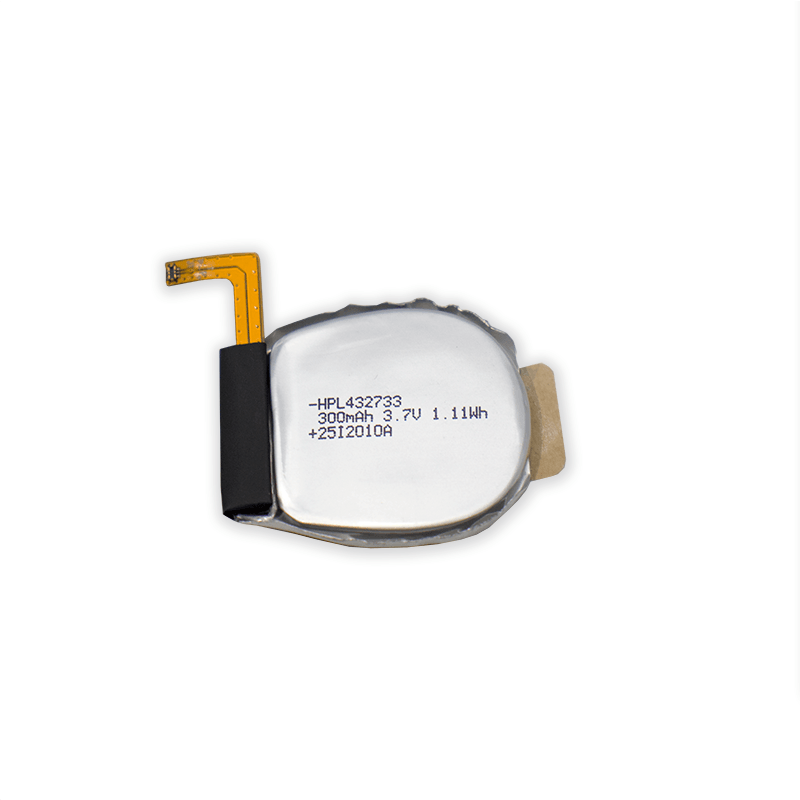
Not all factories can handle all chemistries. Determine whether you need Li-ion Cylindrical (e.g., 18650, 21700), Li-Polymer Battery (pouch cells), or LiFePO4 Battery (for high-safety or high-cycle applications). The best Chinese assembling factories offer multiple chemistries and customization services, including special form factors, wide-temperature electrolytes, and high-rate discharge. Hypercell, for instance, produces cylindrical packs (INR18650-5S1P, INR18650-4S2P, INR21700-13S10P), polymer batteries (HPL5044125-40C), and LiFePO4 solutions—all under one roof with a daily output of 30MWh.

Step 3: Evaluate R&D, Quality Control, and Supply Chain
Look for factories with in-house R&D teams (doctors, masters, senior engineers) capable of designing custom BMS and addressing special environments (high temperature, low temperature, high rate). A strong supplier will have a rigorous incoming material inspection, in-process quality gates, and final functional testing. Additionally, a resilient supply chain—with both local and global suppliers—ensures continuity. Hypercell operates three production bases in Guangdong with 1,200+ staff and an established supply chain to minimize disruption risks.
Step 4: Compare Production Scale and Lead Times
Daily output (e.g., 30MWh) indicates production capacity. For large-volume orders, confirm that the factory can scale without compromising quality. Ask about typical lead times: 2–4 weeks for standard packs, 4–8 weeks for fully customized designs. Also inquire about tooling and NRE (non-recurring engineering) costs.
Step 5: Verify Customer References and Industry Experience
A factory with 18+ years of experience (like Hypercell) serving industrial instruments, medical devices, and IoT sectors demonstrates proven reliability. Request case studies or references from buyers in your industry. This is especially important for critical applications like Medical Device Battery or Analyzer power, where failure is unacceptable.
Use Cases: Matching Factory Capabilities to Industry Needs
| Industry | Typical Battery Requirements | Recommended Factory Features |
|---|---|---|
| Medical Devices | High reliability, low leakage, long cycle life, small form factor | ISO 13485 (if available), UL listing, pouch cell expertise, BMS with protection |
| Industrial Instruments & Analyzers | Wide temperature range, high capacity, stable voltage | Cylindrical packs (18650/21700), custom BMS, thermal management |
| IoT & Smart Devices | Compact size, low self-discharge, wireless charging support | Li-Polymer expertise, thin profile, embedded BMS, low-power design |
| Robotics & E-Mobility | High current discharge, fast charging, robust mechanical design | High-rate LiFePO4 or NMC, rigid casing, multi-series packs, smart BMS |
| Consumer Electronics | Cost-sensitive, aesthetic design, standard voltages | High-volume production, automated assembly, RoHS compliance |
Comparison: Chinese vs. German vs. Japanese Battery Assembly
While this guide focuses on Chinese factories, it is helpful to understand differences:
| Aspect | Chinese Factory (e.g., Hypercell) | German Factory | Japanese Factory |
|---|---|---|---|
| Cost | Lower (30-50% less than Europe/Japan) | High | High |
| Customization Speed | Fast (1-2 weeks for prototypes) | Moderate | Moderate to slow |
| Quality Standards | ISO 9001, ISO 14001, CB, UL optional | IEC, VDA, automotive-grade | JIS, very high consistency |
| Minimum Order Quantity | Flexible (100 pcs for custom designs) | Often high MOQ | High MOQ |
| Supply Chain Integration | Vertical integration common | Highly engineered but less flexible | Excellent but rigid |
| Best For | Custom industrial, medical, IoT, cost-sensitive projects | Premium automotive, aviation | High-reliability consumer, industrial |
Frequently Asked Questions (FAQ)
A: It varies widely. Some factories accept 100–500 pcs for custom designs, while others require 1000+. Hypercell offers flexible MOQs tailored to the project complexity and chemistry.
A: Request UN38.3 test reports and IATA/IMDG classification certificates. The factory should provide these documents for every shipment. Hypercell holds Identification and Classification Reports for both Air and Sea Transport of Goods.
A: Many top-tier factories can design to UL or CE standards, but certification costs may be passed to the buyer. Check if the factory already has a CB Test Certificate, which facilitates acceptance in many regions.
A: For design changes, tooling, and BMS development, expect 4–8 weeks. Standard packs with minor modifications can ship in 2–4 weeks.
A: Request a factory audit or video tour. Look for automated assembly lines, in-line testing (voltage, IR, leakage), and a dedicated QC team. Hypercell implements ISO 9001:2015 procedures and maintains a strict “zero defect” culture.
Conclusion: Making the Right Choice
Selecting a Chinese battery assembling factory is a strategic decision that impacts product performance, time-to-market, and overall cost. Industrial buyers must go beyond price comparisons and evaluate certifications, technical depth, production scale, and industry track record. A factory like Hypercell—with 18 years of experience, ISO 9001 & 14001 certifications, multiple chemistry capabilities (cylindrical, polymer, LiFePO4), 30MWh daily output, and a dedicated R&D team—illustrates the kind of partner that can deliver consistent, safe, and customized solutions for demanding applications.
Ready to Start Your Sourcing Project?
Contact the Hypercell team for a technical consultation and free sample evaluation.
Email: info@hypercellbattery.comPhone: +86 755 2376 4134
Address: Room 2706-2707, Baoshan Shidai Building, Minqiang Community, Longhua District, Shenzhen 518131, China
www.hypercellbattery.com
Have Questions or Need More Details?
Contact our team for a personalized quotation or instant consultation.
Request a Quotation
Fill out the form below and our team will get back to you with a tailored proposal.
WhatsApp Direct Chat
Prefer to chat in real-time? Message us on WhatsApp for instant assistance & quick answers.
- Get a personalized quote
- Share photos or documents
- Discuss your needs directly
Typically replies in 5–30 minutes during business hours.