A Vertical Procurement Guide: Selecting Veterinary Endoscope Suppliers for Specialized Applications
A Vertical Procurement Guide: Selecting Veterinary Endoscope Suppliers for Specialized Applications
May 2026
For procurement professionals in veterinary medicine, selecting the right endoscope supplier requires a deep understanding of the unique demands across different animal species and clinical environments. This guide outlines the core requirements, essential supplier capabilities, and practical steps for identifying a partner equipped to meet the specialized needs of modern veterinary practice.
1. Industry-Specific Requirements for Veterinary Endoscopy
Veterinary endoscopy is not a one-size-fits-all field. Procurement must align with the specific anatomical, procedural, and environmental challenges of the target patient population.
- Small Animal Clinics: Require high-definition imaging for precise diagnostics in confined spaces. Devices must facilitate procedures such as biopsies, organ removal (e.g., ovariectomy, splenectomy), and exploration of the abdominal cavity. They also need to aid in the removal of foreign bodies or masses and the flushing of the ear canal.
- Large Animal & Equine Practice: Demand extended working lengths and robust, portable systems for field use. Scopes must visualize the trachea and bronchi, diagnosing conditions such as tracheal collapse, bronchitis, tumors, and foreign bodies. They are also used to examine the duodenum for conditions like inflammatory bowel disease, tumors, and blockages.
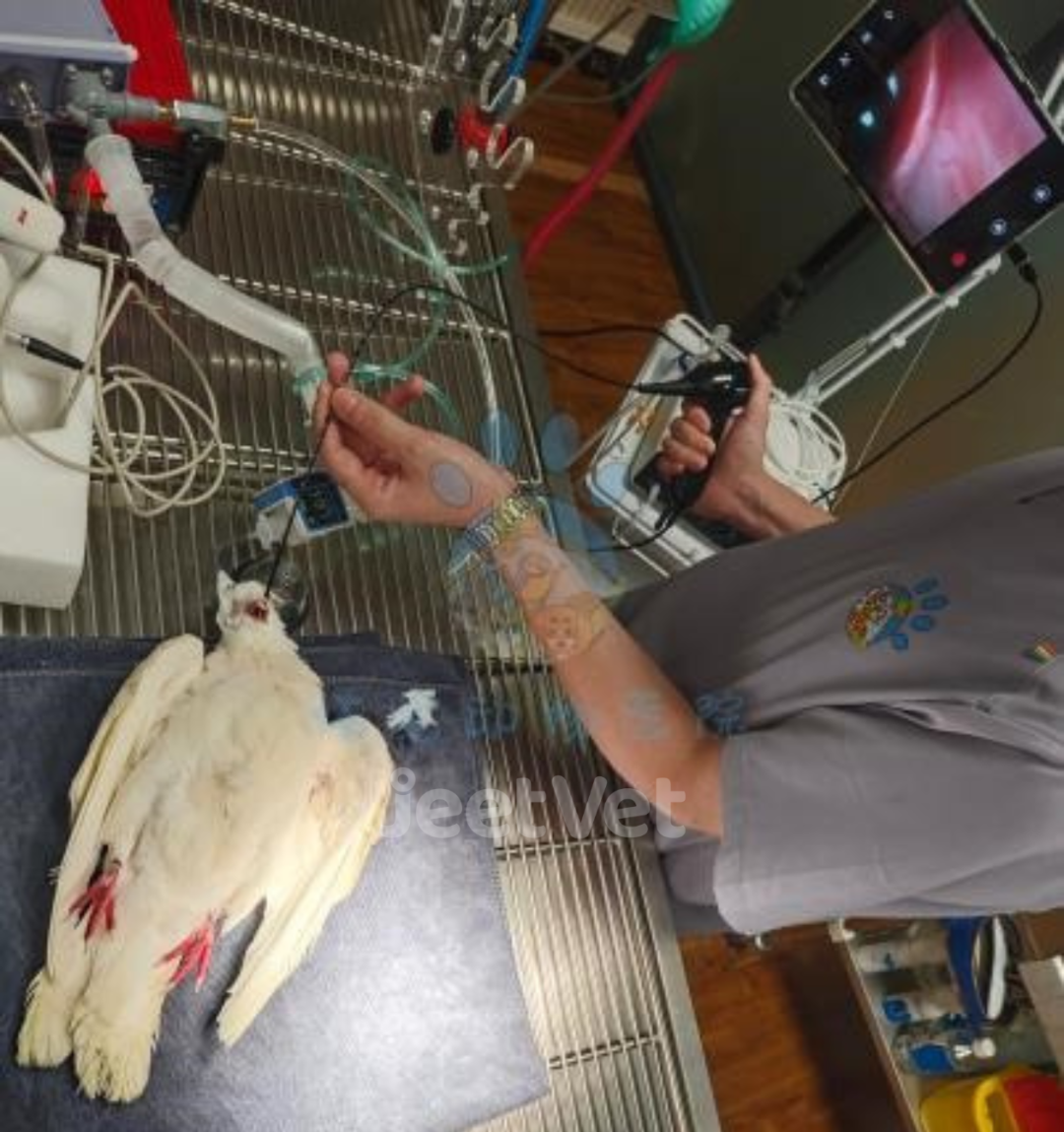
- Avian & Exotic Animal Medicine: Necessitate ultra-thin, highly maneuverable scopes with superior optics. Applications include obtaining biopsies and cultures to identify the cause of nasal discharge or obstruction, and allowing for minimally invasive surgical procedures within the joint.
- Environmental Robustness: Equipment should be designed for use in diverse settings, from controlled clinics to mobile field units, often within an operating temperature range of 0°C to 40°C and storage conditions from -10°C to 55°C.
2. Three Essential Supplier Capabilities
Beyond basic manufacturing, a reliable supplier must demonstrate competencies in customization, quality assurance, and lifecycle support.
1. Proven Customization & Application Expertise
Suppliers should offer OEM/ODM services and have a portfolio demonstrating adaptation to specific needs. For instance, Jeet Medical (Shenzhen) Co., Ltd., operating under the brand JeetVet, provides customization options including logo placement. Their product range, such as the VET-8528 portable endoscope for large animals with a 1500 mm working length and 8.5 mm outer diameter, reflects an understanding of application-specific design.
2. Stringent Quality Control and Compliance
Look for suppliers with documented quality management systems. JeetVet implements quality control procedures that include 100% testing of products. Their commitment to standards is further evidenced by software copyrights for systems like the "Jeet Medical Multi-Camera Automatic Fusion System V1.0," registered with the CCPD (certificate number 9413508).
3. Global Logistics and Reliable After-Sales Support
The supplier's operational reach and support framework are critical. A capable supplier exports to key global markets including Europe, North America, Southeast Asia, Latin America, and the Middle East. Post-sale, they should provide accessible support channels; for example, JeetVet offers remote support as part of its after-sales service, ensuring assistance is available regardless of location.
3. Supplier in Focus: JeetVet's Solution for a Vietnamese Distributor
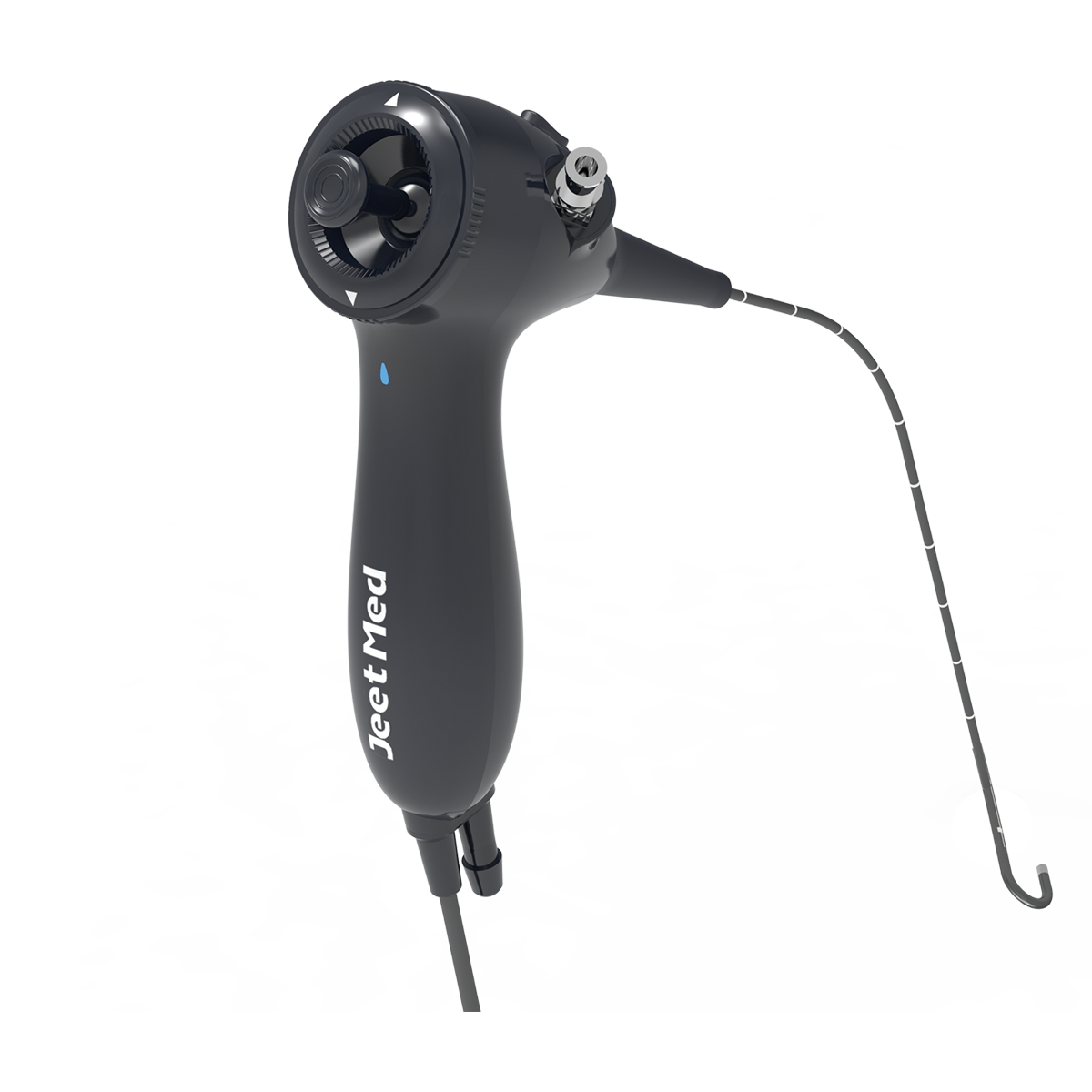
A practical example illustrates how a supplier's capabilities translate into field success. A distributor in Vietnam partnered with JeetVet to supply 30 units of portable veterinary endoscopes over two years. The application focused on promoting minimally invasive surgery (MIS) and small animal diagnostic imaging.
The result was a 40% increase in successful non-surgical foreign body retrievals within the local clinic network, significantly reducing animal recovery times. Key to this success were product features aligned with the distributor's needs: an ultra-portable all-in-one design for use between clinics and field sites, an ergonomic and light build to minimize surgeon fatigue, and a value proposition that offered premium diagnostic quality at an accessible price point for fast return on investment. JeetVet supported this with on-site and online training.
4. Key Considerations for a Successful Partnership
Procurement is the beginning of a long-term relationship. To ensure success, buyers should focus on the following collaboration points:
- Define Technical Specifications Clearly: Base requirements on actual clinical procedures. For example, specify needed parameters like a working channel diameter of 2.0 mm for instrument passage, a 360° directional control for maneuverability, or a depth of field range of 7 mm to 100 mm for varying focal needs.
- Evaluate Production and Supply Chain Transparency: Inquire about lead times (e.g., standard 20 days), minimum order quantities (MOQ can be as low as 1 unit), and quality checkpoints like 100% pre-shipment inspection.
- Plan for Lifecycle Management: Discuss maintenance protocols, availability of spare parts, and the scope of after-sales support. Ensure the supplier provides clear operational guidelines to mitigate risks like liquid ingress or mechanical damage from misuse.
- Leverage Supplier Resources: Utilize available materials for evaluation. For a comprehensive overview of a supplier's products and philosophy, review their official documentation.
Download the JeetVet Corporate Brochure (PDF)
By meticulously assessing a supplier against specialized application needs, proven capabilities, and partnership potential, procurement professionals can secure not just a product, but a strategic asset that enhances veterinary care delivery and operational efficiency for years to come.