
The Ultimate Buyer’s Guide to Rod Ends & Spherical Plain Bearings: How to Choose the Right Supplier for Your Application
The Ultimate Buyer’s Guide to Rod Ends & Spherical Plain Bearings: How to Choose the Right Supplier for Your Application
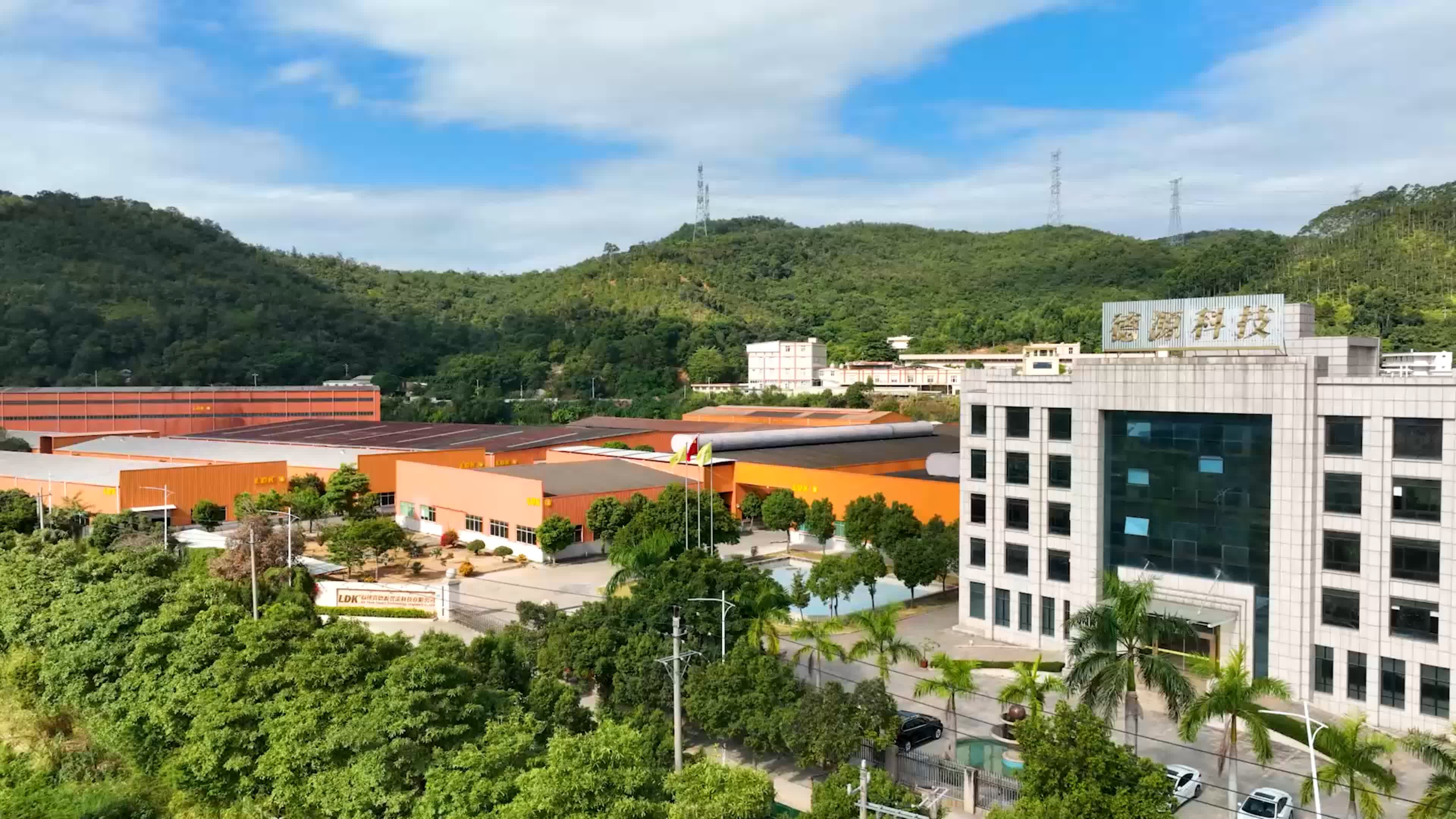
Selecting the correct rod end bearing or spherical plain bearing is a critical decision for any engineer or procurement professional. These components are the unsung heroes of mechanical power transmission, allowing articulated motion, compensating for misalignment, and handling heavy loads in everything from construction equipment to solar trackers. But with hundreds of material combinations, thread types, and maintenance options available, how do you find the supplier that truly understands your application? This buyer’s guide provides a structured, expert approach to evaluating rod ends and spherical plain bearings, helping you navigate the market and make a confident choice. We will use LDK (DE YUAN SMART TECHNOLOGY (FUJIAN) CO., LTD) as a benchmark manufacturer to illustrate best practices and industry standards.
Problem Definition: The Challenge of Sourcing Rod Ends & Spherical Plain Bearings
Procurement professionals often face several pain points:
- Vast product variety: Inch vs. metric, male vs. female thread, re-greasable vs. maintenance-free, steel-on-steel vs. PTFE composite – the options are overwhelming.
- Application-specific requirements: A bearing used in a food processing washdown environment demands stainless steel and solid-lube, while a hydraulic cylinder on an excavator needs steel-on-steel with a grease nipple.
- Supplier reliability: Inconsistent quality, long lead times, and lack of technical support can derail production schedules.
- Cost vs. performance: Choosing a cheap, commodity-grade rod end may lead to premature failure, unscheduled downtime, and higher total cost of ownership.
The core question every buyer must answer is: “How do I identify a supplier that offers the right combination of engineering expertise, manufacturing capability, and quality assurance for my specific rod end and spherical plain bearing needs?”
Industry Background: Where Rod Ends & Spherical Plain Bearings Are Used
Rod ends (also known as Heim joints, rose joints, or ball joints) and spherical plain bearings are found in virtually every industry that requires rotational or oscillating motion under load. Key sectors include:
- Construction equipment – excavators, bulldozers, wheel loaders (high dust, extreme temperatures, heavy impact)
- Agricultural machinery – harvesters, tractors, mowers (mud, debris, continuous operation)
- Automotive & off-road vehicles – steering linkages, suspension, sway bars (vibration, high cycle frequency)
- Renewable energy – solar tracking systems (outdoor UV, corrosion, maintenance-free for years)
- Industrial automation & robotics – pneumatic cylinders, grippers, packaging equipment (precision, low friction)
- Textile machinery – high-speed spindles, lint-filled environments
- Food processing & medical equipment – washdown, corrosion resistance, FDA compliance
As the market demands higher performance and longer service life, manufacturers like LDK (with 30+ years of experience, IATF 16949 certification, and a 90,000 m² factory) have developed extensive product ranges to meet these diverse needs.
Detailed Solution: Understanding Rod End & Spherical Plain Bearing Types
To make an informed choice, you must first understand the basic classifications:
1. Measurement System: Inch vs. Metric
Rod ends are available in both inch and metric dimensions. For example, LDK offers inch series (F, CF, JFX, POSB) with shaft diameters from 4.826 mm (0.19") to 25.4 mm (1"), and metric series (PHS, CHS, NPHS, SI..C, SI..ES) from 5 mm up to 80 mm. Always verify which standard your assembly requires.
2. Thread Type: Male vs. Female & Hand Orientation
Rod ends connect via a threaded shank. Female-thread models (e.g., F, CF, PHS, CHS) accept a bolt, while male-thread models (e.g., POSB, NPHS, SCOS) act as a stud. Default is right-hand thread, but left-hand thread or special pitch/accuracy can be custom-ordered. LDK provides this flexibility on all metric and inch series.
3. Lubrication & Maintenance
- Re-greasable – steel-on-steel or steel-on-brass designs with grease fittings (e.g., LDK F series, CF series, PHSB series). Ideal for high-load, high-cycle applications where periodic maintenance is acceptable.
- Maintenance-free (self-lubricating) – incorporate PTFE composite liners or nylon races (e.g., LDK JFX..T, CHS, NPHS, SPOSB..EC). Perfect for sealed systems or locations where re-greasing is impossible, such as gas springs or food machinery.
4. Construction: 2-Piece vs. 3-Piece
- 2-piece – ball and one-piece body (e.g., CF, SPOS..EC). Simple, cost-effective, often maintenance-free.
- 3-piece – ball, body, and separate race (e.g., F, PHSB, JFX). Allows different materials for race (brass, PTFE composite) for improved wear or load capacity.
5. Material Combinations
| Sliding Surface | Typical Construction | Load Capacity | Maintenance | Best For |
|---|---|---|---|---|
| Steel / Steel | 2-piece or 3-piece | Very high | Re-greasable | Heavy-duty construction, mining |
| Steel / Brass | 3-piece (brass race) | High | Re-greasable | Automotive, general machinery |
| Steel / PTFE Composite | 2-piece or 3-piece | Medium-high | Maintenance-free | Food processing, sealed applications, aerospace |
| Steel / Nylon Polymer | 2-piece or 3-piece | Medium | Maintenance-free | Low-load, low-noise, cost-sensitive |
| Stainless Steel / PTFE | Full stainless construction | Medium | Maintenance-free | Corrosive environments, washdown |
Step-by-Step: How to Choose the Right Rod End or Spherical Plain Bearing
- Define your operating conditions: Load (static/dynamic), temperature range, environmental factors (dust, moisture, chemicals), cycle frequency, and required life. Use application-specific data from suppliers like LDK’s application scenario library.
- Determine the motion type: Rotational, oscillating, or linear? Spherical plain bearings excel in oscillating motion; rod ends for linkages.
- Select measurement system and thread: Match the mating component’s thread size and hand. LDK offers both inch and metric with customizable threads.
- Choose lubrication strategy: Can the assembly be re-greased? If yes, steel-on-steel or steel-on-brass offers highest load. If no, select maintenance-free with PTFE composite or nylon.
- Evaluate supplier capabilities: Look for certifications (IATF 16949, ISO 14001, ISO 45001), in-house manufacturing (foundry to assembly), R&D support, and traceability. LDK, for example, operates a fully integrated 90,000 m² facility with 12 engineers and can provide PPAP Level 3 documentation.
Use Cases: Real-World Applications of Rod Ends & Spherical Plain Bearings
The following examples illustrate how LDK’s products solve industry-specific challenges:
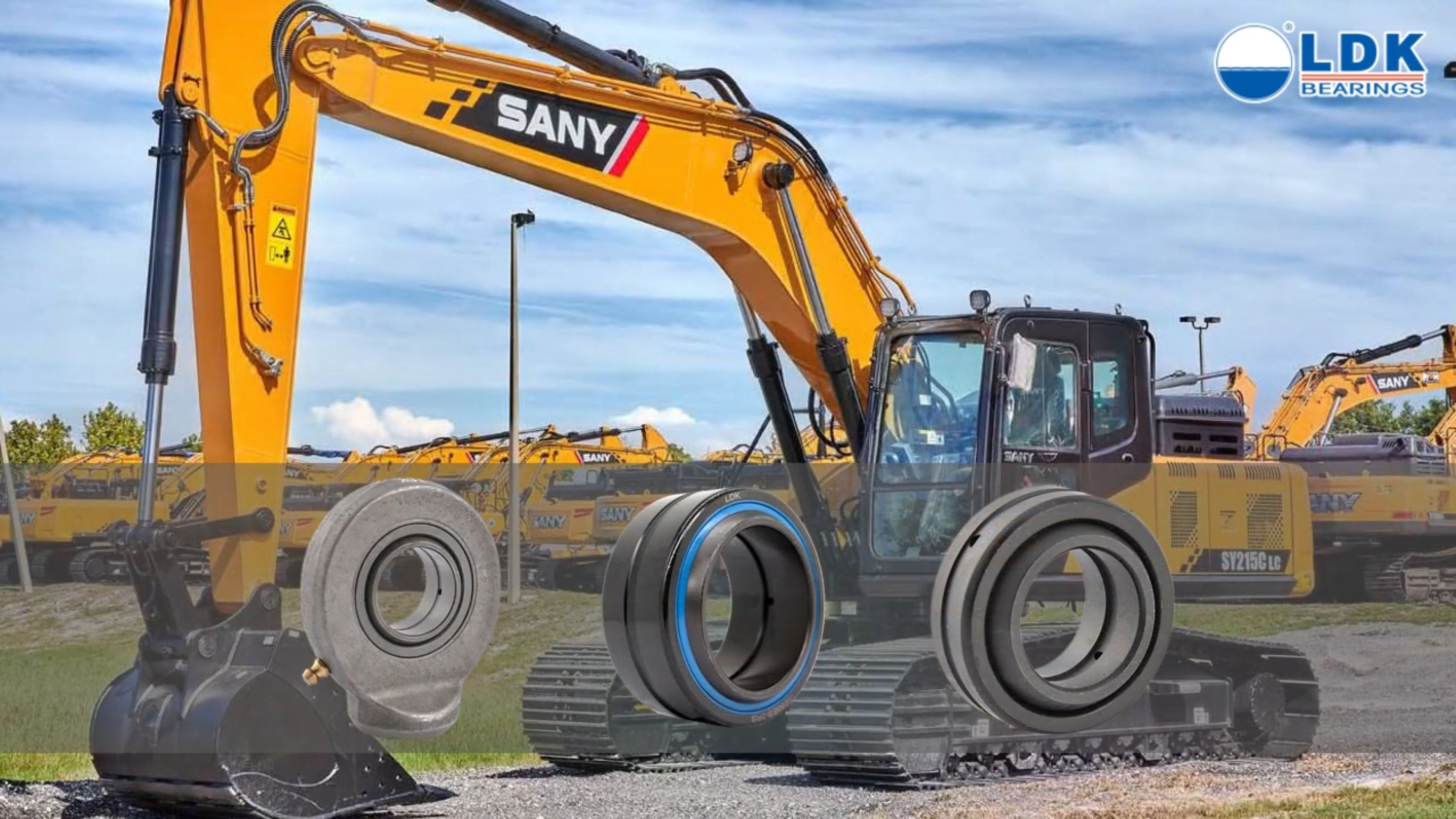
Construction Equipment – Hydraulic Rod Ends (SK..ES series)
For earthmoving machinery operating under extreme dust, mud, and high impact, LDK’s welded hydraulic rod ends (shaft diameters 10–80 mm) are mounted with GE..ES spherical plain bearings. These are re-greasable via grease nipple, feature a phosphated inner ring (HRC 58-64), and are designed for continuous 24/7 operation in temperatures from -20°C to +50°C. “Special requirements include self-aligning, sealed against dust/water, and large misalignment capability.”
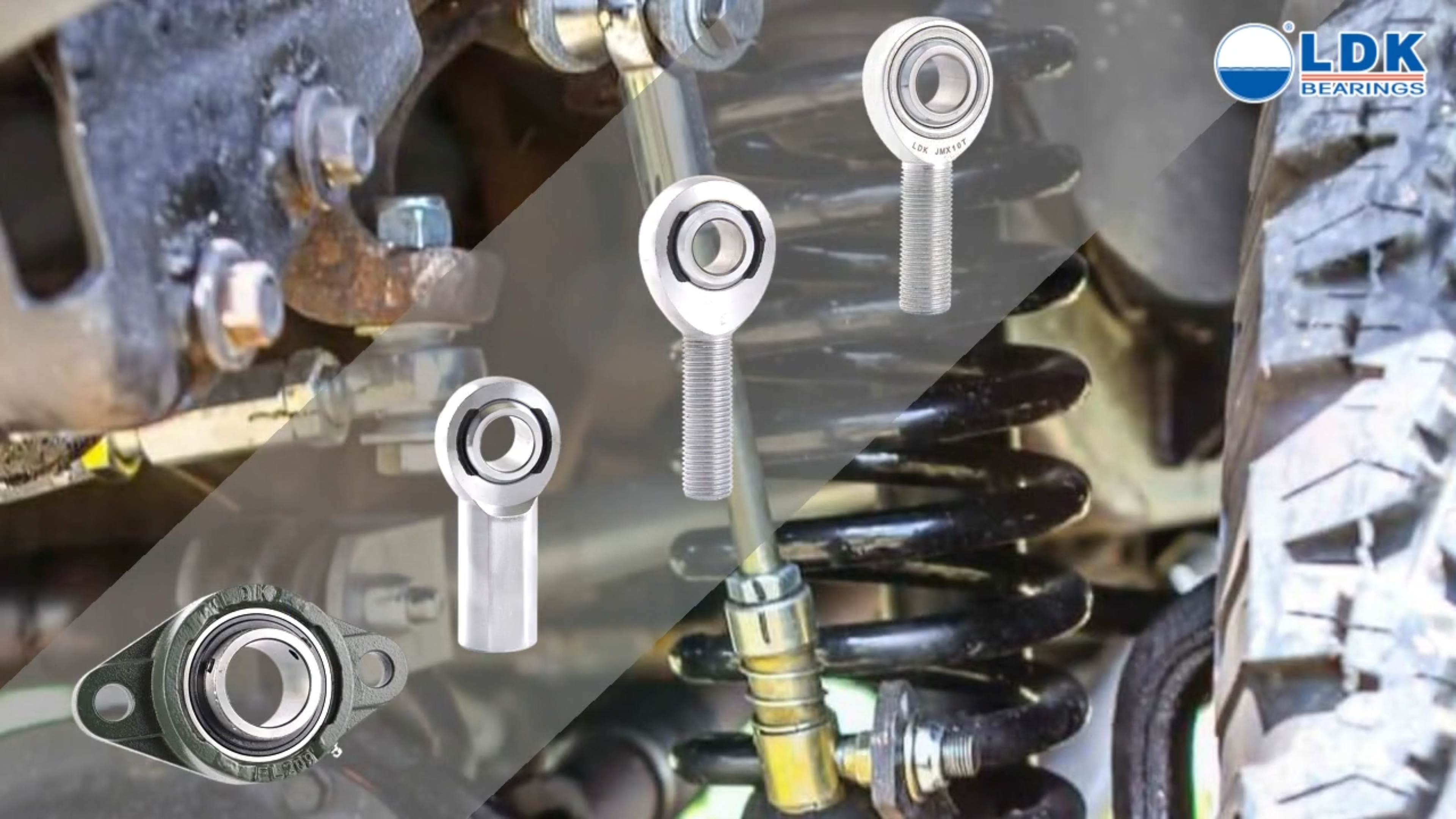
4x4 Off-Road Vehicles – High-Strength Rod Ends (JFX..T series)
In sway bar links and steering stabilizers, rider demands extreme impact and vibration. The JFX..T series (inch, 3-piece, maintenance-free, steel/PTFE composite) provides heavy-duty load rating with a heat-treated alloy steel body and GCr15 ball (HRC56 min). LDK’s version supports shaft diameters 0.19" to 1" and is designed for mud and sand immersion.
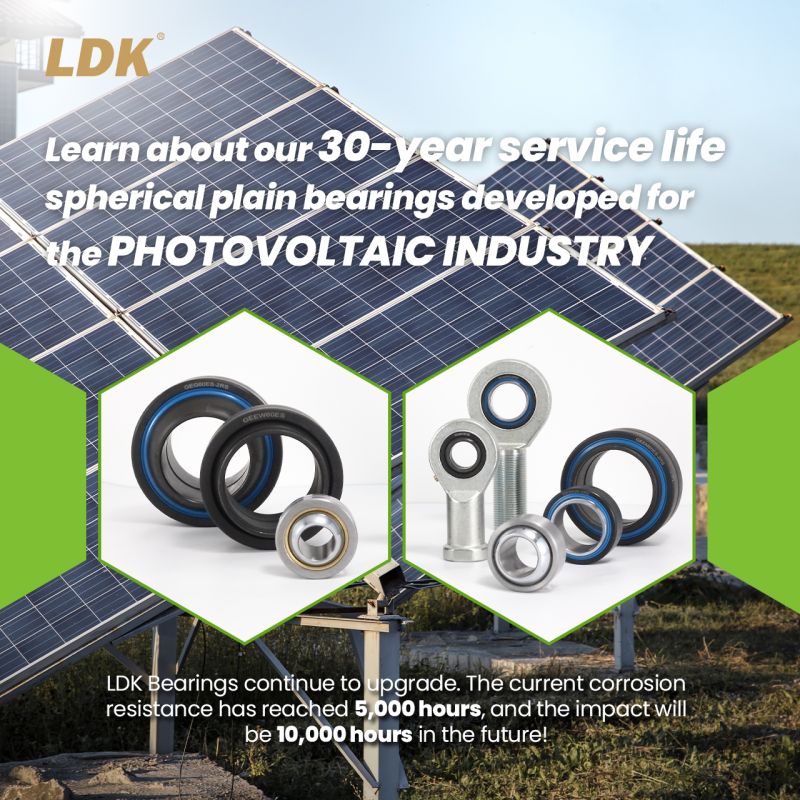
Solar Tracking Systems – Corrosion-Resistant Spherical Plain Bearings (SGE..PW series)
Outdoor 24/7 exposure to UV, sand, and salt spray demands maintenance-free, corrosion-proof components. LDK’s SGE..PW series features a 304 stainless steel outer ring with PTFE composite liner and a 440 stainless steel inner ring, shaft diameters 5–30 mm. These bearings are self-lubricating and designed for years of trouble-free operation.
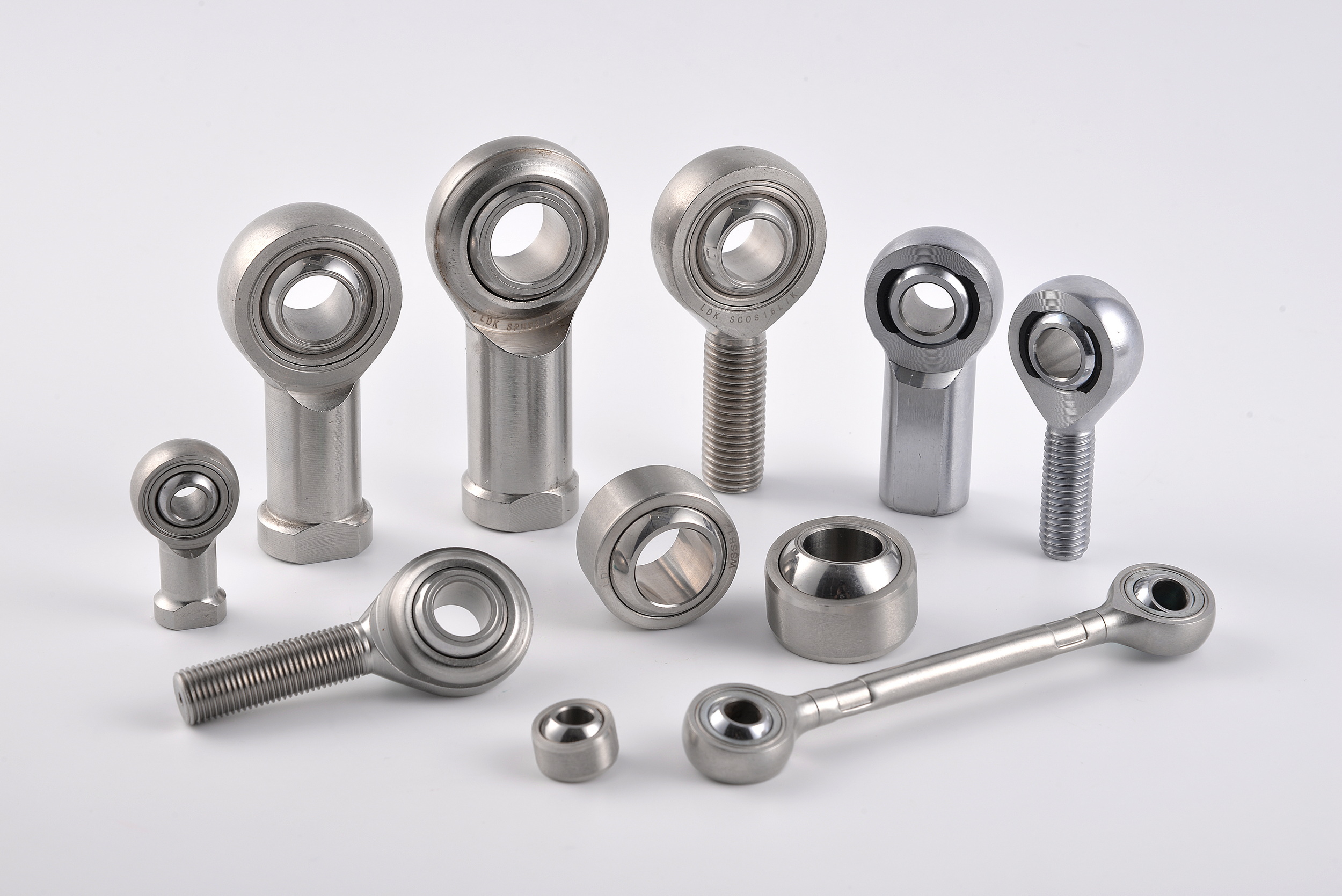
E-Bikes & Mobility – Lightweight Stainless Steel Rod Ends (SPOS..EC series)
For special needs tricycles and wheelchairs, compact, low-friction rod ends are essential. LDK’s SPOS..EC series (inch, 2-piece, male thread, stainless steel body/ball) offers maintenance-free operation with steel/PTFE composite sliding surfaces in shaft diameters 4.826–19.05 mm, ideal for low-speed, precise motion.
Comparison: LDK vs. Standard Competitors
When evaluating suppliers, consider the gaps in product breadth and quality control. Based on LDK’s comparison data:
| Feature | LDK Bearings | Standard Competitors |
|---|---|---|
| Active SKUs | 3,000+ (specialty materials & coatings) | <300 (commodity-grade parts only) |
| In-House Manufacturing | 100% (foundry, turning, heat treatment, assembly) | >70% outsourced to workshops |
| First-Year Failure Rate | <0.05% | ~3.5% |
| Procurement Overhead | Reduced by 40% (one-stop consolidation) | Fragmented multi-vendor supply chain |
| Certifications | IATF 16949, ISO 14001, ISO 45001, RoHS, REACH | Often unverified or minimal |
| Customization Lead Time | 1–2 weeks for R&D sampling | 6–8 weeks or unable to meet |
Frequently Asked Questions (FAQ)
Q1: What is the difference between a rod end and a spherical plain bearing?
A: A rod end integrates a spherical plain bearing inside a threaded housing, allowing it to be mounted at the end of a rod. Spherical plain bearings are standalone components used in applications where a rod end is not required. Both accommodate angular misalignment and oscillating motion.
Q2: How do I know if I need inch or metric rod ends?
A: Check the thread size of your mating component. Inch rod ends are common in North American off-road and agricultural equipment; metric are standard in European machinery and industrial automation. LDK offers both systems.
Q3: Can I get a rod end with left-hand thread?
A: Yes, most manufacturers including LDK can produce left-hand thread or special pitch/accuracy on request. This is crucial for applications where rotation might loosen a right-hand thread.
Q4: What is the best material for a washdown environment?
A: For food processing or outdoor washdown, choose all-stainless steel rod ends with a maintenance-free PTFE composite lining. LDK’s SPOS..EC (inch) and SPOS..EC (metric) series are ideal, with 304 stainless body and 440 stainless ball, precision ground.
Q5: How does LDK ensure quality?
A: LDK operates under IATF 16949, with an in-house laboratory for fatigue life, tensile strength, noise & vibration, and salt spray testing. Every shipment can be traced via production dates and barcodes, and raw materials are verified with Mill Test Certificates.
Q6: What is the MOQ for custom rod ends?
A: LDK offers flexible manufacturing, with MOQ as low as 1 piece for specialized items. For standard production, 5K units is typical, but mixed container shipments are possible to combine high-volume and low-volume items.
Q7: Can I get samples for testing?
A: Yes, LDK supports rapid prototyping. Contact their engineering team at kzhang@ldk-bearings.com or +86 592-5807618 for sample requests.
Conclusion
Selecting the right rod ends and spherical plain bearings does not have to be a gamble. By understanding your application’s load, environment, and maintenance constraints, and by partnering with a manufacturer that demonstrates vertical integration, broad product range, and rigorous quality systems like LDK, you can reduce procurement risk, lower total cost of ownership, and improve equipment reliability. Download the full LDK product brochure below for detailed specifications, drawings, and application guidelines.