Ultimate Buyer's Guide to Rod Ends & Spherical Plain Bearings: How to Choose the Right Supplier for Your Application
Ultimate Buyer's Guide to Rod Ends & Spherical Plain Bearings: How to Choose the Right Supplier for Your Application
Rod ends (also known as heim joints, rose joints, or fish eye bearings) and spherical plain bearings are critical components in mechanical linkages, enabling smooth articulation, misalignment compensation, and reliable power transmission across countless industries. Whether you are designing agricultural machinery, construction equipment, automotive suspension, solar tracking systems, or industrial automation, selecting the right rod end or spherical plain bearing — and more importantly, the right supplier — directly impacts equipment uptime, total cost of ownership, and safety compliance.
What Are Rod Ends and Spherical Plain Bearings?
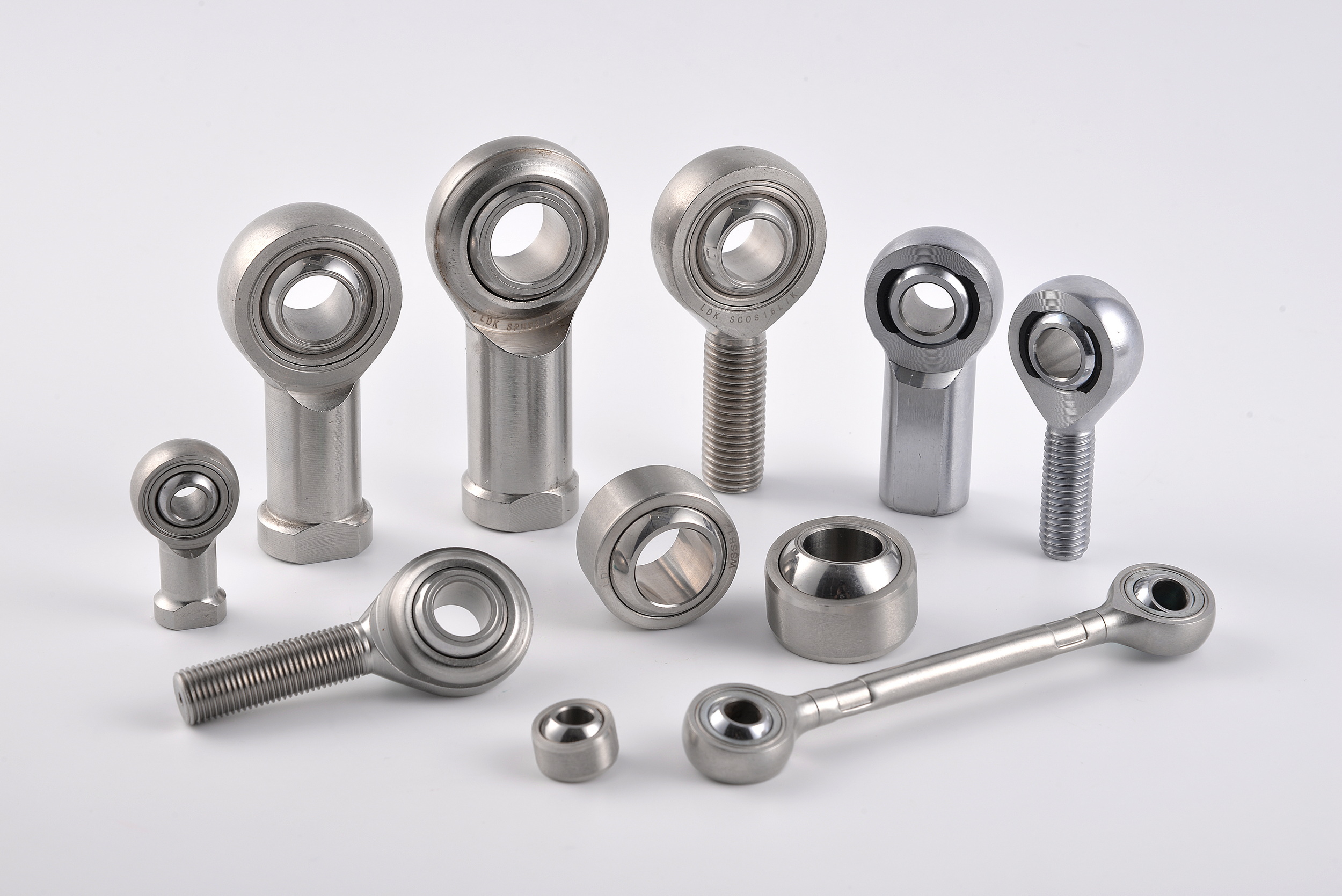
Rod Ends are mechanical joints consisting of a spherical ball housed within a body, with an integral threaded shank (male or female) for attachment to a rod or linkage. They allow angular misalignment while transmitting axial and radial loads. Spherical Plain Bearings are plain bearings with a sphered inner ring and outer ring, enabling oscillation and tilting movements without rolling elements. They are often integrated into rod end assemblies or used independently in heavy-duty pivots.
- Key difference: Rod ends are complete assemblies with a connecting body and thread; spherical plain bearings are component bearings that can be mounted into housings or rod end bodies.
- Common synonyms: Heim joint, rose joint, uniball, clevis rod end, studded rod end, radial spherical plain bearing, self-lubricating bearing.
Understanding this distinction is the first step in specifying the correct product for your use case.
Why This Matters: The Cost of Choosing the Wrong Supplier
Across industries — from textile machinery and railway engineering to photovoltaic trackers and 4x4 off-road vehicles — rod ends and spherical plain bearings must withstand harsh conditions: extreme temperatures, shock loads, mud, salt spray, and high-frequency oscillation. A substandard bearing leads to premature failure, unscheduled downtime, and warranty claims.
According to industry benchmarks, first-year structural failure rates with standard commodity suppliers can reach ~3.5%, whereas manufacturers with rigorous IATF 16949 quality systems (like LDK) achieve <0.05% failure rates. Choosing the right supplier is not just about price; it is about reliability, compliance, and long-term partnership.
How to Evaluate and Select a Rod Ends & Spherical Plain Bearings Supplier
When sourcing these components, buyers should consider five critical dimensions:
1. Material and Coating Options
Your operating environment dictates material selection:
| Environment | Recommended Material | LDK Offering |
|---|---|---|
| Standard indoor / moderate load | Carbon steel with zinc plating | JF, JM, POS series (steel/steel or steel/brass) |
| High corrosion / food / marine | Stainless steel (304/440) | WSSB, SCOM, SCOS, SPOSB..EC series |
| Heavy shock / off-road / high temp | Alloy steel (chromoly), heat treated | JFX, NXM, JMX series |
| Maintenance-free / sealed cavities | PTFE composite or fabric liner | GE..ET-2RS, SI..C, COM..T, GX..T series |
LDK offers over 3,000 active SKUs with diverse material combinations, including specialized surface treatments (zinc, chrome, phosphate) and liners (PTFE, nylon, brass) — far exceeding the typical <300 SKU commodity catalog.
2. Manufacturing Capability and Quality Control
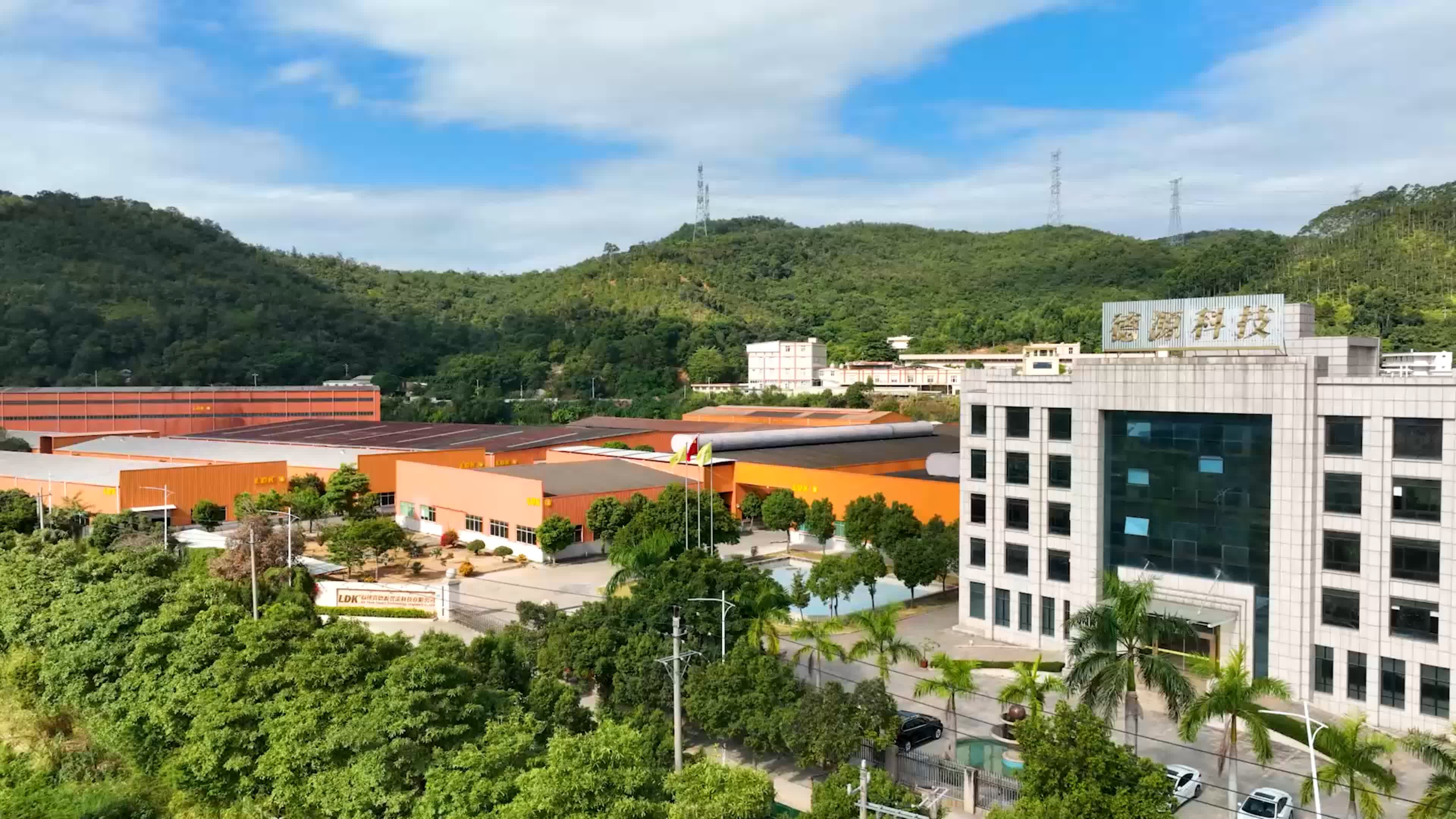
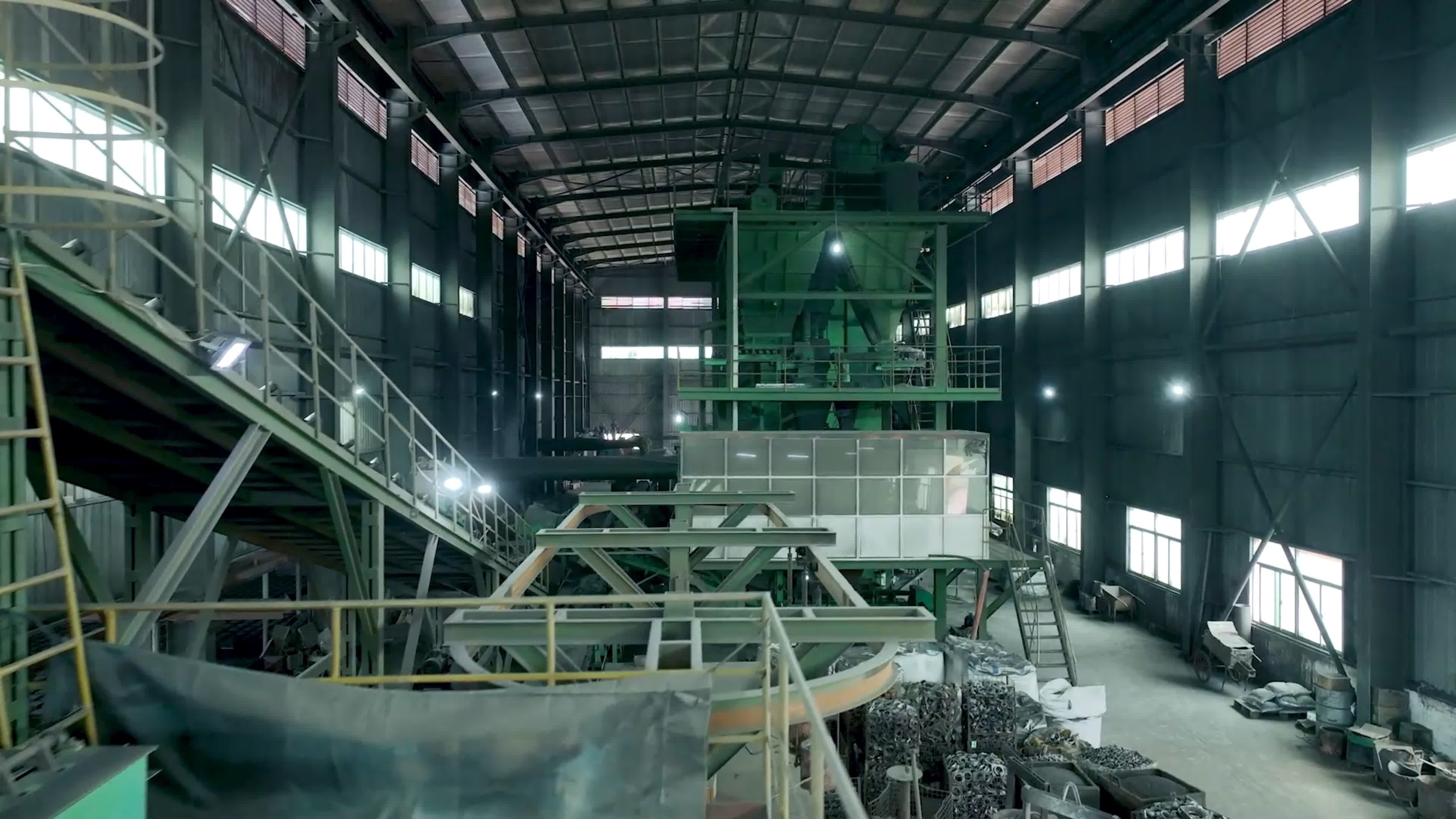
Vertical integration is a major differentiator. LDK operates a 90,000 m² facility with in-house foundry/casting, turning, heat treatment, grinding, injection molding, painting, and assembly. This eliminates the risk of fragmented outsourcing (>70% in competitors) and ensures full traceability.
- Certifications: IATF 16949, ISO 14001, ISO 45001, RoHS (SGS verified), REACH
- Testing labs: Fatigue life, tensile strength, noise & vibration, salt spray, high/low temperature
- PPAP Level 3 documentation available for automotive and industrial OEMs
3. Product Range and Customization
A one-stop supplier reduces procurement overhead by ~40% and simplifies logistics. LDK’s rod end portfolio includes:
- Inch series: JF, JM, JFX, NXM, PHSB, SPOSB..EC — shaft diameters 0.19" to 1" (4.826–25.4 mm)
- Metric series: POS, NPOS, NCHS, SCOS, SI..C, SI..ET-2RS — shaft diameters 3 mm to 80 mm
- Specialty: Hydraulic rod ends (SK..ES), rod end linkages (pre-assembled), loader slot rod ends (NXM, NPOS), injection molded types
- Spherical plain bearings: Inch (COM, SCOM, WSSB, MIB..T, AIB..T, SIB..T) and metric (GE..ET-2RS, GEG..ES, GX..T, GEEM..ES-2RS) — shaft diameters 4 mm to 300 mm
- End fittings: Clevis ends Y (male) and CEF (female) per DIN71751/DIN71752, rod clevis
Custom options: left-hand threads, different thread pitches, special coatings, private labeling, custom packaging.
4. Application Expertise and Technical Support
LDK’s team of 12 R&D engineers and 130 skilled employees collaborate with clients to provide optimized 2D/3D designs, material recommendations, and reliability validation. Example applications:
- Heavy truck pneumatic actuator: LDK provided a maintenance-free rod end capable of 5 million movements, -40°C to +300°C, withstanding road salt and vibration.
- Solar tracking system: WSSB and SCOM stainless steel spherical bearings with UV protection, corrosion resistance, and 25-year maintenance-free life.
- Food processing machinery: Solid-lube bearings with FDA/HALAL compliance, zero grease contamination, 4-5x washout resistance vs. standard.
5. Commercial Terms and Supply Chain Flexibility
LDK offers flexible MOQ (as low as 1 piece for long-tail items), mixed container shipments, and multiple incoterms (FOB, CIF, DDP). For strategic OEM accounts, VMI (Vendor-Managed Inventory) and credit terms (Usance L/C or O/A 30-60 days) are available. This aligns with buyers’ working capital optimization goals.
Step-by-Step Selection Process
- Define your operating conditions: Load type (radial/axial), oscillation angle, frequency, temperature, contamination (dust, water, chemicals), required life.
- Choose maintenance type: Greasable (steel/steel) for accessible applications; maintenance-free (PTFE/nylon) for sealed or inaccessible locations.
- Select thread configuration: Male or female, right-hand or left-hand, metric or inch, standard or special pitch.
- Confirm material and coating: Carbon steel zinc plate for economy; stainless steel for corrosion; alloy steel for heavy duty.
- Request documentation: Material certificates (MTC), RoHS/REACH, PPAP, test reports.
- Evaluate supplier capabilities: Manufacturing processes, certifications (IATF 16949), testing labs, lead times.
- Request samples or prototypes: Validate fit and performance in your actual assembly.
Real-World Use Case: Heavy Truck OEM
Challenge: A UK-based heavy truck OEM required a rod end connecting a pneumatic actuator to a lever in the exhaust system — operating from -40°C to 300°C, exposed to road salt and vibration, with a target of 5 million movements without maintenance.
Solution: LDK designed a custom rod end bearing with alloy steel body, high-temperature PTFE fabric liner, and corrosion-resistant coating. The assembly passed rigorous testing and has been in production for over 12 months.
Result: Zero field failures, reduced warranty claims, and a trusted long-term partnership.
Frequently Asked Questions
- Q: What is the difference between a rod end and a spherical plain bearing?
- A: A rod end is a complete assembly with a threaded body (shank) that connects to a rod; it contains a spherical plain bearing inside. A spherical plain bearing is a standalone component (inner ring + outer ring) used in housings or rod end bodies.
- Q: When should I choose maintenance-free (self-lubricating) rod ends?
- A: Use maintenance-free when the bearing is sealed inside a cylinder or cavity that cannot be re-lubricated, or when operating in clean environments where grease leakage is unacceptable (e.g., food processing). LDK offers PTFE composite, PTFE fabric, and nylon race options.
- Q: Can LDK customize thread size or direction?
- A: Yes. Right-hand thread is standard, but left-hand thread with different pitch or accuracy is available upon request. We also offer metric and inch sizes.
- Q: What certifications does LDK hold?
- A: IATF 16949:2016, ISO 14001:2015, ISO 45001:2018. Additionally, specific products are RoHS verified by SGS (certificates XMNEC25002178301_1 and XMNEC25002178901_3).
- Q: How do I get started with a quotation?
- A: Contact us at kzhang@ldk-bearings.com or call +86 592-5807618. Provide your application details and we will recommend the optimal solution.
Conclusion: Why LDK Should Be Your Preferred Supplier
Choosing the right brand for rod ends and spherical plain bearings is a strategic decision that affects equipment reliability, maintenance costs, and overall supply chain efficiency. LDK — established in 1986 with over 30 years of experience — combines engineering depth, manufacturing scale, and quality excellence under one roof.
- 3,000+ active SKUs covering inch/metric, steel/stainless, maintenance-free, and specialty designs
- 100% in-house production from casting to assembly, ensuring quality control and flexible customization
- IATF 16949 certified with comprehensive testing (fatigue, tensile, noise, salt spray)
- Global export to Europe, North America, Latin America, Oceania (60% export ratio)
- Proven case studies across heavy trucks, solar, food processing, off-road, and more
Download the LDK brochure for complete product specifications and company overview:
Contact us today to discuss your project requirements.