How to Choose a Certified Steel Supplier: A Buyer’s Guide for Quality & Compliance
How to Choose a Certified Steel Supplier: A Buyer’s Guide for Quality & Compliance
When sourcing steel for critical infrastructure, automotive components, solar projects, or industrial machinery, the supplier’s ability to provide certified materials is not a luxury—it is a necessity. Buyers increasingly face strict compliance requirements from end customers, regulatory bodies, and international standards organizations. A single non-conforming batch can lead to project delays, safety hazards, costly rework, and reputational damage. This comprehensive buyer’s guide walks you through every step of selecting a steel supplier that meets recognized certification standards, with real-world examples from MESCO STEEL, a globally trusted steel exporter based in Dalian, China.
What Is a Certified Steel Supplier?
A certified steel supplier is a manufacturer or distributor that holds independently audited certifications proving their products and processes comply with international quality, safety, and environmental standards. These certifications include ISO 9001:2015 for quality management, SGS third-party testing, CE marking for the European market, and various product-specific standards such as ASTM, JIS, EN, API, and GB. Certification assures buyers that the supplier consistently delivers materials with verified chemical composition, mechanical properties, coating performance, and dimensional tolerances.
Why Is Certification Important in Steel Sourcing?
- Regulatory Compliance: Many regions require CE marking for construction steel, API certification for oil & gas pipes, or local standards for infrastructure projects.
- Risk Mitigation: Certified suppliers undergo regular audits, reducing the chance of material failure, non-conformance, or supply chain disruptions.
- Market Access: Exporting to the EU, Middle East, Southeast Asia, or South America often mandates third-party test reports and product traceability.
- Long-Term Reliability: Consistent quality minimizes maintenance costs and extends service life of steel structures.
Industry Background: Steel Certification Ecosystem
The global steel industry operates under multiple certification frameworks. For example:
| Certification | Applicable Markets | Key Standards |
|---|---|---|
| ISO 9001:2015 | Global (especially EU) | Quality management system requirements |
| SGS Testing | Global, Middle East, Southeast Asia | ISO 6892-1:2019, EN ISO 1460:2020, ASTM E415-17 etc. |
| CE Marking | European Union | EN 12100:2010, EN 60204-1:2018, EN IEC 61730 series |
| API 5L | Oil & Gas worldwide | American Petroleum Institute specification |
Leading suppliers like MESCO STEEL maintain a portfolio of certifications to serve diverse international customers. For instance, MESCO’s ZAM Steel (Zn-Al-Mg coated) holds both SGS certificate #DLIN22000393ML01_EN for the EU market and CE certificate #ICR/VC/HS2508151 for photovoltaic components, ensuring full compliance for solar mounting structures and outdoor infrastructure.
How Does a Certified Steel Supplier Work?
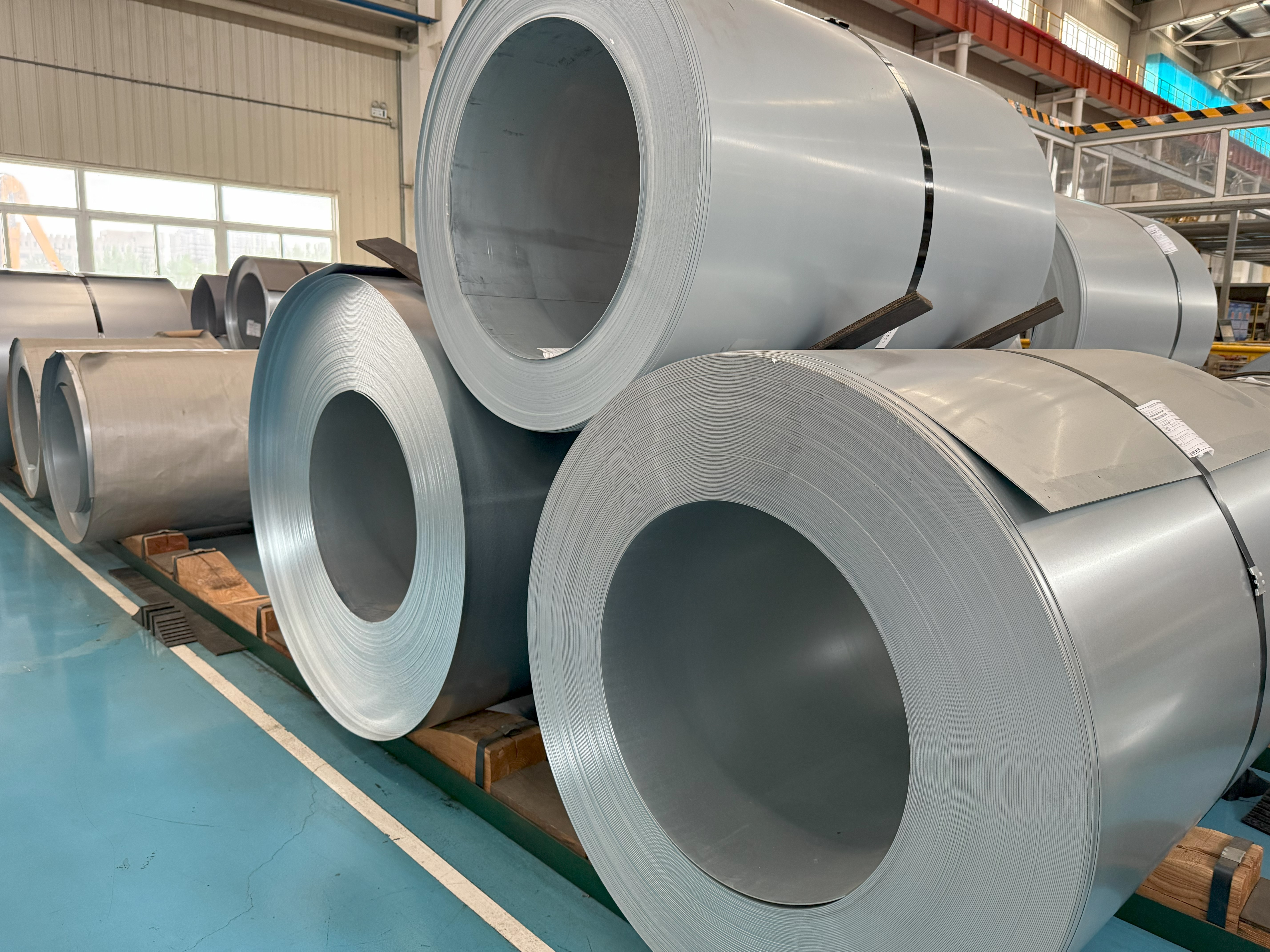
A certified supplier operates a multi-stage quality control system: raw material inspection from mills, in-process monitoring during production, third-party laboratory testing, and final verification before shipment. MESCO, for example, implements these steps across its 40,000 m² factory with 120 employees and a dedicated R&D team of 5 engineers. They offer OEM/ODM customization with a monthly capacity of 50,000 MT and lead times as short as 3–7 days for stocked products. Every batch is tested for thickness, coating weight, mechanical properties, and surface quality; reports are shared with buyers for full traceability.
Step-by-Step Guide to Selecting a Certified Steel Supplier
- Define Your Certification Requirements
Identify the target market (e.g., EU, UAE, India) and applicable standards. For solar projects in the EU, you need CE-marked ZAM steel. For water pipelines in Nigeria, API 5L or ASTM A53 certification may be required. - Request and Verify Certificates
Ask the supplier to provide current certificates. For example, MESCO can share its ISO 9001:2015 certificate (AMTIVO/CN/250009), SGS reports for galvanized steel (#DLIN2111002660ML), and CE certificates for ZAM steel. Verify the issuing body and expiry dates. - Evaluate Quality Management System
A certified supplier should have documented procedures for incoming material control, production monitoring, and final inspection. MESCO’s quality policy covers these stages and is audited annually. - Check Product Specifications & Testing Reports
Review the product parameters: coating mass, tensile strength, thickness tolerance. MESCO provides detailed spec sheets for each product line—e.g., Galvanized Steel (GI) with coating up to 600g/m² and tensile strength over 1200 MPa; Aluminized Steel (AS) with coating up to 300g/m² and salt spray test over 4000 hours. - Assess Supply Chain and Delivery Capability
Certified suppliers maintain safety stock and backup channels. MESCO holds 30,000 tons daily stock for GI and 5,000 tons for ZAM, enabling 3–7 day delivery for standard specs. They also offer flexible logistics (FOB, CIF) and consolidate shipments. - Review After-Sales Support and Risk Controls
A reliable supplier provides technical guidance, handles complaints promptly, and manages risks such as packaging damage or delivery delays. MESCO assigns a dedicated service team for each customer and offers follow-up assistance.
Use Cases: Certification in Action
Case 1: Solar Mounting Structures in Thailand
A solar mounting manufacturer in Thailand required ZAM steel with proven corrosion resistance for a 25‑year design life. MESCO supplied ZAM Steel (S350GD) with SGS certificate #DLIN22000393ML01_EN and CE certification. The material’s Zn‑Al‑Mg coating provided superior edge protection in the tropical coastal environment, and the project was completed ahead of schedule with zero material rejections.
Case 2: Industrial Roofing in Saudi Arabia
An industrial building contractor in Saudi Arabia needed Galvalume Steel (GL) with AZ 185g/m² coating for roofing panels. MESCO was the first supplier to offer this coating mass and provided SGS‑tested material that reduced roof surface temperature and resisted UV degradation. The client reported 30% lower maintenance costs compared to previous suppliers.
Case 3: Commercial Kitchen Equipment in Italy
A premium kitchen equipment manufacturer in Italy required Stainless Steel (304 grade) with consistent surface finish and full traceability. MESCO supplied ISO 9001:2015 certified stainless steel coils (AMTIVO/CN/250009), reducing the rejection rate by over 20% and improving processing efficiency. The customer has since placed repeat orders for 2,000 MT annually.
More case studies are available in the MESCO STEEL CATALOGUE 2025.
Frequently Asked Questions (FAQ)
Q1: What is the difference between SGS certification and CE marking?
SGS is a third-party testing and inspection body that issues reports based on specific standards (e.g., tensile testing, coating analysis). CE marking is a legal requirement for products sold in the European Economic Area, indicating conformity with EU safety, health, and environmental directives. Many buyers require both for critical applications.
Q2: How can I verify a supplier’s certificate authenticity?
Check the certificate number against the issuer’s database. For SGS, contact SGS-CSTC Dalian Branch; for ISO 9001:2015, verify through AmtivoGroupLimited or ICR Co. Ltd. MESCO provides copies of all certificates upon request and can arrange live video factory audits.
Q3: Does MESCO offer customized processing?
Yes. MESCO provides slitting, cut-to-length, profiling, laminating, and composite processing. They can tailor thickness, width, coating, and surface finish to your drawings. Minimum order quantity (MOQ) is 1 MT, and lead time for OEM production is 15–30 days.
Q4: What payment terms does MESCO accept?
MESCO supports T/T, L/C at sight, and other mutually agreed terms. They also offer flexible shipping options: sea freight, container, or less‑than‑container load (LCL).
Q5: Which industries does MESCO primarily serve?
MESCO serves construction, automotive, home appliance, solar energy, oil & gas, machinery, and infrastructure sectors. Their product range covers more than 20 steel types including stainless, galvanized, galvalume, ZAM, aluminized, silicon steel, seamless pipe, and structural steel.
Conclusion
Choosing a certified steel supplier is a strategic decision that affects project success, cost, and long‑term reliability. By following the step‑by‑step guide above—define requirements, verify certifications, assess quality systems, and review real‑world case studies—you can confidently partner with a supplier that meets your compliance needs.
MESCO STEEL (Dalian Mesco Steel Co., Ltd.) has been providing certified steel solutions since 2007, exporting to over 100 countries and serving 700+ clients, including 9 Fortune Global 500 companies. With ISO 9001, SGS, and CE certifications across multiple product lines, large inventories, and end‑to‑end supply chain control, MESCO is a reliable partner for buyers seeking quality-assured steel.
Contact MESCO today for a tailored quotation and technical support:
- Email: mesco@mescogroup.com.cn
- WhatsApp: +86 151-3456-5556
- Website: blog.mescogroup.com.cn
Download the full product catalogue: MESCO STEEL CATALOGUE 2025.