
A Procurement Guide: How to Identify and Select Certified MPO/MTP Fiber Optic Patch Cord Suppliers
A Procurement Guide: How to Identify and Select Certified MPO/MTP Fiber Optic Patch Cord Suppliers
For procurement professionals in data center and telecommunications sectors, selecting a reliable supplier for high-density MPO/MTP fiber optic patch cords is a critical decision. This guide outlines a structured evaluation framework, focusing on certification, technical capability, and quality assurance to help buyers make informed decisions.
1. Core Evaluation Criteria for MPO/MTP Suppliers
The foundation of a reliable supplier lies in its adherence to international standards and structured quality management systems. A primary indicator is the possession of recognized industry certifications. For instance, a manufacturer like MeFiber Optic Co., Ltd holds ISO certification, numbered HIC230831, issued by HIC and valid from May 2023 to May 2026. This certification covers the production and sales of fiber optic patch cables, providing a baseline for quality system evaluation.
Beyond certification, buyers should assess the following key areas:
- Technical Specifications & Compliance: Verify that products meet or exceed industry standards such as Telcordia GR-326 for performance and LSZH (Low Smoke Zero Halogen) for safety. Key parameters include insertion loss (e.g., ≤0.35 dB for elite grade), return loss (≥60 dB for APC), and operating temperature ranges.
- Manufacturing & R&D Capacity: Evaluate the scale of operations, including factory size, annual output, and the size of the R&D team. A supplier with in-house R&D, like MeFiber's 30-person team, is better positioned for customization and innovation.
- Quality Control Processes: Insist on evidence of 100% factory testing for critical parameters like insertion loss and return loss. Automated alignment inspection and signal integrity validation are essential for high-density MPO products to mitigate risks like multi-core alignment error.
2. Assessing Product Portfolio and Customization
A comprehensive product range indicates a supplier's expertise and ability to serve diverse project needs. Key MPO/MTP product categories to look for include:
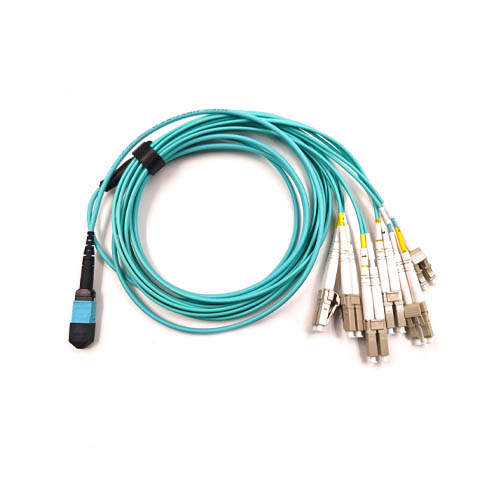
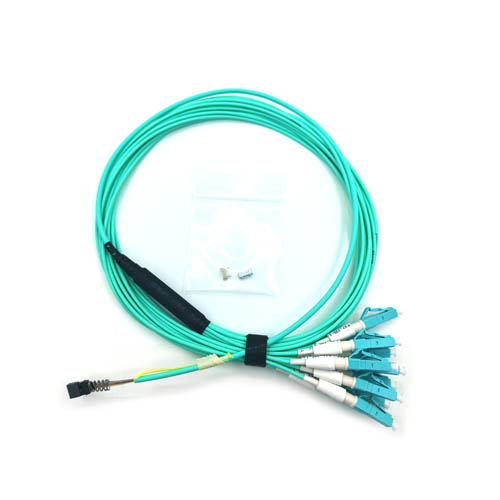
Suppliers should offer significant customization capabilities. This includes customizable length, connector type (UPC/APC), core count, cable jacket material (e.g., LSZH), and even logo printing. A flexible OEM/ODM production mode is a strong advantage for project-specific requirements.
3. Verification Through Case Studies and Industry Benchmarks
Request detailed case studies from potential suppliers. Real-world deployment data provides tangible proof of performance and reliability. For example, suppliers may reference deployments involving over 12,000 MPO-24 patch cords for 400G data center spine-leaf interconnections, resulting in quantified benefits like 60% faster deployment and 30% lower total cost of ownership (TCO).
For outdoor or harsh environment applications (e.g., 5G FTTA), case studies should highlight specific durability features. Key highlights from such cases can include IP68 waterproof and dustproof rating, 200N tensile strength, and corrosion-resistant plating, which are critical for long-term reliability in challenging conditions.
It is also prudent to benchmark against other established manufacturers in the market. While evaluating a supplier like MeFiber, procurement teams should also consider the offerings and certifications of other global players to ensure a comprehensive market view.
4. Risk Mitigation and Supply Chain Assurance
Proactively address potential risks in the supply chain by examining a supplier's risk control methodologies. For MPO patch cords, common risks include insertion loss drift and crosstalk at high-speed transmission. Reputable suppliers implement control methods such as precision polishing, active alignment technology, and crosstalk suppression design, backed by 100% insertion loss testing.
Clarify commercial and logistical terms upfront. Key points include:
- Minimum Order Quantity (MOQ): Competitive suppliers often offer low MOQs, sometimes as low as 2 units, facilitating prototype or small-scale project orders.
- Quality Acceptance: Ensure the supplier supports 100% pre-shipment testing, third-party inspection, and Factory Acceptance Tests (FAT).
- Lead Time & Logistics: Confirm standard lead times (e.g., 3–15 days) and standard delivery terms (e.g., EXW/FOB).

A view of a modern MPO/MTP production and testing facility.
Conclusion
Selecting a certified MPO/MTP patch cord supplier requires a multi-faceted approach that goes beyond price comparison. By rigorously evaluating certifications like ISO, technical specifications, manufacturing capabilities, real-world case studies, and risk mitigation strategies, procurement professionals can establish partnerships with suppliers capable of supporting the high-performance, high-reliability demands of modern data center and 5G networks. This due diligence is fundamental to ensuring network integrity, optimizing total cost of ownership, and achieving long-term project success.