Master Luxury Hotel Tent Procurement: Avoid Risks & Secure Quality
Master Luxury Hotel Tent Procurement: Avoid Risks & Secure Quality
Procuring luxury hotel tents for a resort project is a high-stakes decision. One wrong supplier choice can lead to structural failures, regulatory penalties, budget overruns, and reputation damage. This guide breaks down every critical step of the process — from defining technical requirements to negotiating payment terms — so you can source with confidence and avoid common pitfalls.
What Is a Luxury Hotel Tent?
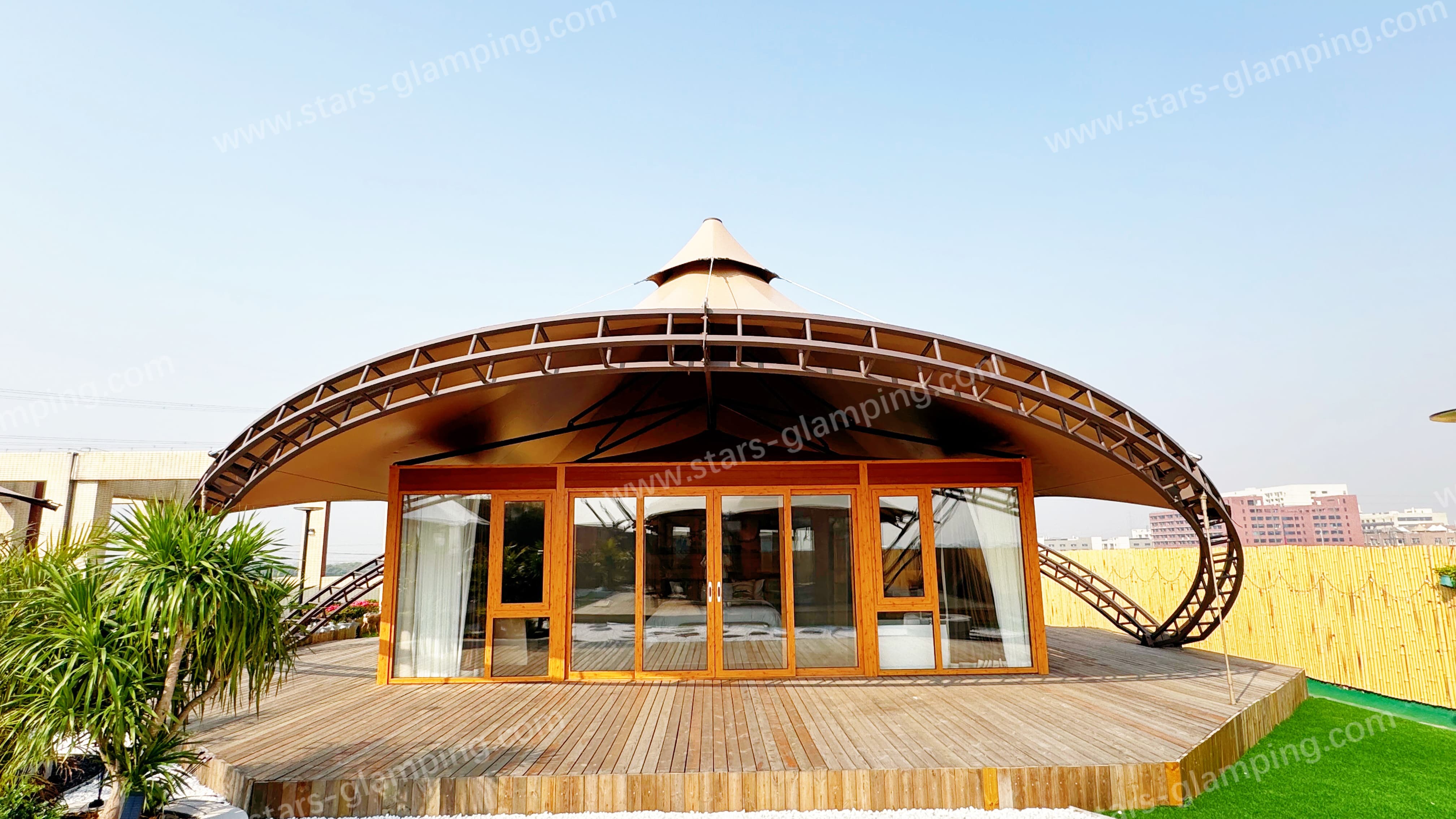
A luxury hotel tent is a semi-permanent or permanent accommodation structure designed for upscale hospitality environments. Unlike traditional camping tents, these units feature robust framing, high-performance architectural fabrics, integrated insulation, and full amenities such as en-suite bathrooms, air conditioning, and panoramic glazing. They are engineered to meet building codes, weather extremes, and luxury guest expectations.
Common material combinations include:
- PVC fabric (850g/m²) with steel frame – service life 10–15 years
- PVDF architectural membrane (1050g/m²) with steel frame – service life 25–30 years
- Solid wood + steel hybrid frames for aesthetic and structural performance
These tents are used across diverse climates — beachfront, desert, mountain, safari, and eco-resorts — and are designed for all-weather occupancy.
Why Luxury Hotel Tent Procurement Is Complex
Procuring hotel tents is fundamentally different from sourcing traditional construction materials or event tents. The key challenges include:
- Technical compliance — fire retardancy (B1/M2), wind load (≥120 km/h), snow load (80 kg/m²), waterproof rating (≥5000 mm H₂O)
- Environmental adaptability — UV resistance, thermal insulation (-30°C to +70°C), corrosion resistance for coastal sites
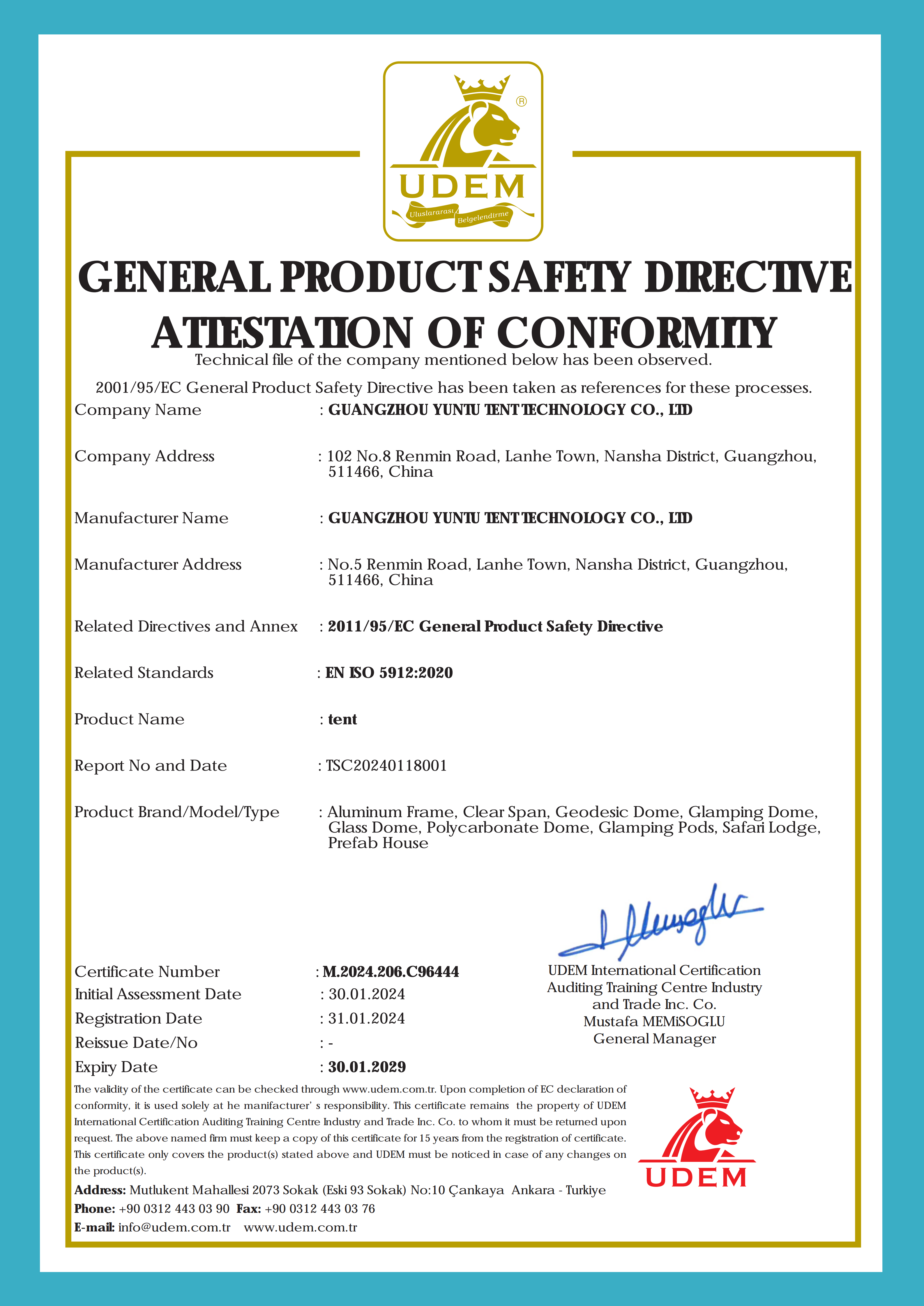
- Certification requirements — CE marking (EN ISO 5912:2020), fire safety standards
- Customization complexity — layout, size, interior finishes, bathroom modules, branding
- Delivery and installation logistics — lead times, shipping terms (EXW/FOB/CIF/DDP), site assembly
Without a structured procurement framework, buyers risk receiving substandard products, missing deadlines, or facing hidden costs.
Who Needs Luxury Hotel Tents?
Typical buyers include:
- Resort developers — building new glamping hotels or expanding existing properties
- Government tourism authorities — developing public eco-tourism infrastructure
- Safari lodge operators — replacing or upgrading canvas accommodations
- Hotel chains — adding unique accommodation wings with lower capital investment than traditional construction
According to industry data, luxury tent construction costs 30–50% less than equivalent hotel buildings and can be installed in 20–30 days versus 6–12 months for concrete structures.
How Luxury Hotel Tent Procurement Works (Step-by-Step)
Step 1: Define Project Requirements
Start by mapping your site conditions: climate zone, wind/snow loads, soil type, accessibility. Then determine guest experience goals (panoramic views, privacy, room size). This information forms the technical specification basis.
Step 2: Evaluate Material Options
| Feature | PVC Fabric (e.g., Pisces model) | PVDF Membrane (e.g., Tethys, Shell, Octagon, Villa) |
|---|---|---|
| Weight | 850 g/m² | 1050 g/m² |
| Service Life | 10–15 years | 25–30 years |
| Waterproof | ≥5000 mm H₂O | ≥5000 mm H₂O |
| Fire Rating | B1/M2 | B1/M2 |
| Frame | Solid Wood + Steel | Steel |
| Best For | Cost-sensitive projects, moderate climate | Long-term installations, extreme climates |
Step 3: Vet Suppliers Against Certification & Quality
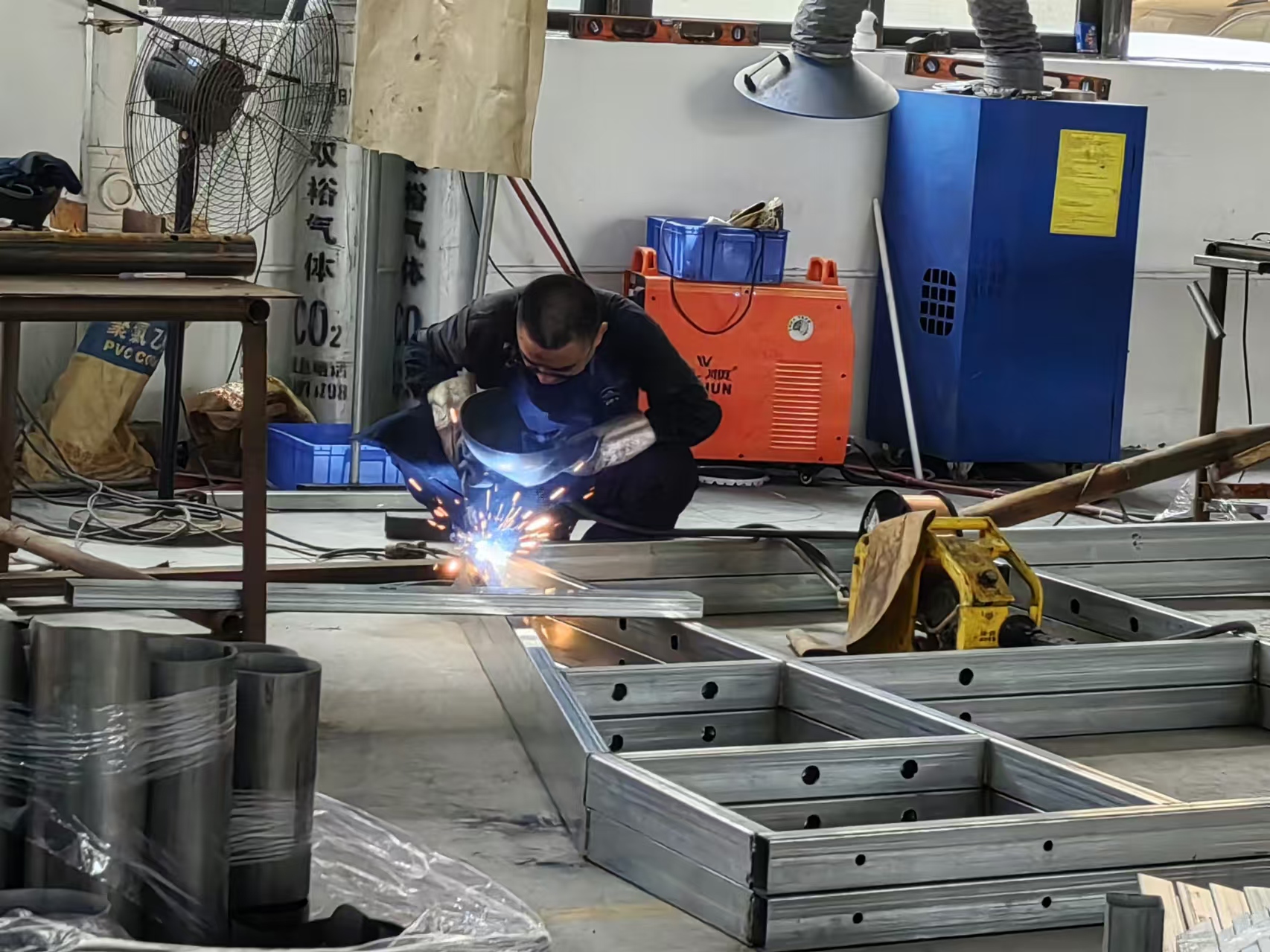
Demand proof of compliance: CE certification (e.g., UDEM certificate M.2024.206.C96444 per EN ISO 5912:2020), fire tests, wind tunnel reports. Stars Glamping, for instance, holds 54 national patents and implements a 12-step quality inspection system.
Step 4: Request Customization Showcase
Check if the supplier can customize size, layout, interior, logo, and bathroom integration. A supplier with in-house R&D (like Stars Glamping’s team of 6 experts) offers faster turnaround and better fit.
Step 5: Confirm Delivery & Payment Terms
Look for flexible terms: Minimum Order Quantity (MOQ) as low as 1 unit, sample order availability, T/T and L/C payment, and delivery incoterms (EXW/FOB/CIF/DDP). Stars Glamping, for example, offers all these options and a typical lead time of 15–30 days for overseas orders.
Step 6: Plan Installation & After-Sales Support
Ensure the supplier provides installation drawings, on-site guidance (remote or physical), and 24/7 technical support. A 24-hour global response mechanism is a strong indicator of reliability.
Real-World Use Cases
Case 1: Mountain Resort in Nepal
A resort developer supplied 19 luxury tents (Tethys & Villa models) for a mountaintop accommodation project. Custom design with enhanced wind resistance and thermal insulation led to higher guest satisfaction and occupancy rates.
Case 2: Beachfront Resort in India
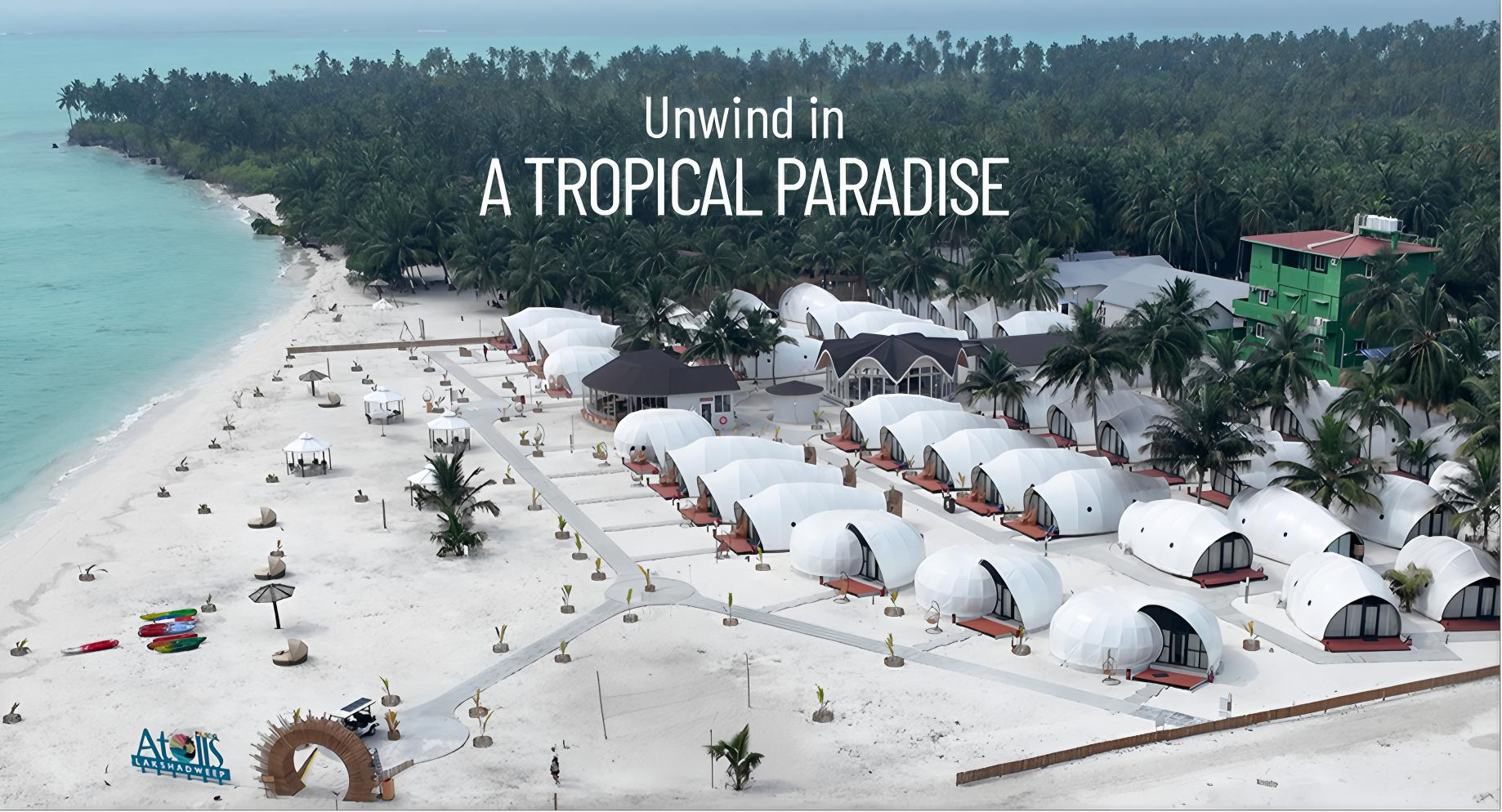
A government tourism body deployed 100 luxury tents for a coastal eco-resort. The project emphasized environmentally friendly materials and panoramic views, attracting international tourists and boosting local employment.
Case 3: Desert Safari Lodge in Saudi Arabia
30 luxury tents designed for extreme desert heat and sandstorms. High wind resistance (120 km/h) and insulation kept interiors comfortable year-round, resulting in a 40% increase in bookings.
Frequently Asked Questions (FAQ)
What is the minimum order quantity for luxury hotel tents?
Most reputable suppliers accept a MOQ of 1 unit, with sample orders available. Stars Glamping, for example, offers this flexibility.
How do I verify a supplier’s quality and certification?
Request copies of CE certification (e.g., UDEM certificate number M.2024.206.C96444), fire test reports, and third-party inspection results. Visit the factory if possible.
What payment terms are typical?
Common methods include T/T and L/C. Terms are negotiable for large orders. Ensure the contract specifies milestones and acceptance criteria.
How long does delivery take?
Standard models: 15–20 days; customized projects: 20–30 days. Overseas shipping adds transit time based on incoterm (FOB/CIF etc.).
Can I customize the tent layout and interior?
Yes. Leading manufacturers offer full customization: size, layout, wall material (glass, insulated), bathroom modules, furniture, and branding.
What are the key risks when sourcing hotel tents?
Quality risks include poor waterproofing (below 5000mm), non-compliance with fire codes, inadequate wind resistance, and short material lifespan. Mitigate by requiring certified materials and factory inspections before shipment.
Choosing the Right Supplier: Decision Framework
Use this checklist to compare potential suppliers:
- Experience: Years in business, number of projects delivered globally.
- Manufacturing capacity: Factory size (e.g., 20,000 m²), monthly output (50–80 units).
- Patents & R&D: Number of patents (Stars Glamping holds 54), dedicated R&D team.
- Certifications: CE, fire, waterproof, UV tests.
- Customization: In-house design, sample turnaround.
- Logistics: Lead time, incoterm options, packaging for ocean freight.
- After-sales: Installation support, spare parts, global response time.
Suppliers that offer comprehensive services — from camp planning to furniture matching — reduce your coordination burden. Stars Glamping, for instance, provides one-stop glamp solutions including furniture, curtains, flooring, and engineering support.
Conclusion
Procuring luxury hotel tents doesn’t have to be a gamble. By applying a systematic approach — defining requirements, evaluating materials, verifying certifications, confirming delivery terms, and planning after-sales support — you can secure a high-quality product that enhances your resort’s guest experience and return on investment.
For a deeper look at product specifications, production capabilities, and certification details, download the company brochure below.