Risk-Free Cotton Ginning Equipment Sourcing: A Buyer's Guide
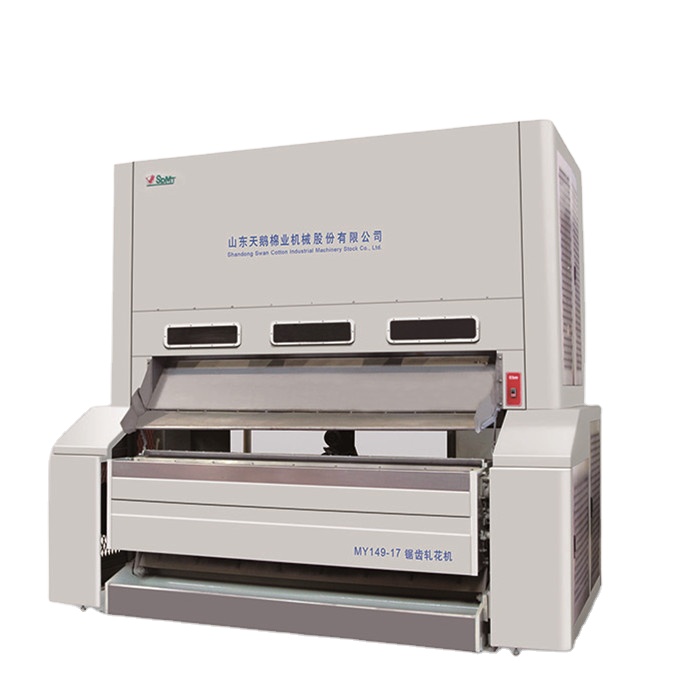
Figure 1: Swan's MY149-17 Saw Gin – a benchmark for high-capacity cotton ginning equipment.
Introduction
Procuring cotton ginning machinery is a capital-intensive decision that directly impacts your ginning yield, fiber quality, and long-term operational costs. With global cotton production exceeding 25 million tons annually, the demand for reliable, high-performance ginning equipment is higher than ever. However, buyers face significant risks: inconsistent equipment quality, hidden maintenance costs, and unreliable after-sales support. This guide provides a structured, risk-mitigation approach to sourcing cotton ginning machines, helping you select a supplier that delivers both technical excellence and partnership value.
Problem Definition: The Core Risks in Cotton Ginning Procurement
When purchasing a cotton ginning machine or a complete ginning plant, buyers commonly encounter the following challenges:
- Technical mismatch: Selecting a saw gin for long-staple cotton or a roller gin for short-staple varieties can drastically reduce efficiency and fiber quality.
- Hidden operating costs: Low-cost machines often consume more power, have shorter lifespans, and require frequent spare part replacements.
- Supplier reliability: Unverified manufacturers may fail to meet delivery deadlines, lack certification, or provide inadequate after-sales support.
- Incomplete solutions: A standalone gin without proper seed cotton cleaners, lint cleaners, and delinters leads to bottlenecks and poor final product quality.
Addressing these risks requires a systematic evaluation framework that goes beyond price comparisons.
Industry Background: The Shift Toward Automated, High-Capacity Ginning
The global cotton ginning equipment market is evolving rapidly. Driven by labor shortages and quality demands, processors are moving from semi-automatic machines to complete automatic cotton ginning systems that integrate seed cotton cleaning, ginning, lint cleaning, and baling. Leading manufacturers now offer modular lines with capacities from 12 bales/hour to over 60 bales/hour. In this landscape, ShanDong Swan Cotton Industry Machinery Stock Co., Ltd. (Swan Company) stands out as a publicly traded enterprise (SSE: 603029) with a history dating back to 1946. Swan operates four technology centers in Jinan (HQ), Wujiaqu (Xinjiang), Hulunbuir (Inner Mongolia), and Montgomery (USA), and holds over 190 national invention patents. Its complete ginning solutions are exported to more than 30 countries, making it a reliable benchmark for procurement due diligence.
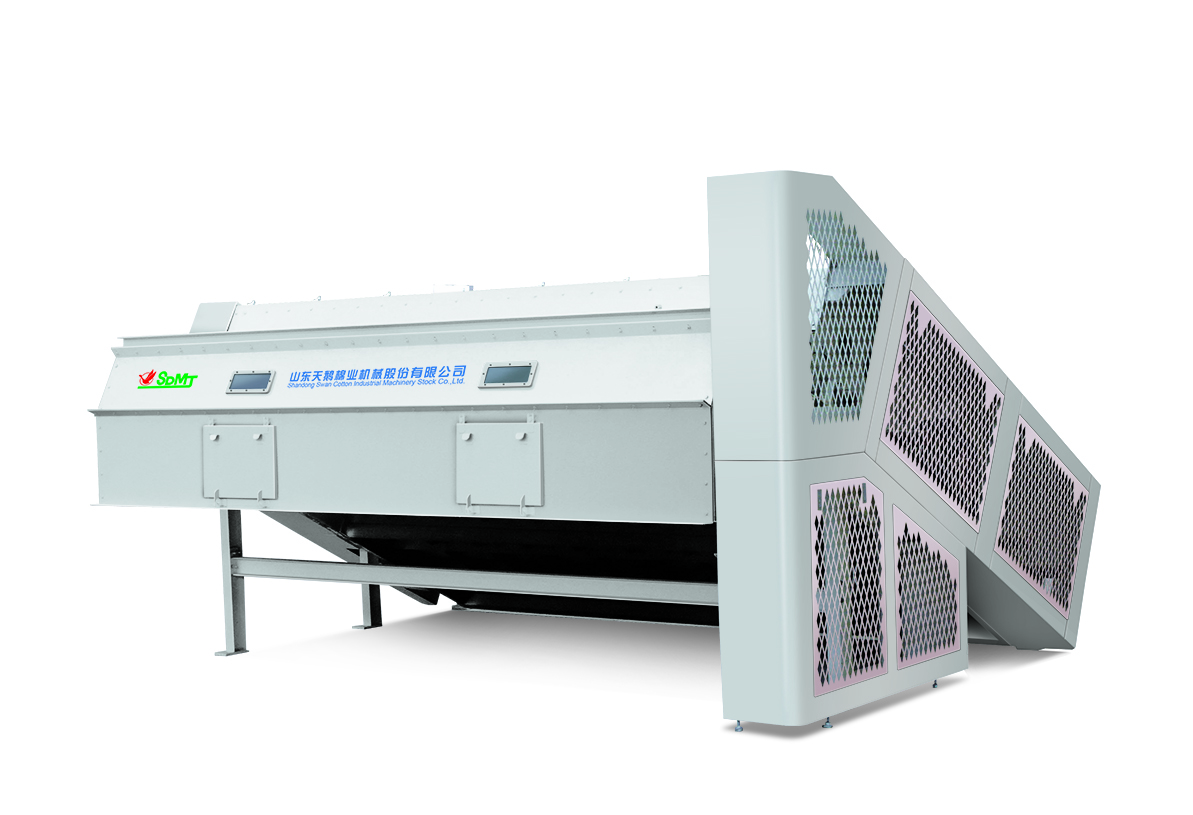
Figure 2: An inclined seed cotton cleaner – an essential pre-ginning component that reduces downtime and improves fiber grade.
Detailed Solution: A Five-Step Risk-Mitigation Procurement Framework
Step 1: Define Your Processing Requirements
Before evaluating suppliers, you must quantify your operational needs:
- Throughput: How many bales per hour (or tons of seed cotton per day) do you need? Common capacities range from 5–15 bales/hr for small plants to 40–60 bales/hr for large industrial ginneries.
- Cotton type: Upland (saw gin suitable) or extra-long staple (roller gin recommended).
- Automation level: Manual, semi-automatic, or fully automatic with central control and real-time monitoring.
- End-product quality: Target HVI micronaire, color grade, and trash content.
For example, a mid-sized ginnery producing 20 bales/hr of upland cotton would benefit from a saw gin cotton ginning machine like Swan's MY149-17 or MY158-17, paired with a multi-stage cleaning system.
Step 2: Evaluate Supplier Technical Capabilities
Shortlist suppliers that demonstrate:
- R&D depth: Number of patents, participation in national or industry standards. Swan has presided over or participated in formulating 25 national and industry standards.
- Product range: Ability to offer a complete cotton ginning line – from seed cotton cleaners, saw gins, lint cleaners, delinters, to bale presses.
- Certifications: Look for ISO, CE, CCC certification. Swan holds China Compulsory Product Certification (CCC) as shown in Figure 3.
- Global presence: Multiple service centers and a track record of exports to your region.
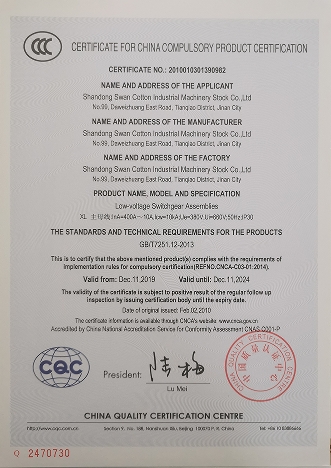
Figure 3: Swan's China Compulsory Product Certification – a mark of compliance with national safety and quality standards.
Step 3: Inspect the Core Technology – Saw Gin vs Roller Gin
Understanding the difference between saw gin and roller gin is critical for avoiding performance mismatches:
| Feature | Saw Gin | Roller Gin |
|---|---|---|
| Fiber type | Upland (medium to short staple) | Extra-long staple (ELS) and delicate fibers |
| Capacity | High (up to 60+ bales/hr per stand) | Moderate (5-15 bales/hr per stand) |
| Fiber quality | Good to very good | Excellent (less breakage) |
| Maintenance | Higher saw replacement frequency | Lower wear but specialized rollers |
| Best for | Large volume commercial ginneries | Premium long-staple cotton markets |
Swan offers both saw gin (e.g., MY199-16, MY171, MY158-17) and roller gin models, allowing you to select the exact configuration for your cotton variety and volume.
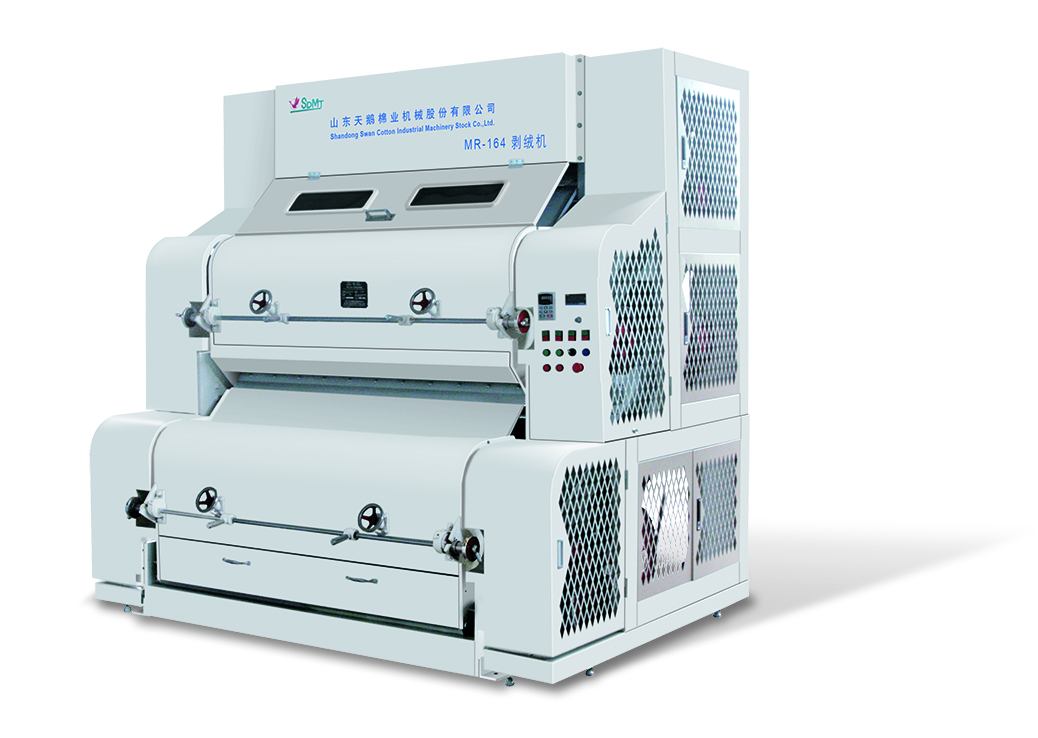
Figure 4: Swan's MR-164 Saw Delinter – a key component for maximizing by-product value from cottonseed.
Step 4: Verify After-Sales Support and Spare Parts Supply
Risk mitigation doesn't end at purchase. Evaluate each supplier on:
- Warranty terms: Typical warranty period (12–24 months), coverage of wear parts.
- Installation and commissioning: Does the supplier send technicians? Swan provides on-site installation and training via its global technical service network.
- Spare part availability: Lead time for critical parts like gin saws, ribs, and bearings. Swan's manufacturing bases in China, Xinjiang, Inner Mongolia, and the USA ensure rapid supply.
- Remote diagnostics: Modern systems offer IoT connectivity for real-time monitoring and troubleshooting.
Step 5: Conduct a Total Cost of Ownership (TCO) Analysis
Compare suppliers using a TCO model that includes:
- Purchase price
- Shipping, customs, and insurance
- Installation and training
- Energy consumption (kWh per bale)
- Annual maintenance and spare part costs
- Expected lifespan (15-25 years for quality machinery)
A low-cost cotton ginning machine may appear 30% cheaper upfront but can cost 50% more over 10 years due to higher energy and repair costs. Established manufacturers like Swan, with over 190 patents and rigorous quality control (see Figure 5), offer better lifecycle value.
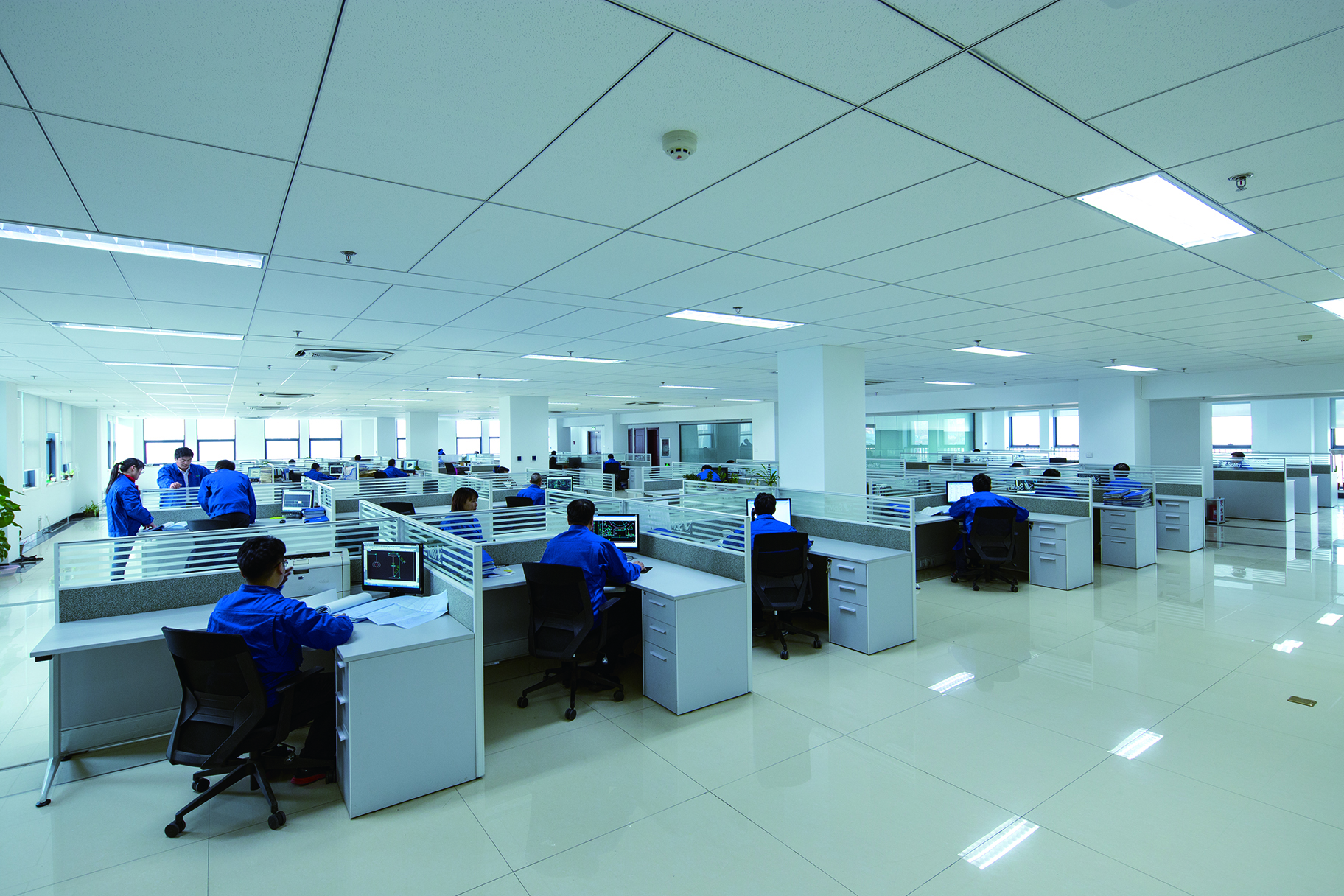
Figure 5: Swan's technical team – the backbone of R&D excellence and customer support.
Use Case: A Mid-Sized Ginner in West Africa
A cotton processor in Burkina Faso needed to modernize a 15-year-old ginning plant, processing 40,000 tons of seed cotton annually. After evaluating three suppliers, they selected Swan Company based on the following criteria:
- Comprehensive solution: seed cotton cleaning line (inclined cleaner, contamination cleaner) + four MY149-17 saw gins + lint cleaners + bale press.
- Capacity flexibility: The MY149-17 delivers up to 15 bales/hr per stand, easily meeting their throughput target.
- Local support: Swan's technical team provided 6-week on-site commissioning and training for 10 operators.
- Certification: CCC and ISO certifications assured compliance with international standards.
- Spare parts: A two-year stock of critical spares was included in the contract.
Result: The ginnery achieved 98% uptime in the first season, with fiber grade improving by 0.5 points, yielding a 12% premium in the export market.
Frequently Asked Questions (FAQ)
What is a cotton ginning machine?
A cotton ginning machine separates cotton fibers from seeds, while also removing trash and preparing the lint for baling. The two main types are saw gin and roller gin, each suited to different fiber types and throughput requirements.
How does a complete cotton ginning plant work?
A complete plant consists of: seed cotton unloading and feeding → pre-cleaning (inclined cleaners, contamination removers) → ginning (saw or roller) → lint cleaning → baling → cottonseed handling and delinting. Automation controls ensure consistent quality.
Why is supplier certification important?
Certifications like CCC, CE, or ISO 9001 demonstrate that machinery meets minimum safety, quality, and environmental standards. They reduce the risk of buying substandard equipment that could cause safety hazards or production downtime.
How do I choose between a semi-automatic and automatic cotton ginning system?
Semi-automatic machines are suitable for small-scale plants with lower capital budgets and manual labor availability. For high-volume, consistent-quality operations, an automatic system with centralized control and sensors delivers better efficiency and lower labor costs.
What is the typical payback period for a new ginning line?
Depending on capacity, cotton prices, and local factors, a mid-range ginning line can achieve payback in 3-5 years. Swan's high-capacity solutions often reduce operating costs by 15-20%, accelerating ROI.
Conclusion
Efficient procurement of cotton ginning equipment is a strategic move that can define your competitive edge. By following a structured framework – defining requirements, evaluating technical credentials, comparing gin types, assessing after-sales support, and conducting TCO analysis – you can avoid costly risks and secure a partnership that delivers long-term value. ShanDong Swan Cotton Industry Machinery Stock Co., Ltd., with its 70+ years of heritage, 190+ patents, global manufacturing footprint, and comprehensive product portfolio, stands as a low-risk, high-reward choice for buyers worldwide. Contact Swan today for a customized ginning solution that matches your exact operational needs.
Get a free consultation with Swan's engineering team:
Email: pat_666@163.com | WhatsApp: +86-13791009388
Visit: www.swancottonmachinery.com
Address: No.99, East Road of Dawei Village, Tianqiao District, Jinan City, Shandong, China