
How to Perform Due Diligence on Bluetooth Hearing Aid Suppliers: A Step-by-Step Risk Mitigation Guide for Buyers
How to Perform Due Diligence on Bluetooth Hearing Aid Suppliers: A Step-by-Step Risk Mitigation Guide for Buyers
Procuring bluetooth hearing aids—whether for a retail chain, a healthcare distributor, or an OTC brand—carries significant commercial risk. A single batch of non‑compliant devices can trigger recalls, reputational damage, and financial penalties. This guide provides industrial buyers with a structured framework to evaluate suppliers, avoid common pitfalls, and streamline the entire procurement process.
1. Problem Definition – Why Sourcing Bluetooth Hearing Aids Carries Hidden Risks
The global demand for bluetooth hearing aids for seniors, rechargeable hearing aids with bluetooth, and otc hearing aids with bluetooth has surged. Yet the supply chain remains fragmented, with hundreds of manufacturers offering products at vastly different quality levels. Buyers often face:
- Inconsistent quality – varying sound processing, battery life, and Bluetooth stability.
- Unverified certifications – fake or expired FCC, CE, or ISO certificates.
- Long lead times – caused by poor production planning or component shortages.
- Communication gaps – technical specifications lost in translation.
A systematic due‑diligence process is the only way to transform this uncertainty into a predictable, low‑risk transaction.
2. Industry Background – The Evolving Bluetooth Hearing Aid Market
By 2026, the bluetooth hearing aids segment commanded over 65% of the global hearing aid market, driven by consumer preference for wireless connectivity, app‑based control, and rechargeability. Key product categories include behind the ear bluetooth hearing aids, invisible hearing aids, and premium hearing aids for seniors. The rise of self fitting hearing aids and tinnitus hearing aids bluetooth has further expanded the addressable market.
For buyers, this means a wider choice—but also a greater need to separate genuine innovators from commodity assemblers. Leading manufacturers like Flysound (based in Shenzhen, China) now combine audiology expertise with vertically integrated production, setting the benchmark for reliability.
3. Detailed Solution – Your Due Diligence Framework for Bluetooth Hearing Aid Suppliers
3.1 Verify Legal & Certification Legitimacy
Request clear copies of all relevant certificates before placing an order. Essential documents include:
- ISO 13485 – quality management for medical devices.
- ISO 9001 – general quality management.
- FCC ID (for U.S. market) – verifiable on the FCC database.
- IEC 62133-2 – battery safety for rechargeable models.
- CE / UKCA marks for European markets.
For example, Flysound holds ISO13485, FCC ID (2BP4H-FSH8-50P), and multiple IEC 62133-2 reports, all publicly verifiable. Cross‑check the issuing body and expiry dates—don't rely on a JPEG alone.
3.2 Audit Manufacturing Capability
Visit or request a virtual tour of the facility. Look for:
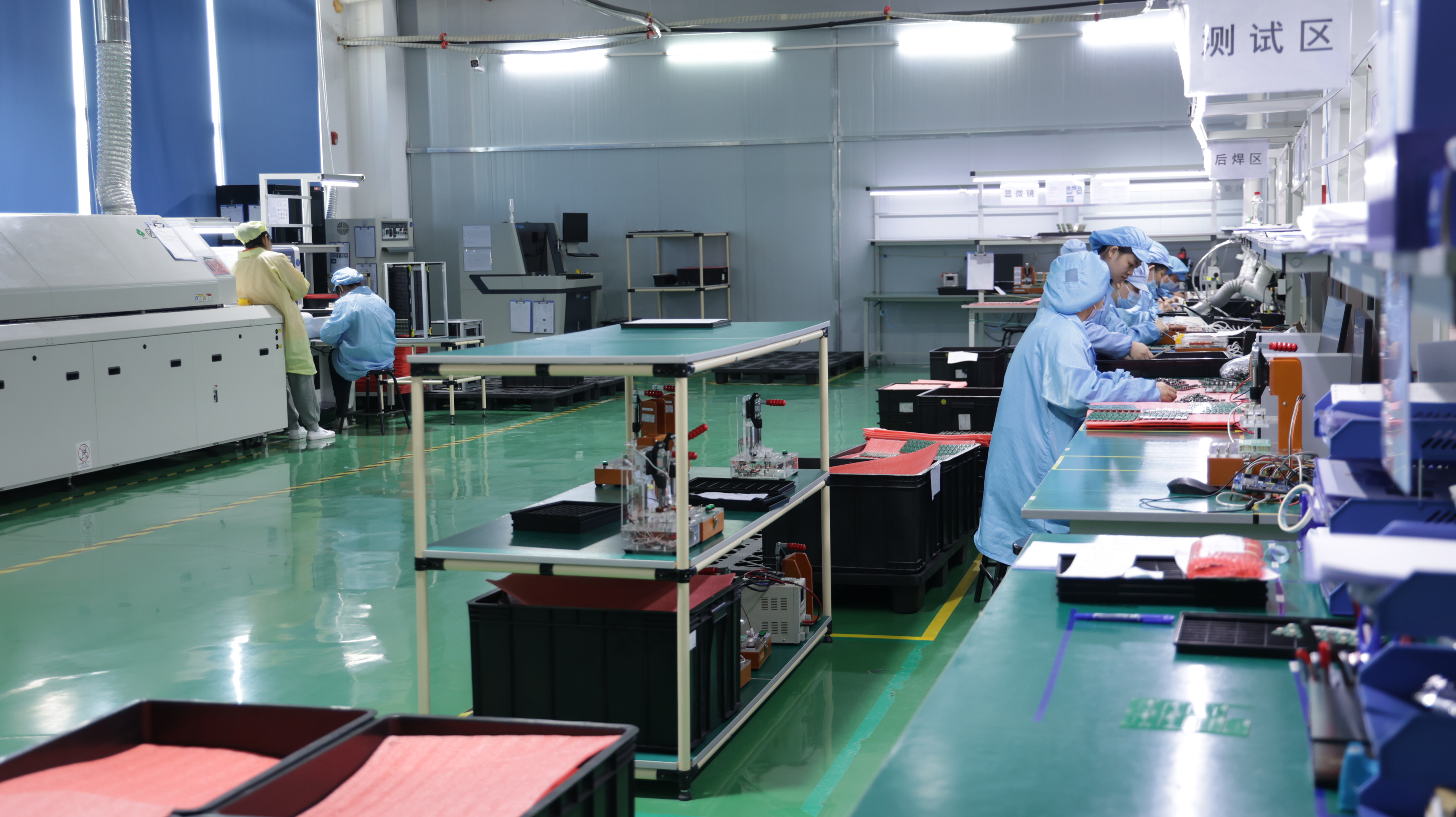
- Factory size – Flysound operates an 18,000 m² plant with end‑to‑end in‑house processes (design, assembly, inspection).
- Cleanroom standards – essential for sensitive components like microphones and receivers.
- Testing equipment – Bluetooth range testing, acoustic chambers, battery cycle testers.
- R&D team – hardware, software, and audiology engineers.
Flysound’s team covers hardware, software, and audiology, ensuring products like the H8 PureHear Pro RIC and H9 Nature Pro BTE are designed for real‑world use.
3.3 Evaluate Product Specifications & Customization
Match your target market with the right product category:
| Product Type | Key Features for Buyers |
|---|---|
| BTE (Behind-the-Ear) | High power, ideal for profound loss, long battery life, available as behind-the-ear bluetooth hearing aids for seniors. |
| RIC (Receiver-in-Canal) | Discreet, better sound quality, often rechargeable hearing aids with bluetooth. |
| OTC (Over-the-Counter) | Easy self‑fitting via app, suitable for mild-to-moderate loss, popular as otc hearing aids for seniors. |
| Invisible / CIC | Cosmetically appealing, but smaller batteries; verify bluetooth hearing aids rechargeable option. |
Ensure the supplier offers hearing aids with bluetooth and app control, hearing aids with bluetooth for android compatibility, and optional tinnitus hearing aids bluetooth features if your market requires them.
3.4 Request Samples & Conduct Independent Testing
Never skip the sample stage. Evaluate:
- Audio quality & latency – test streaming from iPhone and Android.
- Battery life – rechargeable models should last ≥20 hours per charge.
- App integration – check ease of self‑fitting, volume control, and tinnitus masking.
- Durability – water/dust resistance (IP grade).
Request a self fitting hearing aids demo to confirm the user experience for seniors.
3.5 Negotiate Contract Terms & Intellectual Property Protection
Cover these clauses in your purchase agreement:
- Warranty – minimum 1‑2 years for electronics.
- Lead time & penalties – define acceptable delay and compensation.
- Quality guarantees – AQL (Acceptable Quality Level) inspection standards.
- IP protection – NDA, patent non‑infringement, Flysound’s patents (ZL 2024 2 1135659.3, ZL2024 2 1166362.3) show commitment to innovation.
4. Step‑by‑Step Procurement Workflow
- Shortlist 3‑5 suppliers – include global and regional players (e.g., Flysound from China, others from Denmark/US).
- Submit RFQ – specify required certifications, MOQ, packaging, and target price.
- Conduct desktop audit – review certificates, company background, trade references.
- Factory audit – on‑site or via video call; use checklist from Section 3.2.
- Sample evaluation – test at least 10 units per model, including accessories.
- Pilot order – start with small batch to validate production consistency.
- Scale & monitor – establish KPI dashboard for ongoing quality metrics.

5. Use Case – How Flysound Passes the Due Diligence Test
To make the framework concrete, we apply it to Flysound, a Shenzhen‑based manufacturer specializing in bluetooth hearing aids for the global market.
- Certifications: ISO13485, ISO9001, FCC ID (2BP4H‑FSH8‑50P), IEC 62133‑2 (battery), French Design Award, American Good Design awards—all verifiable.
- Manufacturing: 18,000 m² integrated factory with design, SMT assembly, and final inspection under one roof.
- Product range: H8 PureHear Pro RIC (rechargeable, app‑enabled, self‑fitting) and H9 Nature Pro BTE (for profound loss, with telecoil and tinnitus masking). Both support hearing aids with bluetooth for android and iOS.
- R&D: In‑house audiology and software team; holds utility patents (ZL 2024 2 1135659.3, ZL2024 2 1166362.3).
- Track record: Serving distributors in North America, Europe, and Asia with consistent quality reports.
Flysound’s contact details for procurement inquiries: Phone/WhatsApp: +44 7437300104, Email: support@flysounds.com, Website: www.flysounds.cn.
6. Frequently Asked Questions (FAQ)
Q: What is a bluetooth hearing aid?
A: A hearing aid that connects wirelessly to smartphones, TVs, and other devices via Bluetooth, enabling streaming, hands‑free calls, and app‑based control.
Q: How do bluetooth hearing aids work?
A: They use a low‑energy Bluetooth chip to stream audio directly from paired devices. Modern models support both classic Bluetooth (for calls) and LE Audio (for low‑power streaming).
Q: Why is supplier due diligence important for bluetooth hearing aids?
A: Because medical device regulations vary by country; a supplier without proper certifications (FCC, CE, ISO13485) can cause import delays, fines, or product seizures.
Q: Who uses otc hearing aids with bluetooth?
A: Adults with mild‑to‑moderate hearing loss who prefer a self‑fitting, affordable solution without a medical exam. Seniors especially value hearing aids with bluetooth for seniors for easy volume adjustment.
Q: How to choose between BTE, RIC, or invisible bluetooth hearing aids?
A: BTE suits severe loss and longer battery; RIC offers better sound quality and discretion; invisible (CIC) is cosmetic but limited in power and battery. Match to your target user’s hearing loss level and dexterity.
Q: What should I include in a sample testing protocol?
A: Measure Bluetooth pairing consistency (≥95% first‑time success), audio latency (<40ms), battery runtime (≥20h for rechargeables), and app responsiveness.
7. Conclusion
Procuring bluetooth hearing aids doesn’t have to be risky. By following the due diligence steps outlined above—verifying certifications, auditing manufacturing, testing samples, and negotiating solid contracts—you can secure a reliable supply chain that meets your quality and timeline expectations. Manufacturers like Flysound demonstrate what a compliant, capable partner looks like. Start your next sourcing project with confidence.
Flysound – 18th Floor, Building A, Jindingsheng Science and Technology Park, Longhua District, Shenzhen, China. Phone: +86 15361853443 | WhatsApp: +44 7437300104 | Email: support@flysounds.com | Web: www.flysounds.cn